Chimney, near Bampton, Oxfordshire
Chimney Meadows National Nature Reserve
Mixed-habitat reserve
Source image
7.3
Wildland
1–2 hours
Time
Free
Cost
Peaceful
Feel
Why it's Wildland
7.3Once a commercial farm, Chimney Meadows has been restored by BBOWT since 2003: former wheat and barley fields are now species-rich meadows beside the meandering Thames, providing habitat for declining wading birds including breeding curlew.
More than 300 hectares of restored Thames-side meadow and wetland make this a substantial living landscape, not just a short nature stop. Its appeal is the changing river scenery, wildflower-rich fields and chance to watch birds from paths and hides—balanced by muddy, flood-prone conditions and restrictions on some wildlife-sensitive areas.
Peaceful · Big-sky · Wild
Find your way
Open mapChimney, near Bampton, Oxfordshire
Opening map…
Know this place a little better?
The experience
Walk the accessible parts of a large Thames-side reserve, using the paths and bird hides to experience its meadow, wetland and river habitats. Keep to permitted routes, since wildlife-sensitive areas have restricted access.
Things to do
Walk the Thames Path
Follow the National Trail as it passes through the reserve, taking in the river and views across the meadows. Stay on open paths; access to some wildlife-sensitive areas is restricted.
Check current map and conditions
Watch from the bird hides
Use the boardwalk-accessed hides to look for birds, including wading birds. BBOWT notes that some paths and both hides are suitable for people with limited mobility; contact the reserve to discuss requirements.
Look across the restored wildflower meadows
Explore open views over fields restored from commercial arable farming to species-rich wildflower meadows. BBOWT identifies curlew among the wading birds that breed here.
Make a day of it
Quick escape · 1–2 hours
Quick Escape: river and meadow
- 01
Park in the designated BBOWT car park at the reserve entrance; do not park in Chimney hamlet.
- 02
Check the reserve map near the car park and choose an open path suited to current ground conditions.
- 03
Walk a section of the Thames Path for river and meadow views; keep to permitted routes.
- 04
If conditions and access allow, visit a bird hide reached from the boardwalk and watch for waders.
Half day · Half day
Make a half day of it: meadows, river and bird hides
- 01
Start at the designated BBOWT car park and check the reserve map and current path conditions.
- 02
Explore a longer combination of the public footpaths, bridleway and permissive paths that are open to visitors.
- 03
Follow the Thames Path through the reserve, stopping to look across the meadow and river landscape.
- 04
Use the boardwalk to reach the bird hides if conditions permit; watch for wildflowers and wading birds without entering restricted wildlife areas.
- 05
Bring a picnic if useful: BBOWT lists a picnic area, but no café is confirmed by the supplied evidence.
Verified history
Chimney Meadows is part of an ancient landscape shaped by the Thames and centuries of farming. The land was once a commercial farm; BBOWT began looking after it in 2003, restoring fields that had been planted with wheat and barley as species-rich wildflower meadows. The restored habitat is important for plant diversity and for nationally declining wading birds, including curlew that breed here.
Hidden details
Some of the reserve is deliberately off-limits — Public access to certain areas, including Duxford Old River and the SSSI/National Nature Reserve, is limited to protect wildlife. The Thames Path offers views, and occasional guided walks may provide access to some areas.
Flooding can change the visit — Paths may be boggy or flooded in autumn, winter and spring. The Great Brook and Duxford fords may be impassable when water is high, and Great Brook Road can flood; BBOWT recommends access via Bull Street, Aston when water levels are very high.
The Ten Foot Bridge is closed — BBOWT reports that the bridge linking footpaths from Duxford and Buckland to the Thames Path beside the reserve is closed by the Environment Agency until further notice. Check the current position before planning a route that relies on it.
When to go
April · May · June · October · November · December · January · February · A calm, clear morning is a sensible choice for watching birds; no official preferred time is specified.
BBOWT describes the reserve as worth visiting all year. Spring and early summer bring wildflowers and breeding waders; autumn and winter bring different bird interest, but wet ground and flooding can affect access.
Flat terrain does not mean firm footing: paths can be bumpy, boggy and flooded. Wellingtons are required to cross the Great Brook and Duxford fords, which may be impassable at high water. Check local road and path conditions before travelling.
What to look for
- 01
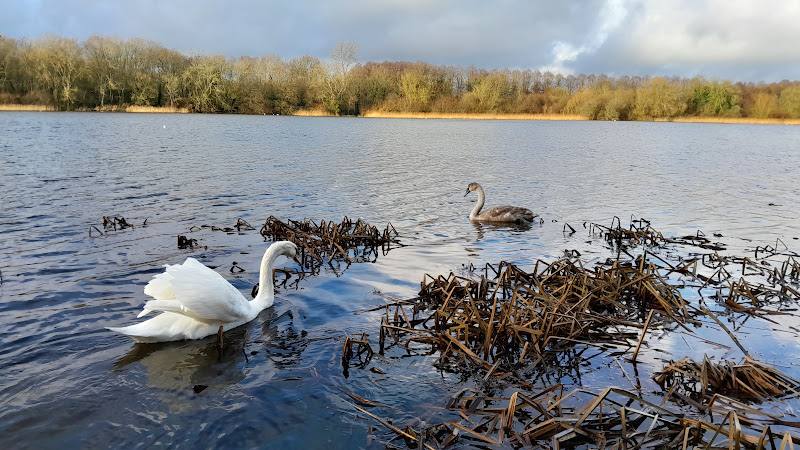
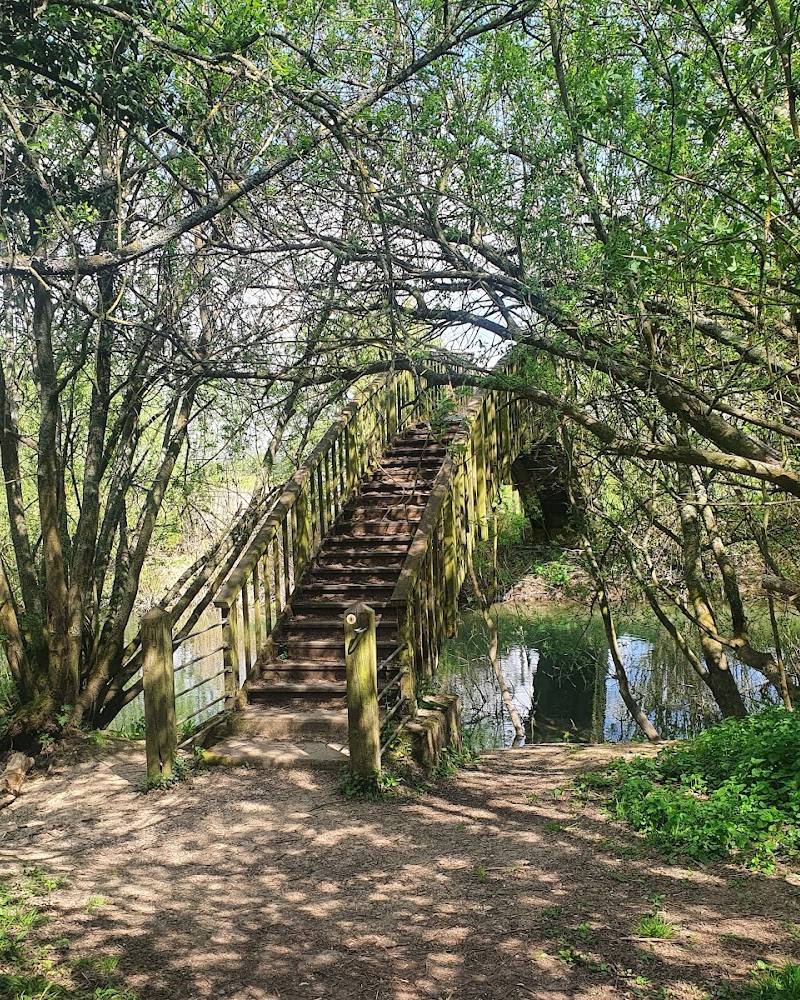
Look for wildflower-rich meadow, the Thames winding through the reserve, and wading birds such as curlew. The two bird hides are reached from a boardwalk
- 02
some wildlife-sensitive areas can be viewed from the Thames Path rather than entered.
The story
Landscape restoration; traditional farming; nature conservation
Best time to go
All year; spring and early summer for wildflowers and breeding waders, and autumn and winter for seasonal bird interest. Paths may be boggy or flooded in autumn, winter and spring.
Spring and early summer are strong choices for wildflowers and breeding waders. For a quieter birdwatching visit, choose a calm, clear morning and check ground and river conditions first.
How long to spend
1–2 hours; allow longer to explore more of the reserve
Perfect for
Walkers · Wildlife lovers · Photographers · Families
Before you go
Address
Website
Listed hours
- Monday: Open 24 hours
- Tuesday: Open 24 hours
- Wednesday: Open 24 hours
- Thursday: Open 24 hours
- Friday: Open 24 hours
- Saturday: Open 24 hours
- Sunday: Open 24 hours
Check before visiting.
Google rating
Practical information
Opening & access
BBOWT says the reserve is open at all times, with no entry fee. Access is by a designated car park, public footpaths, bridleway and permissive paths. Some areas, including Duxford Old River and parts of the SSSI/National Nature Reserve, have restricted public access to protect wildlife; views are available from the Thames Path and some areas can be visited on occasional guided walks. The Ten Foot Bridge is closed until further notice.
Parking
Use the designated BBOWT car park at the reserve entrance; do not park in Chimney hamlet. Check access conditions before setting out, as flooding can affect local roads and paths.
Check before visiting
Toilets
Check before visiting
Check before visiting
Food & drink
No café or food provision confirmed; a picnic area is listed by BBOWT.
Dogs
Dogs on a lead, according to BBOWT. Check current signage and any local restrictions.
Check before visiting
Accessibility
Terrain is flat, but paths can be bumpy, boggy or flooded. Some paths and the two boardwalk-accessed bird hides are suitable for people with limited mobility; contact the reserve to discuss requirements before visiting. The source row also reports a wheelchair-accessible car park.
Cost
Free
Water
River Thames; wetland and meadow habitats. Swimming and paddling permissions are not established.
Gallery
Place photographsKeep exploring
Around Chimney Meadows National Nature Reserve
Within 50 km · approximate straight-line distances