Near Newcastle, County Down, Northern Ireland
Murlough National Nature Reserve
Coastal reserve
Place photograph
8.2
Wildland
1–2 hours
Time
Paid
Cost
Wild
Feel
Why it's Wildland
8.2A 6,000-year-old dune landscape meets Dundrum Bay beneath the Mourne Mountains, with a sandy beach and habitats used by wintering birds and notable butterflies.
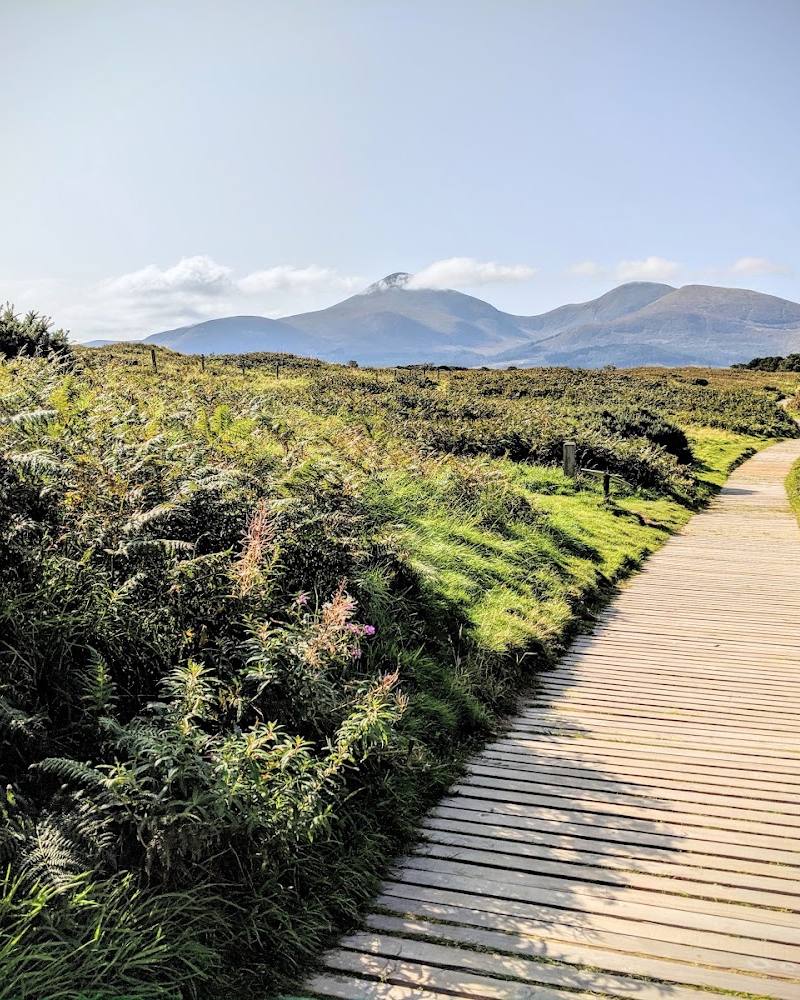
Murlough is more than a beach walk: its ancient dune system, dune heath and woodland create a varied coastal reserve, with the Mournes as a striking backdrop. Go for the changing habitats as much as the shoreline.
Wild · Big-sky · Atmospheric
Find your way
Open mapNear Newcastle, County Down, Northern Ireland
Opening map…
Know this place a little better?
The experience
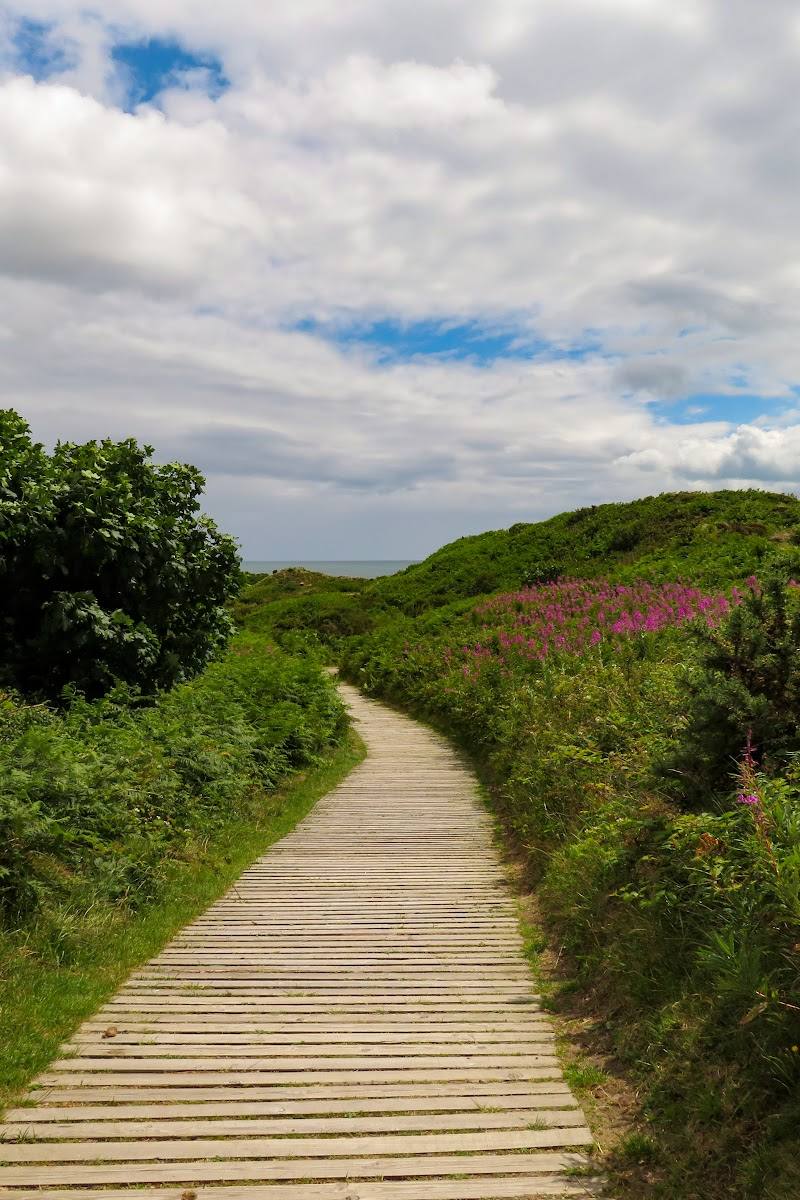
Explore the reserve’s boardwalks and circular nature trails, moving between dune habitats and the beach. Look for seasonal wildlife, and allow time to take in the view towards the Mournes.
Things to do
Follow the reserve trails
Use the boardwalks and circular nature trails to explore Murlough’s coastal habitats. Check trail conditions and route information on arrival.
Look for seasonal wildlife
The reserve is noted for wintering wildfowl and waders, and for butterflies including the Marsh Fritillary. Wildlife sightings are not guaranteed.
Take in the Mourne Mountains view
Look inland from the reserve for the Mourne Mountains rising beyond the coastal landscape.
Visit the sandy beach
The reserve includes a four-mile sandy beach. Check local conditions and seasonal access guidance; swimming permission or suitability is not established by the supplied sources.
Make a day of it
Quick escape · Check locally
Quick Escape: dunes and shore
- 01
Start from the National Trust car park.
- 02
Follow a suitable section of the reserve’s boardwalk or circular nature trails.
- 03
Take in the dune landscape and, if the route and conditions suit, the sandy shore.
- 04
Return by the same route or a clearly marked circuit.
Half day · Check locally
Make a half day of it: explore the reserve’s habitats
- 01
Allow time to follow more of the reserve’s boardwalks and circular nature trails.
- 02
Notice how dune heath, woodland and shore give the landscape its variety.
- 03
Pause to watch for seasonal butterflies and wildflowers, or wintering birds in the colder months.
- 04
Finish with time on the beach if conditions and access suit.
Verified history
The supplied reserve description identifies Murlough as a 6,000-year-old sand-dune system and says it was designated as Ireland’s first national nature reserve in 1967. The age and designation are reported in the supplied source; consult the managing organisation for fuller historical context.
Hidden details
A landscape shaped over millennia — The supplied reserve description dates the dune system to around 6,000 years old. Look for the way the reserve’s habitats change as you move between dune heath, woodland and shore.
A seasonal wildlife reserve — Wintering wildfowl and waders, and butterflies including the Marsh Fritillary, are among the wildlife highlighted in the supplied reserve description.
When to go
April · May · June · July · August · September · October · November · December · January · February · Check local conditions and reserve information; no specific time of day is established by the supplied sources.
Spring and summer are suitable seasons to look for wildflowers and butterflies; winter is highlighted for wildfowl and waders. These are wildlife opportunities, not guaranteed sightings.
Check the forecast and reserve information before visiting. The supplied sources do not specify weather-related closures or trail conditions.
What to look for
- 01
Notice the contrast between dune heath, woodland and open shore. In season, look for wildflowers and butterflies
- 02
in winter, scan for wildfowl and waders.
The story
Coastal dune formation and nature conservation
Best time to go
Spring and summer for wildflowers and butterflies; winter for wildfowl and waders. Check current reserve information before visiting.
Choose spring or summer for flowers and butterflies, or a winter visit for wildfowl and waders. Check the reserve’s seasonal notices and opening information before setting out.
How long to spend
1–2 hours
Perfect for
Walkers · Wildlife lovers · Photographers · Families
Before you go
Address
Google rating
Practical information
Opening & access
National Trust reserve with a car park and a network of boardwalks and circular nature trails. Check current opening times and parking arrangements before travelling.
Check before visiting
Parking
National Trust car park at the reserve. Non-member car parking is charged; prices vary by season. Check the National Trust page for current rates and payment details.
Check before visiting
Toilets
Seasonal provision: weekends only in April and May, and daily in June, July and August, at the times listed by the National Trust. At other times, the nearest public toilet is in Dundrum.
Food & drink
Check before visiting.
Check before visiting
Dogs
Dogs must be on leads and under close control. Dogs are not allowed on the beach in the Blue Flag Area during July and August; follow reserve signs and seasonal guidance.
Accessibility
A wheelchair-accessible boardwalk is available; there is no wheelchair access to the beach. The National Trust also lists accessible parking and toilet facilities. Check current details before visiting.
Check before visiting
Cost
Paid
Water
Sea, Estuary
Gallery
Place photographs
Keep exploring
Around Murlough National Nature Reserve
Within 50 km · approximate straight-line distances