Keel Point, Dundrum, County Down, BT33 0LW
Murlough National Nature Reserve
Mixed-habitat reserve
Source image
7.8
Wildland
1–2 hours
Time
Paid
Cost
Wild
Feel
Why it's Wildland
7.8A shifting dune landscape estimated to be up to 6,000 years old, with a long record of human use and views towards the Mourne Mountains.
Murlough brings together an unusually old dune system, coastal habitats and a substantial archaeological story in one exposed stretch of Dundrum Bay. Its landscape is both a nature reserve and a place shaped by centuries of natural change and human use.
Wild · Big-sky · Dramatic
Find your way
Open mapKeel Point, Dundrum, County Down, BT33 0LW
Opening map…
Know this place a little better?
The experience
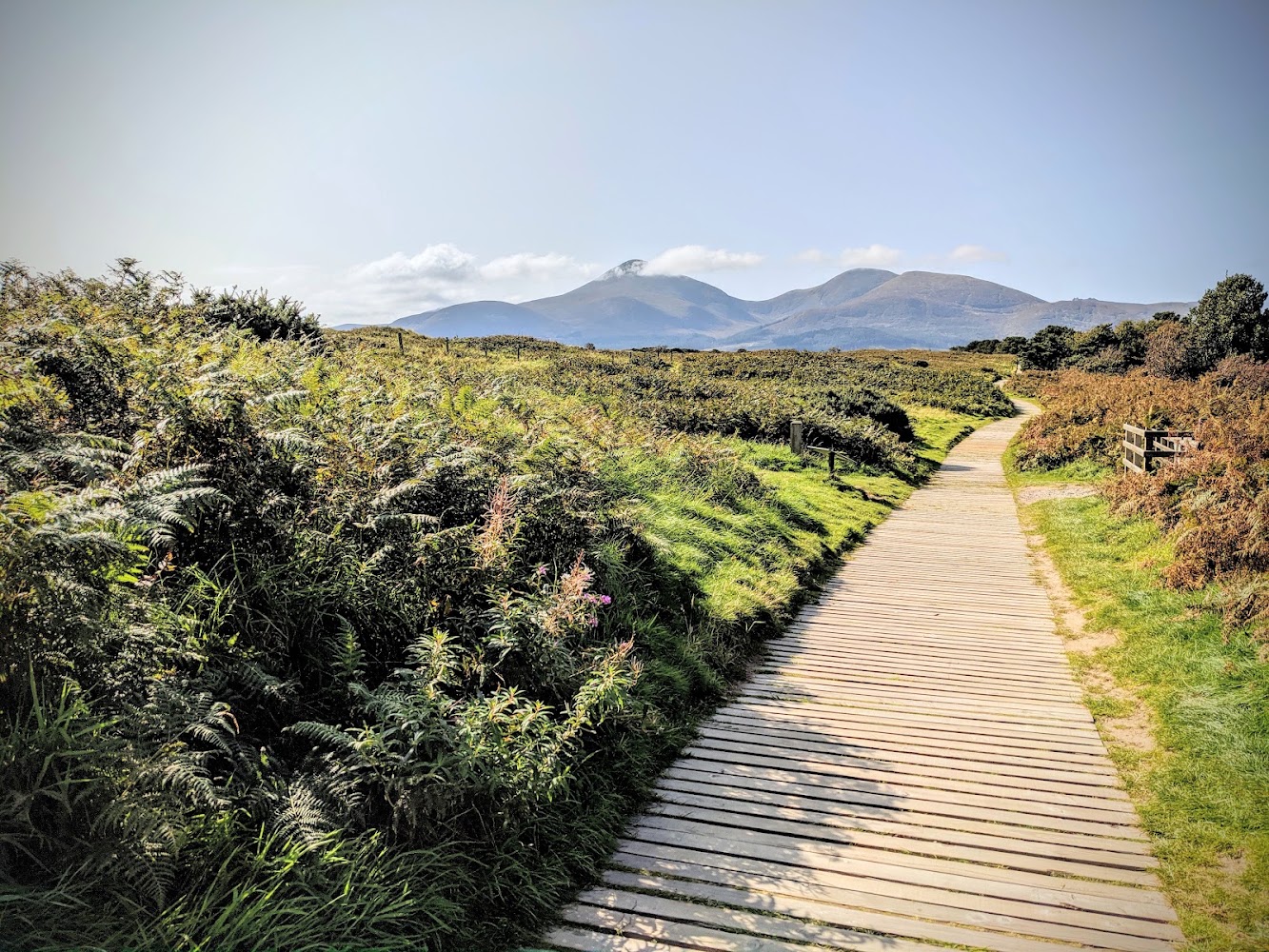
Explore the dune reserve on its walking routes and boardwalks, taking in the coastal landscape and views towards the Mourne Mountains. Look for the contrasts between dune habitats and consider the archaeological and historic features described by the National Trust. Check current access and facilities before setting out.
Things to do
Walk the dune reserve
Use the reserve’s walking routes to experience the dune landscape and its coastal setting. Confirm route availability and conditions before visiting.
Explore the boardwalks
Follow the boardwalk routes through the reserve. The National Trust identifies a wheelchair-accessible boardwalk; it also states there is no wheelchair access to the beach.
Look towards the Mourne Mountains
Take in the mountain views from the reserve’s coastal landscape.
Find the historic entrance features
Look for Keel Point Gate Lodge and Downshire Bridge, both identified by the National Trust as listed buildings at the entrance to the peninsula.
Make a day of it
Quick escape · 1–2 hours
A short dune-and-view walk
- 01
Check the National Trust’s current opening and parking information before setting out.
- 02
Follow an available reserve walking route or boardwalk through the dune landscape.
- 03
Pause for views towards the Mourne Mountains and Dundrum Bay.
- 04
Return by a suitable route, checking conditions and access locally.
Half day · Half day
Dunes, coast and human history
- 01
Begin with a reserve walk using the available boardwalks and circular nature trails.
- 02
Spend time noticing the dune landscape, dune heath and woodland described in the visitor information.
- 03
Read the National Trust’s history of Murlough, then look for the listed Keel Point Gate Lodge and Downshire Bridge near the peninsula entrance.
- 04
Check current facilities and access arrangements before extending the visit.
Verified history
The National Trust estimates that Murlough’s dune system is up to 6,000 years old. Its history page records ten archaeological sites within the dunes, located during excavations in 1948, 1950–51 and 1958 by Pat Collins. The recorded evidence spans Neolithic, Bronze Age and Early Christian occupation or burial. In the Middle Ages, the dunes were used as rabbit warrens; grazing by rabbits influenced the heath grassland. The National Trust also identifies the Grade B-listed Keel Point Gate Lodge, built around 1877 for the 4th Marquess of Downshire, and the adjacent listed Downshire Bridge.
Hidden details
A 6,000-year-old dune system — The National Trust estimates the dune system may be up to 6,000 years old. Its present form reflects millennia of natural processes.
Ten archaeological sites recorded in the dunes — The National Trust records ten archaeological sites within the dunes, identified through excavations carried out in 1948, 1950–51 and 1958.
Dunes once used as rabbit warrens — The National Trust says the dunes were used as rabbit warrens in the Middle Ages and that rabbit grazing influenced the development of the site’s heath grassland.
Keel Point Gate Lodge and Downshire Bridge — At the peninsula entrance, the National Trust describes a listed gate lodge built around 1877 for the 4th Marquess of Downshire and an adjacent listed bridge.
When to go
· No best time of day is established by the supplied sources. Check current opening times before visiting.
The supplied sources describe the reserve and its facilities but do not establish seasonal wildlife peaks or an optimal visiting season.
Check the local forecast and current reserve guidance before visiting this exposed coastal site. No specific weather or trail-condition guidance is supplied.
What to look for
Notice how the dunes rise and overlap, the contrast between dune heath and woodland, and views towards the Mourne Mountains. The National Trust records archaeological sites within the dunes, as well as the listed Keel Point Gate Lodge and Downshire Bridge at the peninsula entrance.
The story
Prehistoric archaeology, medieval use, historic estate buildings
Best time to go
The supplied sources do not identify a single best season. Check current reserve information for seasonal access, facilities and wildlife guidance.
The supplied sources do not establish a best time of day or wildlife season. Check the National Trust’s current opening information and seasonal notices before visiting.
How long to spend
1–2 hours
Perfect for
Walkers · Wildlife lovers · Photographers · History lovers
Before you go
Address
Phone
Website
Listed hours
- Monday: 8am-7pm
- Tuesday: 8am-7pm
- Wednesday: 8am-7pm
- Thursday: 8am-7pm
- Friday: 8am-5pm
- Saturday: 8am-5pm
- Sunday: 8am-5pm
Check before visiting.
Google rating
Practical information
Opening & access
National Trust reserve with public visitor access. The reserve page lists opening hours and seasonal car-parking charges; check current details before travelling.
Check before visiting
Parking
Car park listed by the National Trust. The published page shows seasonal charges; check current prices and payment arrangements before visiting.
Check before visiting
Toilets
Seasonal availability: weekends only in April and May, and daily in June, July and August, according to the National Trust. The nearest public toilets outside those periods are listed as being in Dundrum.
Food & drink
Check before visiting
Check before visiting
Dogs
Dogs are allowed on leads and under close control. The National Trust notes seasonal ground-nesting-bird guidance and says dogs are not allowed on the beach in the Blue Flag Area during July and August.
Accessibility
The National Trust lists a wheelchair-accessible boardwalk and accessible parking and toilet facilities. It states there is no wheelchair access to the beach.
Cost
Paid
Water
Sea, estuary
Gallery
Place photographsKeep exploring
Around Murlough National Nature Reserve
Within 50 km · approximate straight-line distances