Main Avenue, off Middleton Road, Middleton, Heysham, Lancashire, LA3 3PP
Middleton Nature Reserve
Mixed-habitat reserve
Place photograph
5.4
Wildland
1–2 hours
Time
Check
Cost
Peaceful
Feel
Why it's Wildland
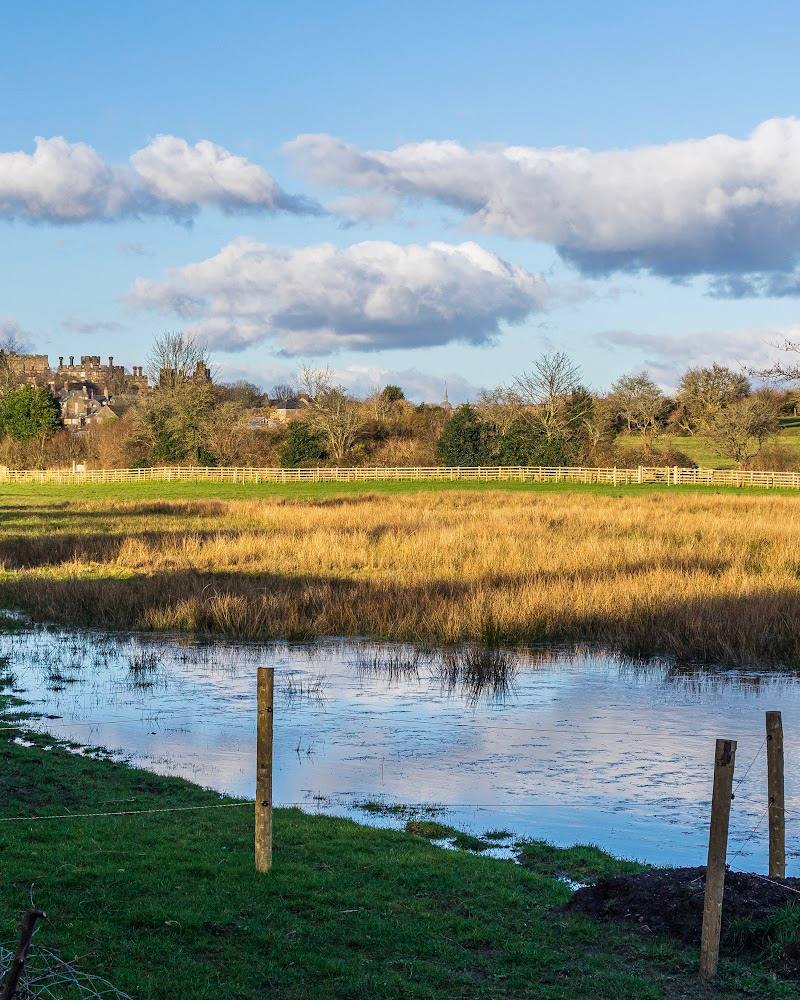
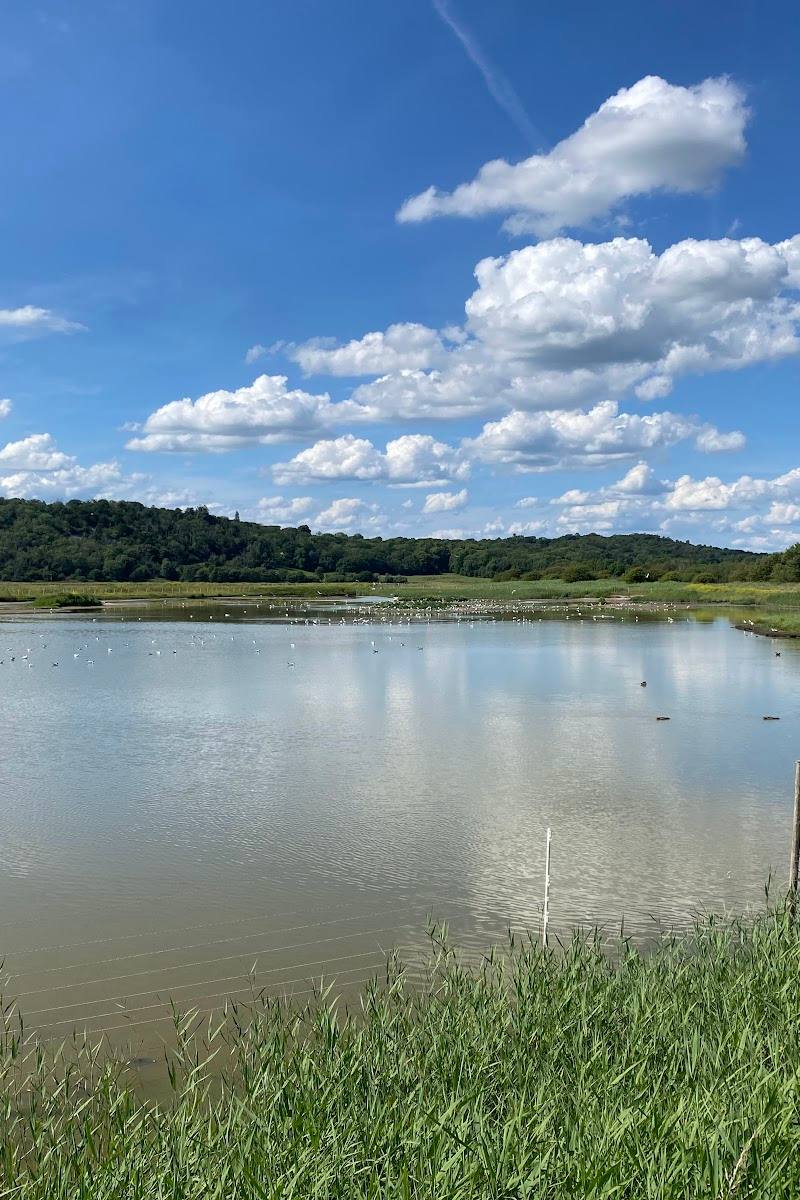
5.4This former industrial site, unused for around 40 years, is being reclaimed by nature. Scrub, fen and grassland now weave around peaceful pools, supporting breeding and wintering birds, orchids, dragonflies and great crested newts.
A compact reserve with an unusually rich wetland story: former industrial ground has become a mosaic of pools, fen, scrub and grassland, with seasonal orchids, dragonflies and specialist birds. Its value lies in patient wildlife-watching, not a long or demanding walk.
Peaceful
Find your way
Open mapMain Avenue, off Middleton Road, Middleton, Heysham, Lancashire, LA3 3PP
Opening map…
Know this place a little better?
The experience
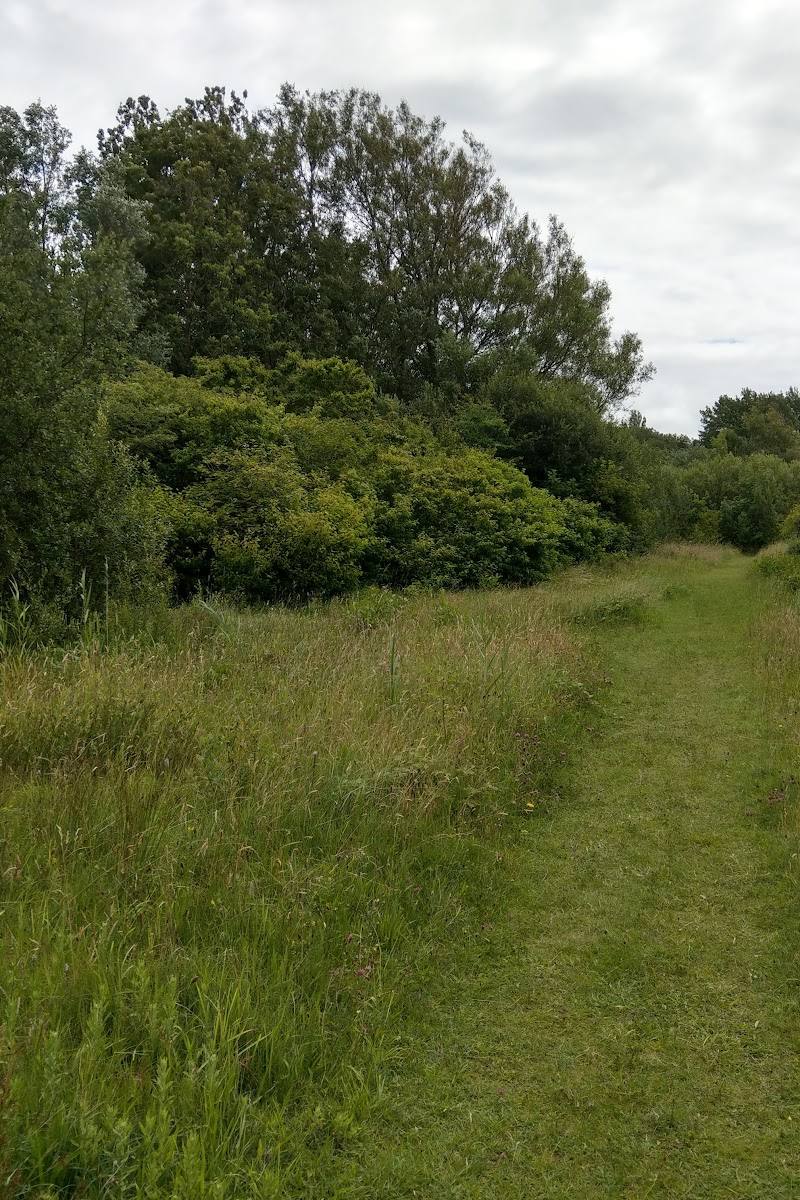
Follow the public footpaths around the main pool and, if suitable, explore the Community Woodland opposite the car park. Take time to watch and listen for birds and look for seasonal wetland plants and insects. Do not enter areas without public access.
Things to do
Walk the paths around the main pool
Follow the public footpaths from the car park around the pool and take time to scan the water and surrounding vegetation for wildlife.
About 1 hour
Explore the Community Woodland
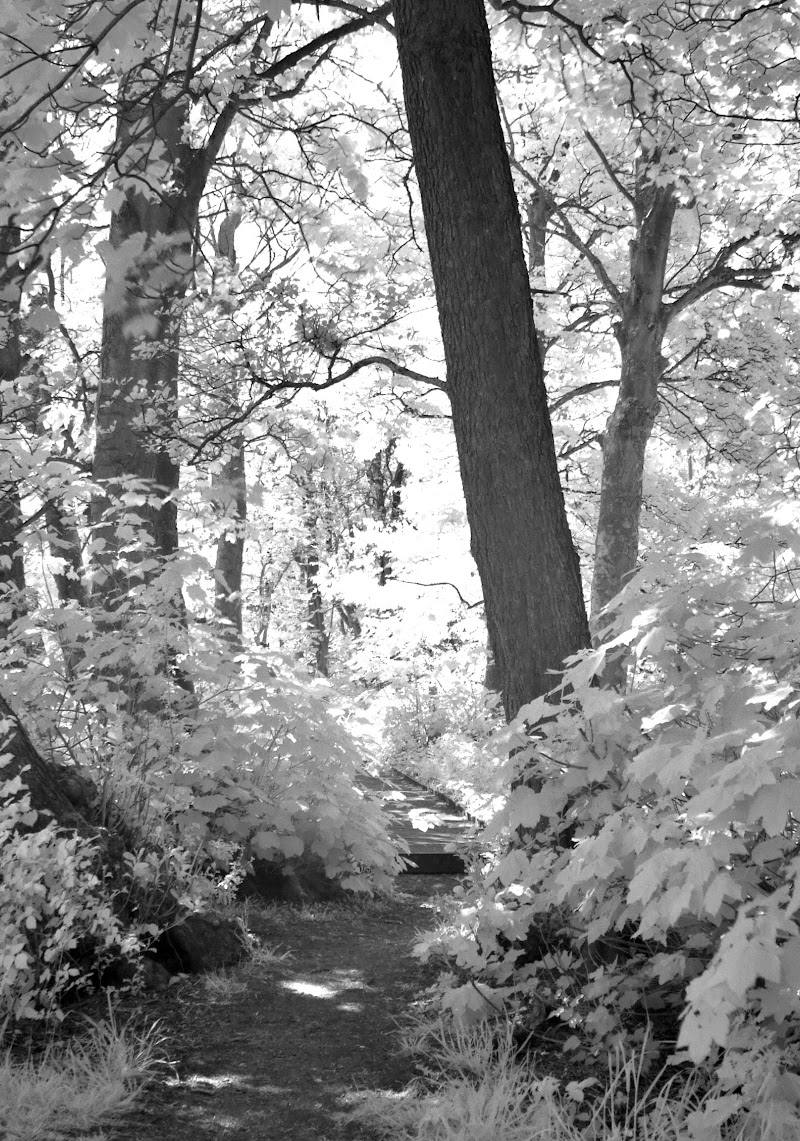
Visit the Community Woodland opposite the car park using its footpaths and bridleway. The Trust notes that this area has disabled-access footpaths.
Watch for summer dragonflies
In summer, look over the ponds and grasses for dragonflies, including red-veined darter, black-tailed skimmer and emperor dragonfly. Sightings are not guaranteed.
Look for wetland orchids
The reserve’s fen supports early marsh, southern marsh and northern marsh orchids; keep to paths and avoid disturbing plants.
Listen for birds in the vegetation
Spring and summer bring breeding birds including reed warblers and grasshopper warblers. The Trust also reports Cetti’s warblers at the reserve; listen for their loud bursts of song.
Look out for winter visitors
In winter, watch for overwintering species including short-eared owls and water rails. The Trust also notes that wheatears, whinchats and lesser redpolls may pass through on migration.
Make a day of it
Quick escape · About 1 hour
A loop by the main pool
- 01
Start from the small car park on Main Avenue.
- 02
Follow the public footpaths around the main pool.
- 03
Pause to watch and listen for birds, especially around the water and vegetation.
- 04
Return to the car park; do not continue into areas without public access.
Half day · Allow 1–2 hours
Pool paths and Community Woodland
- 01
Begin with the public footpaths around the main pool.
- 02
Cross to the Community Woodland opposite the car park, where the Trust describes footpaths and a bridleway.
- 03
Look for seasonal wetland plants and wildlife as you explore, keeping to public access areas.
- 04
Return to the car park.
Verified history
The reserve occupies a former industrial site that fell into disuse around 40 years before the Trust’s account. Nature has since reclaimed it as a mosaic of scrub, fen and grassland around pools. The Lancashire Wildlife Trust manages the reserve on behalf of Lancaster City Council; its wildlife and wildflowers have earned the site Biological Heritage Site status.
Hidden details
A former industrial site turned wetland — The pools, fen and grassland are part of a site that fell out of industrial use around 40 years ago and has since been reclaimed by nature.
A small reserve with a remarkable species list — The Trust records great crested newts, water shrews and more than 250 species of butterfly and moth at the reserve. These are recorded wildlife, not guaranteed sightings on a visit.
When to go
April · May · June · July · August · December · January · February · Choose a quiet period for patient wildlife-watching; the supplied source does not identify a best time of day.
Spring and summer are highlighted for breeding birds, orchids and dragonflies. Winter brings overwintering species including short-eared owls and water rails. The Trust lists the reserve as a year-round destination.
The supplied reserve information does not give specific weather advice. Check conditions before visiting and wear footwear suitable for footpaths.
What to look for
Look for orchids in the fen, dragonflies hunting over ponds and grasses in summer, and listen for reed warblers, grasshopper warblers and Cetti’s warblers. Great crested newts, water shrews and wintering birds are among the wildlife recorded at the reserve, but sightings are not guaranteed.
The story
Industry
Best time to go
Spring and summer for breeding birds, orchids and dragonflies; winter for visiting birds such as short-eared owls and water rails. The reserve is listed as a year-round destination.
Spring and summer are especially rewarding for breeding birds, marsh orchids and dragonflies. In winter, look for overwintering birds including short-eared owls and water rails. The reserve is listed as open year-round; check conditions before setting out.
How long to spend
1–2 hours
Perfect for
Wildlife lovers · Walkers · Photographers
Practical information
Opening & access
Footpaths give access around the main pool from the car park. The Community Woodland opposite the car park has disabled-access footpaths and a bridleway. There is no public access elsewhere on the reserve; stay on public access areas and check current conditions before visiting.
Check before visiting
Parking
The Lancashire Wildlife Trust lists a small car park on Main Avenue. Check availability before travelling.
Check before visiting
Toilets
Check before visiting; the supplied source does not confirm toilet provision.
Check before visiting
Food & drink
Check before visiting; no on-site food provision is confirmed.
Check before visiting
Dogs
Dogs are permitted only in public access areas. Keep to those areas and check current guidance before visiting.
Check before visiting
Accessibility
Footpaths around the main pool start from the car park. The Community Woodland opposite has disabled-access footpaths and a bridleway. Conditions and suitability for individual mobility needs are not detailed; check before visiting.
Check before visiting
Cost
Check before visiting
Check before visiting
Water
Pond
Gallery
Place photographsKeep exploring
Around Middleton Nature Reserve
Within 50 km · approximate straight-line distances