Eastwood Avenue, March, Cambridgeshire, PE15 9DN
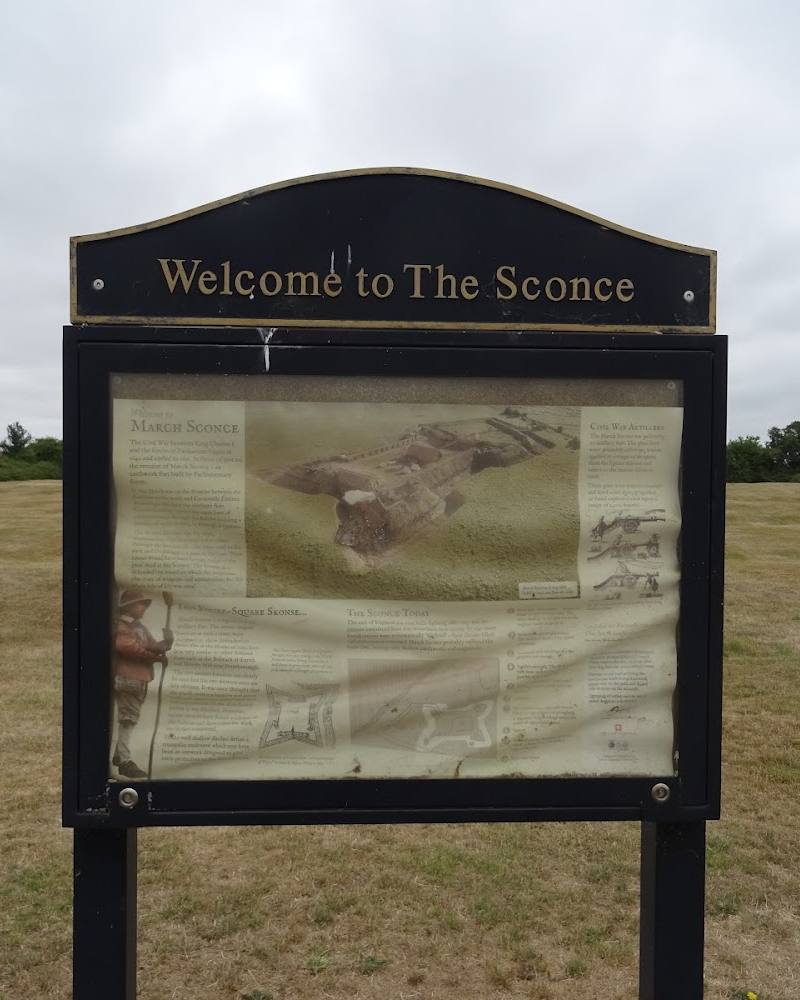
March Sconce
Earthworks
Source image
3.5
Wildland
Under 1 hour
Time
Check
Cost
Atmospheric
Feel
Why it's Wildland
3.5A low earthwork in March preserves the outline of a Civil War fortification built to help defend the fenland frontier.
March Sconce is a modest, easily overlooked earthwork rather than a grand ruin. Its interest lies in reading a rare surviving Civil War fieldwork in its fenland setting and imagining the defensive network it belonged to. Access to the monument itself is unconfirmed, so check before making a visit.
Atmospheric
Find your way
Open mapEastwood Avenue, March, Cambridgeshire, PE15 9DN
Opening map…
Know this place a little better?
The experience
A short, history-led stop for visitors interested in earthworks and the Civil War. The monument’s setting and public access are not sufficiently documented to recommend a route or extended visit.
Things to do
Look for the sconce’s rectangular platform
Historic England describes a low platform aligned east–west, approximately 60 metres long and 35 metres wide. Viewing or entering the site is subject to access being confirmed.
Under 1 hour
Picture the Civil War defences
The sconce is identified as a fieldwork from the English Civil War. Historic England explains that fieldworks used banks and ditches for protection or gun positions; the March example formed part of a wider regional defensive strategy.
Notice the earlier landscape beneath it
Historic England records medieval cultivation earthworks overlain by the sconce, evidence of earlier farming and successive use of the site.
Make a day of it
Quick escape · Under 1 hour, if access is confirmed
Read the earthwork
- 01
Check access arrangements before setting out; the available sources do not confirm public entry.
- 02
If access is permitted, look for the low rectangular platform described by Historic England.
- 03
Consider how the fortification overlies earlier cultivation earthworks.
Verified history
March Sconce is a scheduled monument described by Historic England as an English Civil War fieldwork. The listing states that the surviving earthwork preserves evidence of its design and construction and that its form reflects continental military ideas adapted to English conditions. Its position relates to the defence of the fenland frontier of the Eastern Association. The monument also overlies medieval cultivation earthworks, evidence of an earlier farming landscape. Historic England records the site as first listed on 14 January 1972, with an amendment dated 3 January 1997.
Hidden details
Earlier cultivation earthworks — Medieval cultivation earthworks are recorded beneath the sconce, showing that the site was used before the Civil War fortification was built.
Buried archaeological evidence — Historic England says the platform and surrounding ditch are expected to preserve buried evidence, including remains associated with temporary structures and artefacts. These are archaeological remains, not features to excavate or disturb.
When to go
· No source-supported preferred time.
The available sources give no seasonal visiting guidance.
Check local conditions and access arrangements before visiting.
What to look for
- 01
Historic England describes a low rectangular platform, about 60 by 35 metres, aligned east–west. It also notes earlier medieval cultivation earthworks overlain by the fortification
- 02
some archaeological remains survive buried below ground.
The story
English Civil War fieldworks; medieval cultivation earthworks
Best time to go
No season-specific advantage is established by the available sources.
No preferred time of day is established by the available sources.
How long to spend
Under 1 hour
Perfect for
History lovers
Before you go
Address
Website
Listed hours
- Monday: Open 24 hours
- Tuesday: Open 24 hours
- Wednesday: Open 24 hours
- Thursday: Open 24 hours
- Friday: Open 24 hours
- Saturday: Open 24 hours
- Sunday: Open 24 hours
Check before visiting.
Google rating
Practical information
Opening & access
The monument is identified as a field in the Town End area, south of Eastwood Avenue. Public access to the earthworks is not confirmed; check before visiting and do not enter private land or restricted areas. Access arrangements are unconfirmed. Check before visiting; do not enter private land or restricted structures.
Check before visiting
Parking
Check before visiting.
Check before visiting
Toilets
Check before visiting.
Check before visiting
Food & drink
Check before visiting.
Check before visiting
Dogs
Check before visiting.
Check before visiting
Accessibility
Surface, terrain and step-free access are not established. Access to the monument is unconfirmed; check before visiting.
Check before visiting
Cost
Check before visiting
Check before visiting
Water
None evidenced
Gallery
Place photographsKeep exploring
Around March Sconce
Within 50 km · approximate straight-line distances
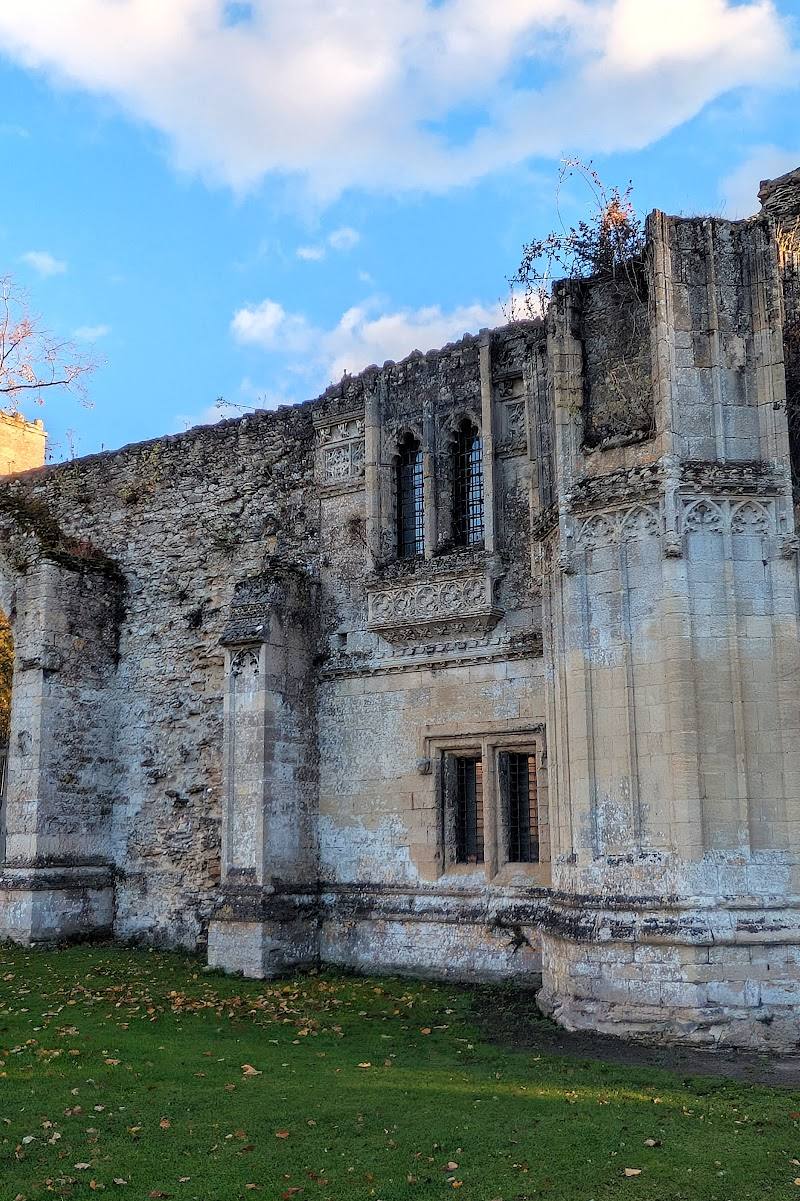 Place photograph6.4
Ramsey Abbey Gatehouse
Abbey School, Ramsey, Huntingdon, Cambridgeshire PE26 1DH
16.8 km away
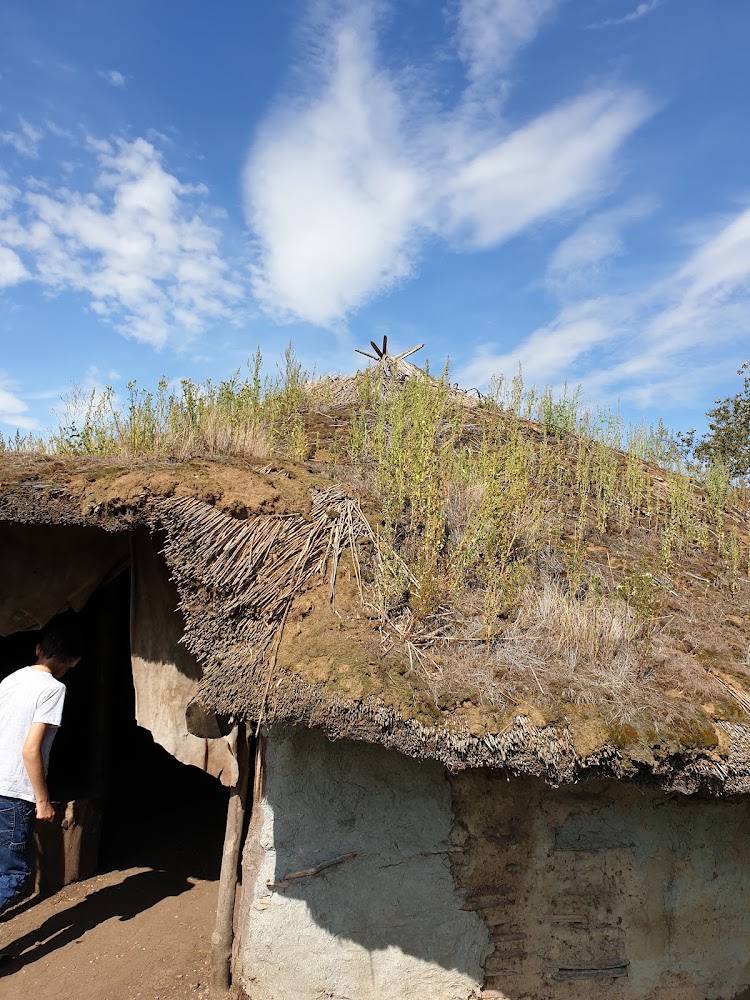 Source image6.5
Flag Fen Archaeology Park
The Droveway, Northey Road, Peterborough PE6 7QJ
19.5 km away
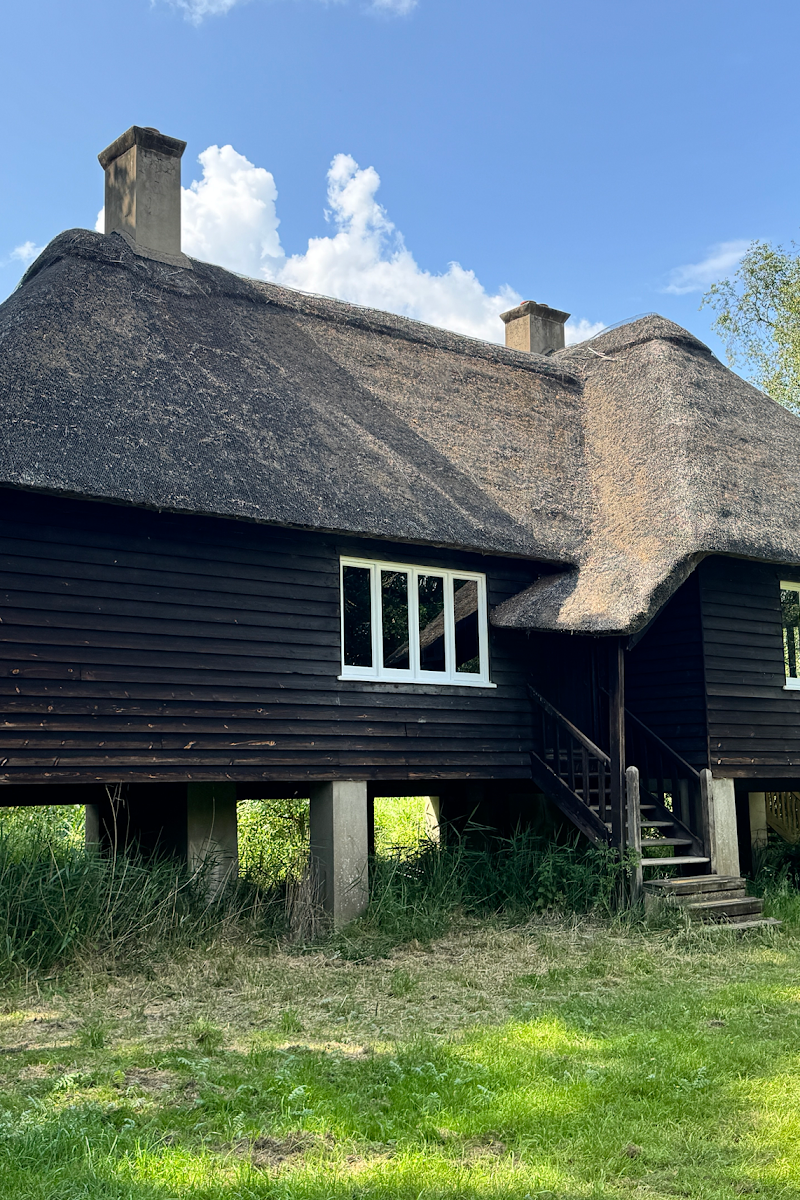 Place photograph6.4
Great Fen
Wildlife Trust Countryside Centre, Chapel Road, Ramsey, Huntingdon PE26 2RS
20.7 km away