Near Harwich, Essex, England
Hamford Water National Nature Reserve
Coastal reserve
Place photograph
5.7
Wildland
1–2 hours
Time
Check
Cost
Big-sky
Feel
Why it's Wildland
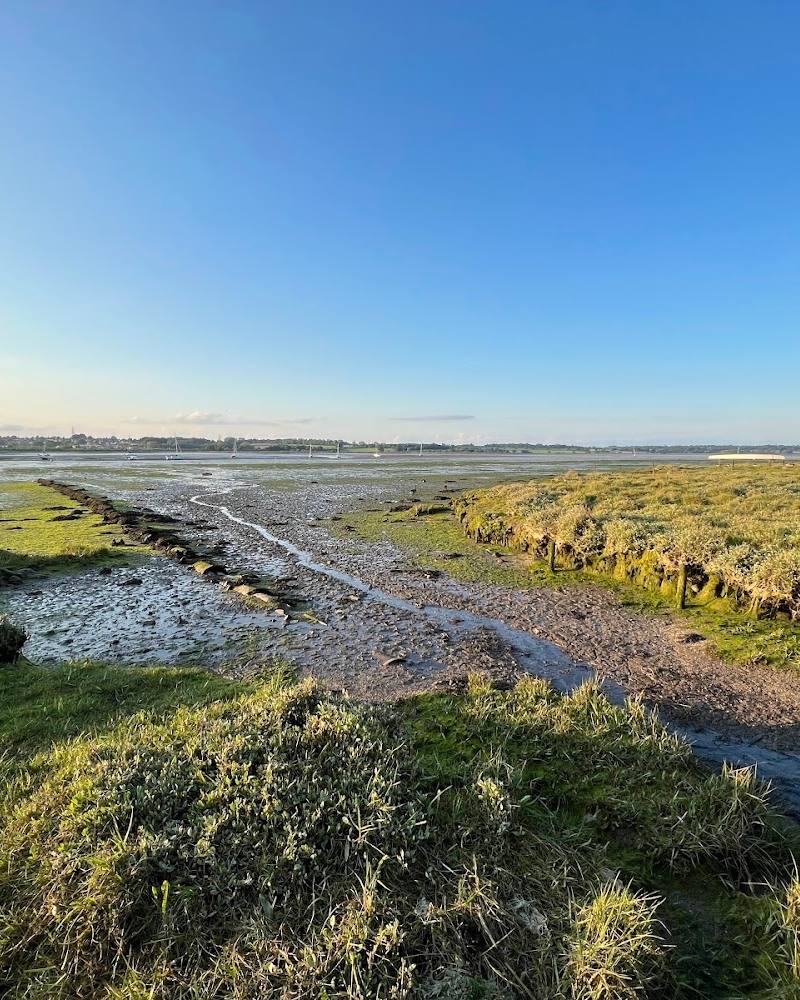
5.7A broad, shallow coastal embayment of mudflats, saltmarsh and tidal creeks, Hamford Water is especially compelling in winter, when large numbers of birds gather on its sheltered shores.
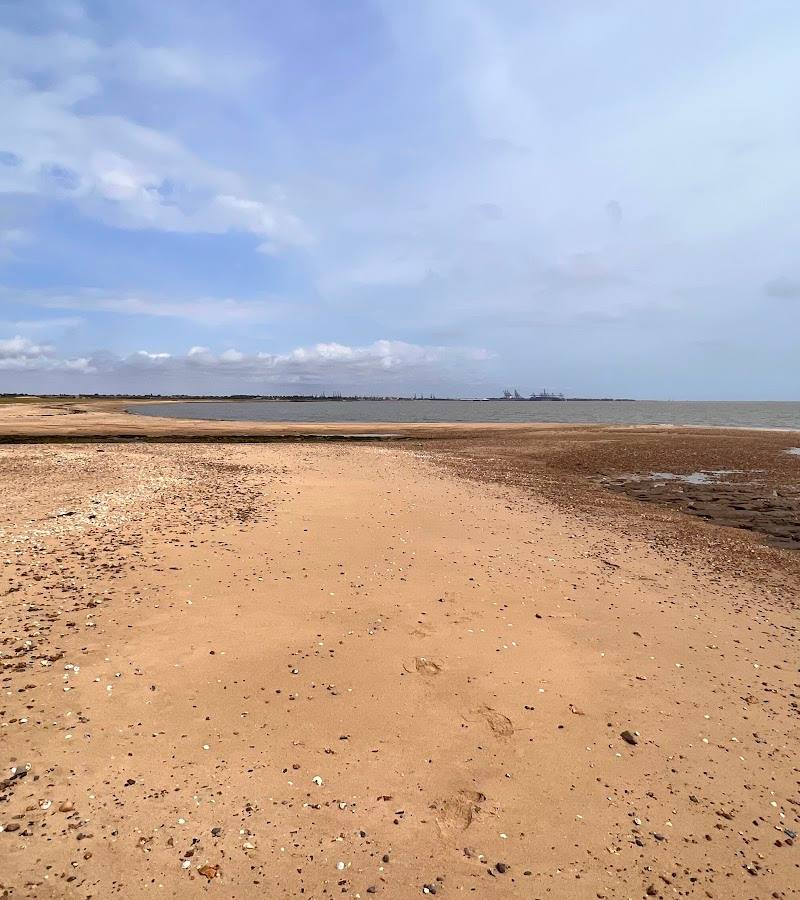
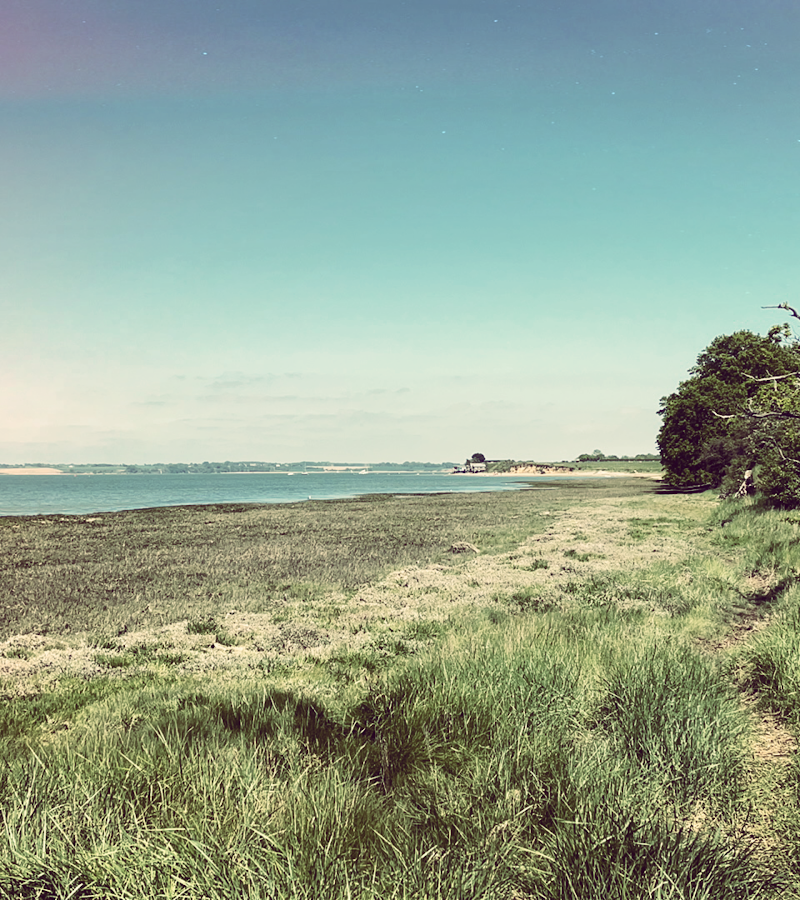
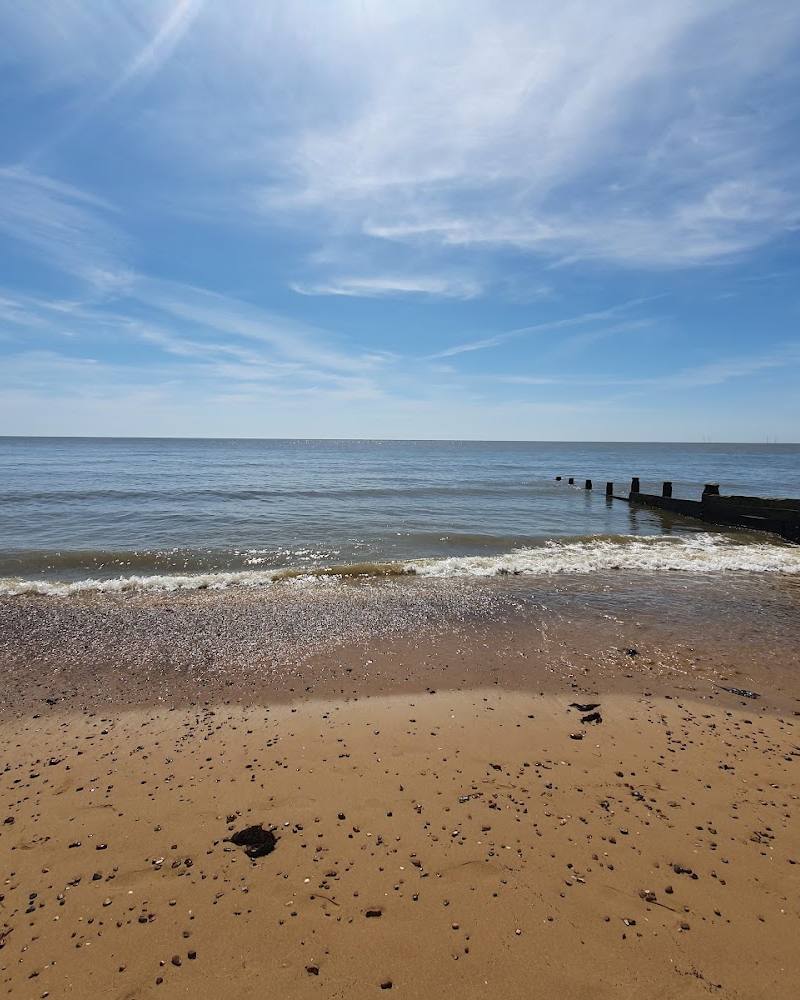
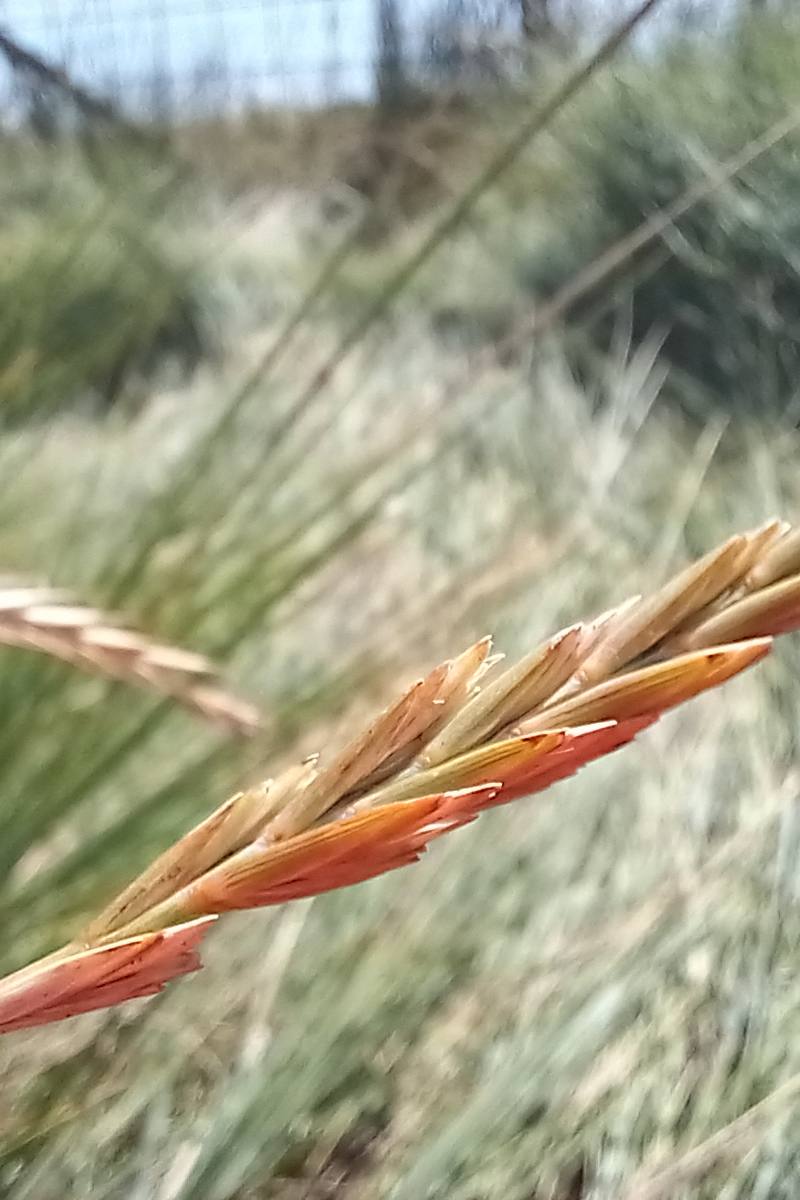
The reserve brings together saltmarsh, mudflats and coastal grassland in a landscape shaped by the tide. Its wintering birds, breeding little terns and avocets, rare sea hog’s fennel and possible seal sightings give it real natural interest beyond a simple waterside stroll.
Big-sky · Wild · Peaceful
Find your way
Open mapNear Harwich, Essex, England
Opening map…
Know this place a little better?
The experience
A nature-focused visit centred on coastal paths and wildlife watching. The supplied sources describe public footpaths in the wider area, but do not establish a specific route through the reserve or its facilities.
Things to do
Look for wintering birds
Watch the mudflats and marsh for dark-bellied Brent geese, black-tailed godwits, redshank, ringed and grey plovers, and shelduck.
Allow time to watch and scan the shoreline
Watch for breeding coastal birds
The reserve supports nationally important colonies of little tern and avocet. Observe from permitted paths and keep a respectful distance.
Scan the shoreline for seals
Common and grey seals are among the wildlife visitors may spot in the reserve.
Make a day of it
Quick escape · 1–2 hours
Watch the estuary wildlife
- 01
Check current access and tide conditions before travelling.
- 02
Use a public footpath in the wider Hamford Water area, where paths are described as following the sea wall.
- 03
Pause to scan the mudflats and saltmarsh for wintering birds; watch the shoreline for seals.
Verified history
The supplied sources provide natural-history information but no verified historical account of the reserve.
Hidden details
Sea hog’s fennel on the coastal grassland — The grasslands above the saltmarsh support sea hog’s fennel, identified by the source as one of Britain’s rarest plants.
When to go
October · November · December · January · February · Choose a time when you can pause and scan the shoreline; no specific time of day is confirmed by the sources.
The reserve is known for large populations of overwintering birds from autumn through winter. Little terns and avocets breed at the site, though exact seasonal dates are not supplied.
This is an exposed coastal setting. Check the forecast, tide and current access conditions before visiting; the sources do not provide reserve-specific safety or weather guidance.
What to look for
Scan the mudflats and saltmarsh for dark-bellied Brent geese, black-tailed godwits, redshank, ringed and grey plovers, and shelduck. In the breeding season, the reserve supports little tern and avocet colonies. Look for sea hog’s fennel in the coastal grasslands and watch the shoreline for common and grey seals.
Best time to go
October–February for wintering birds; spring and summer for breeding birds and coastal grassland interest.
For wintering birds, visit between October and February and allow time to watch the mudflats and marshes. Check tide, weather and access conditions before travelling.
How long to spend
1–2 hours
Perfect for
Wildlife lovers · Birdwatchers · Walkers · Photographers
Before you go
Address
Website
Listed hours
- Monday: Open 24 hours
- Tuesday: Open 24 hours
- Wednesday: Open 24 hours
- Thursday: Open 24 hours
- Friday: Open 24 hours
- Saturday: Open 24 hours
- Sunday: Open 24 hours
Check before visiting.
Google rating
Practical information
Opening & access
The supplied sources describe public footpaths along the sea wall in the wider reserve area, but do not confirm access details for every part of the reserve. Check current access and local conditions before setting out; do not enter restricted areas. Access arrangements are unconfirmed. Check before visiting; do not enter private land or restricted structures.
Check before visiting
Parking
Parking information is not confirmed in the supplied sources. Check before visiting.
Check before visiting
Toilets
Check before visiting.
Check before visiting
Food & drink
Check before visiting.
Check before visiting
Dogs
Check current reserve guidance before visiting with a dog, particularly during the bird-breeding season.
Check before visiting
Accessibility
Routes in the wider area are described as predominantly flat, with paths often following sea walls. Surface, step-free access and conditions at this reserve are not confirmed; check before visiting.
Check before visiting
Cost
Check before visiting
Check before visiting
Water
Estuary, mudflats and saltmarsh; no swimming or paddling permission is established.
Gallery
Place photographsKeep exploring
Around Hamford Water National Nature Reserve
Within 50 km · approximate straight-line distances