Wrabness, Manningtree, Essex CO11 2TD
Wrabness Nature Reserve
Mixed-habitat reserve
Source image
6.9
Wildland
1–2 hours
Time
Check
Cost
Peaceful
Feel
Why it's Wildland
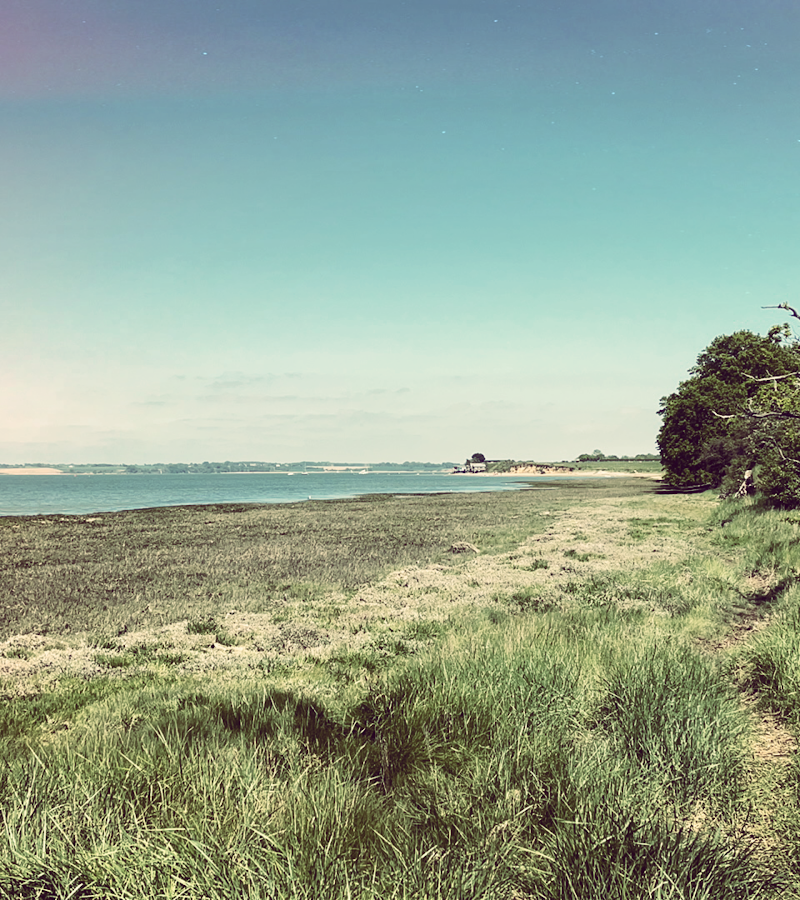
6.9A 28-hectare reserve on the Stour Estuary, where open estuary views meet grassland and scrub—and turtle doves and nightingales make the changing seasons audible as well as visible.
Wrabness earns its place through more than a waterside walk: Essex Wildlife Trust describes birdlife in every month, with turtle doves heard from late April and nightingales singing in May. Bird hides, paths beside the river edge and big views over the Stour give a visit a clear wildlife focus.
Peaceful · Big-sky · Wild
Find your way
Open mapWrabness, Manningtree, Essex CO11 2TD
Opening map…
Know this place a little better?
The experience
Follow a section of the reserve’s paths, pause at a bird hide and take in the estuary views. Allow time to watch and listen; the wildlife changes through the year. Check access details before setting out, particularly if you need wheelchair access.
Things to do
Watch from a bird hide
Use one of the reserve’s bird hides to watch for wildlife across its habitats. Bring binoculars if you have them; specific species sightings are not guaranteed.
Listen for turtle doves
From late April, listen in the dense shrubbery for the turtle dove’s distinctive ‘turring’ call.
Listen for nightingales
In May, pause in the reserve and listen for nightingale song in the scrub.
Walk beside the Stour
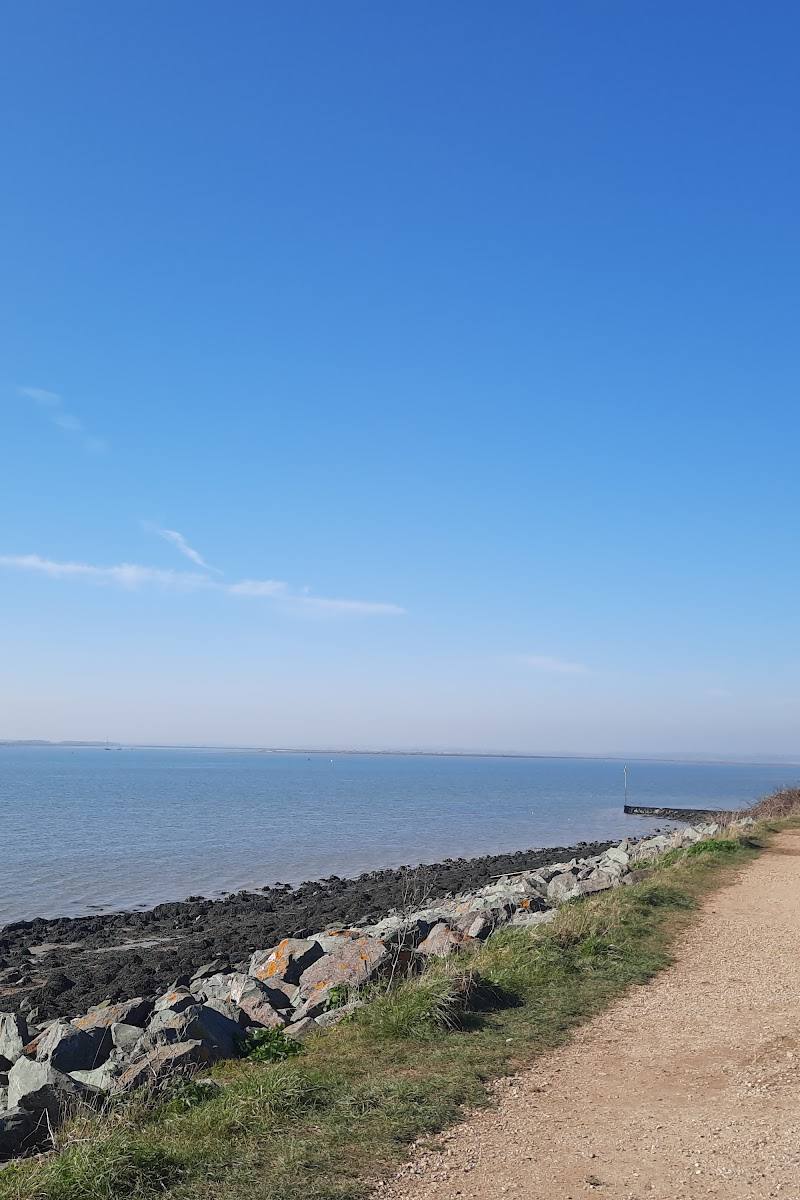
Follow sections of the reserve’s paths along the river edge and take in views over the Stour Estuary.
Make a day of it
Quick escape · Under 1 hour
A short estuary-and-bird-hide visit
- 01
Enter via the reserve entrance and follow a section of the reserve paths.
- 02
Pause at a bird hide and watch the grassland and scrub for bird activity.
- 03
Finish with a look across the Stour Estuary from the paths.
Half day · 1–2 hours
Take your time around the reserve
- 01
Explore the reserve paths, choosing sections that take in the river edge.
- 02
Spend time at the bird hides rather than treating them as quick stops.
- 03
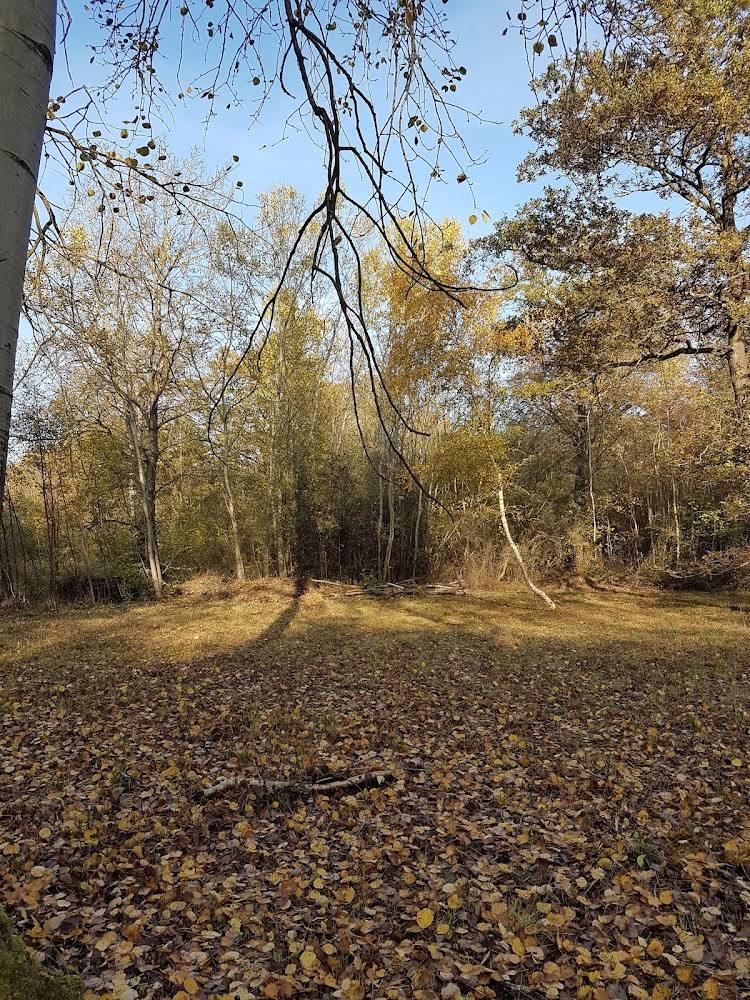
Look and listen across the grassland and scrub; in late April listen for turtle doves, and in May for nightingales.
- 04
Check current access details before visiting; wheelchair users need a Radar NKS Key for the gate onto the hard-surfaced path.
Hidden details
The turtle dove’s late-April return — Essex Wildlife Trust notes that rare turtle doves can first be heard towards the end of April, calling from dense shrubbery. Listen for the sound rather than expecting an easy sighting.
Nightingale song in May — The reserve’s dense scrub offers a place to listen for nightingales, whose song Essex Wildlife Trust says can be heard clearly in May.
A gate-key detail for wheelchair access — The hard-surfaced path is described as accessible, but wheelchair users need a Radar NKS Key to open a gate to reach it. Check arrangements before travelling.
When to go
April · May · June · July · August · September · October · November · December · January · February · March · No specific time of day is established by the supplied evidence. Check current conditions before visiting.
Essex Wildlife Trust recommends the reserve all year. Late April brings the first turtle dove calls and May is a notable month for nightingale song; grazing animals are present in specified seasonal periods.
Weather-specific advice is not available in the supplied evidence. Check conditions before visiting and be prepared for outdoor paths.
What to look for
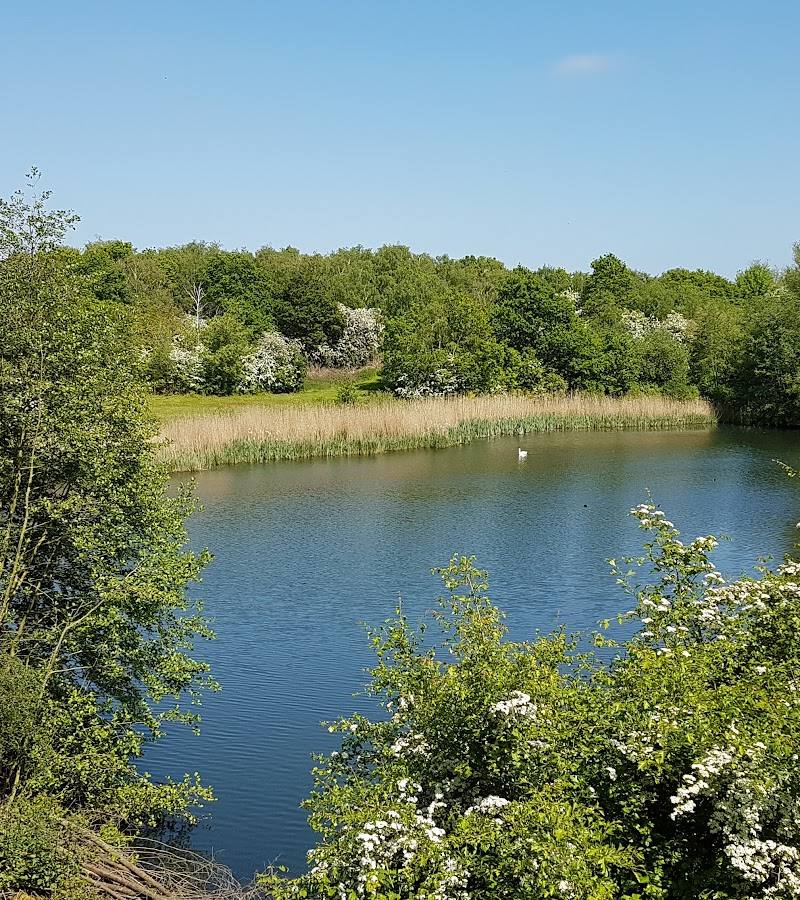
Listen for turtle doves in dense shrubbery from late April and nightingales in May. Scan the short grass for barn owls and occasional short-eared owls, and look out across the Stour Estuary from the reserve paths.
Best time to go
All year; late April and May are particularly rewarding for turtle dove and nightingale activity.
Late April for the first turtle dove calls; May for nightingale song. Essex Wildlife Trust lists the reserve as worth visiting all year.
How long to spend
1–2 hours
Perfect for
Walkers · Wildlife lovers · Photographers · Families
Before you go
Address
Website
Listed hours
- Monday: Open 24 hours
- Tuesday: Open 24 hours
- Wednesday: Open 24 hours
- Thursday: Open 24 hours
- Friday: Open 24 hours
- Saturday: Open 24 hours
- Sunday: Open 24 hours
Check before visiting.
Google rating
Practical information
Opening & access
Essex Wildlife Trust says the reserve is accessible at all times. A hard-surfaced path runs around the reserve; wheelchair users need a Radar NKS Key to open the gate onto it. Check current access information before visiting.
Check before visiting
Parking
Essex Wildlife Trust reports a car park at the reserve entrance. Height barrier: 2.1m.
Toilets
Check before visiting
Check before visiting
Food & drink
Check before visiting
Check before visiting
Dogs
Dogs should be on leads and under effective control, according to Essex Wildlife Trust.
Accessibility
A hard-surfaced path runs around the reserve and is described as suitable for pushchairs. Wheelchair users need a Radar NKS Key to open the gate onto the path; check access arrangements before travelling.
Check before visiting
Cost
Check before visiting
Check before visiting
Water
Stour Estuary; paths include sections along the river edge. Swimming and paddling permission are not established.
Gallery
Place photographsKeep exploring
Around Wrabness Nature Reserve
Within 50 km · approximate straight-line distances