6.8
Wildland
Under 1 hour
Time
Check
Cost
Peaceful
Feel
Why it's Wildland
6.8Clay soils that drain slowly helped protect this woodland from development. Coppicing has shaped its trees for generations, and some have been growing since at least the 1600s.
Wolves Wood is more than a pleasant woodland loop: its ancient woodland, traditional coppice and deliberately varied habitats give you a tangible sense of how people and wildlife have shaped this corner of Suffolk.
Peaceful · Ancient-feeling
Find your way
Open mapA1071, near Hadleigh, Suffolk
Opening map…
Know this place a little better?
The experience
Follow the one-mile nature-trail loop and take time to notice how the woodland changes between coppiced growth, mature trees and managed clearings. Watch and listen for birds, wildflowers and butterflies; expect muddy, uneven paths.
Things to do
Walk the one-mile nature trail
Follow the reserve’s nature-trail loop through the woodland. The route is described as one mile and takes around half an hour; allow longer for pauses and muddy conditions.
Around 30 minutes
Look for the woodland’s changing coppice growth
RSPB continues traditional coppicing here. Look for differences in growth across the wood, including the areas managed at different stages.
Watch and listen for birds
RSPB identifies Dunnocks, Blackcaps and other warblers among the nesting birds. Birdlife is present year-round, according to the supplied reserve information.
Notice the managed clearings
Some areas are mown to support butterflies and other insects. Look for the contrast between these open patches and the thicker woodland cover.
Make a day of it
Quick escape · Around 30 minutes walking
The woodland loop
- 01
Start from the reserve car park and follow the one-mile nature-trail loop.
- 02
Take your time through the woodland, looking for changes in coppice growth and listening for birds.
- 03
Allow extra time if the ground is muddy or you want to pause for wildlife.
Verified history
Wolves Wood is one of seven ancient woodland areas that once covered East Anglia. Its slowly draining clay soils helped deter development. Local people coppiced trees for firewood rather than clearing the woodland entirely; RSPB says many trees have been growing since at least the 1600s. Current management continues traditional coppicing, mows selected areas for butterflies and insects, and reverses some former drainage to help retain water.
Hidden details
Clay soils helped preserve the wood — The reserve’s slowly draining clay soils are part of its story: RSPB says landowners chose not to develop the area, leaving woodland to grow.
A working history of coppicing — Coppicing was used to obtain firewood without cutting trees down entirely. RSPB still uses traditional coppicing as part of reserve management.
Two raised bridges cross wet ditches — The route includes two raised bridges with handrails. RSPB warns that they may not be passable by all users.
When to go
April · May · June · July · No particular time of day is evidenced; check current reserve and car-park hours before visiting.
Spring and summer are supported by the reserve’s information on nesting birds, wildflowers, butterflies and other insects. The supplied sources also describe birdlife throughout the year.
The ground is flat but often wet and muddy, and paths may be uneven. Wear suitable footwear and check conditions before setting out.
The route
- stiles
- No gates or stiles.
- surface
- Nature trails; surface material not specified. Uneven in places and wet or muddy for much of the year.
- distance
- 1 mile
- duration
- Around 30 minutes
- difficulty
- Not specified; flat ground, with uneven and often wet or muddy paths.
- route shape
- Loop
- start point
- Wolves Wood reserve car park; the supplied coordinates identify the main place, not a verified entrance or parking pin.
- parking start
- RSPB lists 15 car spaces. Car park open daily 9am–6pm, or dusk if earlier; no coach space.
- Ancient woodland
- Traditional coppicing
- Birds, wildflowers and butterflies
- Two raised bridges over wet ditches
What to look for
Notice the different stages of coppice growth and the contrast between thick canopy and mown clearings. Look for wildflowers and butterflies, and listen for Dunnocks, Blackcaps and other warblers. RSPB says some trees have been growing since at least the 1600s.
The story
Ancient woodland and traditional coppicing
Best time to go
Year-round for woodland and birds; spring and summer bring nesting birds, wildflowers and active butterflies.
Visit in spring or summer for nesting birds, wildflowers and butterflies. The reserve is described as rewarding year-round for birdlife; check current conditions before setting out.
How long to spend
Under 1 hour
Perfect for
Walkers · Wildlife lovers · Photographers
Before you go
Address
Phone
Website
Listed hours
- Monday: 9am-6pm
- Tuesday: 9am-6pm
- Wednesday: 9am-6pm
- Thursday: 9am-6pm
- Friday: 9am-6pm
- Saturday: 9am-6pm
- Sunday: 9am-6pm
Check before visiting.
Google rating
Practical information
Opening & access
The reserve is open at all times. The car park is open daily 9am–6pm, or until dusk if earlier; check current details before travelling.
Check before visiting
Parking
RSPB lists 15 car spaces; no coach space. Car park hours are daily 9am–6pm, or dusk if earlier. No overnight parking or camping.
Toilets
No toilets on site. The nearest public toilets are in Hadleigh, 6km away.
Food & drink
Check before visiting
Check before visiting
Dogs
Dogs are not permitted, except assistance dogs.
Accessibility
The ground is flat but often wet and muddy; paths can be uneven. Two raised bridges over wet ditches have handrails and may not be passable by all visitors. No gates or stiles. The reserve is beside a fast A-road without a pavement.
Cost
Check before visiting
Check before visiting
Water
Wet ditches are noted on the reserve; no swimming or paddling permission is evidenced.
Gallery
Place photographs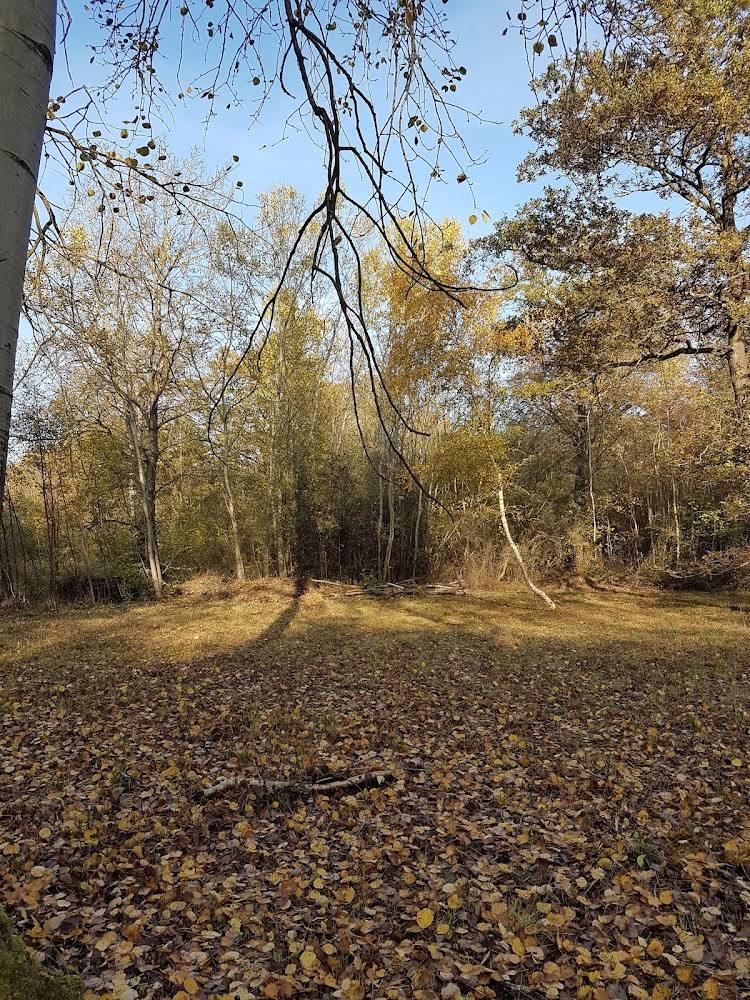
Keep exploring
Around RSPB Wolves Wood
Within 50 km · approximate straight-line distances
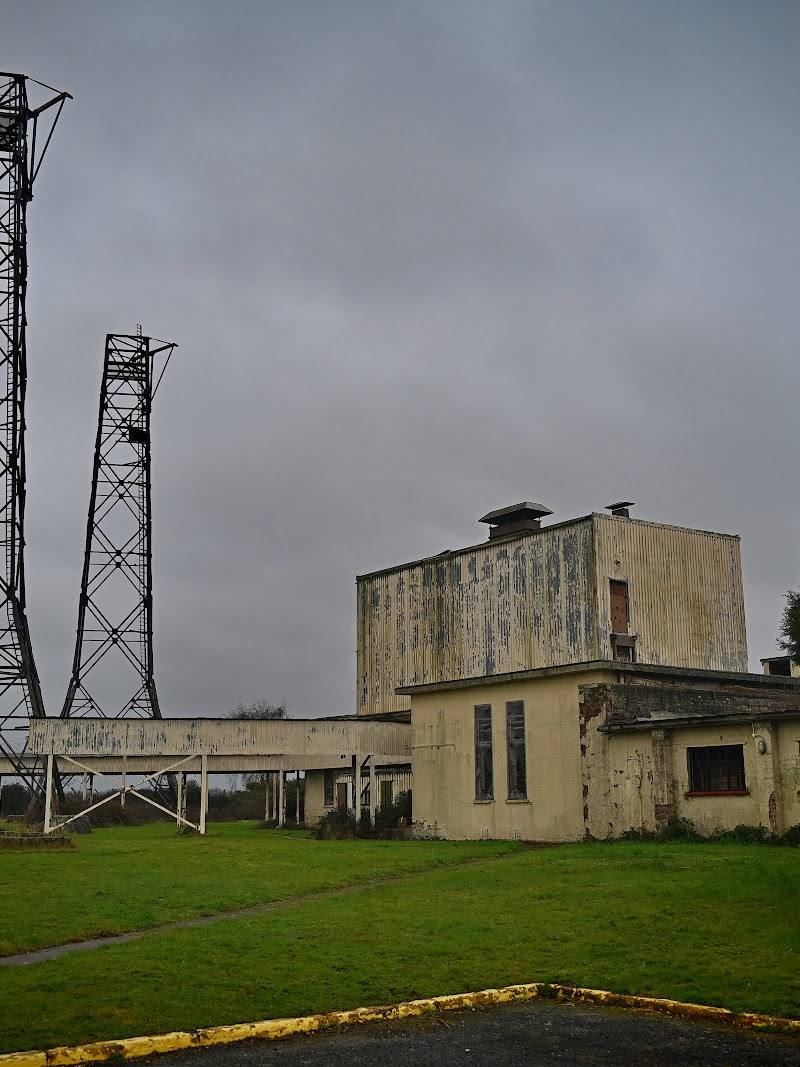 Place photograph6.3
Suffolk Aviation Heritage Museum
Foxhall Road, Kesgrave, Ipswich IP10 0AH
16.7 km away
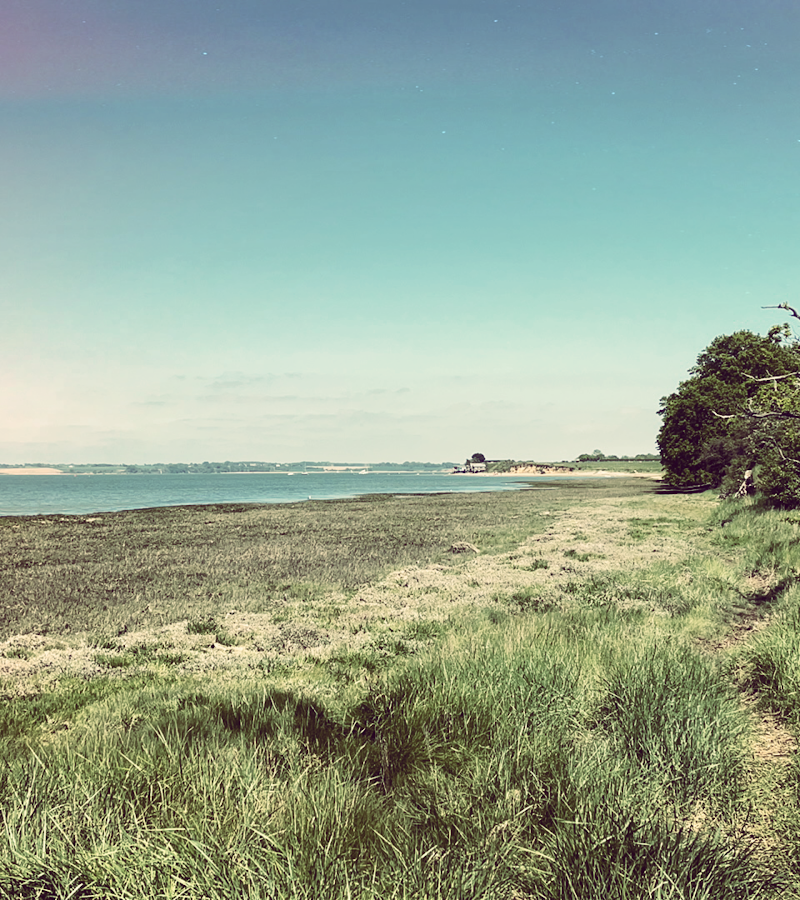
 Place photograph6.1
Martlesham Heath Aviation Society
Martlesham Heath, Martlesham, Ipswich IP5 3UZ
18.5 km away
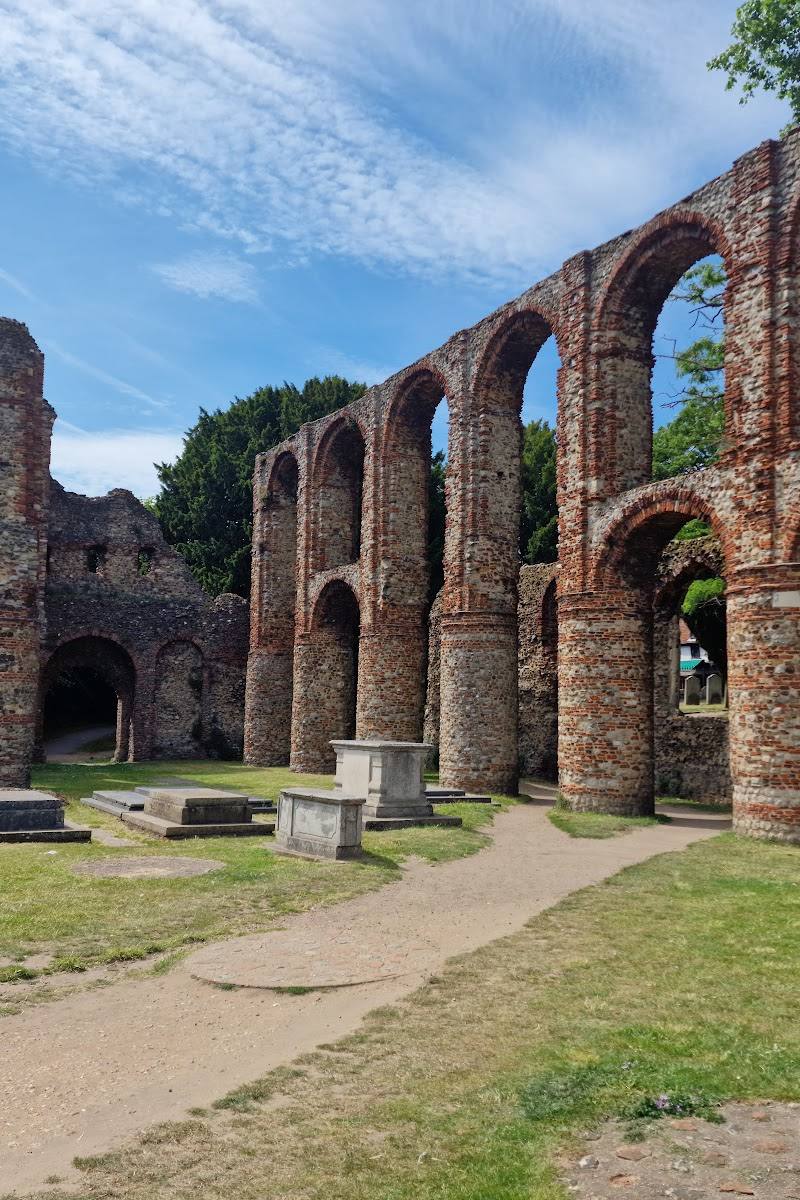 Place photograph6.8
St Botolph’s Priory
St Botolph’s Church Walk, Colchester, Essex CO2 7EE
19.8 km away