East Devon, Devon, south-west England
East Devon National Landscape
Mixed-habitat reserve
Place photograph
7.2
Wildland
Full day
Time
Check
Cost
Peaceful
Feel
Why it's Wildland
7.2Red cliffs meet the English Channel, while inland valleys, heathland and wetlands bring a striking change of scene. Along the Jurassic Coast, exposed rocks record around 185 million years of geological history.
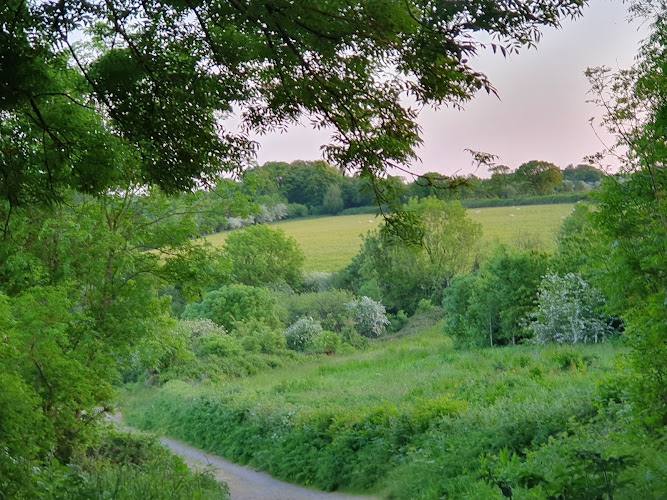
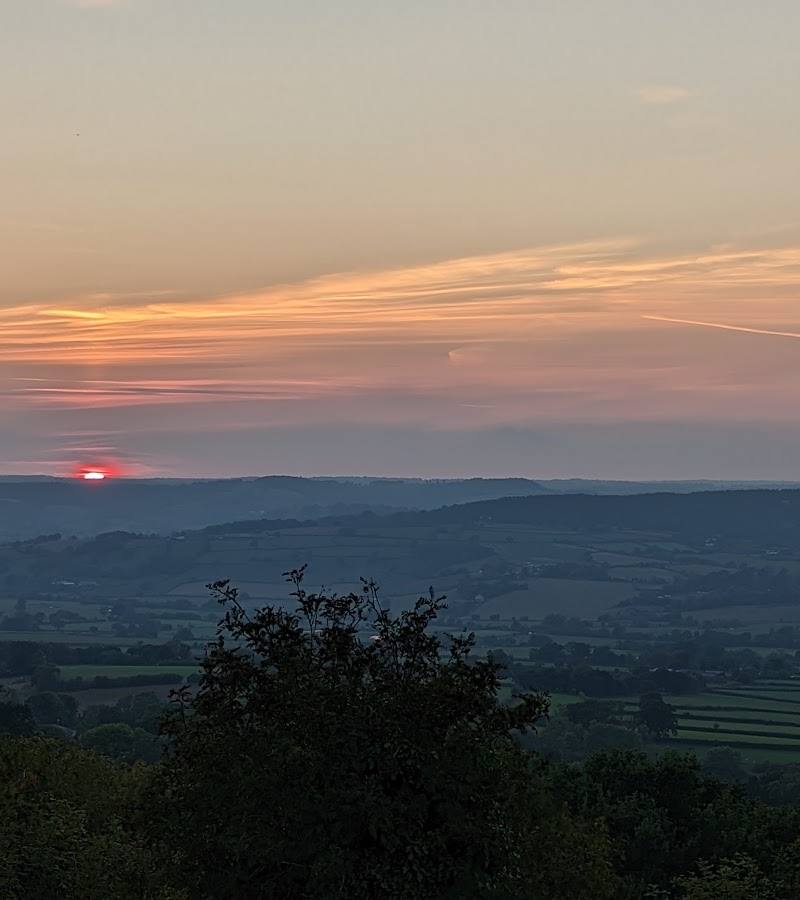
East Devon’s appeal is its variety: a coastal walk can take in dramatic cliffs and sea views, while inland routes lead through wooded valleys, heathland and countryside. The Jurassic Coast adds a visible geological story to a landscape made for exploring beyond a single viewpoint.
Peaceful · Dramatic · Big-sky · Wild
Find your way
Open mapEast Devon, Devon, south-west England
Opening map…
Know this place a little better?
The experience
Choose a coastal section for cliff-top views and geological interest, or seek out inland walks through the area’s varied habitats. This is a broad landscape, so choose a specific starting point and check its route and access details before travelling.
Things to do
Walk a section of the Jurassic Coast
Explore a suitable section of coastal path for cliff scenery and views over the English Channel. Check route conditions and access before setting out.
Look for changes in the coastal geology
Observe the exposed rock layers and formations along the Jurassic Coast, a visible record of around 185 million years of geological history. Follow local guidance on fossil collecting.
Explore a wetland or estuary habitat
Choose a locally accessible estuary or wetland site and watch for birdlife. Check site-specific access and any current restrictions before visiting.
Seek out a seasonal wildflower walk
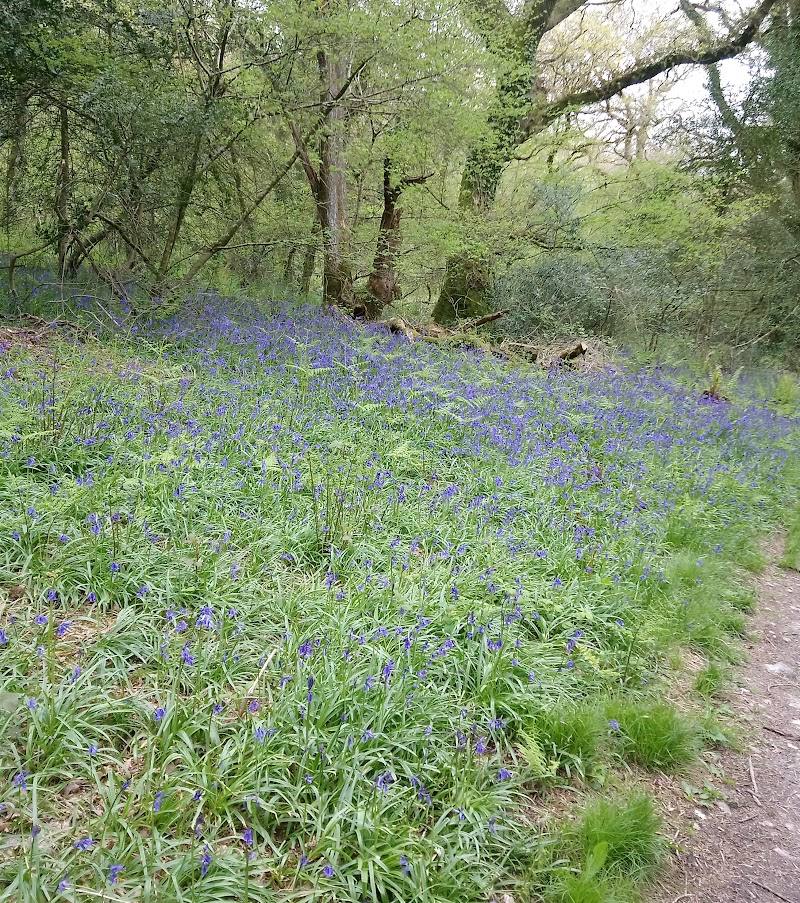
In late spring and summer, look for wildflowers along suitable paths and verges, taking care to leave plants undisturbed.
Make a day of it
Quick escape · 1–2 hours
A short coastal escape
- 01
Choose a coastal access point with current route information.
- 02
Walk a manageable section of the coastal path, taking in the cliff and sea views.
- 03
Pause to notice the exposed geology, then return by your chosen route.
Half day · Half day
Coast and countryside half day
- 01
Begin with a coastal walk in East Devon, checking the chosen route and access first.
- 02
Spend time observing the coast’s rock layers and geological formations.
- 03
If time and transport allow, choose a separate inland walk to experience the contrast with valleys, heathland or wetlands.
Verified history
The Jurassic Coast is a UNESCO World Heritage Site whose exposed rocks record around 185 million years of geological history. The supplied sources describe the area’s coastal geology, but do not provide a specific local historical event or dated story for the landscape as a whole.
Hidden details
A landscape of habitats, not just cliffs — The coast is only one part of the experience: the landscape also includes wooded valleys, heathland, estuary and wetland habitats. Consider an inland walk as well as a coastal one to see the contrast.
When to go
May · June · July · August · September · Choose a clear day for coastal views; visit early or outside peak periods if you prefer a quieter walk. Confirm local conditions before setting out.
The National Landscape’s seasonal guidance highlights summer wildflowers, butterflies, birds and coastal walks. The supplied source row also describes spring flowers and autumn colour, but these are broad seasonal suggestions rather than site-specific forecasts.
Coastal weather can change quickly. Check the forecast and local path conditions before walking; take suitable footwear and clothing.
Worth pairing with
Branscombe
A coastal village in a valley reaching down to the Jurassic Coast, listed by the National Landscape as a summer highlight. Check local access and facilities before visiting.
Budleigh Salterton and the Otter Estuary
The National Landscape highlights this coastal and estuary area, where the River Otter reaches the English Channel. Check current access and route details before planning a visit.
Aylesbeare Common
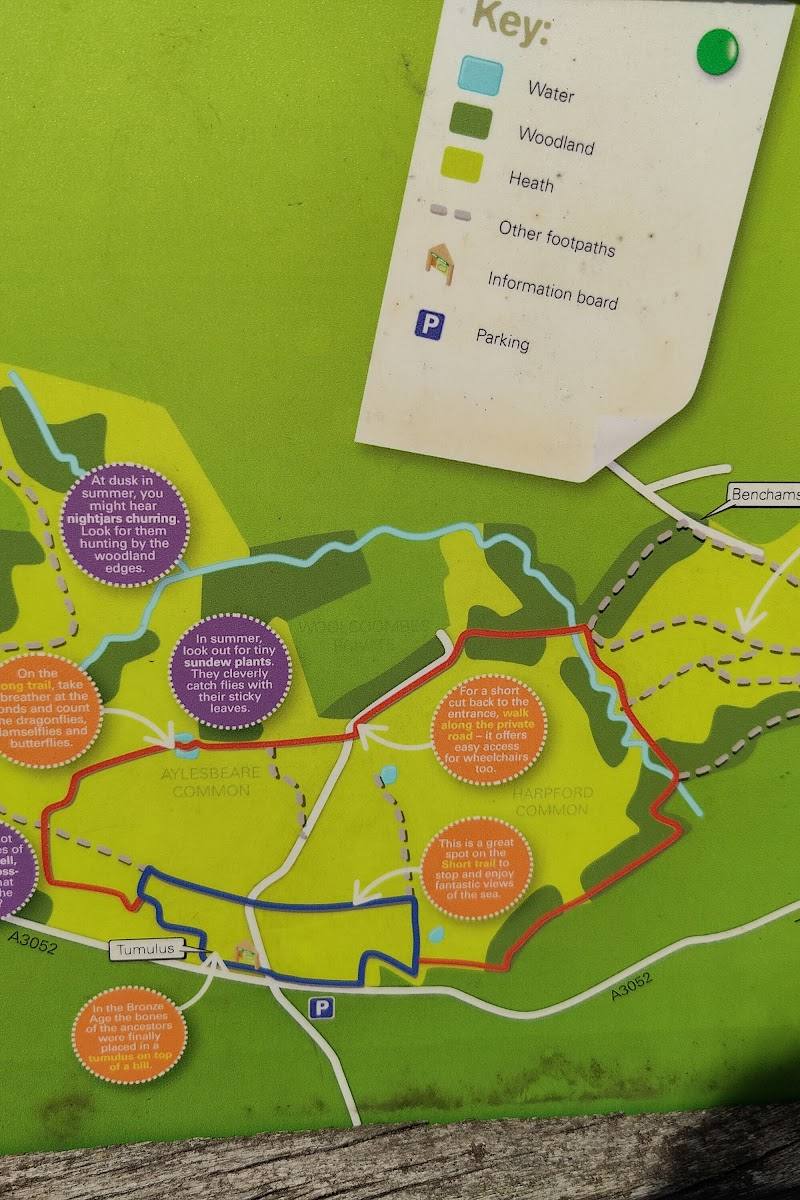
A National Landscape summer highlight associated with wildlife. Check site-specific access and seasonal information before visiting.
What to look for
- 01
Notice how the landscape changes between the red cliffs, coastal paths, wooded valleys, heathland and estuary wetlands. On the Jurassic Coast, look for exposed rock layers and geological formations
- 02
fossil collecting rules and conditions vary, so check local guidance.
The story
Archaeology
Best time to go
Late spring to summer for wildflowers, butterflies and long coastal walks; autumn and winter offer quieter visits and seasonal colour inland.
Late spring and summer bring wildflowers and butterflies, with longer days for coastal walks. For a quieter visit, consider autumn or winter and check the weather and local conditions before setting out.
How long to spend
Full day
Perfect for
Walkers · Photographers · Wildlife lovers · Families · Dogs · History lovers
Practical information
Opening & access
A large landscape with multiple places to explore rather than a single entrance. Access arrangements vary by location; check current local access information before setting out. Access arrangements are unconfirmed. Check before visiting; do not enter private land or restricted structures.
Check before visiting
Parking
The source row describes car parks near major attractions, sometimes with a fee, but does not verify locations or current arrangements. Check before visiting.
Check before visiting
Toilets
Check before visiting; facilities vary by location.
Check before visiting
Food & drink
Check before visiting; food options vary by location.
Check before visiting
Dogs
The source row describes the area as dog friendly, but rules may differ between sites. Check local restrictions before visiting.
Check before visiting
Accessibility
Access and path conditions vary across this extensive landscape. Do not assume a particular route or viewpoint is accessible; check local route information before visiting.
Check before visiting
Cost
Check before visiting
Check before visiting
Water
Sea, Estuary, River, Marsh
Gallery
Place photographsKeep exploring
Around East Devon National Landscape
Within 50 km · approximate straight-line distances