Near Axminster, East Devon
Trinity Hill Local Nature Reserve
Mixed-habitat reserve
Source image
7.1
Wildland
1–2 hours
Time
Free
Cost
Peaceful
Feel
Why it's Wildland
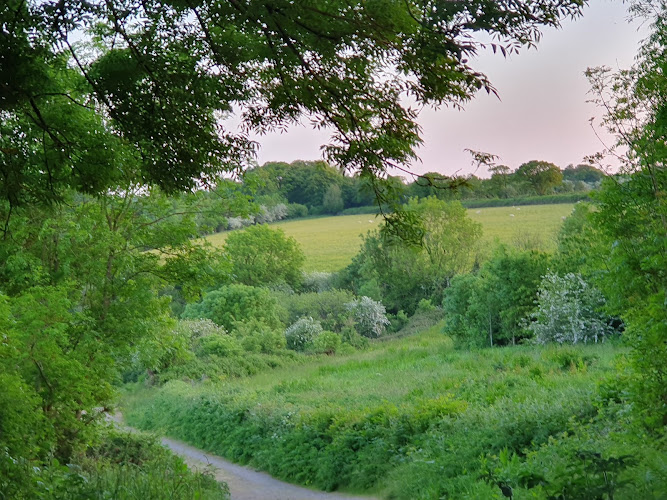
7.1Lowland heath on Axminster’s edge, where dusk can bring the distinctive churring of nightjars and the western paths open to views across the Axe Valley.
Trinity Hill earns its place for its restored lowland heath, wildlife-rich scrub and open views over the Axe Valley. Come to walk the footpaths, look for heather, lizards and heathland birds, or return after dark for its recognised stargazing skies.
Peaceful · Secluded · Wild · Big-sky
Find your way
Open mapNear Axminster, East Devon
Opening map…
The experience
Use the car park as a starting point for an unhurried exploration of the reserve’s footpaths. Look for the changing textures of heath and scrub, take in the westward valley views, and consider a clear-sky evening for stargazing. Path conditions are uneven in places.
Things to do
Explore the heathland footpaths
Use the network of footpaths to explore the lowland heath on both sides of Trinity Hill Road. Paths can be uneven in places.
1–2 hours
Look for native heathers and heathland wildlife
Watch for ling, bell heather and cross-leaved heather, and look out for common lizards on sunny sandy patches. Yellowhammers and linnets are among the birds recorded at the reserve.
Take in the Axe Valley view
The western side of the reserve has views across the Axe Valley towards Axminster.
Listen for nightjars at dusk
In summer, listen for the nightjar’s distinctive churring call as it hunts after dark. Keep to paths and avoid disturbing wildlife.
Stargaze under a clear sky
Trinity Hill was awarded Dark Skies Discovery Site status in 2015. Choose a clear night and plan transport and safe access in advance.
Make a day of it
Quick escape · 1–2 hours
Quick escape: heathland and valley views
- 01
Start from the small car park on Trinity Hill Road.
- 02
Follow a suitable footpath through the heath, checking conditions where paths are uneven.
- 03
Explore the western side for views across the Axe Valley towards Axminster.
- 04
Pause to look for heather and signs of wildlife, then return to the car park.
Half day · Half day
Make a half day of it: heathland by day, dark skies after
- 01
Explore the reserve’s network of footpaths, allowing extra time for uneven sections.
- 02
Look for the three native heather species and watch for lizards on sunny, sandy patches.
- 03
Take in the westward view across the Axe Valley.
- 04
If the sky is clear and conditions suit, return or stay into the evening to stargaze; plan safe access and transport in advance.
Verified history
East Devon District Council describes the reserve as a site where heathland is managed to restore a structurally rich habitat, including through scrub clearance and grazing by traditional-breed Devon Ruby cattle. Trinity Hill received Dark Skies Discovery Site status in 2015. The supplied sources do not provide a more detailed historical account.
Hidden details
Three native heathers — Look for ling, bell heather and cross-leaved heather among the reserve’s heathland plants.
Nightjars’ dusk call — Nightjars nest on the ground during the day and make their distinctive churring call as they hunt at dusk in summer.
Open southern and eastern skies — A visitor account describes relatively unobstructed horizons, particularly to the south and east, for stargazing.
When to go
April · May · June · July · August · Daytime for the heathland and valley views; dusk in summer for nightjar calls. Stargazing depends on clear skies.
Spring and summer bring flowering heath and more active wildlife; summer evenings offer the chance to hear nightjars. Clear nights in any season can suit stargazing.
Stargazing requires clear skies. Views depend on visibility, and uneven paths may be more difficult in wet conditions. Check conditions before setting out.
Worth pairing with
Axminster
The reserve is just outside Axminster; the supplied sources identify the town as the nearby place but do not establish specific café, pub or attraction recommendations.
What to look for
- 01
Look for ling, bell heather and cross-leaved heather
- 02
common lizards on sun-warmed sandy patches
- 03
and nightjars, which call as they hunt at dusk. From the western side, look across the Axe Valley towards Axminster.
The story
Heathland restoration and conservation
Best time to go
Spring to summer for flowering heathers and active wildlife; clear evenings are best for stargazing.
Choose a clear evening for stargazing. In summer, dusk is also a good time to listen for nightjars; visit by day to look for heather, reptiles and heathland birds.
How long to spend
1–2 hours
Perfect for
Walkers · Wildlife lovers · Photographers · Dogs · Stargazers
Practical information
Opening & access
Open to the public free of charge year-round. A small car park and a network of footpaths provide access; paths are uneven in places.
Parking
Small, free car park with space for four vehicles. Check availability before visiting.
Check before visiting
Toilets
No on-site toilets; check before visiting.
Check before visiting
Food & drink
No on-site café or pub; bring refreshments. Check nearby options before visiting.
Check before visiting
Dogs
Dogs are welcome but must be kept under close control; clean up after them.
Accessibility
Footpaths and bridleways are uneven in places; the reserve is not suitable for wheelchair access.
Cost
Free
Water
No significant visitor water activity evidenced.
Gallery
Place photographsKeep exploring
Around Trinity Hill Local Nature Reserve
Within 50 km · approximate straight-line distances