Cockerham, near Lancaster, Lancashire, LA2 0AZ
Cockersand Abbey
Abbey
Place photograph
5.4
Wildland
Under 1 hour at the monument if access is permitted
Time
Check
Cost
Atmospheric
Feel
Why it's Wildland
5.4On a low rise beside the marshes at the mouth of the Lune, Cockersand’s surviving chapter house is the remnant of a much larger Premonstratensian abbey. The landscape that once made this a lonely religious outpost is still part of the story.
Cockersand earns its place through the unusual meeting of a substantial medieval religious site and a stark estuary-edge setting. Its visible masonry is only a small part of the abbey: earthworks and buried remains preserve the footprint of a much larger complex. Access is uncertain, so check before setting out and respect private land.
Atmospheric · Ancient-feeling · Peaceful
Find your way
Open mapCockerham, near Lancaster, Lancashire, LA2 0AZ
Opening map…
Know this place a little better?
The experience
A compact heritage stop with a much larger story beneath the ground: the chapter house, fragments of the abbey church and extensive buried remains point to a once-sprawling religious precinct beside the Lune estuary. Verify access first; the site’s private-land approach is a material consideration.
Things to do
See the chapter house
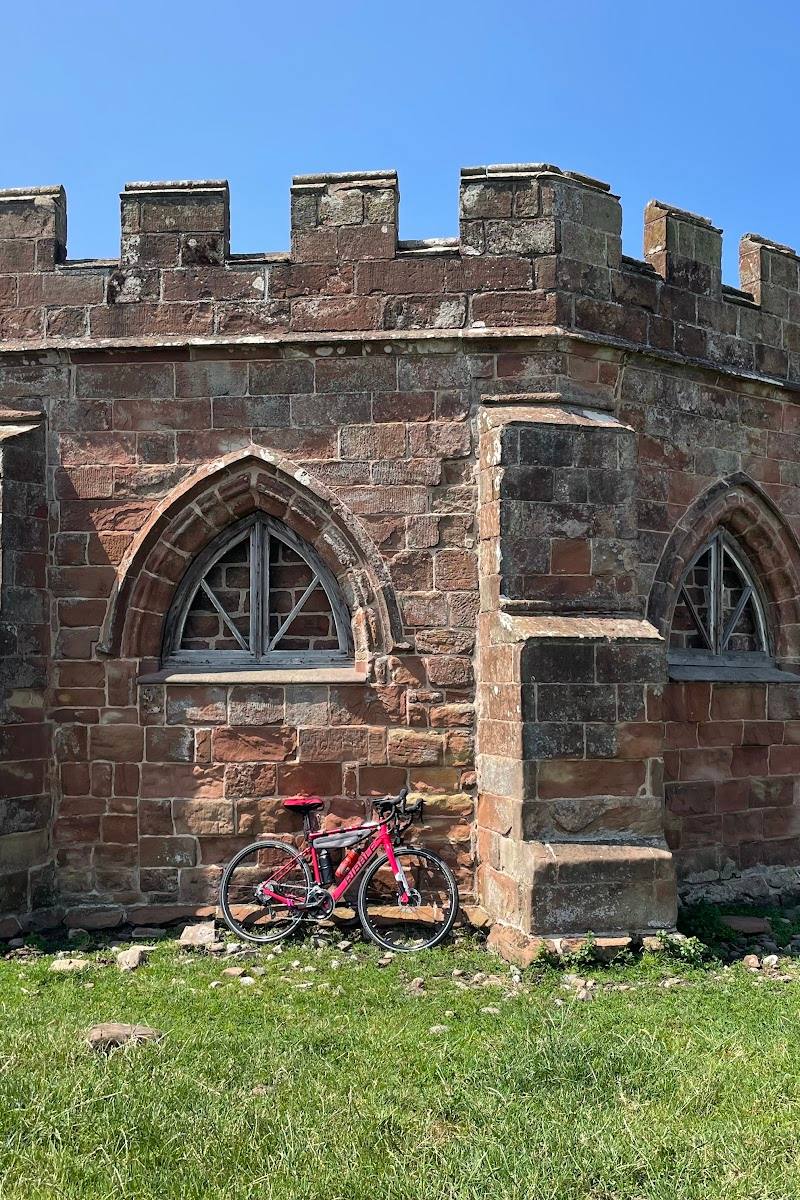
If access is permitted, look closely at the 13th-century chapter house, the best-preserved upstanding part of the abbey. It is reported to be normally locked except on special open days.
Trace the surviving abbey fabric
From permitted viewing areas, look for fragments of the church walls and scattered masonry. Historic England records surviving portions of the nave walls and transepts alongside the chapter house.
Read the ground as an archaeological site
The monument includes earthworks and extensive buried remains, including precinct remains to the east of the core site. Much of this is archaeological evidence rather than exposed buildings; keep to permitted routes and do not disturb the ground.
Make a day of it
Quick escape · Under 1 hour, if access is permitted
A short heritage look
- 01
Check current access arrangements before travelling; do not use the farm approach or cross private land without permission.
- 02
If entry is permitted, focus on the chapter house, surviving masonry and visible earthworks.
- 03
Treat the chapter house as externally viewable unless an open day or other access is confirmed.
Half day · Check route details before setting out
Glasson and Cockersand heritage walk
- 01
Use the published Glasson and Cockersand walk description to plan a route beginning at East Quay, Glasson.
- 02
Follow the route only where it uses public rights of way and verify access where it approaches the abbey and farm.
- 03
The published route also describes Glasson’s canal, dock and estuary-side landscape; check conditions and route details before walking.
Verified history
Cockersand began as a hermitage and charitable hospital associated with Hugh Garth in the late 12th century; it developed into a Premonstratensian house and became an abbey. The monastery was surrendered in 1539. Most of its buildings were subsequently demolished, while the chapter house survived and was reused as a Dalton family mausoleum from the 18th to the 19th century. Historic England identifies the site as a Scheduled Monument and records surviving above-ground remains as well as extensive buried archaeology.
Folklore & legend
No specific folklore or legend is established by the supplied sources. The story of a monastic lighthouse at nearby Lighthouse Cottage is presented by the walking source as a local reputation, not a verified fact.
Hidden details
A chapter house saved by its later use — The chapter house survived the wider demolition because it was reused as a Dalton family burial place. Historic England records its reuse as a mausoleum from the mid-18th to mid-19th centuries.
A much larger abbey beneath the fields — The visible ruins represent only part of the monument. Earthworks, excavation evidence and aerial photographs indicate extensive buried remains, including precinct features east of the core site.
When to go
April · May · June · July · August · September · Choose a clear, calm daytime visit; check access arrangements before travelling.
The sources do not establish a special seasonal event or best season for the monument. Clear weather may help visitors appreciate the exposed estuary setting.
The site is described as an exposed, windswept headland. Check the forecast and be prepared for wind; confirm access before setting out.
Worth pairing with
Glasson and the estuary-side walk
A published walk starts at Glasson’s East Quay and passes the canal, estuary edge and Cockersand Abbey. Check route conditions and access, particularly near the abbey farm.
What to look for
- 01
If access is permitted, look for the 13th-century chapter house, fragments of the church’s nave and transepts, scattered masonry and earthworks marking buried buildings. The wider precinct includes buried remains and cropmarks recorded in aerial photography
- 02
these are not necessarily visible on the ground.
The story
Archaeology
Best time to go
Any season for the heritage; choose a clear, calm day for the estuary setting and check access before travelling.
Pick a clear, calm day if you want to appreciate the estuary-edge setting. The chapter house may be locked except on special open days, so check access before making the journey.
How long to spend
Under 1 hour at the monument if access is permitted; longer only as part of a separately planned walk.
Perfect for
History lovers · Walkers · Photographers
Before you go
Address
Website
Listed hours
- Monday: 8am-8pm
- Tuesday: 8am-8pm
- Wednesday: 8am-8pm
- Thursday: 8am-8pm
- Friday: 8am-8pm
- Saturday: 8am-8pm
- Sunday: 8am-8pm
Check before visiting.
Google rating
Practical information
Opening & access
Public access to the abbey site is not confirmed. A heritage guide warns that the farm approach has a private-entry sign and advises against entering by that route. Do not cross private land or enter the chapter house unless access is explicitly permitted; check current arrangements before travelling. The chapter house is reported to be normally locked except on special open days. Access arrangements are unconfirmed. Check before visiting; do not enter private land or restricted structures.
Check before visiting
Parking
Parking at the abbey is not verified. A published Glasson–Cockersand walk starts at the East Quay car park in Glasson; check local parking arrangements before setting out.
Check before visiting
Toilets
Check before visiting. Toilets are reported across the road from the East Quay car park in Glasson, not at the abbey.
Check before visiting
Food & drink
Check before visiting.
Check before visiting
Dogs
Check before visiting. On the published Glasson–Cockersand walk, dogs should be kept under close control on grazing land.
Check before visiting
Accessibility
Wheelchair accessibility is not verified. Source data reports no wheelchair-accessible car park or entrance; the route and ground conditions at the monument are not established. Check before visiting.
Check before visiting
Cost
Check before visiting
Check before visiting
Water
Estuary
Gallery
Place photographsKeep exploring
Around Cockersand Abbey
Within 50 km · approximate straight-line distances