Cambourne, Cambridgeshire
Cambourne Nature Reserve
Mixed-habitat reserve
Place photograph
6.4
Wildland
1–2 hours
Time
Check
Cost
Peaceful
Feel
Why it's Wildland
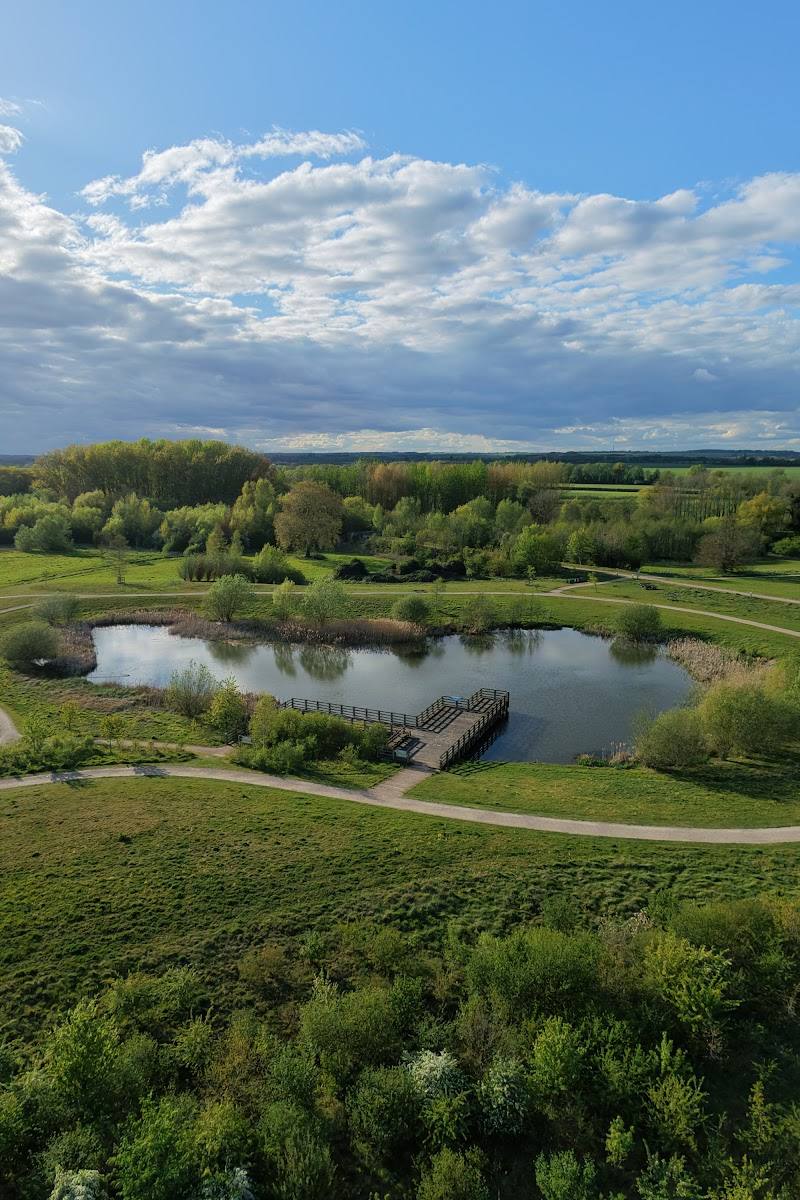
6.4Wildflower meadows, wetland, woodland and lakes sit among the paths and green spaces of a modern settlement, creating a sizeable reserve where wildlife and everyday town life meet.
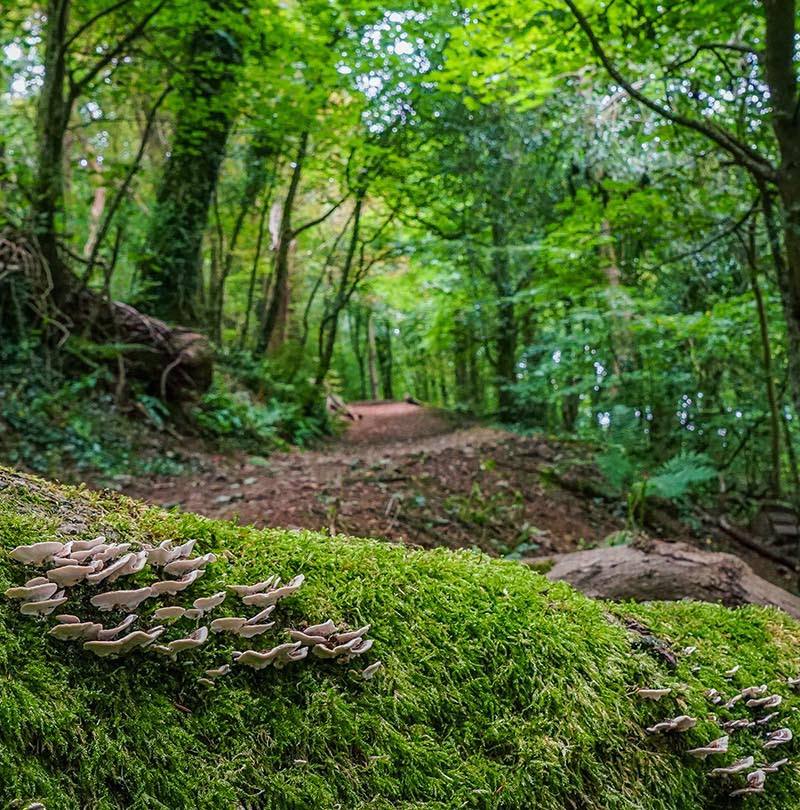
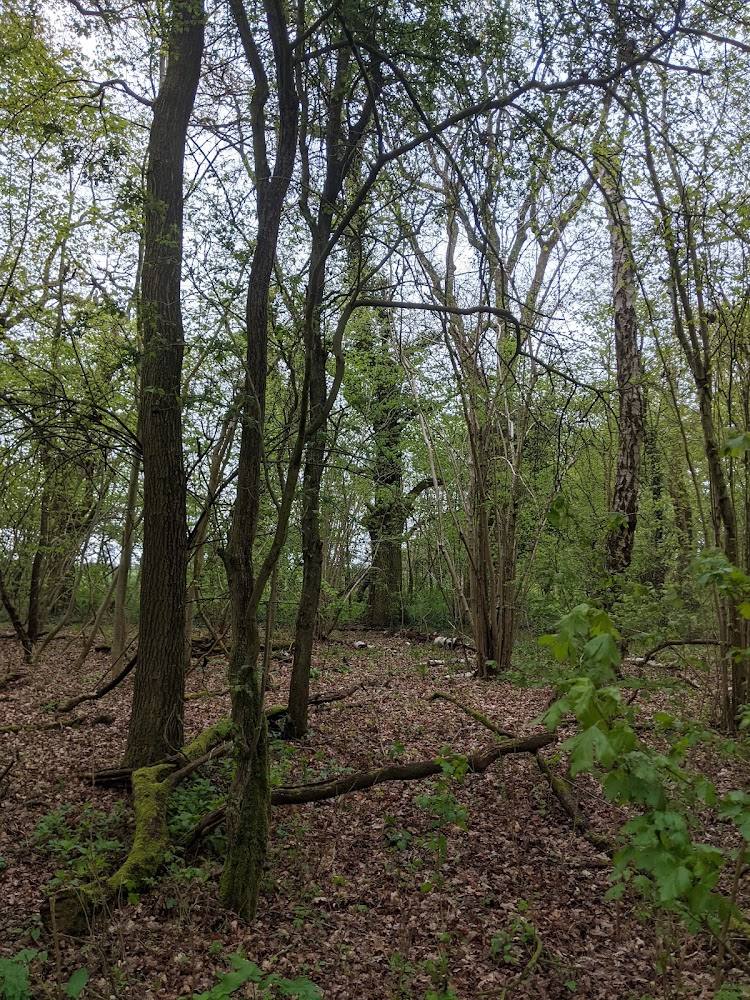
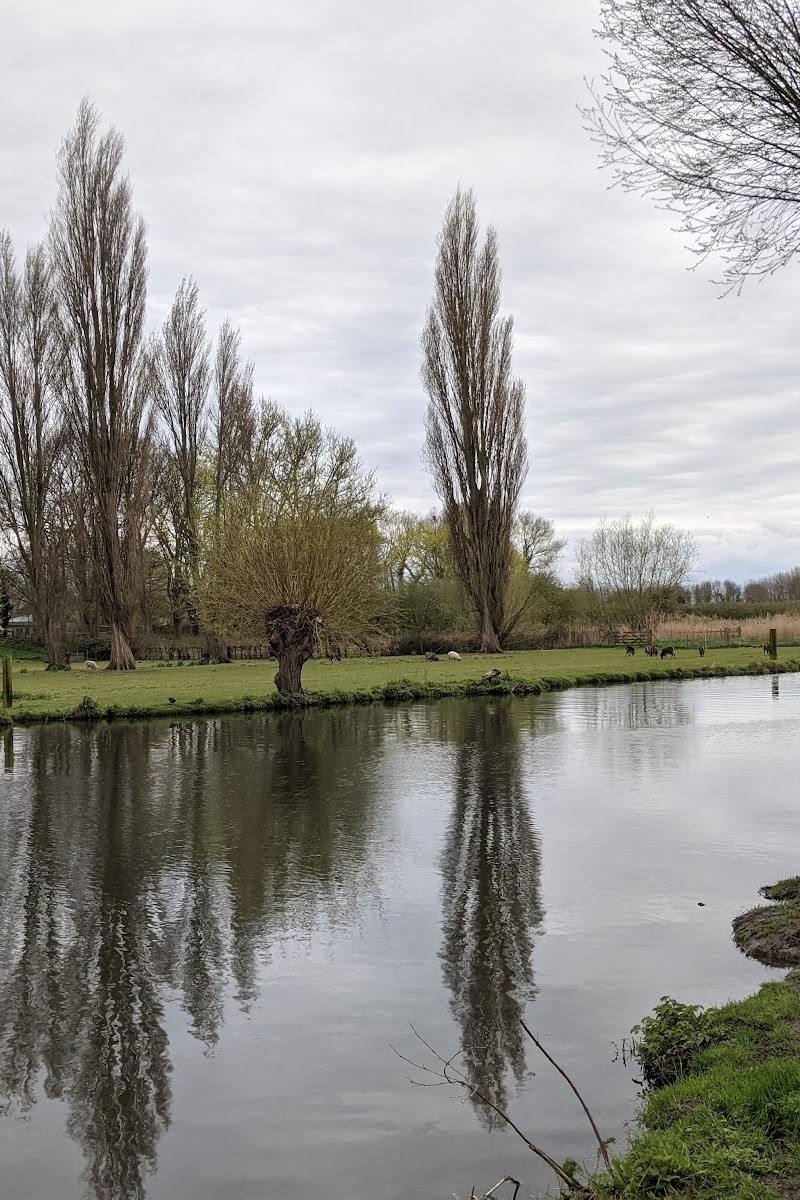
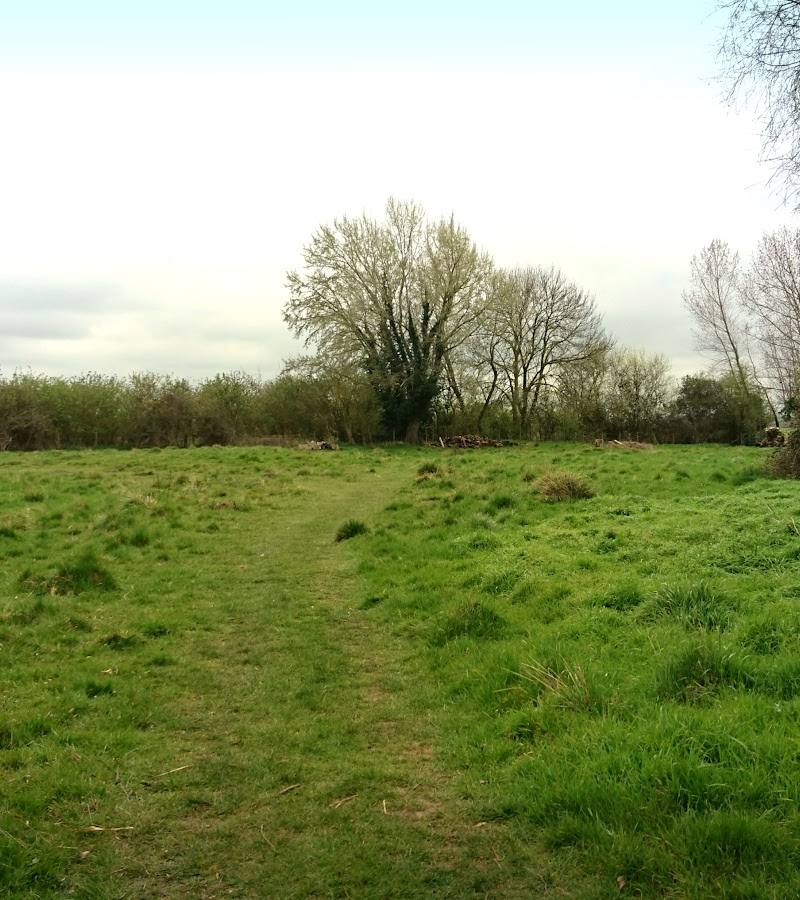
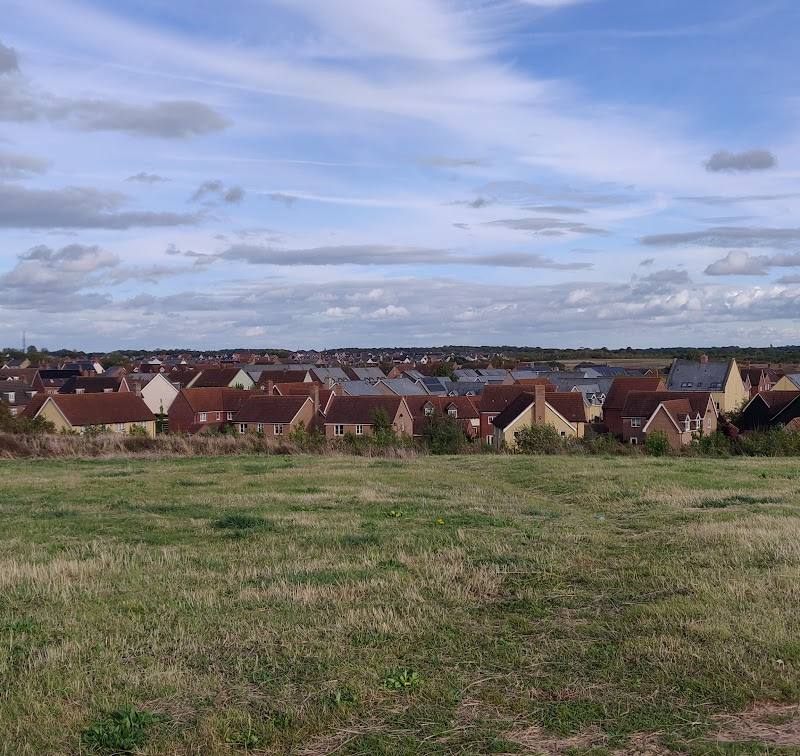
Cambourne is not remote countryside: its appeal is the contrast between a lived-in new settlement and a substantial, varied reserve woven around it. Meadows, wetlands, woods and lakes make for an easy-going wildlife walk, with details ranging from summer butterflies to great crested newts in the ponds.
Peaceful · Family-buzz
Find your way
Open mapCambourne, Cambridgeshire
Opening map…
Know this place a little better?
The experience
Choose a short, easy-going walk among the reserve’s meadows, woods, lakes and ponds, or allow longer to explore more of its habitat mix. Look out for wetland birds and dragonflies, summer butterflies and the community orchard. Paths and car-park arrangements vary, so check the Wildlife Trust map and access information before you go.
Things to do
Watch for wetland birds and dragonflies
Take time by the lakes and wetlands, where the Wildlife Trust reports wetland birds and dragonflies.
Look for butterflies over the grasslands
In summer, scan the sown grassland areas for butterflies and other insects.
Look for farmland birds around Crow Hill
The Wildlife Trust identifies Crow Hill as habitat for farmland birds including skylark and meadow pipit.
Make a day of it
Quick escape · About 1–2 hours; no single route duration is verified.
Quick Escape: a varied reserve walk
- 01
Start from a country-park car park, checking its location and opening arrangements before setting out.
- 02
Use the Wildlife Trust reserve map to choose a walk linking whichever meadow, woodland or waterside paths suit your time and the ground conditions.
- 03
Pause to look for wetland birds or dragonflies by the lakes and butterflies over the grasslands.
- 04
Return to your starting point; keep to gravel paths if wheelchair or pushchair access is needed.
Verified history
The Wildlife Trust manages the reserve surrounding Cambourne and describes its combination of existing and newly created habitats as a way wildlife can be accommodated within a new development. The available evidence does not establish more specific dates or a detailed history of the reserve’s creation.
Hidden details
A community orchard with local varieties — Look for the orchard’s mix of fruit trees, including the named Cambridge Gage plum and Chivers Delight apple varieties.
Crow Hill’s farmland birds — The Wildlife Trust specifically notes skylark and meadow pipit among the farmland birds supported at Crow Hill.
When to go
· No particular time of day is specified. Check car-park hours if driving.
The Wildlife Trust lists the reserve as worth visiting at any time. Summer has a specific wildlife draw: butterflies and other insects over grasslands. Wet weather can make paths muddy.
Other paths may become muddy in wet weather. Gravel paths are the more suitable option for wheelchair and pushchair access; check current conditions and the reserve map.
What to look for
Watch for wetland birds and dragonflies around the lakes, butterflies and other insects over the grasslands, farmland birds such as skylark and meadow pipit around Crow Hill, and the rare and local fruit varieties in the community orchard. The Wildlife Trust also notes badgers and deer in the woods and great crested newts in ponds.
The story
A managed reserve combining existing and newly created habitats around Cambourne; the Wildlife Trust describes it as an example of wildlife being accommodated within a new development.
Best time to go
Any time; summer brings butterflies and flowering grasslands, while the reserve’s varied habitats offer reasons to visit in other seasons too.
The reserve is listed as worth visiting at any time. Summer is especially promising for butterflies and insects over the grasslands; choose a dry spell if you want to explore paths that may become muddy in wet weather.
How long to spend
1–2 hours
Perfect for
Walkers · Wildlife lovers · Families · Young children · Dogs · Photographers
Practical information
Opening & access
The reserve is open at all times. Gravel paths are suitable for wheelchair and pushchair access; other paths can become muddy in wet weather. Dogs should be kept on a lead. Use the country-park car parks; do not park at the Wildlife Trust office.
Parking
Country-park car parks are at Oaks Wood on School Lane, behind the supermarket and near the allotments on Brace Dein. Oaks Wood car park opens by 9am and closes at 8pm in BST or 5pm in winter. Check current arrangements before travelling.
Check before visiting
Toilets
Check before visiting
Check before visiting
Food & drink
Check before visiting
Check before visiting
Dogs
Dogs on a lead, according to the Wildlife Trust.
Accessibility
The Wildlife Trust says gravel paths can accommodate wheelchair and pushchair access. Other paths may be muddy in wet weather; check the reserve map and conditions before setting out.
Check before visiting
Cost
Check before visiting
Check before visiting
Water
Lakes and ponds. No swimming or paddling permission is evidenced; do not assume water access is permitted.
Gallery
Place photographs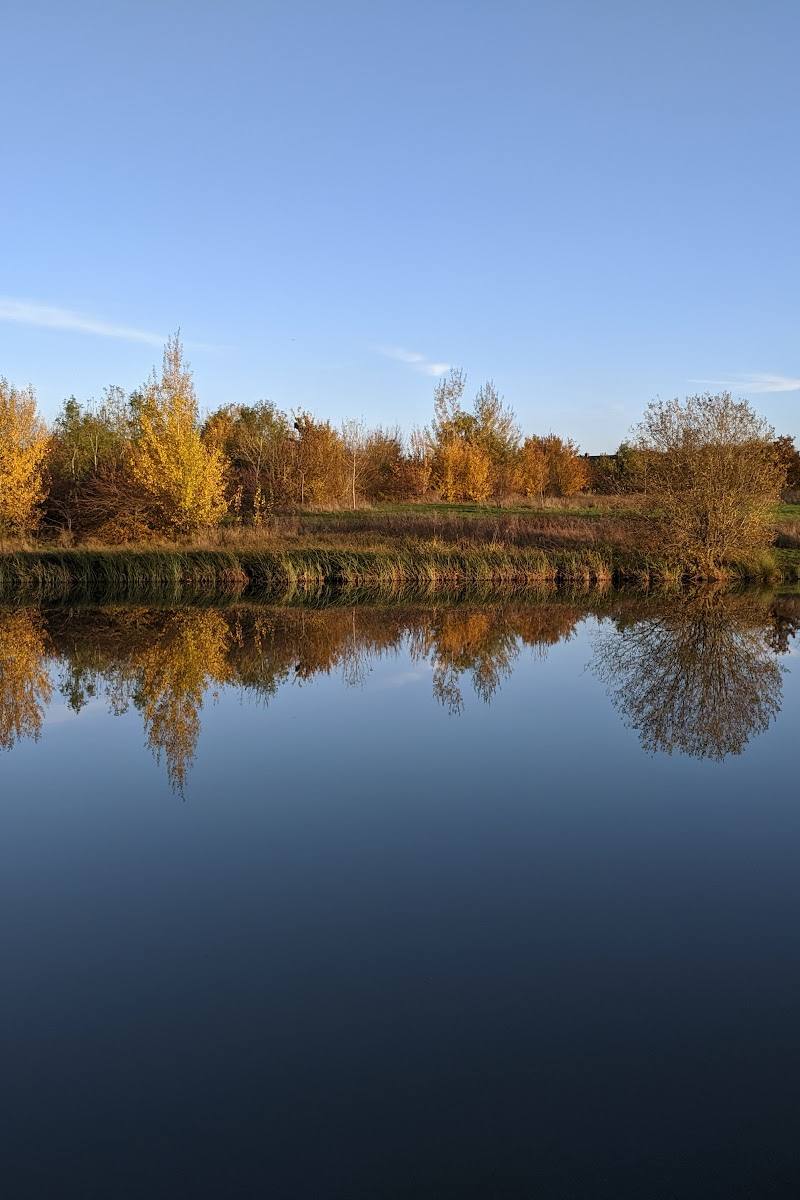
Keep exploring
Around Cambourne Nature Reserve
Within 50 km · approximate straight-line distances