Beckton, Barking, London IG11 0BL. Pedestrian access is from Jenkins Lane, IG11 0AD.
Beckton Creekside Nature Reserve
Mixed-habitat reserve
Source image
5.0
Wildland
1–2 hours
Time
Check
Cost
Peaceful
Feel
Why it's Wildland
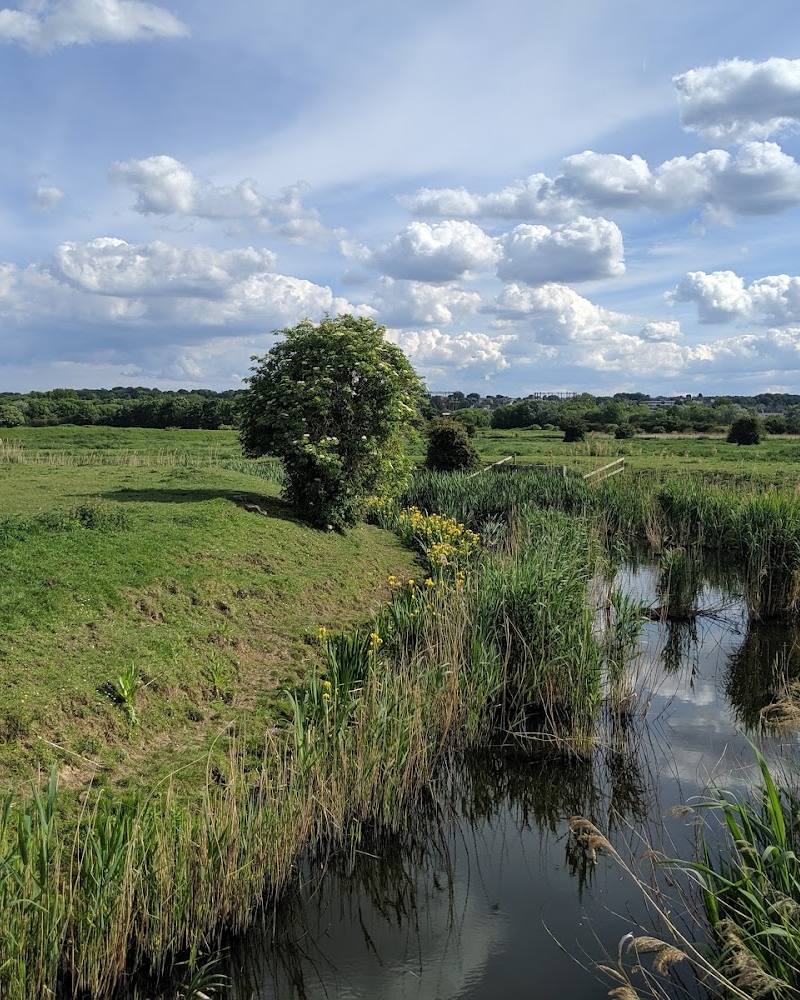
5.0A compact wildlife reserve beside the River Roding, where birds, reedbeds and marshy ground sit against the strikingly industrial landscape of east London.
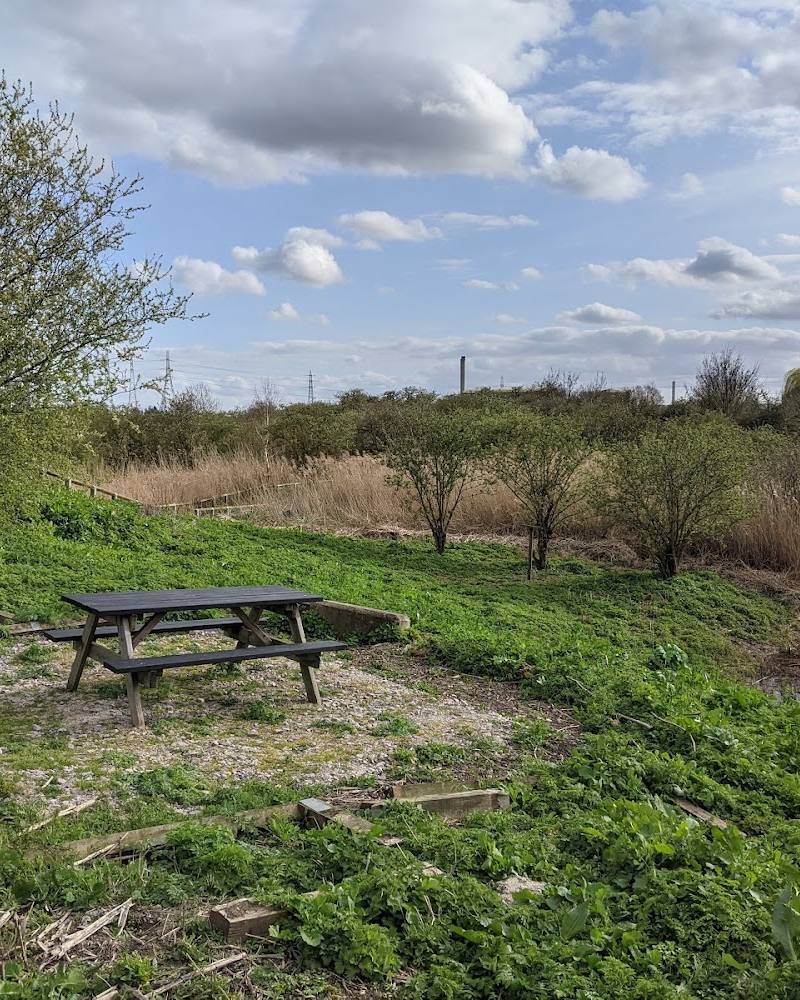
Beckton is not a polished escape from the city: its appeal is the contrast. A public riverside path and accessible reserve bring birdlife, wetland habitats and views of the Roding into an unexpected corner of industrial east London.
Peaceful · Quirky
Find your way
Open mapBeckton, Barking, London IG11 0BL. Pedestrian access is from Jenkins Lane, IG11 0AD.
Opening map…
Know this place a little better?
The experience
Follow the reserve’s footpath at an unhurried pace, pausing at the viewing station and bird-feeding area. Look and listen for the birds Thames Water highlights, and continue along the riverside path towards Barking Creek if you want a longer walk. Stick to marked footpaths; conditions can be wet or muddy.
Things to do
Watch birds from the viewing station
Use the viewing station to observe birds at the feeding area without disturbing them. Thames Water specifically mentions long-tailed tits and goldfinches.
Walk the reserve footpath
Follow the reserve’s flat footpath through its wildlife setting. Keep to the paths; some sections can be wet or muddy.
Continue beside the River Roding
Thames Water describes a riverside path continuing towards Barking Creek, where visitors may see birds and fish.
Explore the mini-beast area
Visit the reserve’s mini-beast area to look for small invertebrates in the undergrowth.
Make a day of it
Quick escape · About 1 hour; check locally for current path conditions.
Quick Escape: the reserve footpath
- 01
Enter on foot from Jenkins Lane, IG11 0AD.
- 02
Follow the reserve footpath and pause at the viewing station and bird-feeding area.
- 03
Return along the footpath; keep to marked paths, which can be wet or muddy.
Half day · Half day; the full walking time is not confirmed.
Make a Half Day of It: reserve and riverside
- 01
Explore the reserve footpath, taking time at the bird-viewing station and mini-beast area.
- 02
Continue along the riverside path beside the River Roding towards Barking Creek, then retrace your steps.
- 03
Bring binoculars and allow time to watch for birds; check path conditions before setting out.
Verified history
The reserve sits within a wider east London landscape shaped by water infrastructure. A local account describes how London’s nineteenth-century growth pushed sewage works east and traces the area’s later wastewater treatment and desalination infrastructure. This is context for the surrounding landscape, not a history of the reserve itself.
Hidden details
A viewing station beside the feeding area — The reserve’s viewing station is intended to let visitors observe birds without disturbing them. Bring binoculars and give the birds space.
Wildlife at the city’s edge — The reserve’s official visitor information describes birds, bats, reptiles and ponds within this urban riverside setting. Sightings are not guaranteed.
When to go
· Dawn to dusk; visit quietly for wildlife watching.
The reserve’s wildlife information mentions migrating birds and seasonal newt activity, but does not specify peak months. Check locally for current sightings.
Some paths can be wet or muddy. Thames Water recommends bringing wellington boots; check conditions before visiting.
Worth pairing with
Barking Creek
Extend the visit along the riverside path towards Barking Creek. Thames Water says visitors may see birds and fish along the way.
What to look for
- 01
Look for long-tailed tits and goldfinches around the bird-feeding station
- 02
use the viewing station to observe without disturbing them. Scan the undergrowth for signs of small reptiles, and look towards the ponds for newts at the right time of year. The reserve’s wetland setting and nearby River Roding make the meeting of wildlife and urban infrastructure part of the experience.
The story
Industry
Best time to go
Check locally for seasonal wildlife activity. Thames Water notes that migrating birds, including cuckoos and warblers, may be seen, and that newts return to the ponds at certain times of year.
The reserve is open from dawn till dusk. For wildlife watching, visit quietly and bring binoculars; check locally for seasonal sightings and path conditions.
How long to spend
1–2 hours
Perfect for
Walkers · Wildlife lovers · Photographers · Families
Before you go
Practical information
Opening & access
Thames Water says the reserve is open to the public every day, from dawn till dusk. Enter on foot from Jenkins Lane, IG11 0AD, and keep to the footpaths. Some paths can be wet or muddy; check current information before travelling.
Check before visiting
Parking
Check before visiting. The supplied sources identify pedestrian access from Jenkins Lane but do not confirm parking.
Check before visiting
Toilets
Check before visiting
Check before visiting
Food & drink
Check before visiting
Check before visiting
Dogs
Check before visiting. The source row indicates dogs are allowed, but current rules and any restrictions should be confirmed with the reserve.
Check before visiting
Accessibility
Thames Water describes the reserve footpaths as flat and accessible for wheelchairs and prams. Paths may be wet or muddy; check current conditions before visiting.
Check before visiting
Cost
Check before visiting
Check before visiting
Water
River, Marsh, Pond
Gallery
Place photographsKeep exploring
Around Beckton Creekside Nature Reserve
Within 50 km · approximate straight-line distances