Abbey Green, near Abbey Road and The Broadway, Barking, IG11 8AJ. The imported Google Maps pin is at 51.5360735, 0.0749962
Barking Abbey Ruins
Monastic ruins
Source image
6.3
Wildland
Under 1 hour
Time
Check
Cost
Historic
Feel
Why it's Wildland
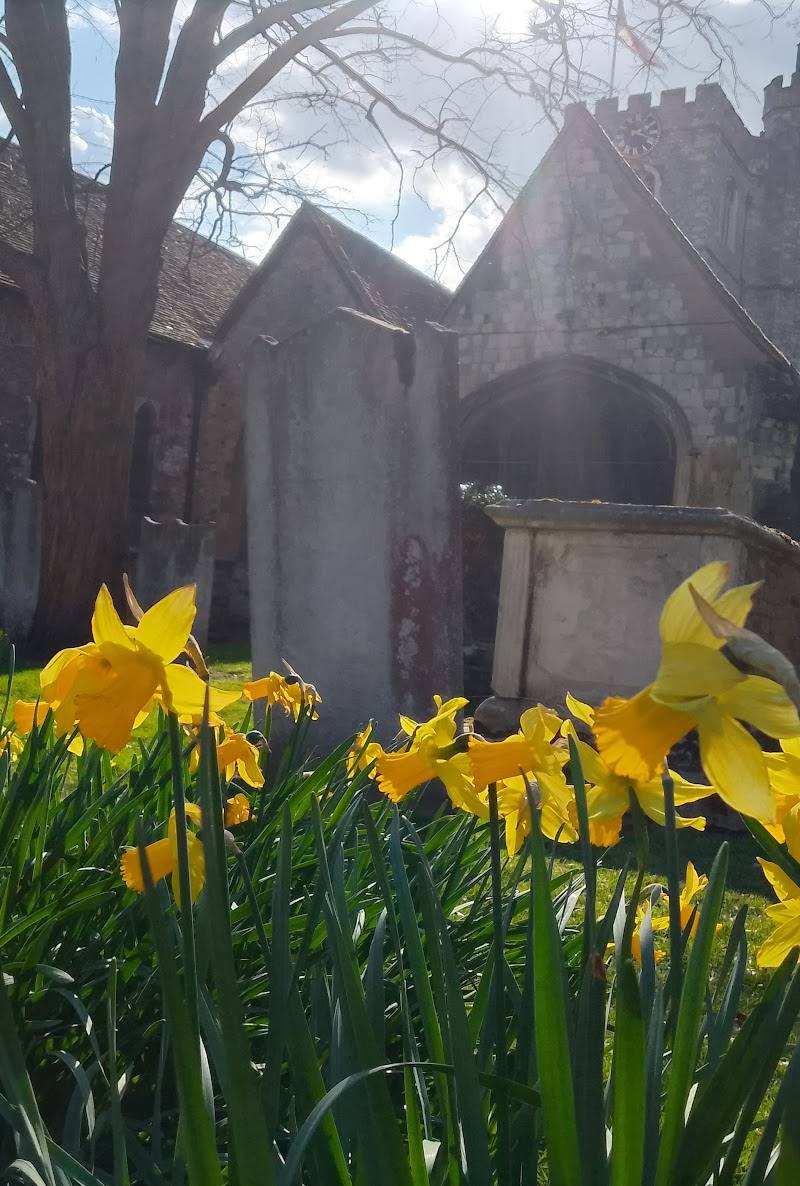
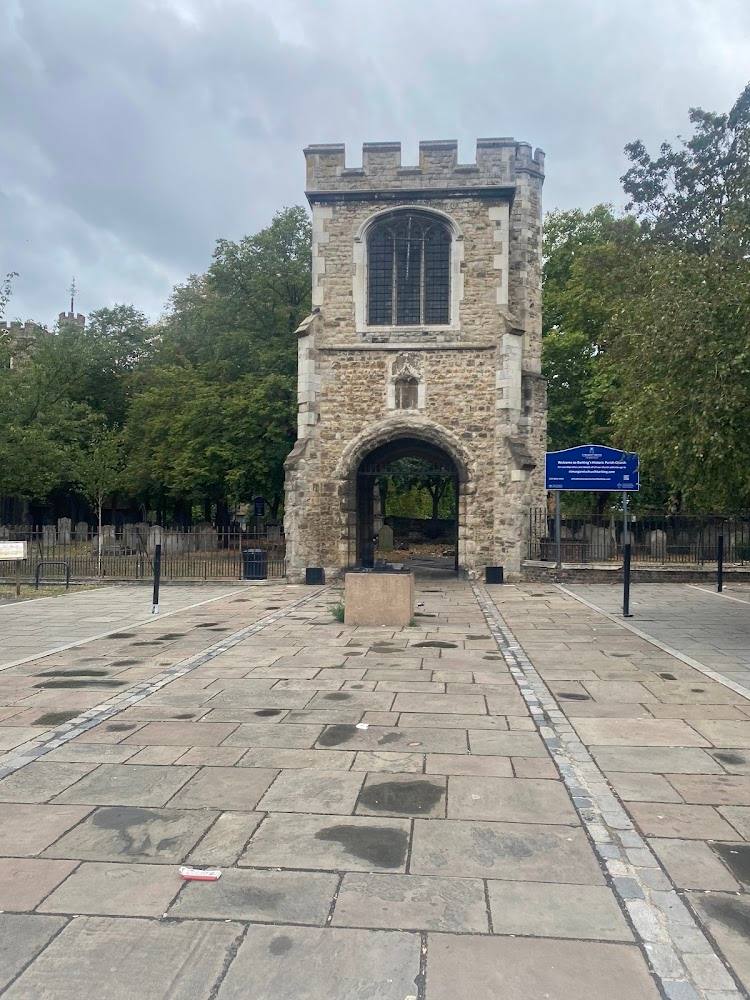
6.3Founded in AD 666, Barking Abbey was an important religious house whose buildings were demolished shortly after 1541. Most of the abbey remains are now buried; low walls mark the former layout, while the nearby 15th-century Curfew Tower survives as a gatehouse to St Margaret’s Church.
The appeal is the contrast between a modern town centre and the traces of a major early medieval abbey: a reconstructed ground plan, a surviving gatehouse and a story that reaches back to AD 666. It is a compact heritage stop rather than a destination for a full day on its own.
Historic · Quiet green space
Find your way
Open mapAbbey Green, near Abbey Road and The Broadway, Barking, IG11 8AJ. The imported Google Maps pin is at 51.5360735, 0.0749962
Opening map…
Know this place a little better?
The experience
Explore the low walls that indicate the abbey’s former layout, then look for the surviving Curfew Tower and the neighbouring church. The site is compact; pair it with other Barking town-centre sights if you want a longer outing.
Things to do
Read the ground plan in the low walls
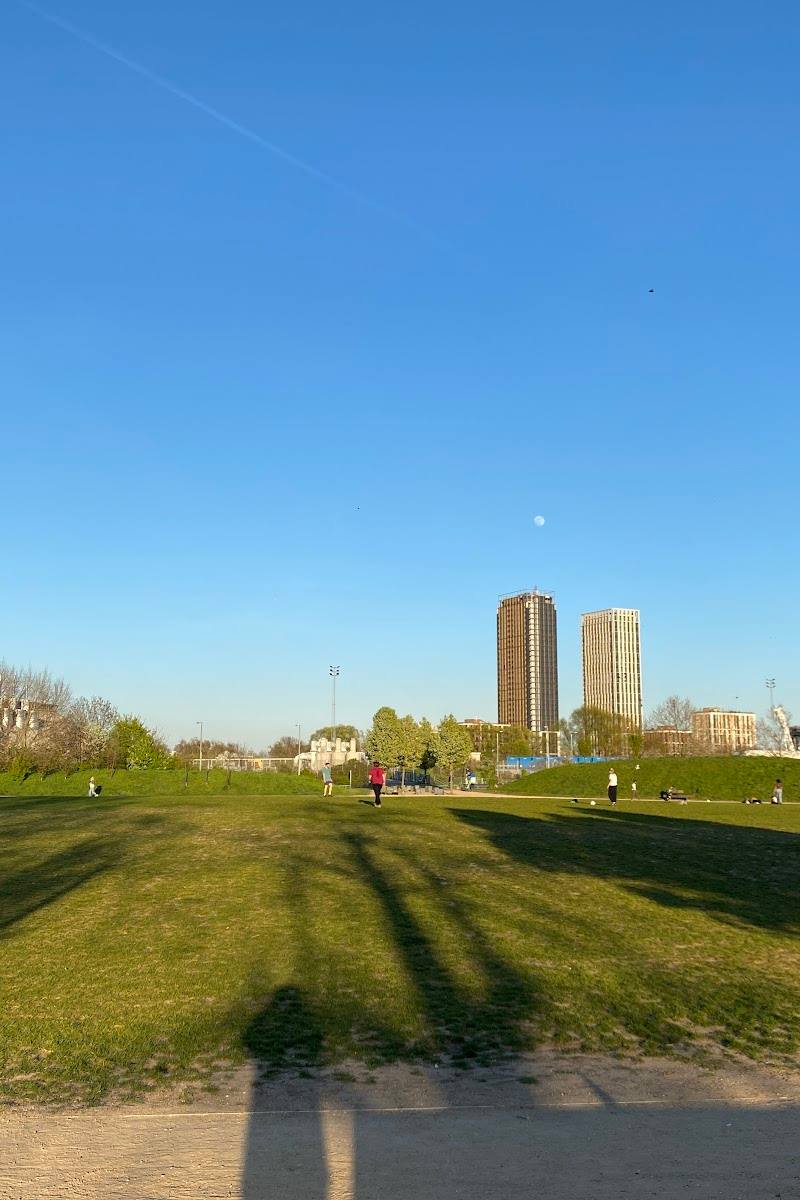
Look for the low walls that mark the layout of the former abbey buildings. The council notes that most of the remains are buried and that the visible walls were built to indicate the original layout.
10–20 minutes
Find the Curfew Tower
See the surviving 15th-century tower, originally an abbey gatehouse and now an entrance to the churchyard and access to St Margaret’s Church.
10–20 minutes
Add St Margaret’s Church to the visit
The church stands adjoining the ruins; the council says its oldest parts date from the 12th century.
Check before visiting
Make a day of it
Quick escape · Under 1 hour
Trace the abbey’s outline
- 01
Walk through the Abbey Green area to the visible low walls that indicate the original abbey layout.
- 02
Find the Curfew Tower beside St Margaret’s Church and note its former role as the abbey gatehouse.
Verified history
Barking Abbey was founded in AD 666. The council identifies the surviving Curfew Tower as a former abbey gatehouse and dates it to the 15th century. The abbey was demolished shortly after 1541; most remains are now buried, while low walls mark the original building layout. A separate heritage project describes the abbey as a scheduled ancient monument and Grade II listed, and records its foundation by East Saxon Bishop St Erkenwald for his sister St Ethelburga, its first abbess. These sources support Barking Abbey’s significance and its surviving physical traces; they do not establish every detail of the site’s long history.
Hidden details
Most of the abbey is out of sight — The council says most remaining ruins are buried. The low walls visible today were built to indicate the original layout and are less than a century old; they are not surviving medieval abbey walls.
The Curfew Tower began as the abbey gatehouse — The surviving 15th-century tower now forms an entrance to the churchyard and an access to St Margaret’s Church.
When to go
· No preferred time is established by the supplied sources.
The supplied evidence gives no seasonal reason to visit.
Check conditions and current access information before visiting; no site-specific weather guidance is supplied.
Worth pairing with
St Margaret’s Church
Adjacent to the abbey ruins; the council says the oldest parts date from the 12th century. Check separately for opening and visitor access.
Barking town centre
The site is next to Barking Town Centre, where the council reports other facilities. No specific additional attraction is recommended on the supplied evidence.
What to look for
- 01
The low walls marking the original abbey layout
- 02
the 15th-century Curfew Tower, formerly an abbey gatehouse
- 03
and the relationship between the abbey site and adjacent St Margaret’s Church.
The story
Monastic history, early Christianity, archaeology
Best time to go
No season-specific advantage is established by the supplied sources.
No particular time of day is identified as best in the supplied sources. Check local access information before setting out.
How long to spend
Under 1 hour
Perfect for
History lovers · Walkers · Photographers
Before you go
Address
Website
Listed hours
- Monday: Open 24 hours
- Tuesday: Open 24 hours
- Wednesday: Open 24 hours
- Thursday: Open 24 hours
- Friday: Open 24 hours
- Saturday: Open 24 hours
- Sunday: Open 24 hours
Check before visiting.
Google rating
Practical information
Opening & access
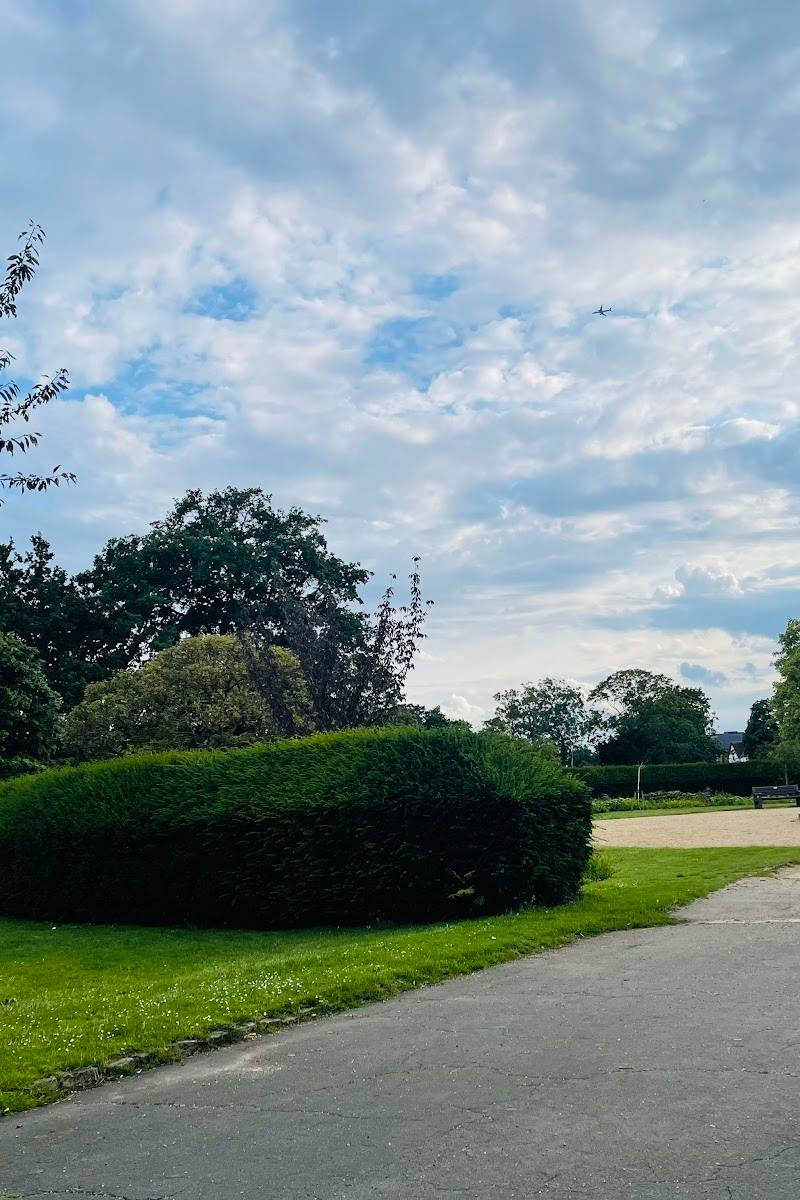
The ruins are within Abbey Green, a council-described area of parkland. Most of the wider site is wheelchair accessible, but check current access details before visiting. There is no dedicated car park and parking on surrounding roads is restricted.
Check before visiting
Parking
No dedicated car park; parking on surrounding roads is restricted. Barking Station is about a five-minute walk away, and buses serve the area.
Toilets
Check before visiting.
Check before visiting
Food & drink
A café is reported at the nearby St Margaret’s Centre; check current availability before visiting.
Check before visiting
Dogs
Check before visiting.
Check before visiting
Accessibility
The council says most of Abbey Green is accessible to wheelchair users. The linked AccessAble guide concerns St Margaret’s Churchyard and includes additional information about access to the ruins; check it before travelling.
Check before visiting
Cost
Check before visiting
Check before visiting
Gallery
Place photographsKeep exploring
Around Barking Abbey Ruins
Within 50 km · approximate straight-line distances