Ballachulish, Highland, Scotland, PH49 4JB
Ballachulish Slate Quarry
Industrial heritage
Place photograph
6.2
Wildland
1–2 hours
Time
Check
Cost
Atmospheric
Feel
Why it's Wildland
6.2Slate once made Ballachulish. Today, towering quarry faces and flooded workings preserve the scale of an industry that shaped the village and its surroundings.
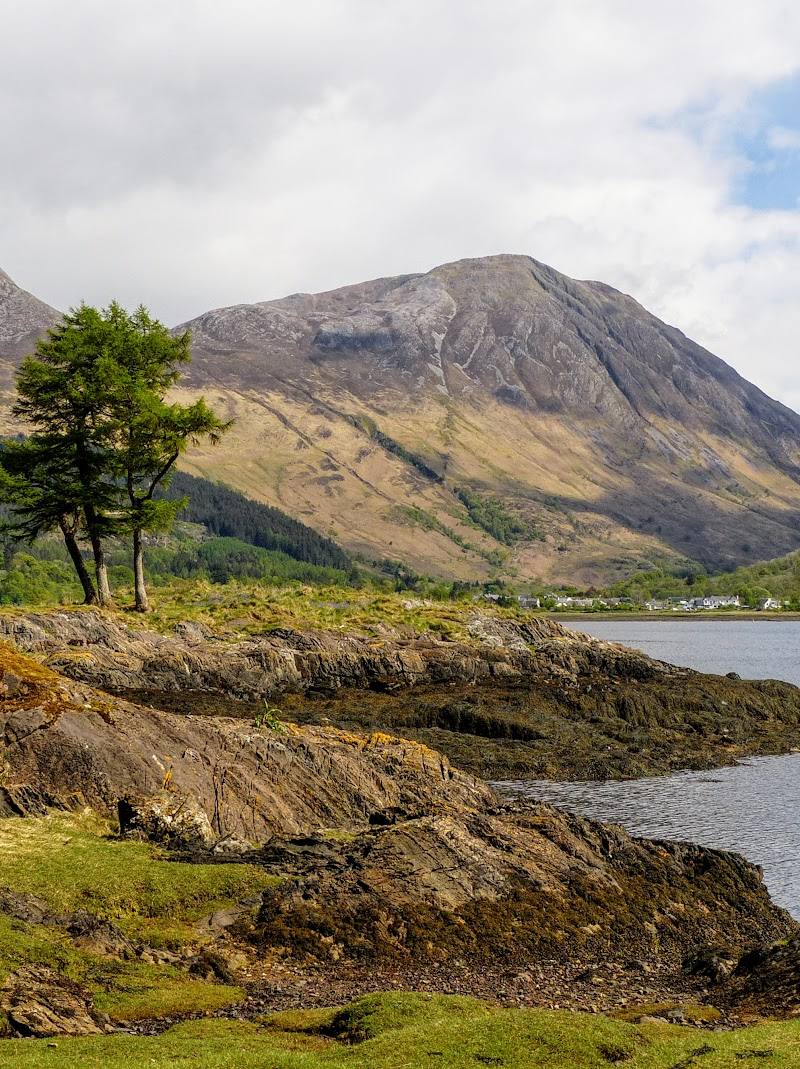
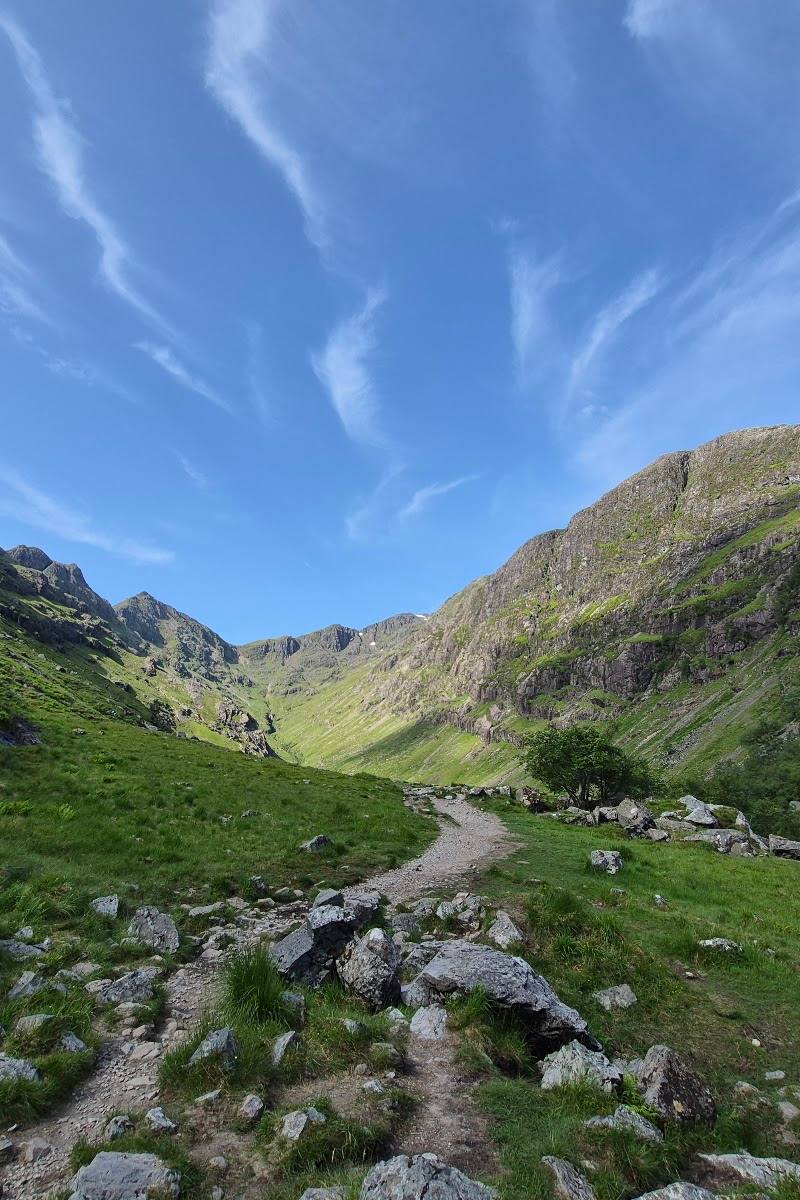
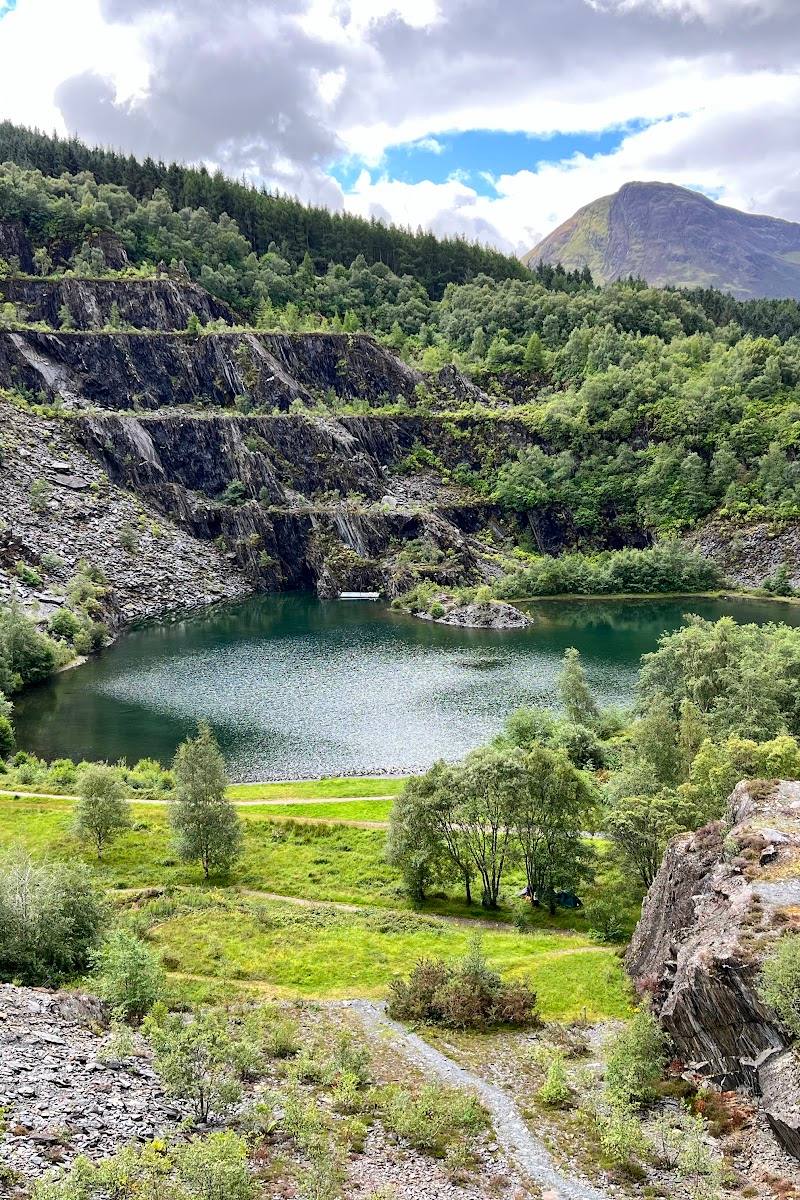
This is industrial heritage set against Highland scenery: monumental slate faces, blue-green flooded workings and a short hill trail that opens out towards views of the village, Loch Leven and the mountains.
Atmospheric · Dramatic
Find your way
Open mapBallachulish, Highland, Scotland, PH49 4JB
Opening map…
Know this place a little better?
The experience
Explore the former slate workings, read the site’s interpretive plaques and, if conditions suit, take the Brecklet Trail for elevated views across the village, loch and nearby mountain scenery.
Things to do
Explore the old quarry workings
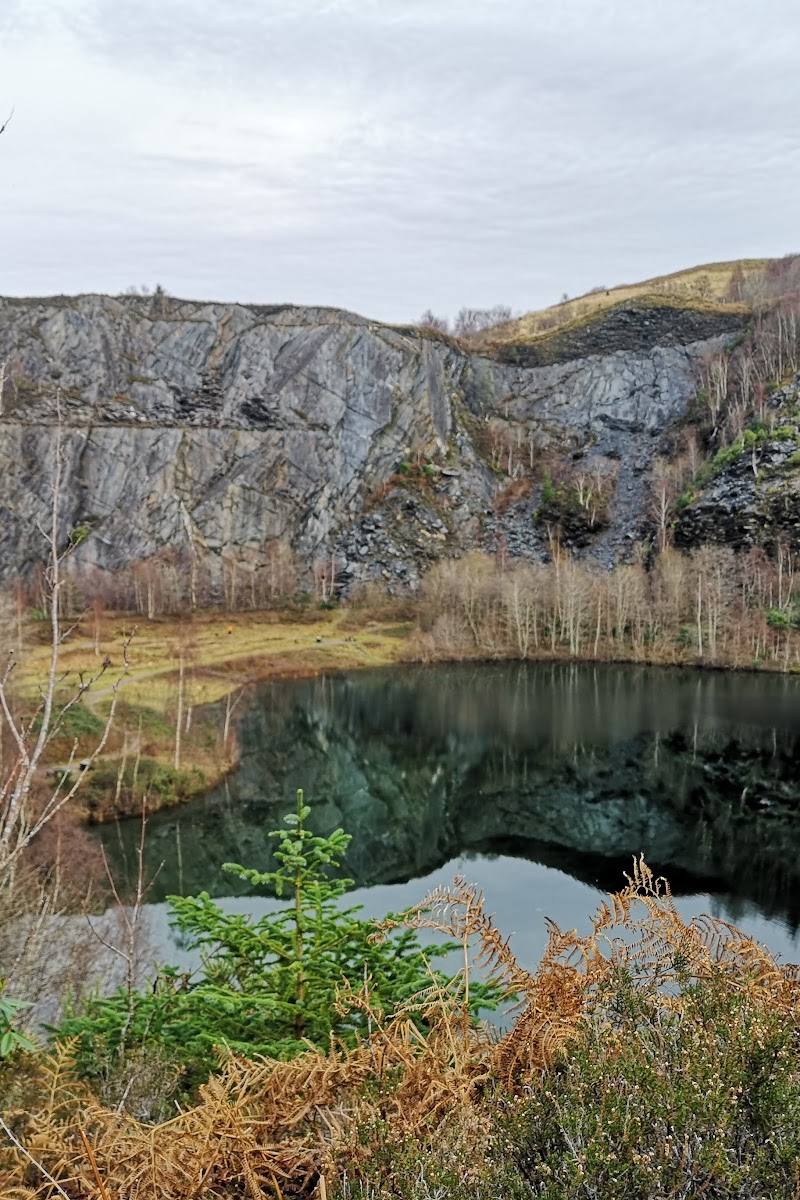
Walk around the former slate quarry and look at its high, amphitheatre-like excavations and flooded pools.
30–60 minutes
Walk the Brecklet Trail
Follow the short loop as it climbs through young woodland and heather, then opens to a ridge viewpoint above the village and loch.
About 1–2 hours
Read the quarry interpretation
Use the plaques and information points to connect the visible workings with the slate industry that shaped the area.
Make a day of it
Quick escape · Under 1 hour
Quarry-side introduction
- 01
Enter the old quarry grounds and take in the slate faces and flooded workings.
- 02
Read the interpretation plaques and look across the former quarry landscape.
Half day · About 1–2 hours
Brecklet Trail and quarry views
- 01
Start from the visitor-centre area and follow signs for the Brecklet Trail.
- 02
Climb through young woodland and heather above the quarry.
- 03
Pause at the ridge viewpoint for views towards Ballachulish, Loch Leven and the nearby mountain.
- 04
Return by the loop route.
Verified history
Slate was first quarried in the area in the late 17th century and became Ballachulish’s main industry. The quarry later closed in 1955. The village’s slate workings supplied roofing slate across the region, and their remains can still be explored today.
Hidden details
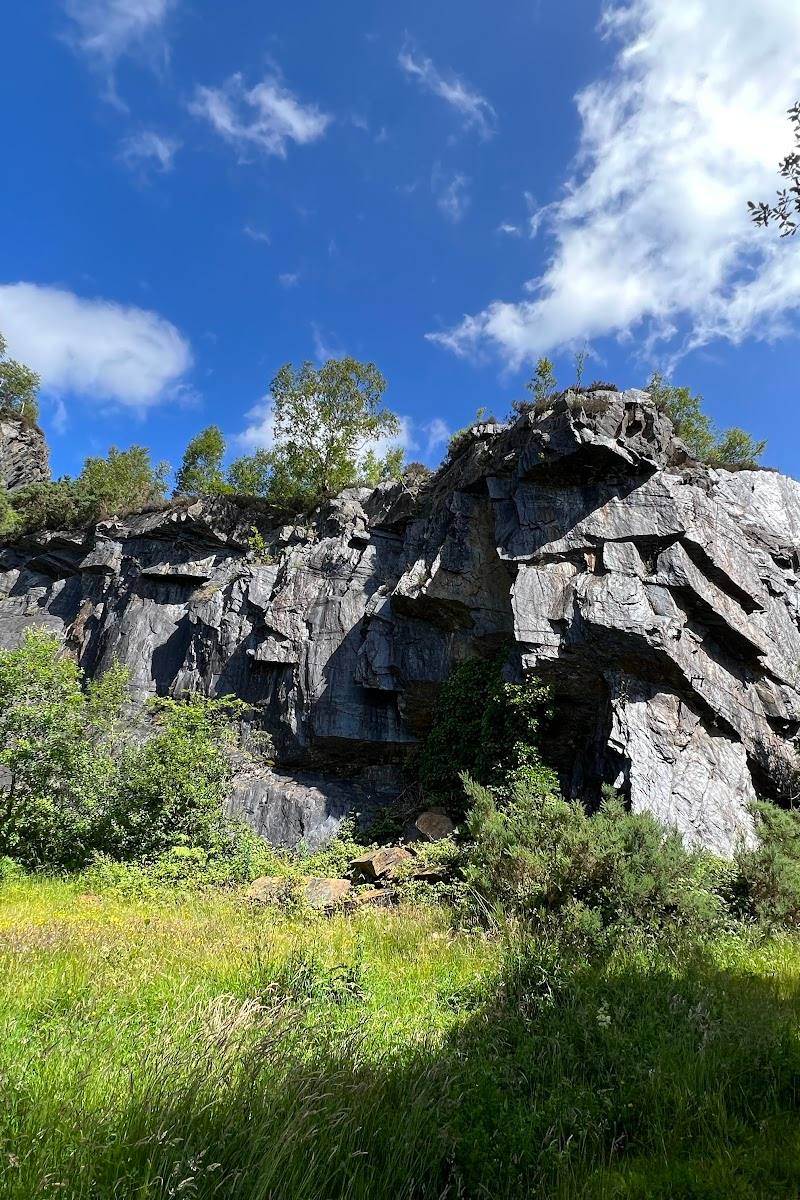
A landscape made by slate — The quarry’s steep, enclosing slate faces and flooded workings make the scale of the former extraction visible from within the site.
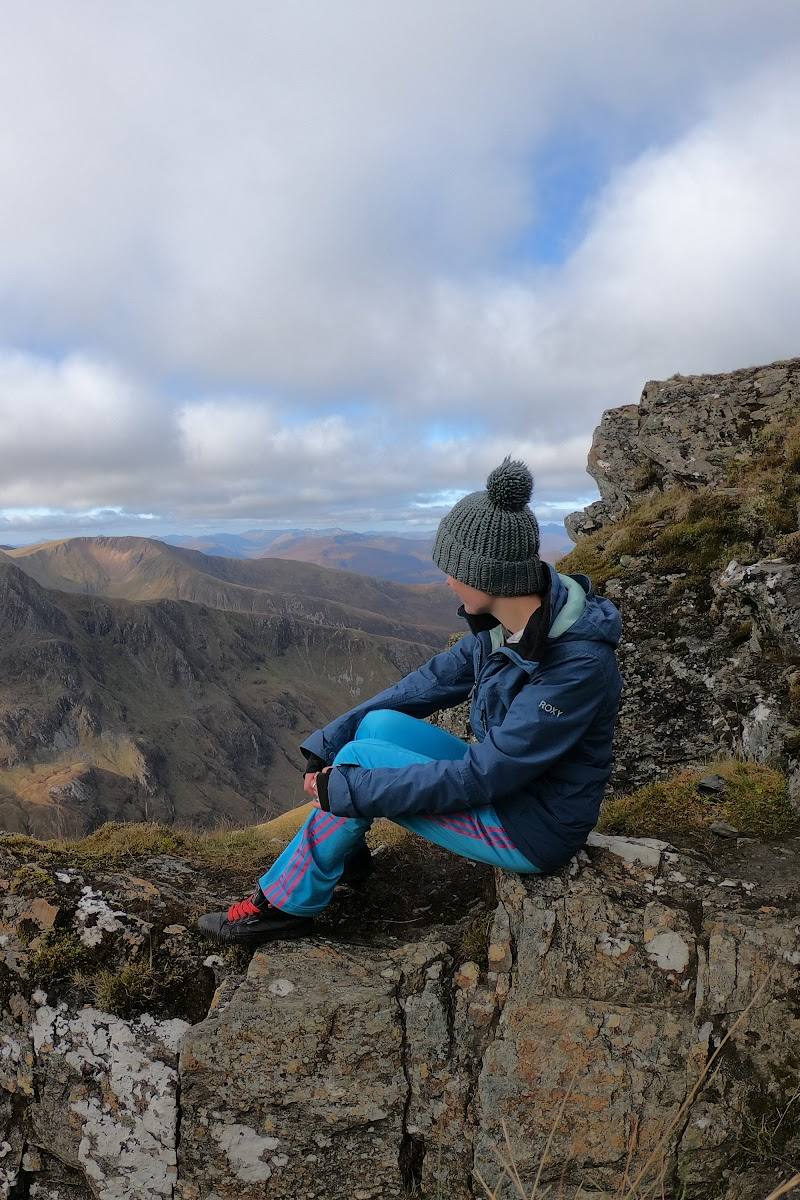
The ridge viewpoint — A detour from the Brecklet Trail leads along a ridge to a pine tree and a viewpoint over the village, loch and nearby mountain.
When to go
April · May · June · July · August · September · Choose a clear period when the ridge views are visible; quieter times may make it easier to enjoy the trail.
The trail’s woodland and heather setting is suited to the milder walking months. The sources do not establish a particular seasonal wildlife or flowering highlight.
Highland weather can change quickly. The trail climbs and includes uneven ground; check conditions and wear suitable footwear.
The route
- surface
- Uneven hill path; exact surface not specified
- distance
- Just under 2 miles
- duration
- About 1–2 hours
- difficulty
- Moderate effort: a steady climb with some up and down
- waymarking
- Brecklet Trail sign reported at the start
- route shape
- Loop
- start point
- Ballachulish visitor-centre area; the trail entrance is reached by crossing the street into the old quarry grounds.
- parking start
- A walk account reports parking at the visitor centre. Check current availability.
- shorter alternative
- Explore the quarry grounds and interpretation without completing the Brecklet Trail.
- Slate quarry faces and a flooded quarry pond
- Young woodland, heather and open scrub
- Ridge views over Ballachulish, Loch Leven and a nearby mountain
Worth pairing with
Ballachulish village and Loch Leven
The quarry’s ridge viewpoints look towards the village and Loch Leven, making them a natural extension of the visit.
What to look for
The amphitheatre-like slate faces, flooded quarry workings, interpretive plaques and the changing views as the Brecklet Trail climbs above the site.
The story
Industry
Best time to go
Spring to autumn for the Brecklet Trail; clear weather helps with the views.
Choose a clear day for the best chance of seeing the wider landscape from the trail. Check conditions before setting out.
How long to spend
1–2 hours
Perfect for
Walkers · Photographers · History lovers
Before you go
Address
Website
Listed hours
- Monday: Open 24 hours
- Tuesday: Open 24 hours
- Wednesday: Open 24 hours
- Thursday: Open 24 hours
- Friday: Open 24 hours
- Saturday: Open 24 hours
- Sunday: Open 24 hours
Check before visiting.
Google rating
Practical information
Opening & access
The old quarry is described as walkable, with paths and viewpoints. Take care around the quarry cliffs and check current access and conditions before visiting.
Check before visiting
Parking
A visitor-centre car park is reported by a walk account; check availability before travelling.
Check before visiting
Toilets
A walk account reports toilets at the visitor centre; check before visiting.
Check before visiting
Food & drink
A walk account reports a café at the visitor centre; check opening and availability.
Check before visiting
Dogs
Check before visiting.
Check before visiting
Accessibility
The Brecklet Trail is described as a short loop with a steady climb and uneven hill terrain. Suitability for wheelchairs or pushchairs is not established.
Cost
Check before visiting
Check before visiting
Water
Pond
Gallery
Place photographsKeep exploring
Around Ballachulish Slate Quarry
Within 50 km · approximate straight-line distances