Welsh Harp / Brent Reservoir, north-west London, NW9
Welsh Harp Habitat Restoration Area
Mixed-habitat reserve
Source image
5.6
Wildland
1–2 hours
Time
Free
Cost
Wild
Feel
Why it's Wildland
5.6An inner-London reservoir edged by marsh, reedbed and open space, where floating habitat islands were installed to support nesting birds and improve water quality.
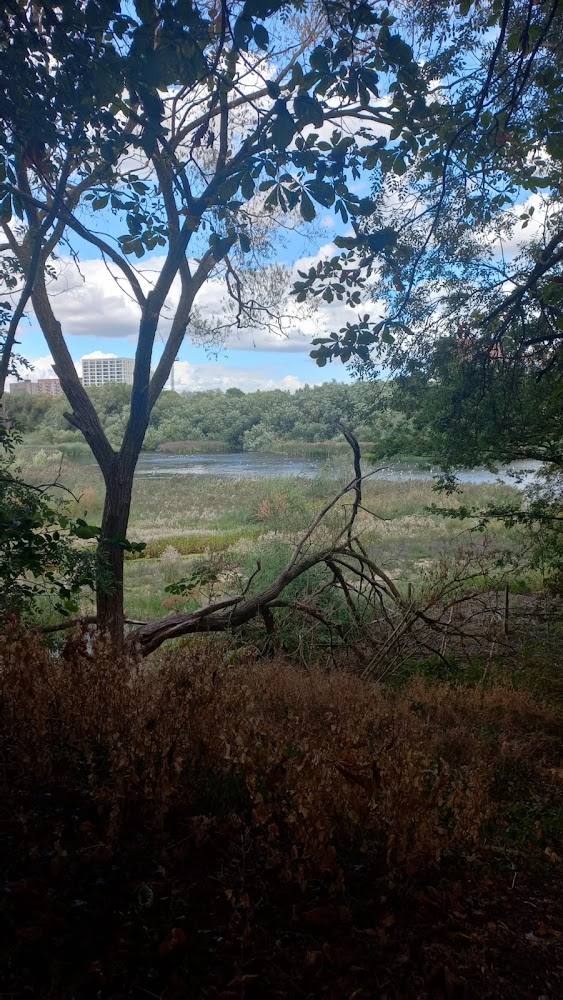
The Welsh Harp brings substantial wetland habitat into north-west London: open water, marsh and fen support diverse birds and plants, while restoration work is designed to give wildlife more room. Its strongest appeal is a genuine nature-watching visit rather than a remote wilderness escape.
Wild · Peaceful
Find your way
Open mapWelsh Harp / Brent Reservoir, north-west London, NW9
Opening map…
Know this place a little better?
The experience
Come for a short waterside wildlife visit: take in the reservoir and wetland habitats, and watch for birds from permitted public areas. For a richer visit, join a scheduled bird or wildlife walk when available. The sources do not establish a specific circular route or a worthwhile full-day itinerary.
Things to do
Look for wetland birds
Watch the reservoir and associated wetlands for birds including little and great crested grebes, willow warblers and ducks.
Allow time to watch quietly
View the floating habitat islands
From Cool Oak Bridge or the nearby picnic area, look for the artificial floating ecosystems installed to provide nesting habitat and improve water quality.
Join a guided wildlife walk
Check the Welsh Harp Conservation Group and RSPB North West London Group programmes for guided walks. Event dates, meeting arrangements and booking requirements can vary.
RSPB walks are normally about 2 hours
Make a day of it
Quick escape · About 1 hour
Quick reservoir wildlife stop
- 01
Use a confirmed public access point at Welsh Harp Open Space or Cool Oak Bridge.
- 02
Spend time looking across the reservoir and its wetland edges for birds.
- 03
From Cool Oak Bridge or the nearby picnic area, look for the floating habitat islands.
Half day · Half day
Make a half day of birdwatching
- 01
Check the Welsh Harp Conservation Group or RSPB North West London Group programme for a suitable guided walk or bird count.
- 02
Join an organised walk or spend longer watching from public waterside areas.
- 03
Look for wetland birds and compare open water with the marsh and reedbed habitats.
Verified history
The supplied Brent heritage talk describes the reservoir landscape as having changed substantially over time and discusses the area’s rivers, earlier farming landscape and reservoir history. It also recounts Bronze Age pottery finds from nearby reservoir banks, but says the finds could not be located; treat that detail as reported history rather than a feature visitors can see on site.
Folklore & legend
No verified local legend is established by the supplied sources. The Welsh Harp Conservation Group’s heritage talk notes a suggestion that the reservoir’s outline resembles a harp, but presents it as something that requires imagination, not as a documented origin for the name.
Hidden details
Floating nesting habitat — The artificial islands were installed in 2022 to provide nesting habitat, particularly for the reservoir’s important great crested grebe population, and to improve water quality.
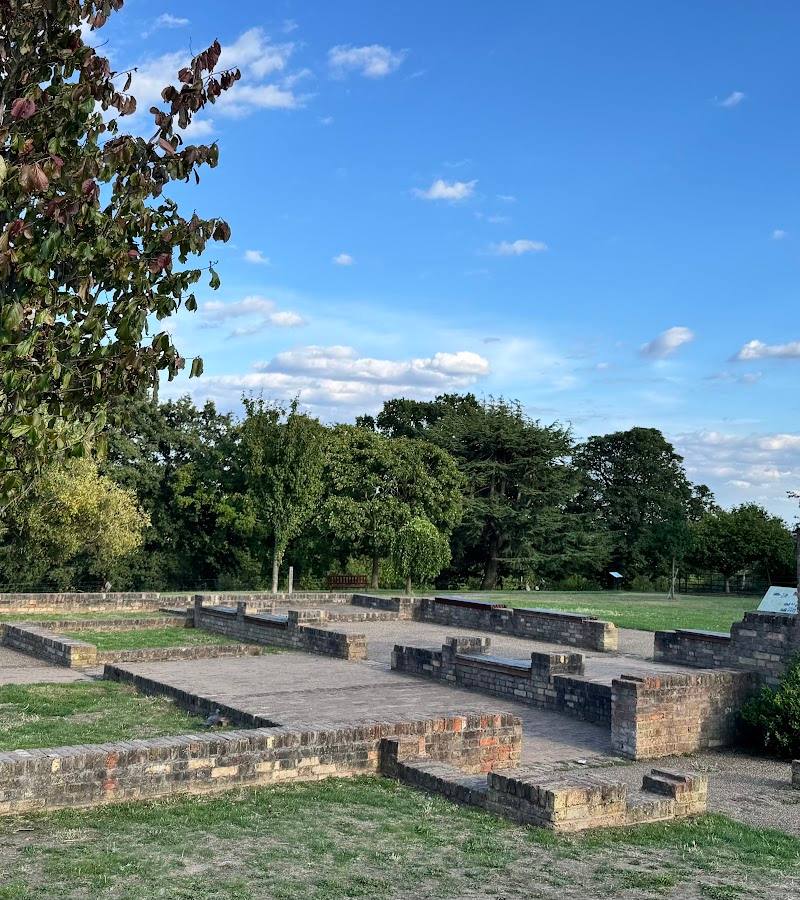
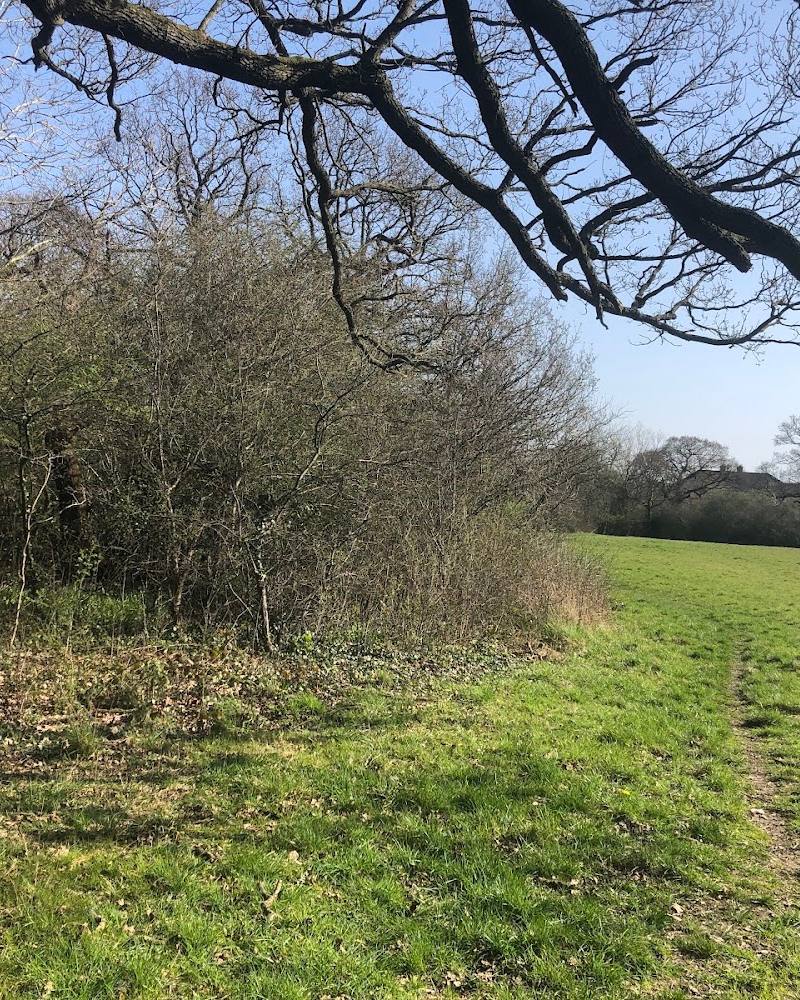
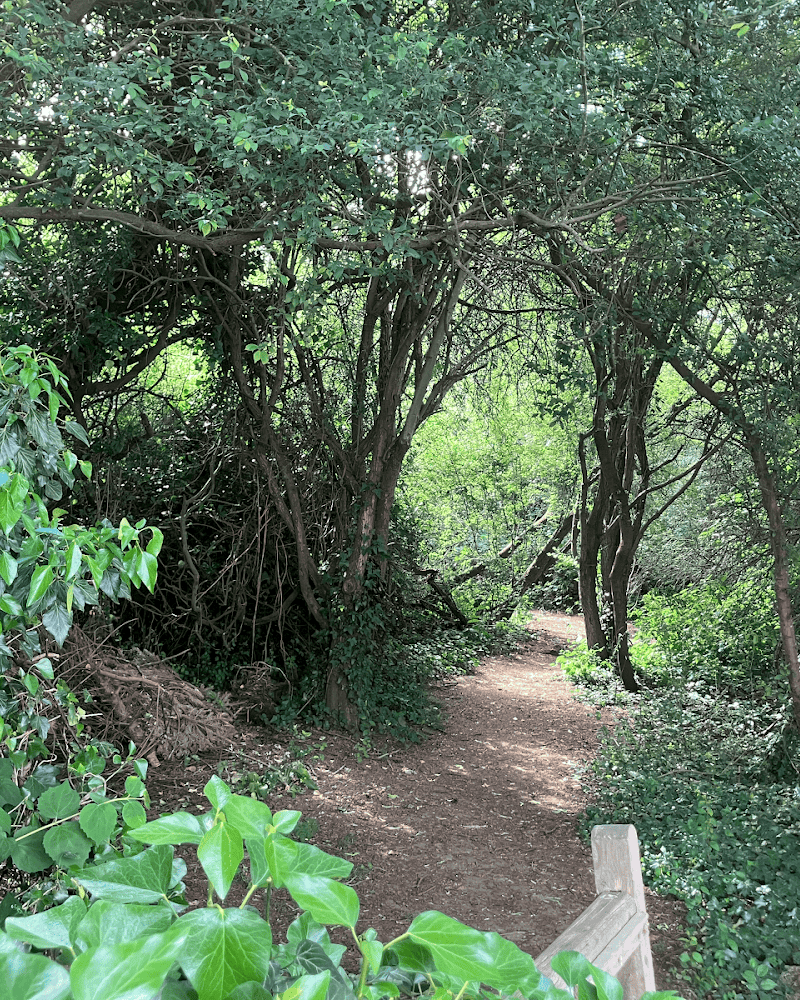
Look beyond the open water — The reserve’s interest includes willow carr, fen and marsh as well as the reservoir itself; these habitats support wetland plants and birds.
When to go
April · May · August · September · Early morning is usually best for birdwatching, according to the Welsh Harp Conservation Group.
The conservation group schedules spring and autumn bird counts during migration periods. Wildlife remains a year-round interest, but sightings vary with season and conditions.
The conservation group advises warm clothing, a rainproof coat and waterproof footwear. Footpaths can be muddy after wet weather; winter conditions can feel bleak.
What to look for
- 01
Look for the floating artificial islands, designed to support great crested grebes
- 02
scan open water and wetland edges for grebes, ducks and other waterbirds
- 03
and notice the contrast between open water, marsh and reedbed.
The story
Reservoir and local landscape history
Best time to go
Year-round; spring and autumn migration periods are highlighted for bird counts.
For birdwatching, the Welsh Harp Conservation Group says mornings are usually best, especially early. Spring and autumn bird counts take place during migration periods; check the group’s current programme before visiting.
How long to spend
1–2 hours
Perfect for
Wildlife lovers · Walkers · Photographers
Before you go
Practical information
Opening & access
Welsh Harp Open Space provides access to the reserve and reservoir. The supplied map pin is a main-place location, not a confirmed entrance; check the council’s current visitor information before setting out.
Check before visiting
Parking
Brent Council lists public car parks at Welsh Harp Open Space, Cool Oak Lane, Neasden Recreation Ground and the Youth Sailing Base. Check current access and parking details before travelling.
Check before visiting
Toilets
No toilets on site, according to Canal & River Trust.
Food & drink
Check before visiting.
Check before visiting
Dogs
Dog walking is listed as a popular activity at Welsh Harp Open Space. Rules may vary by location or event; check current signage and event guidance.
Check before visiting
Accessibility
Public open space is provided for visitors, but route surfaces and step-free access are not confirmed in the supplied sources. Check before visiting.
Check before visiting
Cost
Free
Water
Reservoir; associated marsh, fen and reedbed habitats.
Gallery
Place photographsKeep exploring
Around Welsh Harp Habitat Restoration Area
Within 50 km · approximate straight-line distances