5.3
Wildland
Under 1 hour
Time
Check
Cost
Atmospheric
Feel
Why it's Wildland
5.3Built by the Finch family in 1825, Dollis Hill House later hosted William Ewart Gladstone and Mark Twain. The house was destroyed by fire and demolished, but its story can still be traced in the remains and interpretation described at the site.
Dollis Hill House is a fragment of a lost country-house landscape rather than an intact historic home: its appeal lies in the contrast between the famous guests and the surviving traces within the grounds that became Gladstone Park.
Atmospheric · Historic
Find your way
Open mapNeasden, London NW2 6HT
Opening map…
Know this place a little better?
The experience
Visit for the surviving traces and interpretation of a country house built in 1825, later used as a First World War convalescent hospital and ultimately demolished after fire damage. The house itself no longer stands.
Things to do
Look for the surviving traces
The Layers of London account describes landscaped house ruins, a surviving stable block and visitor information boards about the site's history. Their current condition and access are not independently confirmed here.
Make a day of it
Quick escape · Under 1 hour
Trace the lost house
- 01
Visit the Dollis Hill House remains described in the Layers of London record.
- 02
Look for the site information boards and surviving stable block mentioned in that record.
Verified history
The Layers of London record says the Finch family built Dollis Hill House in 1825, and that William Ewart Gladstone stayed there for extended periods between 1882 and 1896; it also names Mark Twain among its famous visitors. In 1916 the house was acquired for use as an auxiliary military hospital for convalescent patients. The hospital opened with 23 beds, expanded to 71 beds in 1917 and closed in 1923. The house was demolished in 2012. The record describes surviving remains, a stable block and history boards at the site.
Hidden details
A country house turned convalescent hospital — In 1916 the house was adapted for hospital use: the record notes that electricity and hot water were installed and bathrooms built. The auxiliary hospital opened with 23 beds; open-air huts increased capacity to 71 in 1917.
The house is gone, but the site has traces — The house was demolished in 2012. The Layers of London record describes landscaped ruins, a surviving stable block and information boards; verify what remains accessible today.
When to go
· No specific time is established by the supplied sources.
The supplied sources provide no reliable seasonal guidance for visiting the house remains.
Check current conditions and site information before visiting.
Worth pairing with
Gladstone Park
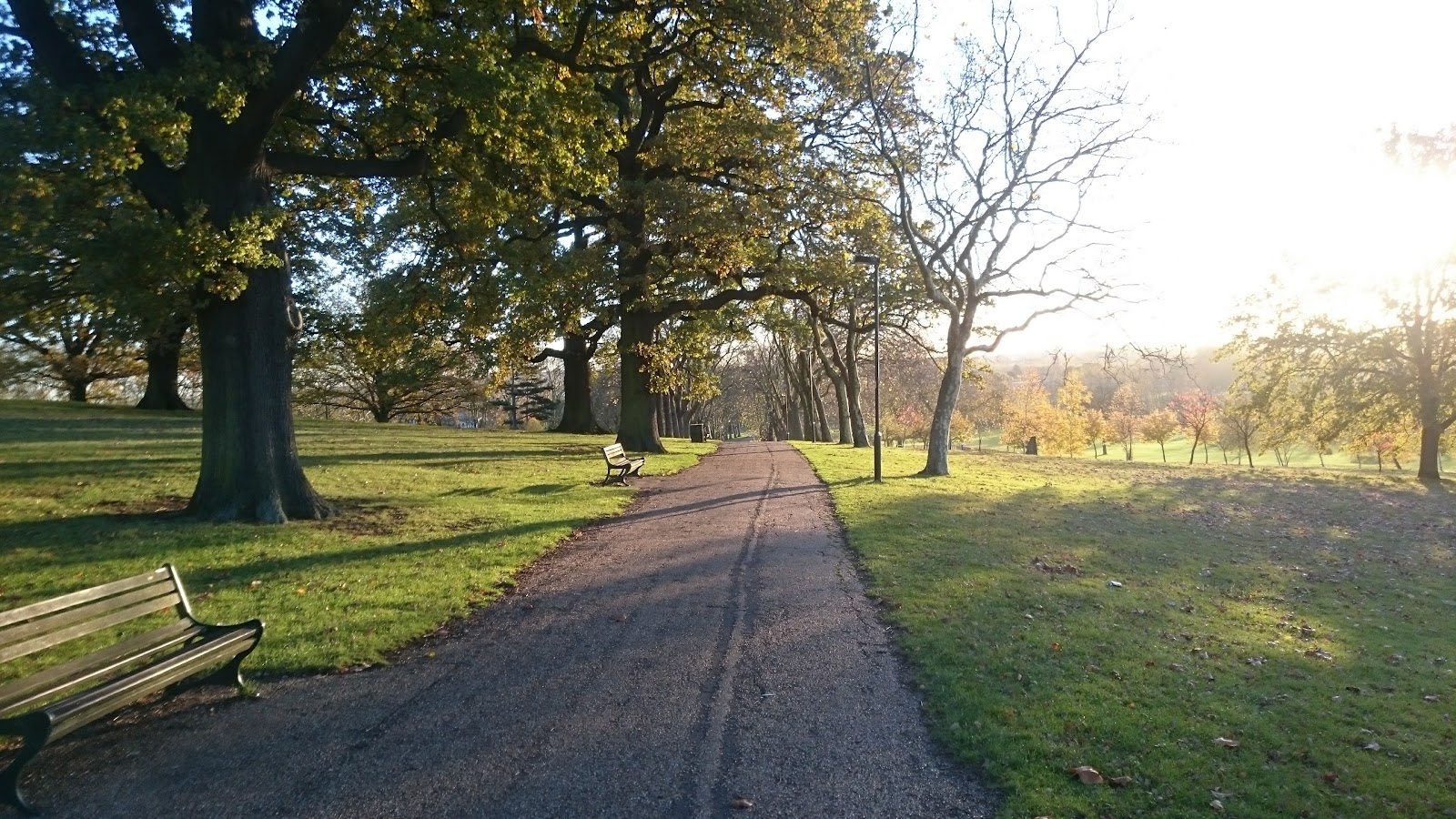
The house grounds form part of the present-day park. A supplied visitor-information page describes the park as a public green space with woodland walks and a walled garden; this is a broader park visit, not a verified itinerary for the house remains.
What to look for
Look for the surviving remains described in the Layers of London record, the nearby stable block, and the history information boards attributed there to the Dollis Hill House Trust. The original house was demolished in 2012.
The story
Country-house history; William Ewart Gladstone; First World War auxiliary hospital
Best time to go
No season-specific advantage is established by the supplied sources; check current site information before visiting.
No best time is established by the supplied sources. Check current site information before setting out.
How long to spend
Under 1 hour
Perfect for
History lovers · Walkers
Before you go
Address
Website
Listed hours
- Monday: 9am-5pm
- Tuesday: Closed
- Wednesday: 9am-5pm
- Thursday: 9am-5pm
- Friday: 9am-5pm
- Saturday: 9am-5pm
- Sunday: 9am-5pm
Check before visiting.
Google rating
Practical information
Opening & access
The house was demolished in 2012. Its surviving remains are described as being within the grounds now forming Gladstone Park; check current access and conditions before visiting.
Check before visiting
Parking
Check before visiting.
Check before visiting
Toilets
Check before visiting.
Check before visiting
Food & drink
A café is reported in the surviving stable block; check current opening and availability before visiting.
Check before visiting
Dogs
Check before visiting.
Check before visiting
Accessibility
The source row reports a wheelchair-accessible car park and entrance, but does not establish whether these refer to the house remains or current site arrangements. Check before visiting.
Check before visiting
Cost
Check before visiting
Check before visiting
Gallery
Place photographs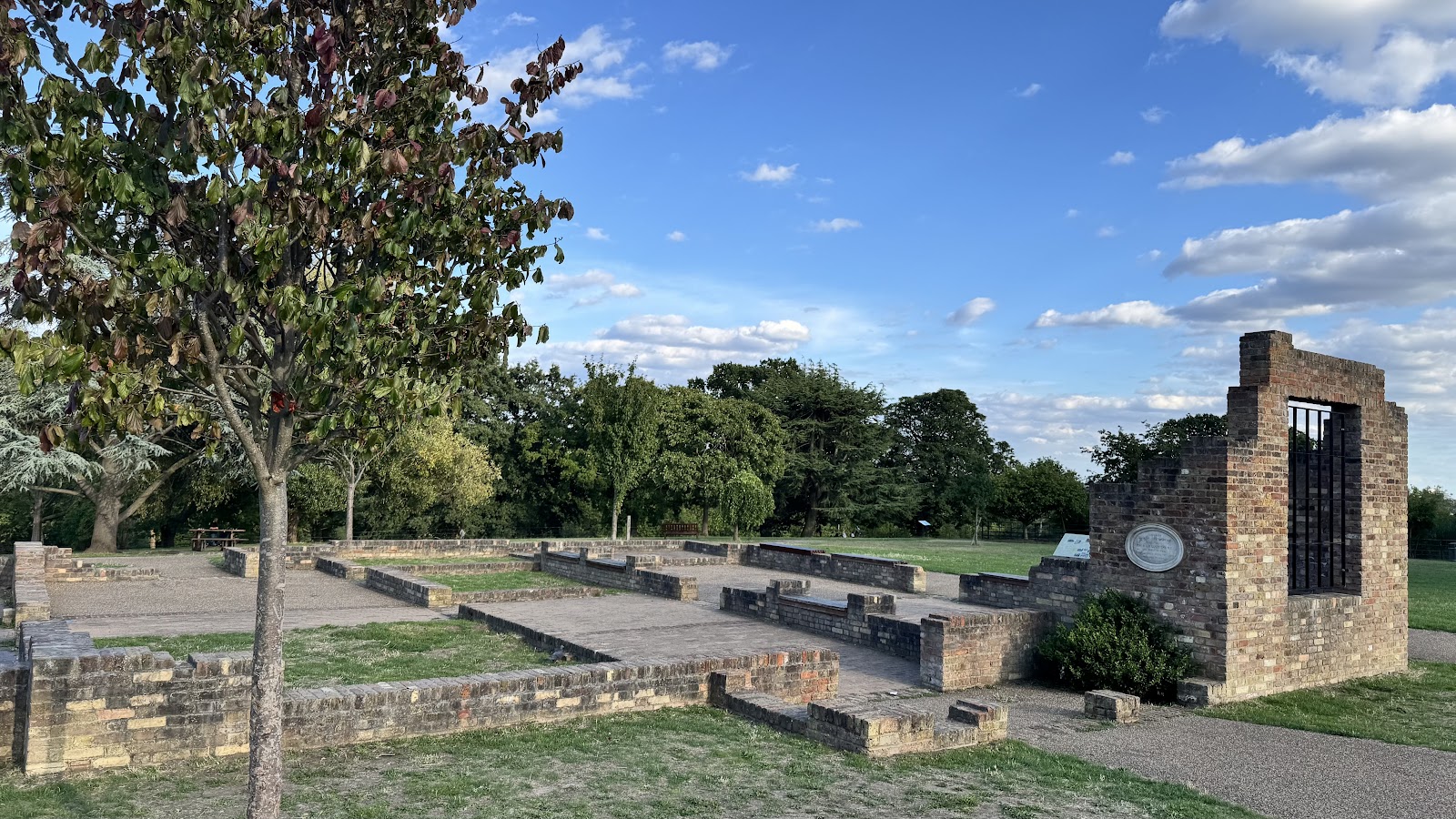
Keep exploring
Around Dollis Hill House
Within 50 km · approximate straight-line distances