Dislingbury Lane, Tonbridge, Kent TN11 0PT
Tudeley Woods
Ancient woodland
Source image
6.5
Wildland
1–2 hours
Time
Check
Cost
Peaceful
Feel
Why it's Wildland
6.5Ancient sunken paths cross a woodland landscape shaped by coppicing and conservation, where spring bluebells share space with heathland, migrant birds and an unusually rich record of fungi.
Tudeley Woods offers more than a quiet woodland walk: ancient sunken paths, bluebell rides and a varied mix of woodland and heathland sit alongside a notable record of fungi and birdlife. Its appeal lies in exploring the trails slowly and noticing how conservation and traditional woodland management shape the landscape.
Peaceful · Ancient-feeling
Find your way
Open mapDislingbury Lane, Tonbridge, Kent TN11 0PT
Opening map…
Know this place a little better?
The experience
Choose a short circular walk within the reserve, or make a longer outing by following a route that extends into the surrounding countryside. The woodland’s ancient sunken paths, nature trails and seasonal wildlife are the main reasons to take your time.
Things to do
Walk a circular route through the woods
A published route describes a 1½-mile circular walk within Tudeley Woods. Check current access and route conditions before starting.
About 1 hour
Extend the walk into the surrounding countryside
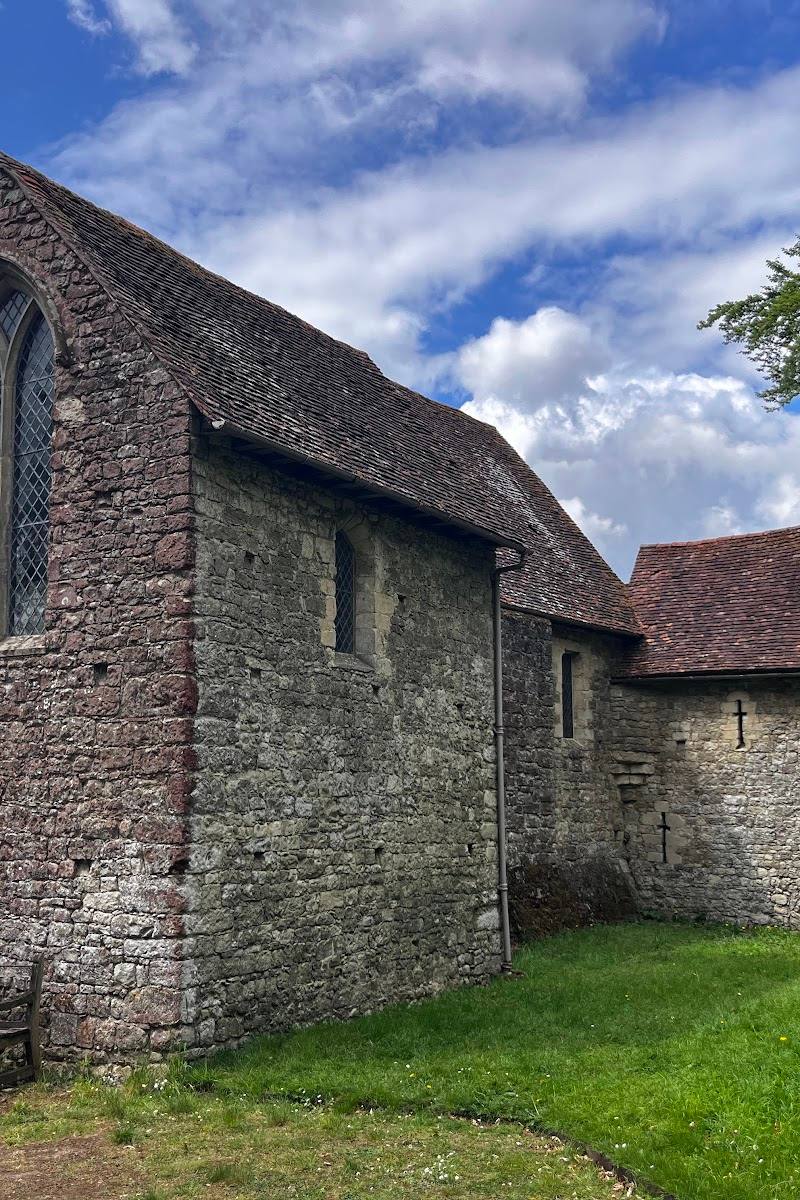
A longer published circular route starts in the reserve, follows part of the Tunbridge Wells Circular Walk and passes Kent College and St Peter’s Old Church.
About 2 hours
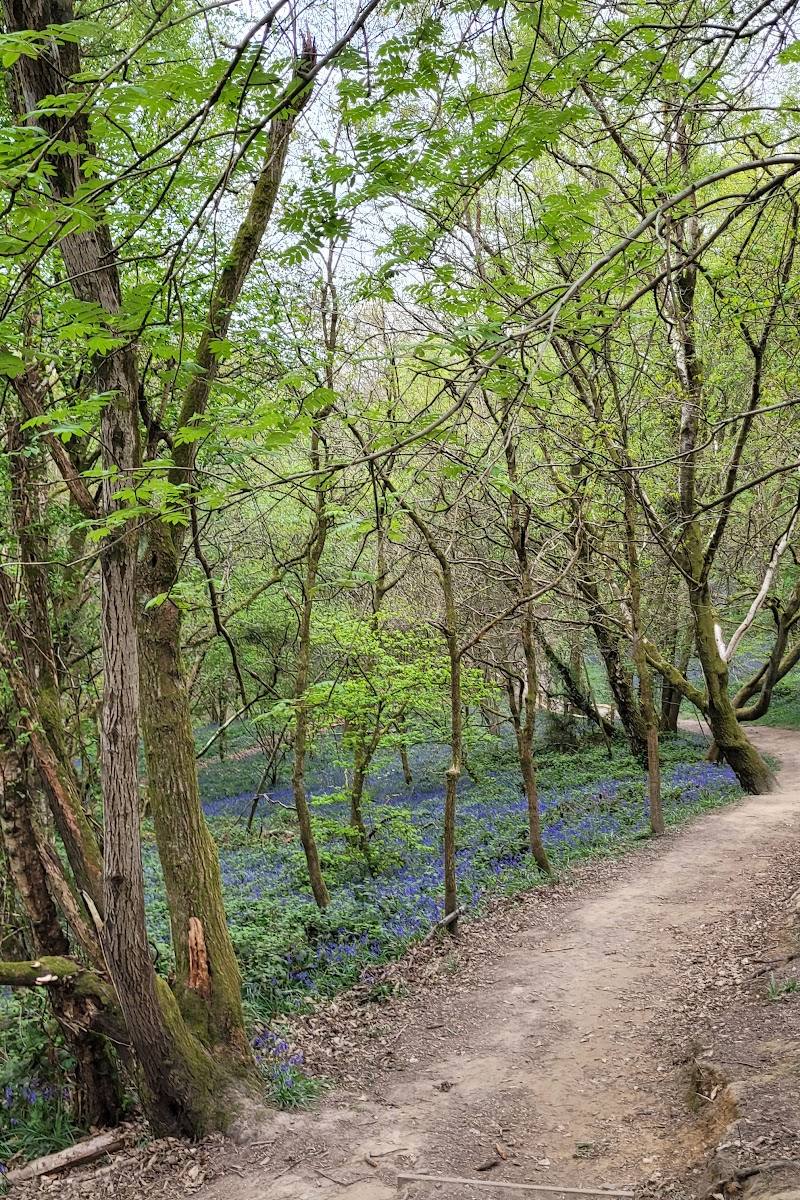
Look for spring bluebells
Bluebell walks are described as a popular spring activity on the estate. Keep to signed paths and avoid disturbing plants or wildlife.
Explore the ancient sunken paths
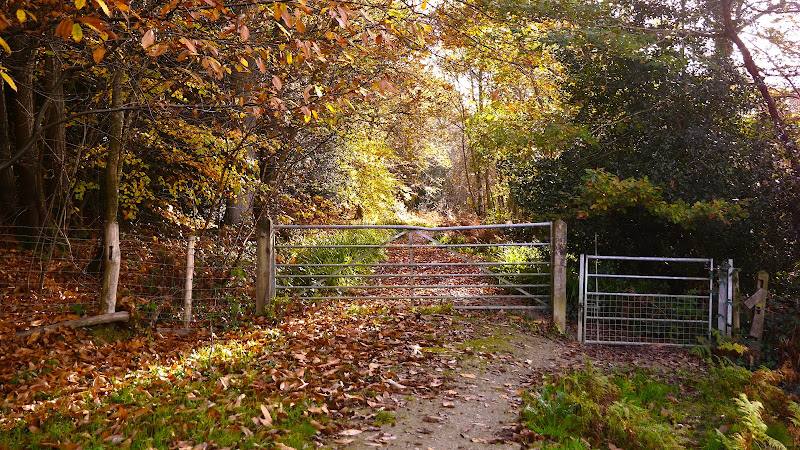
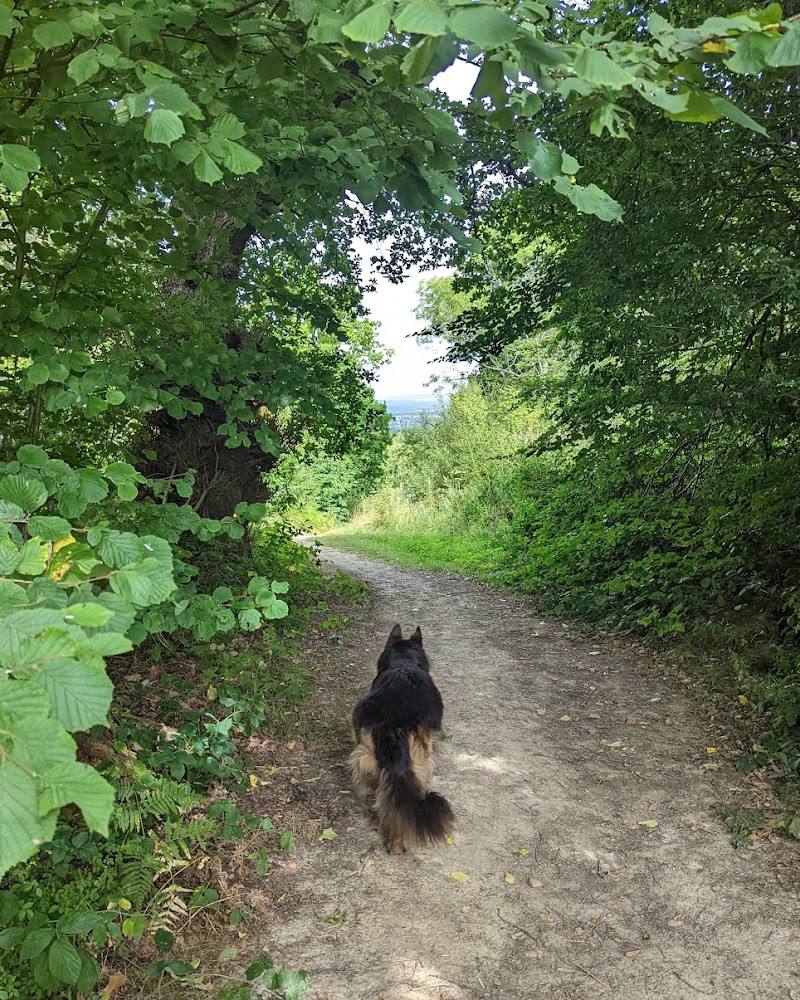
The estate describes ancient sunken paths traditionally used by drovers, alongside footpaths and rides through the woodland.
Make a day of it
Quick escape · About 1 hour
Quick woodland escape
- 01
Check current access and identify the correct entrance before setting out.
- 02
Choose the shorter circular route within the reserve.
- 03
Take time to notice the sunken paths and seasonal woodland growth.
Half day · About 2–3 hours
Make a half day of it
- 01
Follow the longer circular route, which starts in the reserve and extends into the surrounding countryside.
- 02
Pass Kent College and St Peter’s Old Church on the described route.
- 03
Return through the woodland and look out for the sunken paths and, in spring, bluebells.
Verified history
The estate says ancient sunken paths through the woods were traditionally used by drovers. Woodland management includes chestnut coppicing and conservation work. No specific dates or named historical events are established by the supplied sources.
Hidden details
Sunken drovers’ paths — Look for the ancient sunken paths traditionally used by drovers, now part of the woodland’s network of footpaths and rides.
A remarkable fungi record — The estate reports that more than 1,100 fungi species, including rare varieties, have been found in the woodland. The supplied source does not identify particular species or locations.
When to go
April · May · Check current access and conditions; the sources do not identify a preferred time of day.
The estate describes bluebell walks as a popular spring activity. It also reports migrant birds that overwinter, but does not specify the best viewing periods.
Trail surface and weather-related conditions are not described in the supplied sources. Check before visiting.
Worth pairing with
St Peter’s Old Church
A longer published circular walk from the reserve passes St Peter’s Old Church, making it a sourced heritage addition to the woodland walk.
Kent College
The longer published circular route passes Kent College. The source does not establish visitor access to the college itself.
What to look for
- 01
Look for the ancient sunken paths, chestnut coppice, bluebells in spring and signs of woodland birdlife. The estate reports that more than 1,100 fungi species have been recorded in the woodland
- 02
do not pick or disturb wildlife.
The story
Traditional droving routes and woodland management
Best time to go
Spring for bluebells; other seasons offer changing woodland and wildlife interest.
Spring is the clearest seasonal draw for bluebell walks. The estate also describes wildlife and migrant birds across the seasons; check local conditions and access before visiting.
How long to spend
1–2 hours
Perfect for
Walkers · Wildlife lovers · Photographers
Before you go
Address
Phone
Website
Listed hours
- Monday: Open 24 hours
- Tuesday: Open 24 hours
- Wednesday: Open 24 hours
- Thursday: Open 24 hours
- Friday: Open 24 hours
- Saturday: Open 24 hours
- Sunday: Open 24 hours
Check before visiting.
Google rating
Practical information
Opening & access
The estate describes nature trails and footpaths through Tudeley Woods, while a visitor listing reports a small car park off Half Moon Lane. Check current access, the correct entrance and parking arrangements before visiting, and follow footpath signs across the estate. Access arrangements are unconfirmed. Check before visiting; do not enter private land or restricted structures.
Check before visiting
Parking
A visitor listing reports a small free car park off Half Moon Lane, with limited lay-by parking if the car park is locked. Verify current arrangements before setting out.
Check before visiting
Toilets
Check before visiting
Check before visiting
Food & drink
Check before visiting
Check before visiting
Dogs
Check before visiting and follow estate footpath signs, particularly during the nesting season.
Check before visiting
Accessibility
The source row reports a wheelchair-accessible car park but not a wheelchair-accessible entrance. Trail surfaces and step-free access are not confirmed; check before visiting.
Check before visiting
Cost
Check before visiting
Check before visiting
Gallery
Place photographsKeep exploring
Around Tudeley Woods
Within 50 km · approximate straight-line distances