Eridge Green, near Tunbridge Wells, East Sussex
Eridge Rocks Nature Reserve
Mixed-habitat reserve
Place photograph
6.6
Wildland
1–2 hours
Time
Free
Cost
Atmospheric
Feel
Why it's Wildland
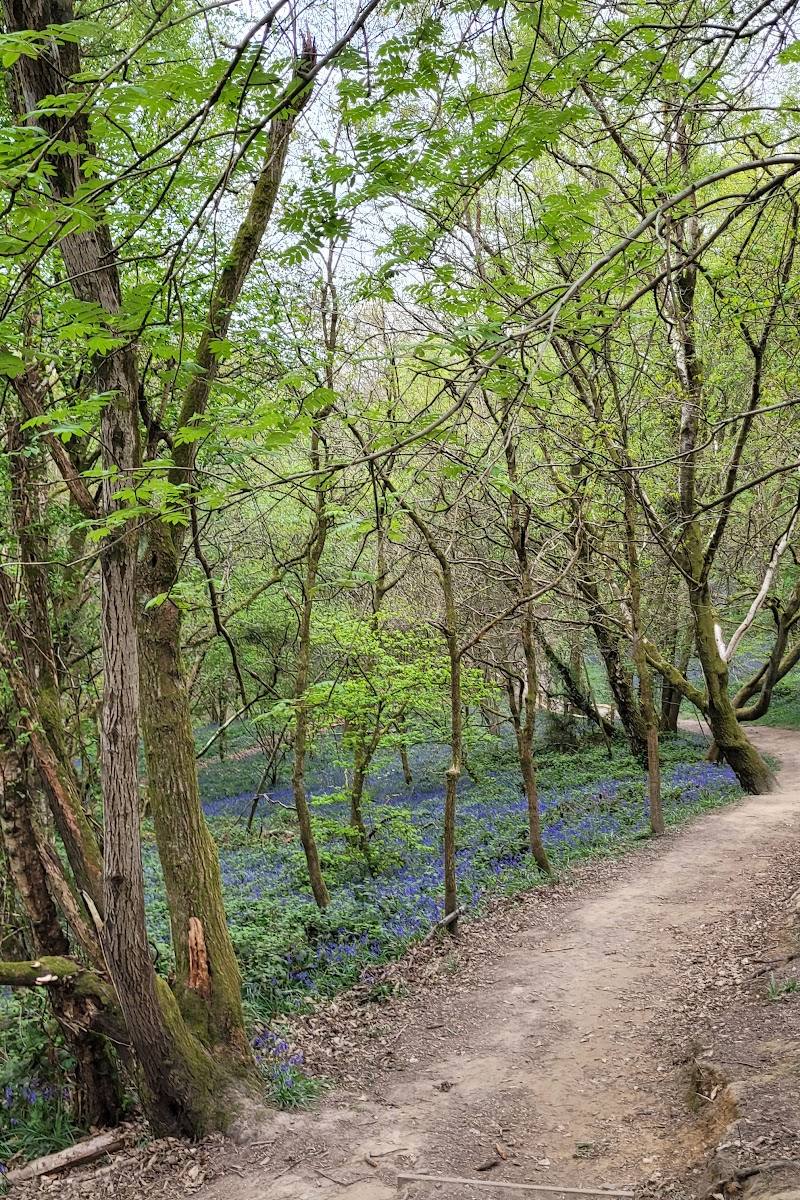
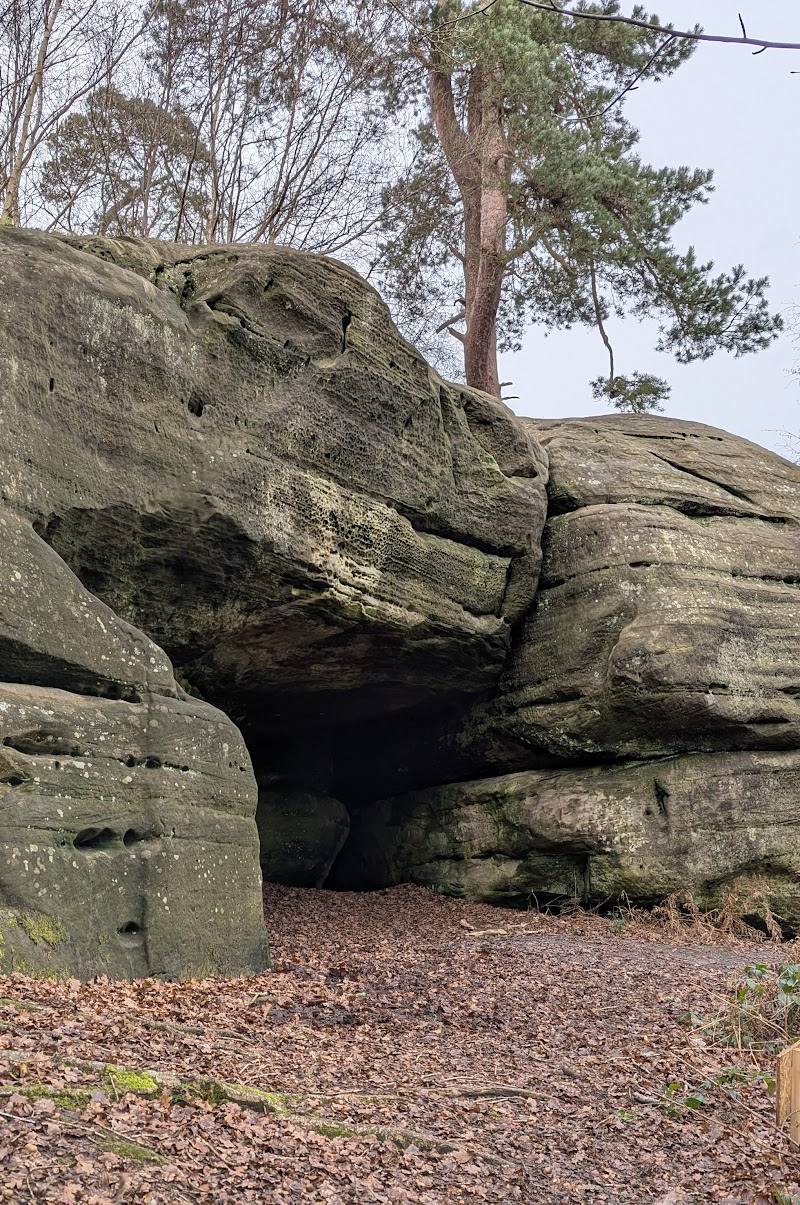
6.6A 44-hectare woodland reserve where huge, weathered sandstone blocks rise unexpectedly among the trees. The rocks shelter rare mosses, liverworts and lichens in a damp, shaded microclimate.
Eridge Rocks is more than a woodland walk: its rugged sandstone outcrops create an unusual inland landscape and a delicate habitat for rare lower plants. The best visit is a slow wander among the rocks, looking closely without touching their fragile protective crust.
Atmospheric · Quirky · Ancient-feeling
Find your way
Open mapEridge Green, near Tunbridge Wells, East Sussex
Opening map…
Know this place a little better?
The experience
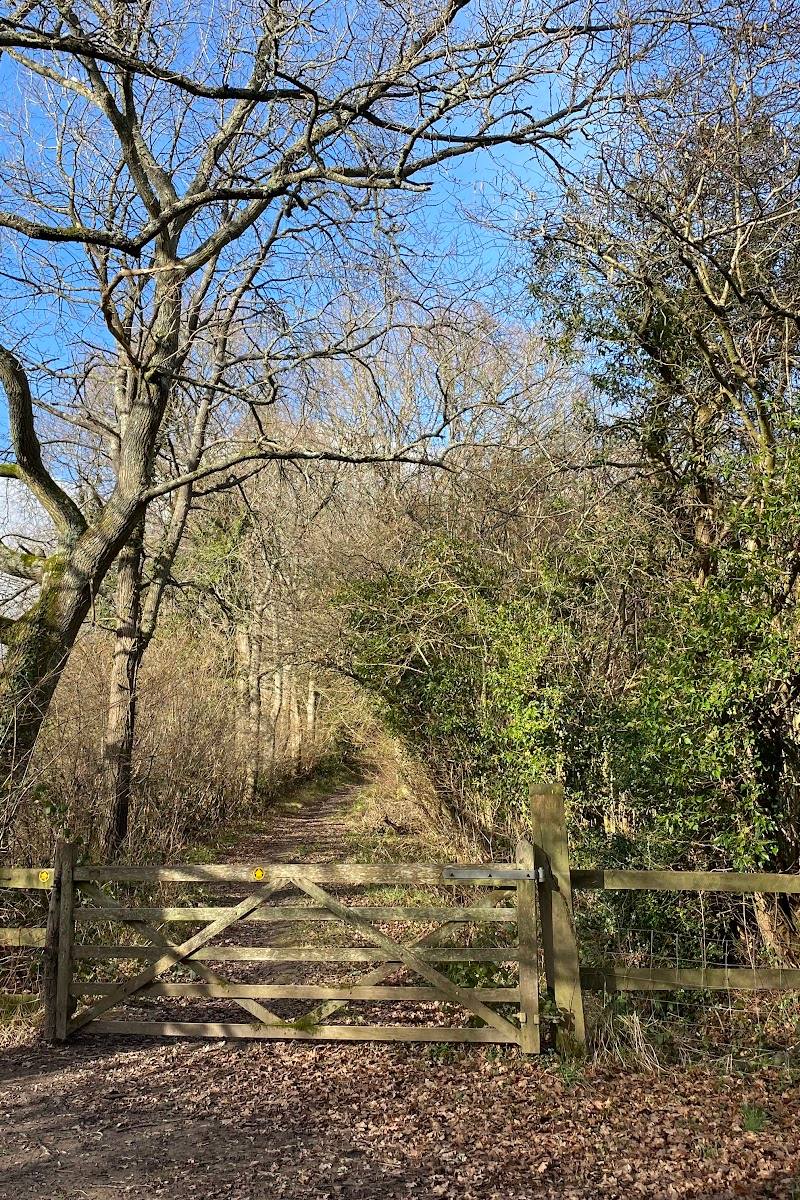
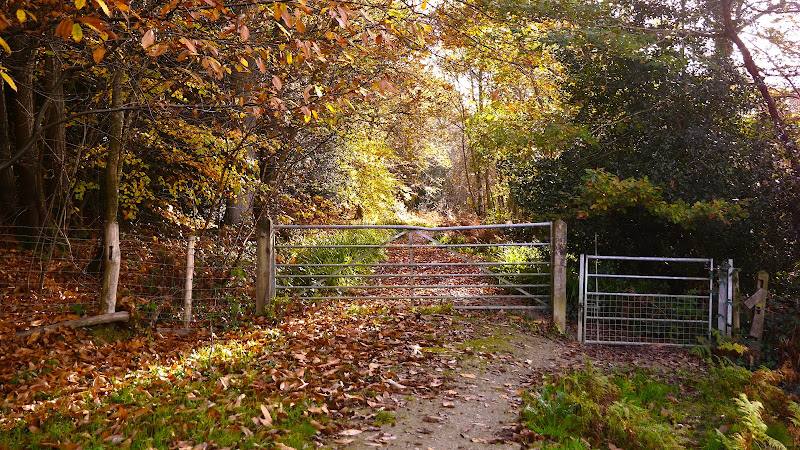
Follow the paths through woodland to encounter the sandstone outcrops, their fissures and overhangs, and the damp, shaded niches where rare mosses, liverworts and lichens grow. Keep to paths and wear sensible footwear, especially in wet weather.
Things to do
Explore the sandstone outcrops
Follow the paths among the large, irregular sandstone blocks. Look for their dark protective crust, rocky overhangs and shelters; the rock is friable, so look but do not touch.
Allow part of your visit
Look closely for lower plants
The shaded, damp sandstone provides habitat for rare mosses, liverworts and lichens, including oceanic species. Observe them without disturbing the rocks.
Watch the woodland rides
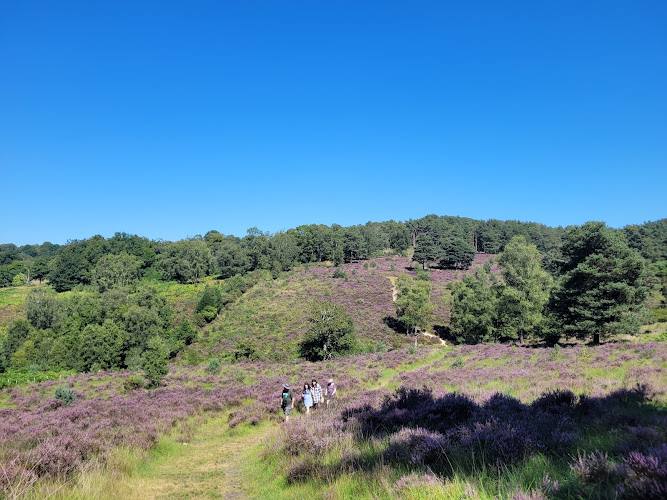
The reserve’s sunnier rides support butterflies and beetles. Keep to paths and watch for adders basking.
Make a day of it
Quick escape · 1–2 hours
Quick escape: meet the sandstone
- 01
Enter from Warren Farm Lane and follow the reserve paths towards the sandstone outcrops.
- 02
Pause at the larger blocks to notice their weathered crust, fissures, overhangs and sheltered niches.
- 03
Look closely at the shaded rock habitat without touching it, then return by the paths.
Half day · Half day
Make a half day of it: rocks, woodland and close looking
- 01
Allow time to explore the sandstone outcrops and the surrounding woodland at an unhurried pace.
- 02
Compare the damp, semi-shaded rock faces with the sunnier woodland rides, watching for butterflies and beetles.
- 03
Finish with a nearby meal only if you have independently confirmed a suitable venue; nearby facilities are not verified here.
Verified history
This is a geological and natural-history story rather than a documented human-history account. Sussex Wildlife Trust describes the reserve’s sandstone blocks, ancient woodland and unusual rock habitat. A Sussex Geodiversity Partnership representative notes that inland natural rock outcrops are uncommon across southern England.
Hidden details
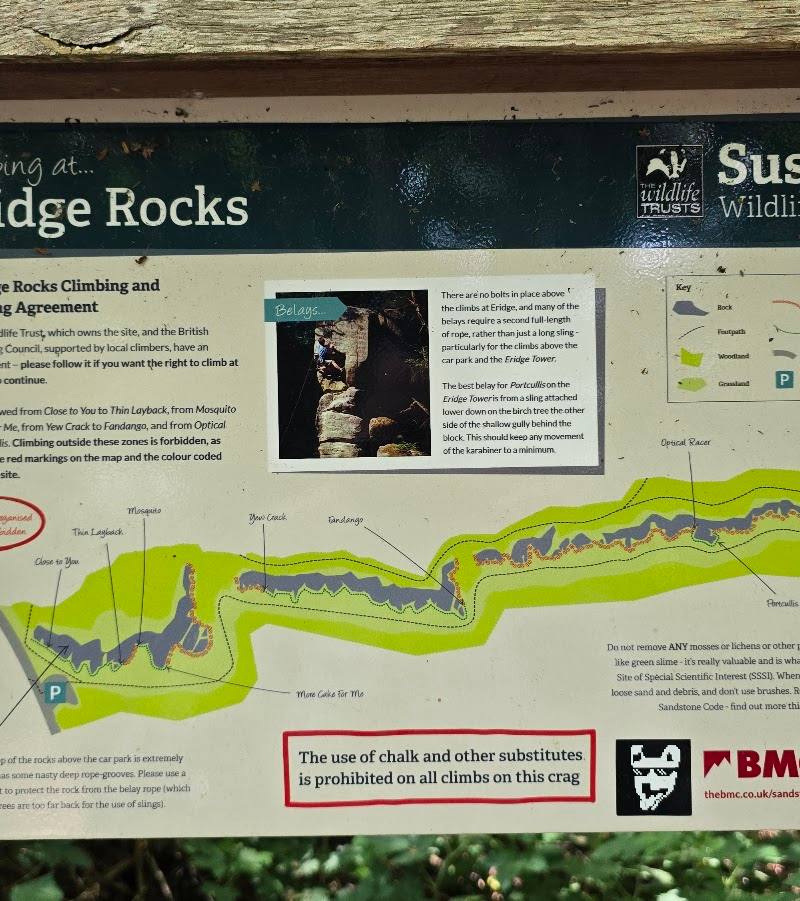
A living protective crust — The rocks carry a crust that helps protect the sandstone from erosion. The Trust warns that the stone is easily damaged and friable: look closely, but do not touch or remove the crust.
A damp refuge on the rocks — The rocks create an unusually mild, damp and semi-shaded habitat where rare mosses, liverworts and lichens can grow.
Fissures and sheltered overhangs — Look for cracks and rocky overhangs that form small sheltered spaces within the outcrops.
When to go
· Choose a dry spell for more comfortable walking; no particular time of day is established by the supplied evidence.
The reserve is described as open at all times, but winter paths can be muddy. The supplied information gives no verified month-by-month wildlife calendar.
Paths can be muddy in winter. Wear sensible footwear. Adders may bask; keep to the paths.
Worth pairing with
Holy Trinity Church, Eridge Green
A nearby church is mentioned in a visitor review, but the supplied sources do not establish its current access or visiting arrangements. Check before making it part of a trip.
Nevill Crest and Gun
A nearby pub is mentioned in visitor reviews. Verify current opening and food service before relying on it.
What to look for
- 01
The dark protective crust on the sandstone
- 02
rocky overhangs and shelters
- 03
damp, shaded crevices with mosses, liverworts and lichens
- 04
veteran oak and beech among sweet chestnut, birch and hazel
- 05
butterflies and beetles along sunny rides. Do not touch or scrape the rock.
The story
Geology and natural history
Best time to go
Spring to autumn for easier walking and close observation of the rocks and woodland; winter paths can be muddy.
Choose a dry day if possible. The Trust warns that paths can be muddy in winter; in warmer weather, look out for adders basking while staying on the paths.
How long to spend
1–2 hours
Perfect for
Walkers · Photographers · Wildlife lovers · Families
Before you go
Address
Website
Listed hours
- Monday: Open 24 hours
- Tuesday: Open 24 hours
- Wednesday: Open 24 hours
- Thursday: Open 24 hours
- Friday: Open 24 hours
- Saturday: Open 24 hours
- Sunday: Open 24 hours
Check before visiting.
Google rating
Practical information
Opening & access
Sussex Wildlife Trust says the reserve is open at all times and free to visit. It describes generally flat paths with access across the reserve, but paths may be muddy in winter. Keep to the paths: the sandstone is fragile and adders may bask nearby. Check current details before travelling.
Check before visiting
Parking
Only a small amount of car parking is available, according to Sussex Wildlife Trust. Please park considerately; the supplied map pin is a main-place pin, not a verified parking or entrance pin.
Toilets
Toilets are available nearby at Harrison Rocks car park and in Tunbridge Wells and Crowborough; check before travelling.
Check before visiting
Food & drink
Check before visiting.
Check before visiting
Dogs
Dogs are welcome on leads; keep them under close control and clean up after them.
Accessibility
The Trust describes access across the reserve as generally flat, with no stiles or gates, but paths can be muddy in winter. Google source data reports a wheelchair-accessible entrance and seating; suitability of paths and rock areas for individual needs is not established, so check before visiting.
Check before visiting
Cost
Free
Gallery
Place photographs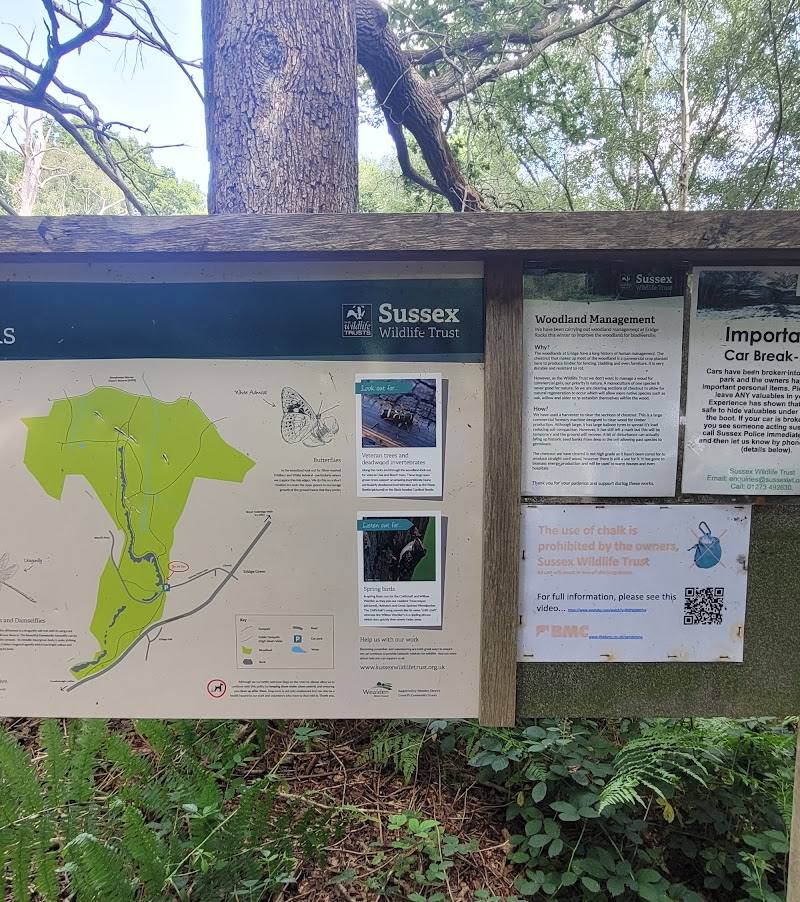
Keep exploring
Around Eridge Rocks Nature Reserve
Within 50 km · approximate straight-line distances