Daffodil Crescent, Enfield, EN4 0PS
Trent Park House of Secrets
Museum & collection
Source image
7.5
Wildland
1–2 hours
Time
Paid
Cost
Atmospheric
Feel
Why it's Wildland
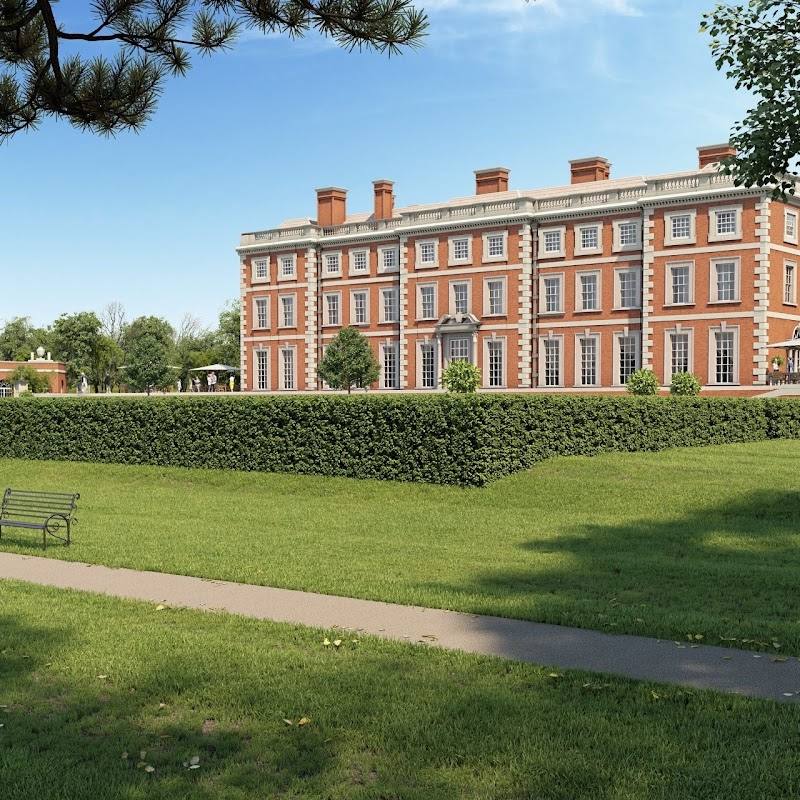
7.5A glamorous 1930s country retreat became a secret wartime listening post, where German prisoners of war were monitored as they talked in apparent comfort.
The unusual draw is the contrast inside one house: restored 1930s state rooms above, and the story of wartime surveillance below. It is a distinctive piece of hidden history, rather than simply another historic house.
Atmospheric · Historic
Find your way
Open mapDaffodil Crescent, Enfield, EN4 0PS
Opening map…
Know this place a little better?
The experience
Explore two contrasting sides of Trent Park House: the recreated state rooms associated with Sir Philip Sassoon, then the basement and exhibits telling the story of wartime surveillance. The museum recommends booking ahead; allow time to check current access and ticket information.
Things to do
Explore the recreated state rooms
See the rooms restored to their 1930s appearance, reflecting the House’s period as Sir Philip Sassoon’s country retreat.
Discover the Secret Listeners’ story
Visit the basement displays about monitoring the conversations of German prisoners of war held at Trent Park during the Second World War.
Look at the surveillance exhibits
Explore exhibits about the intelligence operation and the listening methods used at the House; the supplied Londonist article also describes an exhibition room with listening equipment and a model of the building.
Make a day of it
Quick escape · Allow around 1–2 hours; confirm visit duration with the museum.
Quick Escape: state rooms and secrets
- 01
Book or check walk-up availability before travelling.
- 02
Explore the recreated 1930s state rooms.
- 03
Continue to the basement and wartime surveillance displays.
- 04
Check the official visitor page for last admission and current access details.
Half day · Half day; park-walking time is not specified by the supplied sources.
Make a half day of it: museum and park setting
- 01
Visit the museum, exploring both the state rooms and the basement displays.
- 02
If arriving by car, use the parking information on the museum’s visitor page and allow for the stated walk from the country-park car park.
- 03
Consider time in Trent Country Park, but check current park access and routes independently before setting out.
Verified history
In the 1920s and 1930s, Trent Park House was Sir Philip Sassoon’s country retreat and hosted prominent guests. After Sassoon’s death in 1939, the house was requisitioned for wartime use. German prisoners of war, including senior officers, were held there while their conversations were monitored by Secret Listeners. The museum presents this history across recreated state rooms and basement displays.
Hidden details
The house had two very different wartime roles — The visitor experience contrasts the apparent comfort of the rooms used by prisoners with the covert listening operation described in the basement displays.
A secret door links the stories — Londonist describes a secret door leading from the recreated domestic rooms into the espionage exhibits.
When to go
· No season-specific advantage is established by the supplied sources. Check opening times and last admission before setting out.
The museum is an indoor visit; no seasonal highlights are evidenced in the supplied sources.
The museum is indoors. The official visitor page describes walks between the House and nearby transport or car parking; check conditions and access arrangements before travel.
Worth pairing with
Trent Country Park
The museum’s visitor information describes a free car park inside Trent Country Park, a 15-minute walk from the House. The supplied sources do not establish particular park routes or attractions, so check current park information before planning extra time there.
What to look for
Notice the contrast between the recreated 1930s state rooms and the basement where the Secret Listeners worked. Look for the museum’s exhibits explaining how prisoners’ conversations were monitored.
The story
Sir Philip Sassoon’s 1920s–30s country retreat and its later use for wartime surveillance of German prisoners of war.
Best time to go
Not season-dependent; check the museum’s current opening arrangements before visiting.
Visit on an open day, Tuesday to Sunday. The last admission is listed as 4pm, with earlier closing and last admission times in November and December; check the official page for current arrangements.
How long to spend
1–2 hours
Perfect for
History lovers · Couples · Solo
Before you go
Address
Phone
Website
Listed hours
- Monday: Closed
- Tuesday: 10am-5pm
- Wednesday: 10am-5pm
- Thursday: 10am-5pm
- Friday: 10am-5pm
- Saturday: 10am-5pm
- Sunday: 10am-5pm
Check before visiting.
Google rating
Practical information
Opening & access
A ticketed museum open Tuesday to Sunday. Online booking is recommended; limited walk-up tickets may be available. Check current visitor information before travelling.
Check before visiting
Parking
The museum has no car park. The official visitor page describes free parking inside Trent Country Park, followed by a 15-minute walk to the House; paid parking is also available at Oakwood Underground station. Check current arrangements before travel.
Check before visiting
Toilets
A wheelchair-accessible toilet is listed in the supplied source-row accessibility information; confirm current facilities with the museum.
Food & drink
The museum’s official website advertises a café, open Tuesday to Sunday, 9am–5pm. Check before visiting.
Check before visiting
Dogs
Check with the museum before visiting with a dog.
Check before visiting
Accessibility
The supplied source-row information lists a wheelchair-accessible entrance and toilet. The museum’s visitor page also refers to parking and drop-off provision for Blue Badge holders or visitors with mobility issues; check the current details with the venue.
Check before visiting
Cost
Paid
Gallery
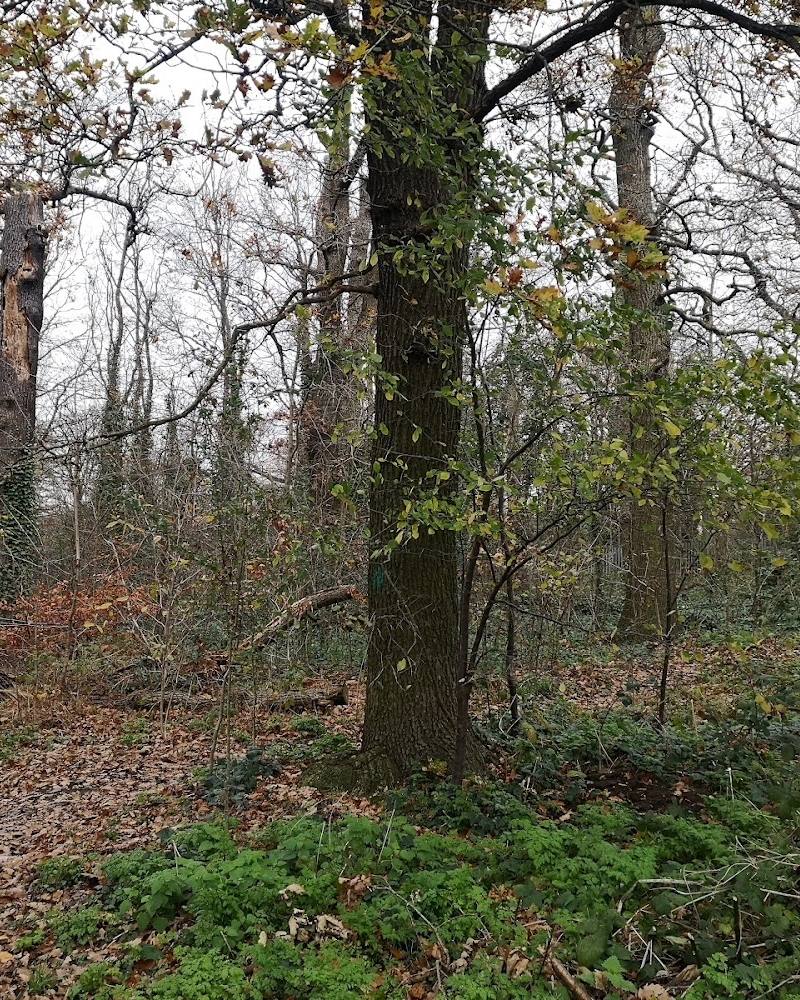
Place photographsKeep exploring
Around Trent Park House of Secrets
Within 50 km · approximate straight-line distances