Winton Avenue, London N11 2AR
Bluebell Wood, London
Ancient woodland
Source image
5.8
Wildland
Check before visiting
Time
Check
Cost
Peaceful
Feel
Why it's Wildland
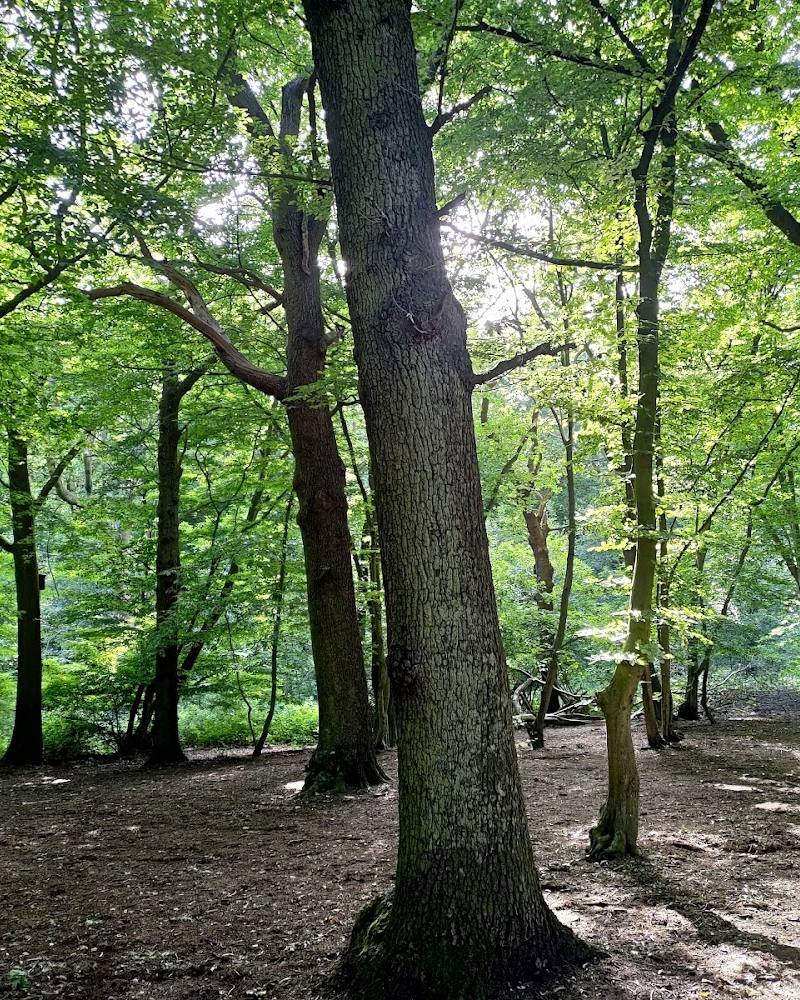
5.8This small north London wood is the last remnant of the much larger Tottenham Wood, which covered 157 hectares in 1619. Most of its trees are sessile oaks.
An urban woodland with a genuine continuity of place: Haringey Council identifies it as ancient woodland and the surviving fragment of Tottenham Wood. Its story is stronger than its name suggests—there are no native bluebells here.
Peaceful
Find your way
Open mapWinton Avenue, London N11 2AR
Opening map…
Know this place a little better?
The experience
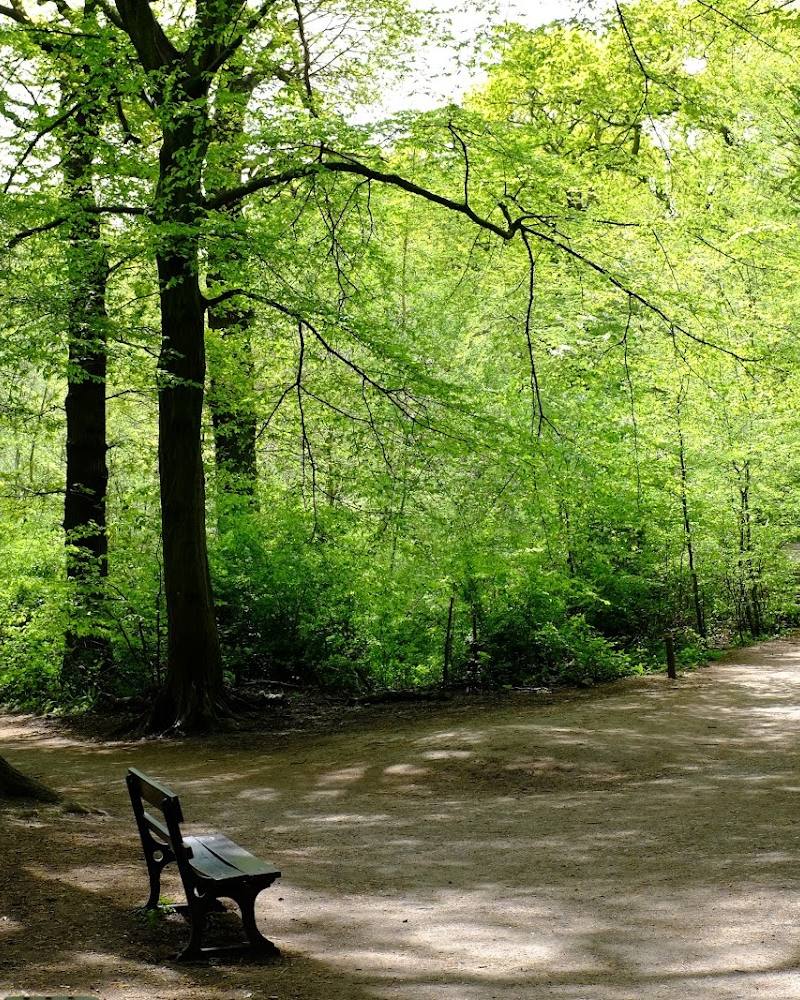
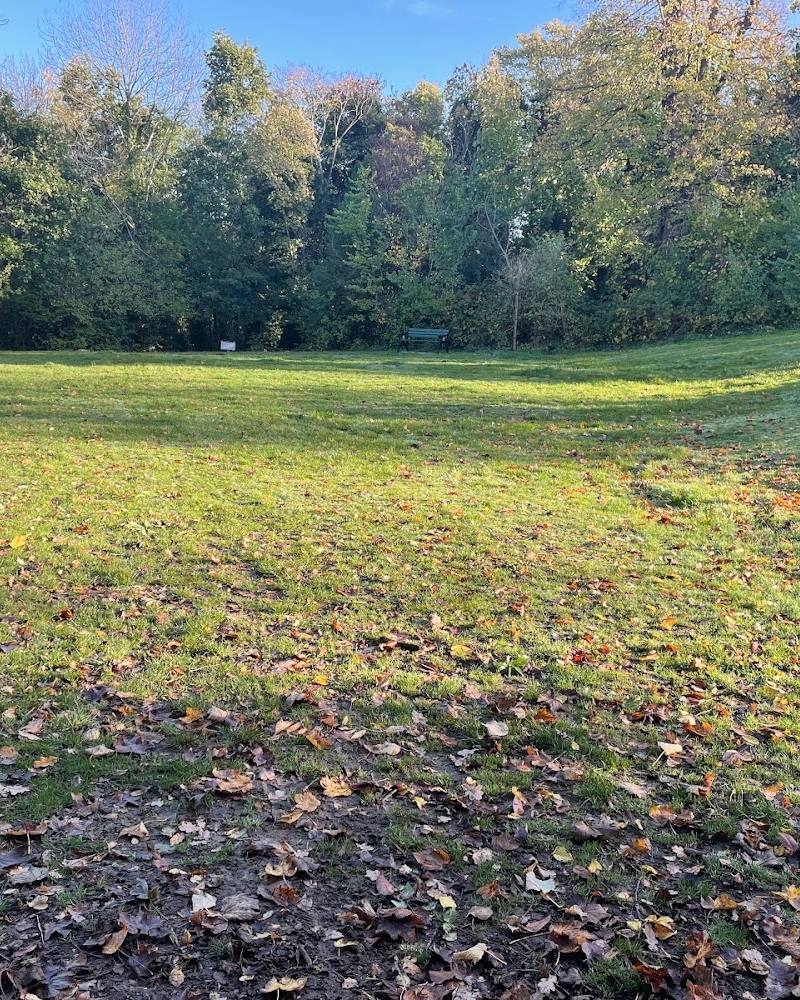
A modest urban woodland visit centred on its ancient-woodland character and surviving sessile oaks. Haringey Council says the general paths are wide, though not fully wheelchair friendly. Do not come expecting native bluebells.
Things to do
Look for sessile oaks
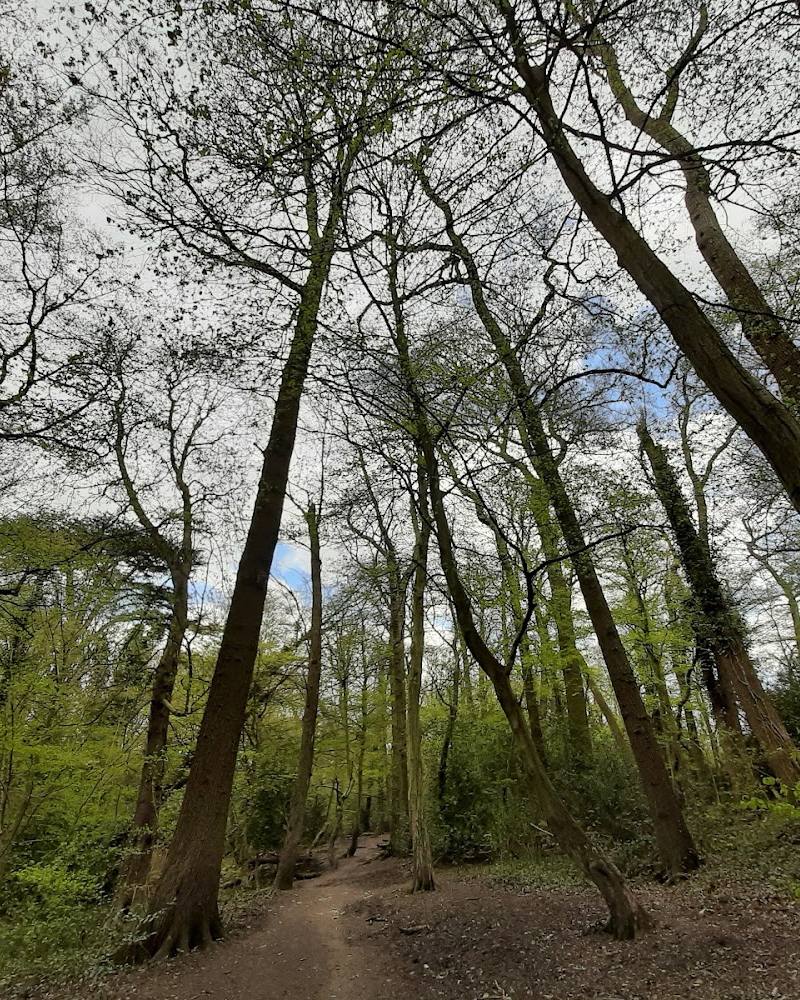
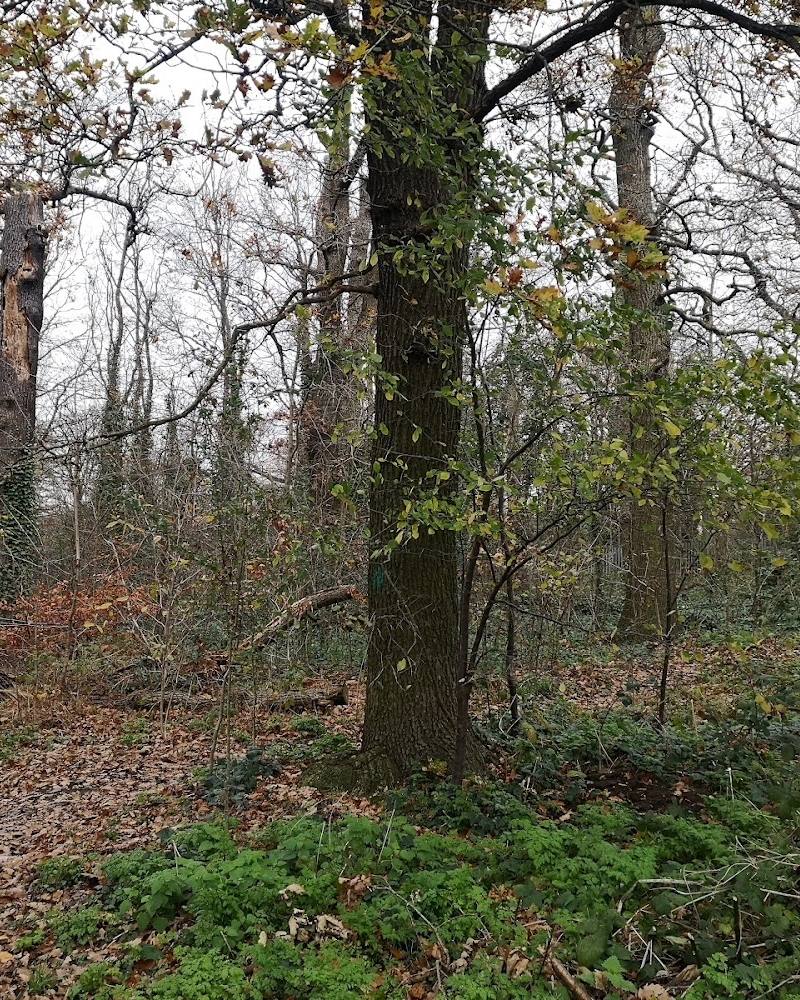
Most of the wood’s trees are sessile oaks, according to Haringey Council. See how many you can spot as you follow the paths.
Notice the woodland’s name
Native bluebells are not found in the wood. The council says occasional Spanish hybrid bluebells may spread from neighbouring gardens.
Make a day of it
Quick escape · Check before visiting
A short woodland wander
- 01
Enter from Winton Avenue.
- 02
Follow the general paths for a brief woodland visit.
- 03
Notice the sessile oaks; do not expect native bluebells.
Verified history
Bluebell Wood is the last piece of a much larger woodland called Tottenham Wood. Haringey Council states that Tottenham Wood covered 157 hectares in 1619.
Hidden details
A name that misleads — The wood does not have native bluebells. Haringey Council reports that occasional Spanish hybrid bluebells may arrive from neighbouring gardens.
When to go
· No specific time is established by the supplied evidence.
The supplied research does not establish a seasonal highlight for this site.
Check current conditions before visiting; surface and terrain details were not supplied.
What to look for
- 01
Look for the sessile oaks that make up most of the wood’s trees. Despite the name, Haringey Council says native bluebells are absent
- 02
occasional Spanish hybrid bluebells may spread in from neighbouring gardens.
The story
Ancient woodland; historic Tottenham Wood
Best time to go
The supplied evidence does not establish a best season. Check conditions before visiting.
No specific best time is established by the supplied evidence. The council reports that the wood is open 24 hours a day.
How long to spend
Check before visiting
Perfect for
Walkers · Wildlife lovers · Dogs
Before you go
Address
Website
Listed hours
- Monday: Open 24 hours
- Tuesday: Open 24 hours
- Wednesday: Open 24 hours
- Thursday: Open 24 hours
- Friday: Open 24 hours
- Saturday: Open 24 hours
- Sunday: Open 24 hours
Check before visiting.
Google rating
Practical information
Opening & access
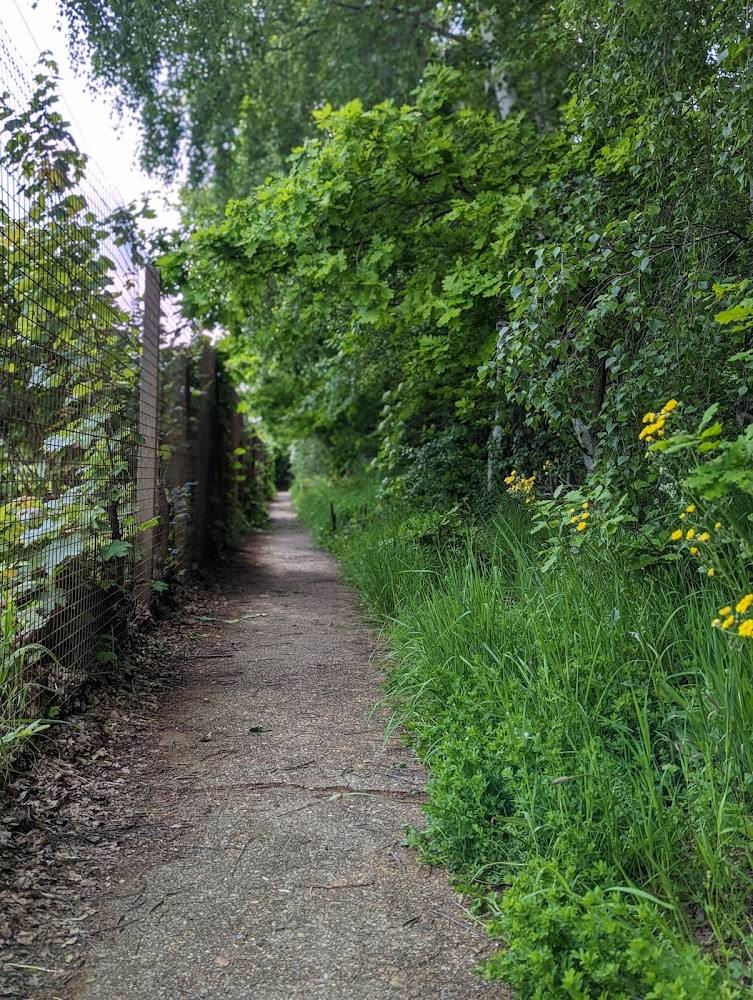
Haringey Council describes the wood as open 24 hours a day. Its entrance and general paths are wide enough for wheelchairs, but the council notes that they are not fully wheelchair friendly.
Parking
Check before visiting.
Check before visiting
Toilets
Check before visiting.
Check before visiting
Food & drink
Check before visiting.
Check before visiting
Dogs
The council describes the wood as popular with dog walkers. Check current signage for rules and restrictions.
Check before visiting
Accessibility
The entrance and general paths are wide enough for wheelchairs but are not fully wheelchair friendly, according to Haringey Council. Check current conditions before visiting.
Check before visiting
Cost
Check before visiting
Check before visiting
Gallery
Place photographsKeep exploring
Around Bluebell Wood, London
Within 50 km · approximate straight-line distances