High Street, Little Paxton, near St Neots, Cambridgeshire, PE19 6ET
Paxton Pits Nature Reserve
Mixed-habitat reserve
Place photograph
6.1
Wildland
1–2 hours
Time
Free
Cost
Peaceful
Feel
Why it's Wildland
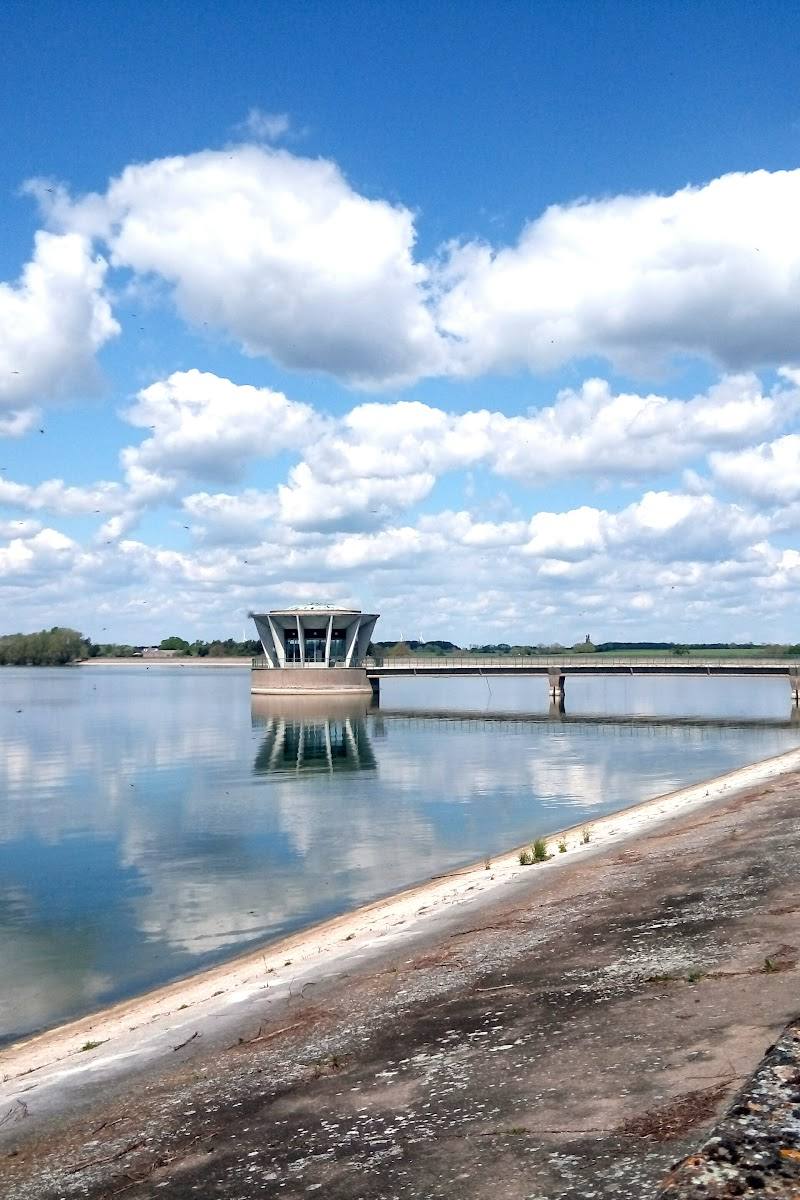
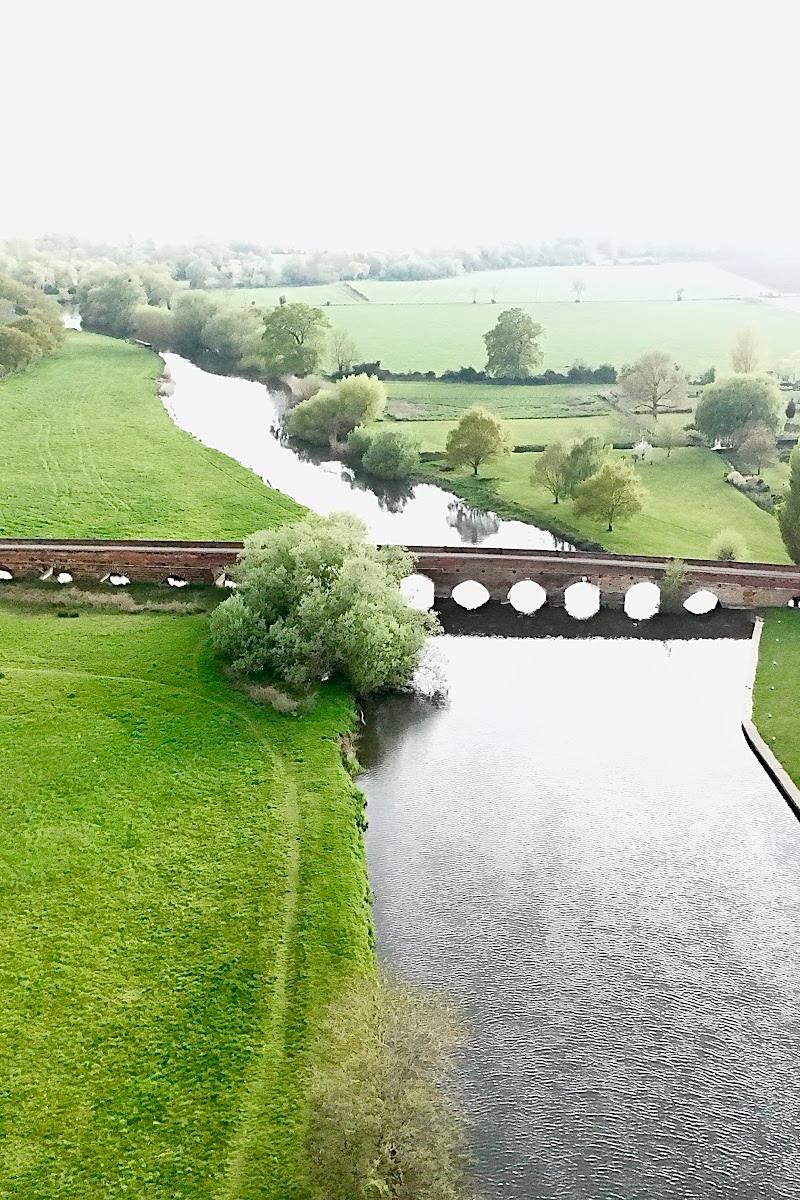
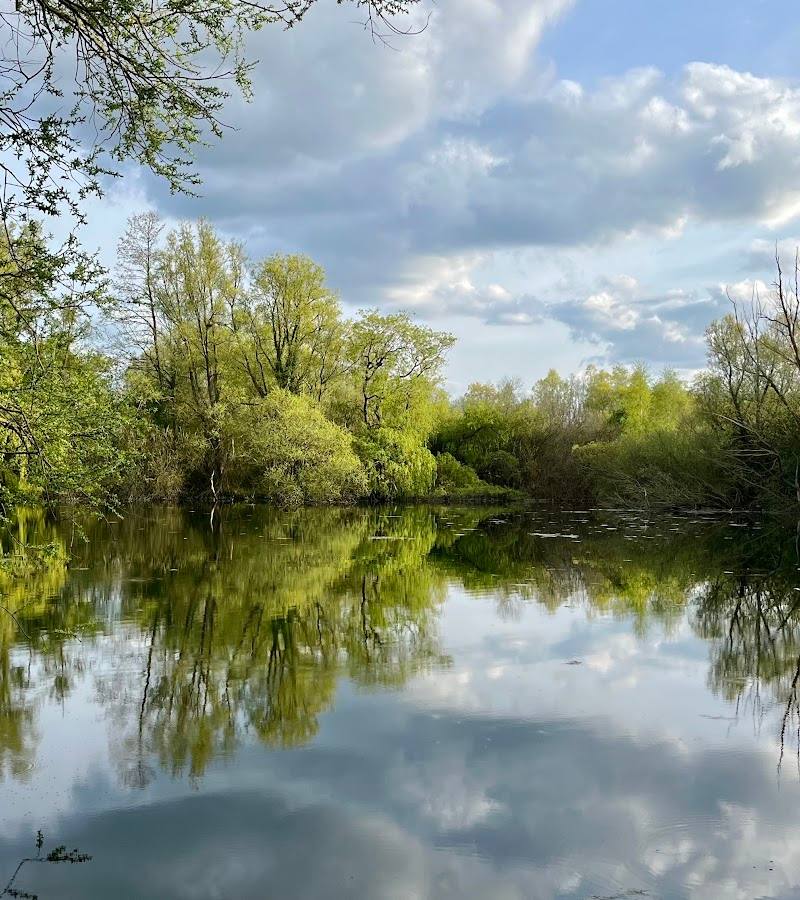
6.1A former gravel-working landscape turned into a varied wildlife reserve: lakes, river, meadow, reedbed, scrub and woodland sit together in the Great Ouse valley. Paxton Pits is especially known for nightingales and cormorants.
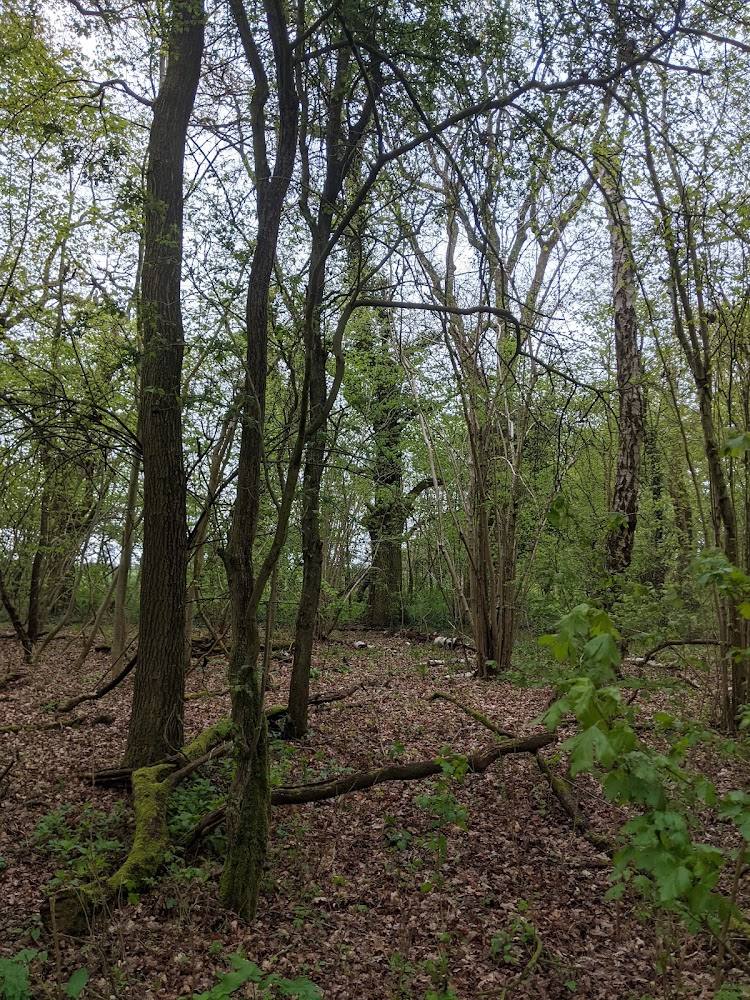
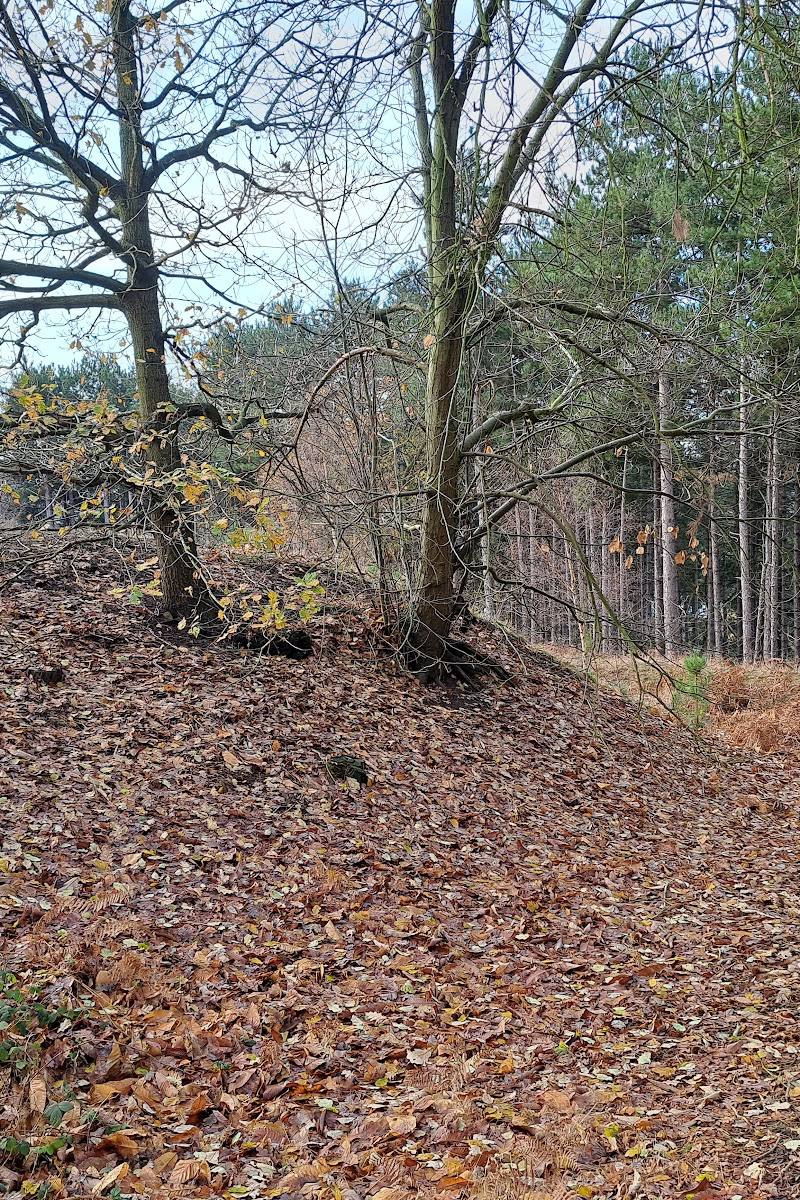
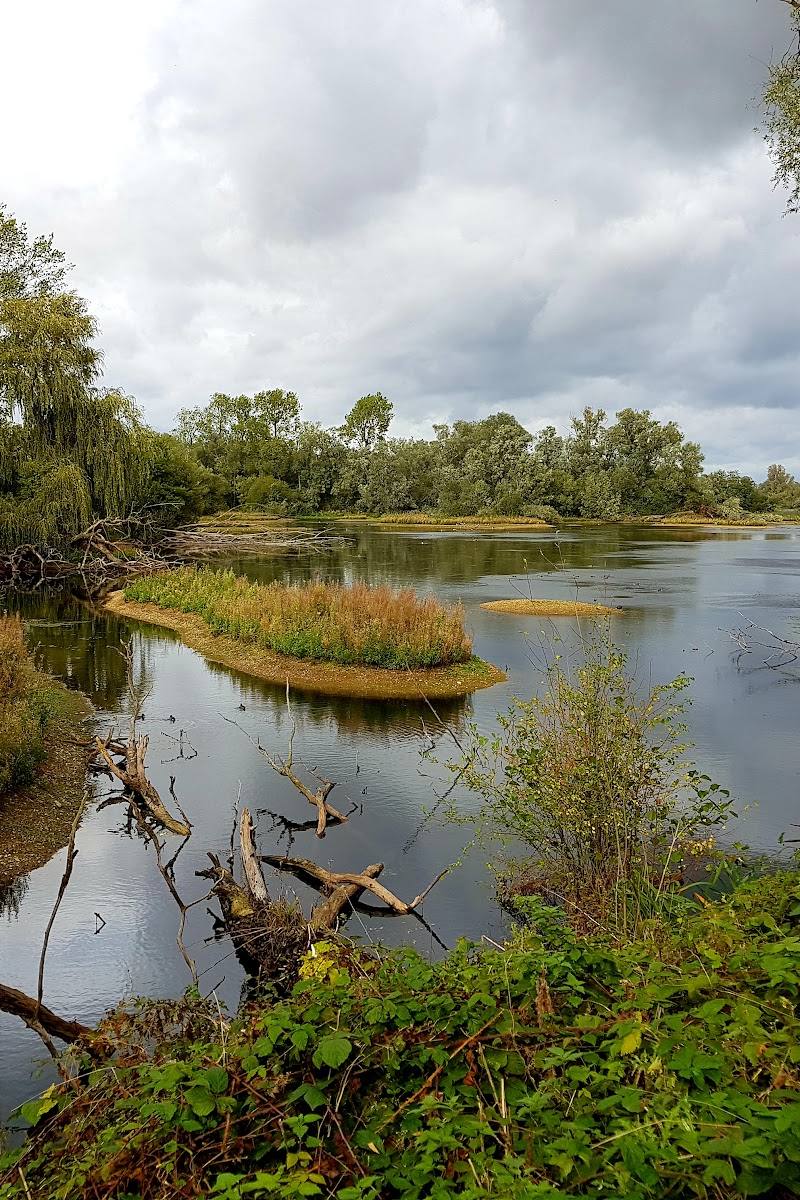
Paxton Pits earns its place through variety rather than wilderness: a walk here moves between lakes, riverside, meadow, reedbed and woodland, with birdlife at the heart of the experience. The former gravel workings have become a substantial, accessible reserve with enough habitat change to reward a slower visit.
Peaceful · Wildlife-rich
Find your way
Open mapHigh Street, Little Paxton, near St Neots, Cambridgeshire, PE19 6ET
Opening map…
Know this place a little better?
The experience
Follow the reserve’s guided trails through a changing mix of lakes, riverside, meadow, reedbed and woodland. Take time to watch for birds, especially the nightingales and cormorants for which the reserve is known. Swimming and skating are not allowed.
Things to do
Follow a guided reserve trail
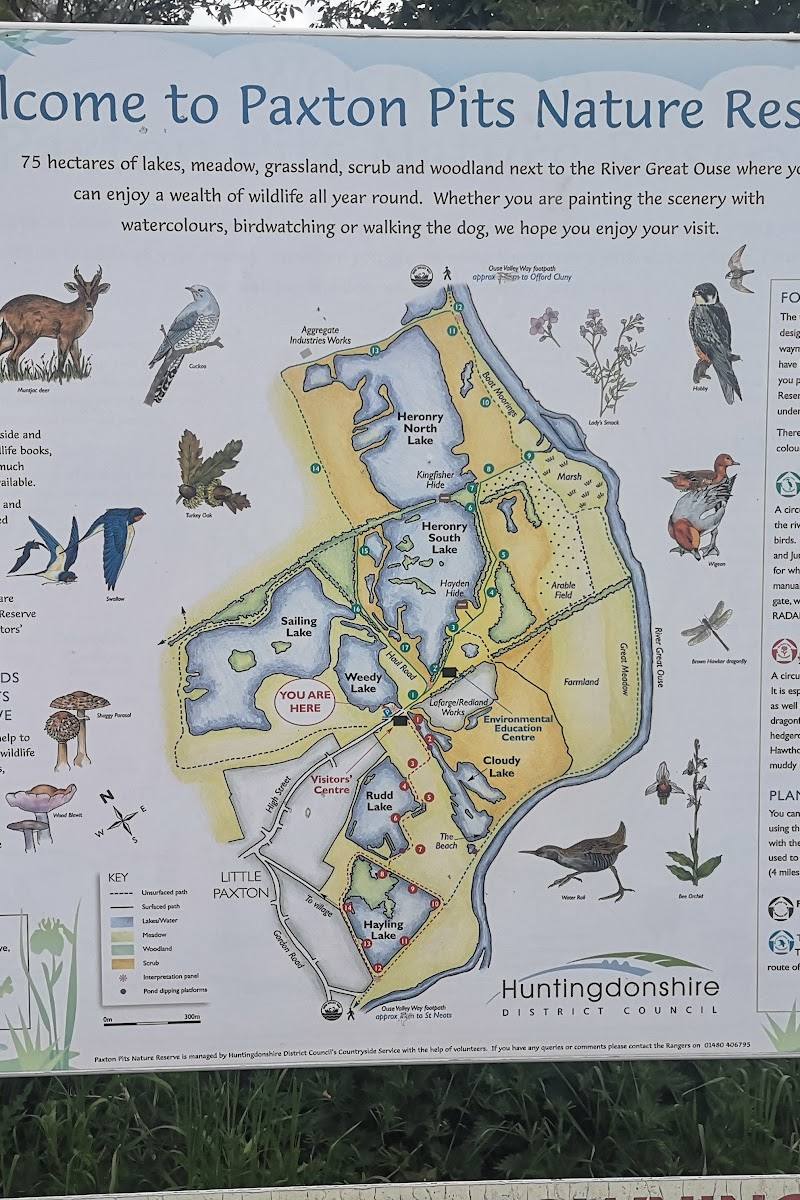
Use the trail maps at key points, including the car park, to explore the reserve’s lakes, meadows and woodland. The official site says there are three guided trails.
Watch and listen for reserve birds
Take time to scan and listen across the reserve. Paxton Pits is noted for nightingales and cormorants, among a wider range of birdlife.
Explore the changing habitats
Notice the transitions between lakes, riverside, meadow, reedbed, scrub and woodland as you walk.
Visit the Visitor Centre
When open, the centre offers drinks, snacks, bird food and wildlife information. Opening hours vary seasonally and depend on volunteer availability.
Make a day of it
Quick escape · 1–2 hours
Quick escape: a short reserve walk
- 01
Start at the reserve car park and check the trail map at the car park or Visitor Centre.
- 02
Choose a section of one of the reserve’s guided trails and explore the lakeside and adjoining habitats.
- 03
Pause to watch and listen for birds, then return to the car park.
Half day · Half day
Make a half day of it: explore the habitat mosaic
- 01
Check the trail map at the car park or Visitor Centre and choose among the reserve’s three guided trails.
- 02
Spend time moving between the lakes, meadow and woodland, with stops to watch for birds and other wildlife.
- 03
If the Visitor Centre is open, finish with a drink or snack and a look at its displays and leaflets.
Verified history
Paxton Pits is described by a visitor account as having developed from gravel workings into a landscape of lakes and wildlife trails. The official reserve information presents its current character as a mosaic of lakes, riverside, meadow, reedbed, scrub and woodland. This is a concise account of landscape change, not a detailed site history.
When to go
April · May · June · Early morning is a sensible choice for a quieter wildlife visit; the reserve’s famous nightingales make spring particularly appealing.
The reserve is open year-round and supports varied wildlife. Spring is a notable season because the site is known for nightingales.
Paths run close to deep water in places. Check current trail and Visitor Centre conditions before setting out, and supervise children near water.
What to look for
Look and listen for nightingales and cormorants, and notice how the landscape shifts between lakes, riverside, meadow, reedbed, scrub and woodland. The official site also notes a wide variety of birds, insects, mammals and flora.
The story
Industry
Best time to go
All year; spring is a good choice for the reserve’s famous nightingales.
Visit in spring for a chance to hear the nightingales the reserve is famous for. The reserve welcomes visitors year-round; the Visitor Centre has seasonal hours and may depend on volunteer availability.
How long to spend
1–2 hours; allow half a day to explore more of the reserve.
Perfect for
Walkers · Wildlife lovers · Families · Photographers
Before you go
Address
Phone
Website
Listed hours
- Monday: Open 24 hours
- Tuesday: Open 24 hours
- Wednesday: Open 24 hours
- Thursday: Open 24 hours
- Friday: Open 24 hours
- Saturday: Open 24 hours
- Sunday: Open 24 hours
Check before visiting.
Google rating
Practical information
Opening & access
The reserve is open to visitors all year. The paths pass close to deep water in places; keep children supervised. Swimming and skating are prohibited. Check current visitor-centre arrangements before travelling.
Check before visiting
Parking
Free parking at the reserve entrance, High Street, Little Paxton. Use PE19 6ET for sat-nav.
Toilets
Toilets are open daily, 10am–4pm, according to the official visiting information; check before visiting.
Check before visiting
Food & drink
The Visitor Centre serves drinks and snacks when open. Opening is listed as 10am–4pm February–November and until 3pm December–January, depending on volunteer availability.
Dogs
Dogs are welcome. Keep them on leads or under close control, out of the water, and follow any local restrictions. An older reserve leaflet specifies leads in some meadow areas from April to July; check current signs.
Check before visiting
Accessibility
The official site describes guided accessible trails and an all-terrain mobility scooter available to borrow from the Visitor Centre. Source-row information also lists an accessible car park, entrance and seating. Check conditions and availability before visiting.
Check before visiting
Cost
Free
Water
River, Lake, Marsh
Gallery
Place photographsKeep exploring
Around Paxton Pits Nature Reserve
Within 50 km · approximate straight-line distances