3.3
Wildland
1–2 hours
Time
Check
Cost
["Peaceful"]
Feel
Why it's Wildland
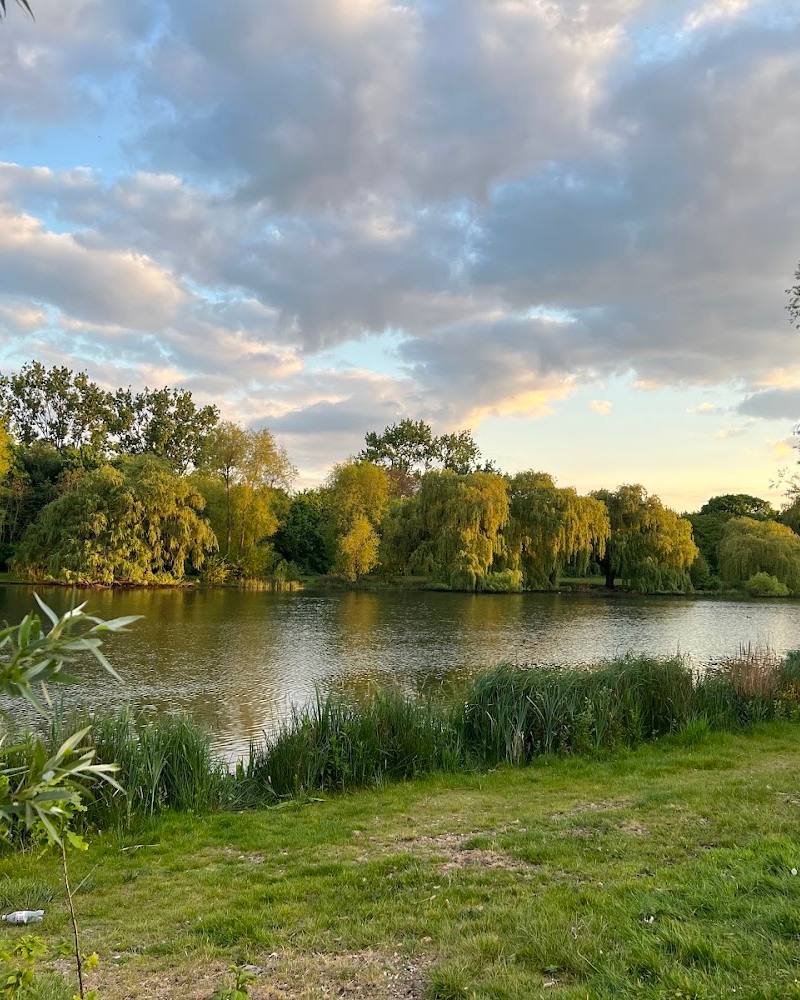
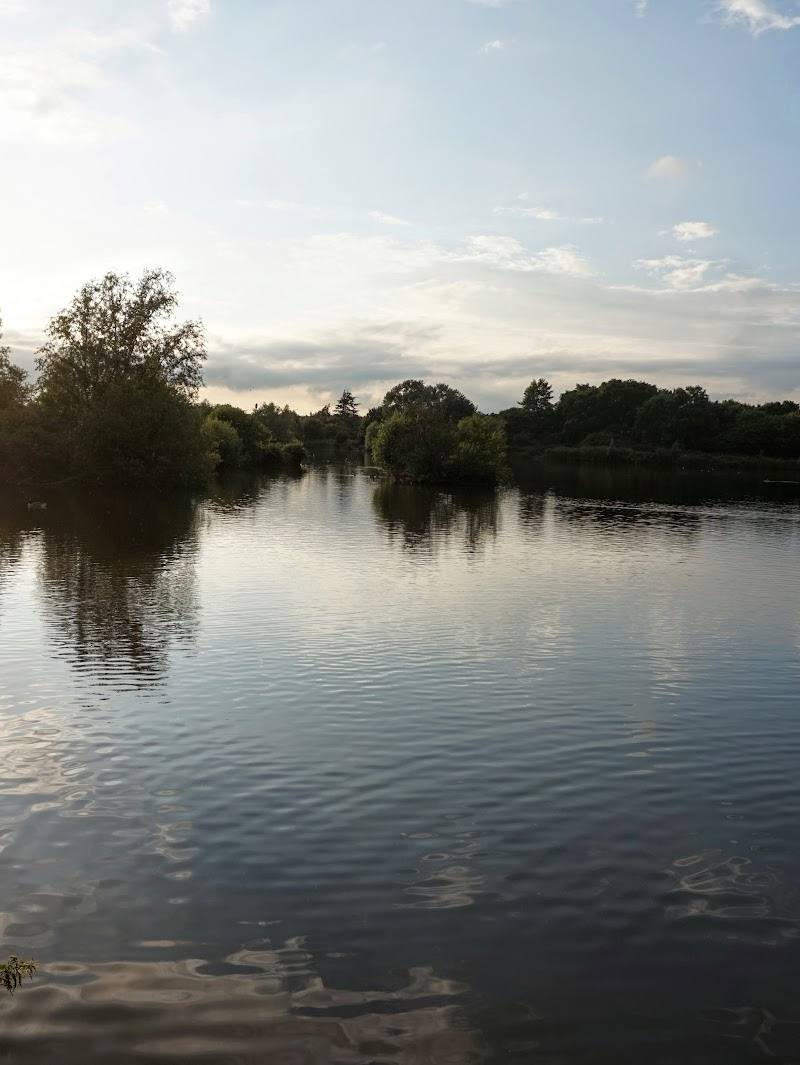
3.3A modest ornamental lake in a large East London park, with the wider Parsloes landscape carrying traces of its older manor grounds and post-war neighbourhood history.
The lake is a useful pocket of waterside nature within a substantial urban park, rather than a remote or wilderness destination. Its appeal is a short lakeside pause, with the wider park offering open green space and local history.
["Peaceful"]
Find your way
Open mapParsloes Park, Dagenham, RM9 5SD
Opening map…
Know this place a little better?
The experience
Take a short walk to the lake, pause for the waterside view and, if time allows, explore more of the park. Do not assume swimming, boating or fishing is permitted.
Things to do
Explore more of the park
Parsloes Park covers 58 hectares and includes open parkland and sports and leisure facilities. Check current availability before planning around a specific facility.
Make a day of it
Quick escape · About 1 hour
A short lakeside pause
- 01
Enter Parsloes Park and make your way to the lake.
- 02
Take a short walk beside the water where paths allow.
- 03
Pause to watch the water and any birds present, then return through the park.
Verified history
Parsloes Park occupies land associated with the former Parsloes Manor; the park's name is linked to the Passelewe family, who owned land here in the thirteenth century. The lake was formed from a former gravel pit. The London County Council acquired the land in 1923, and the park was formally opened on 13 July 1935.
Hidden details
A lake made from a gravel pit — The park's lake was formed from a former gravel pit, a reminder that this waterside feature is part of a changed working landscape rather than a natural lake.
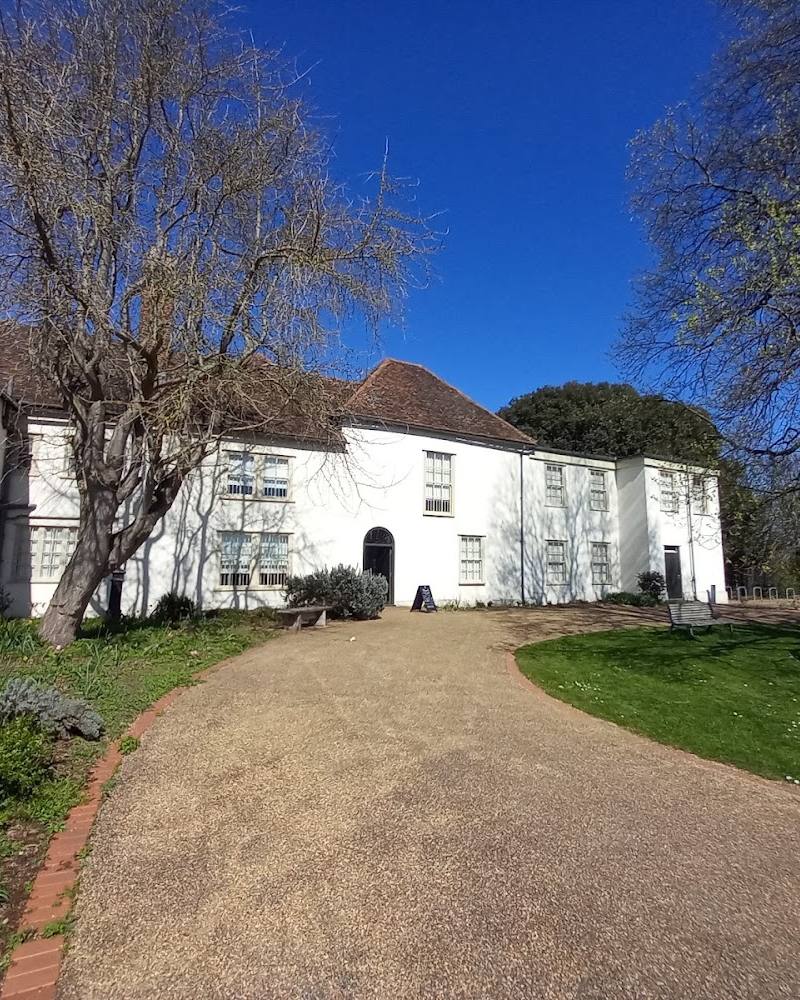
A park with manor-house roots — The park takes its name from the Passelewe family and occupies land that formed part of the grounds of the demolished Parsloes Manor House.
When to go
· No specific time is established by the supplied sources; a clear, calm spell may make the waterside setting more enjoyable.
The supplied sources do not establish a seasonal highlight. Spring and summer are suggested only for a greener park setting, not as a verified wildlife peak.
After rain, check conditions on paths before setting out. The supplied sources do not provide current path or weather-condition information.
What to look for
Look for birds on or around the water and notice how the lake sits within a much larger urban park. The supplied sources do not identify specific species or lake-side historic features.
The story
Archaeology
Best time to go
Spring and summer for a greener park setting; wildlife sightings are possible year-round, but are not guaranteed.
Choose a clear, calm spell for the best chance of enjoying the lake reflections. No specific wildlife season or best visiting hour is confirmed by the supplied sources.
How long to spend
1–2 hours
Perfect for
["Walkers" · "Photographers"]
Before you go
Address
Google rating
Practical information
Opening & access
Located within Parsloes Park, a public park managed by Barking and Dagenham Council. The council says most of the park is wheelchair accessible. The lake edge itself may not be accessible throughout; check current conditions before visiting.
Check before visiting
Parking
The council states there are no car parking facilities in the park. Check local transport and any nearby parking options before travelling.
Check before visiting
Toilets
Check before visiting.
Check before visiting
Food & drink
Check before visiting.
Check before visiting
Dogs
Check before visiting. The council specifies that the children's play area is dog-free; it does not provide general dog rules in the supplied source.
Check before visiting
Accessibility
The council reports that the vast majority of Parsloes Park is wheelchair accessible. This does not confirm step-free access around the whole lake.
Cost
Check before visiting
Check before visiting
Water
Lake
Gallery
Place photographsKeep exploring
Around Parsloes Park Lake
Within 50 km · approximate straight-line distances