Vesta Road, Brockley, London SE4 2NR
New Cross Gate Cutting, London Wildlife Trust
Mixed-habitat reserve
Source image
5.3
Wildland
Under 1 hour
Time
Check
Cost
Atmospheric
Feel
Why it's Wildland
5.3A steep railway cutting in inner south London has become a small, wildlife-rich reserve: oak woodland, grassy glades and a remnant reedbed occupy ground once shaped by a canal, railway, brickworks and wartime allotments.
New Cross Gate Cutting earns its place through the contrast between its busy urban setting and the varied habitats tucked into a railway cutting: woodland, neutral and acid grassland, and a reedbed. It is a distinctive nature discovery, but access is occasional rather than a spontaneous everyday walk.
Atmospheric · Peaceful
Find your way
Open mapVesta Road, Brockley, London SE4 2NR
Opening map…
Know this place a little better?
The experience
Plan around an advertised open day rather than turning up unannounced. Once inside, explore the woodland and glades at an unhurried pace, looking for the reserve’s contrasting habitats and the traces of its canal, railway and allotment past.
Things to do
Explore the woodland and grassy glades
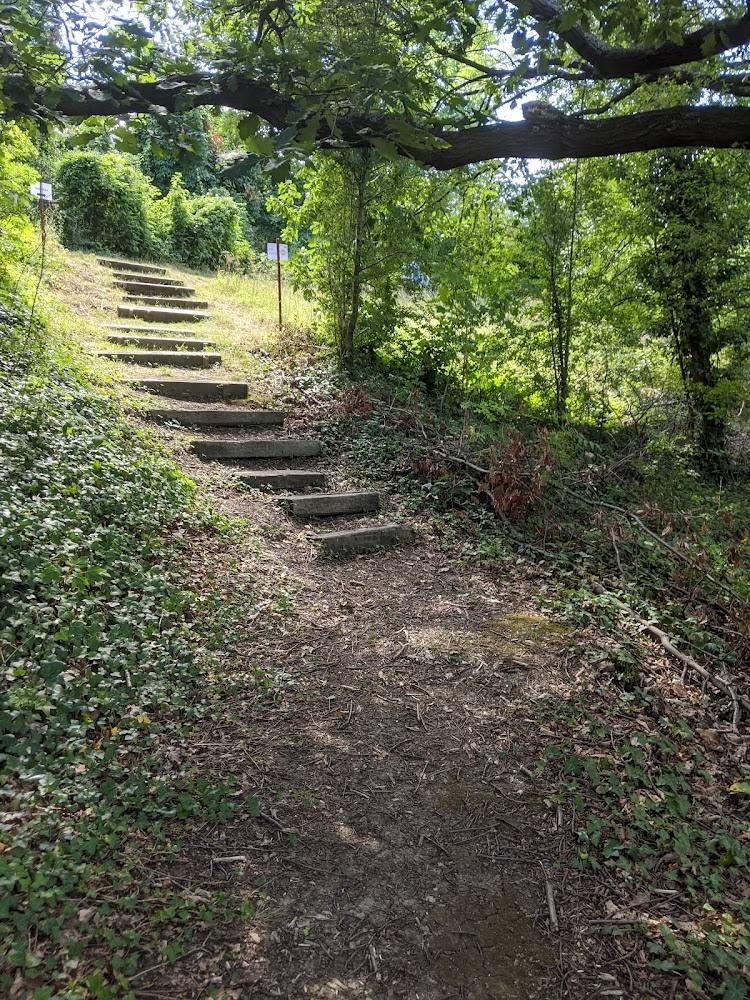
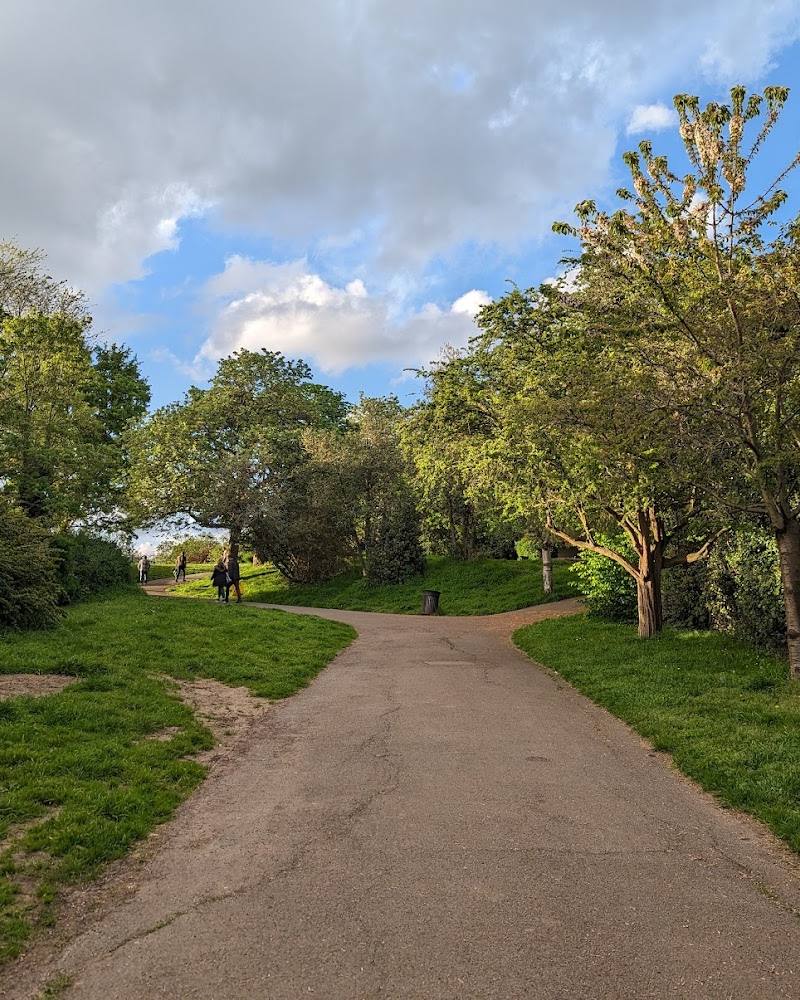
On an advertised open day, explore the reserve’s predominantly oak woodland and its contrasting neutral and acid grassland glades. Paths are narrow, rough and sometimes steep, with steps.
Allow 30–60 minutes; suggested, not an official route time.
Look for broad-leaved helleborine
The Trust identifies this orchid as a notable plant at the reserve, growing in two locations, both close to the main path. Observe plants without trampling the path edge or disturbing vegetation.
Notice the old allotment traces
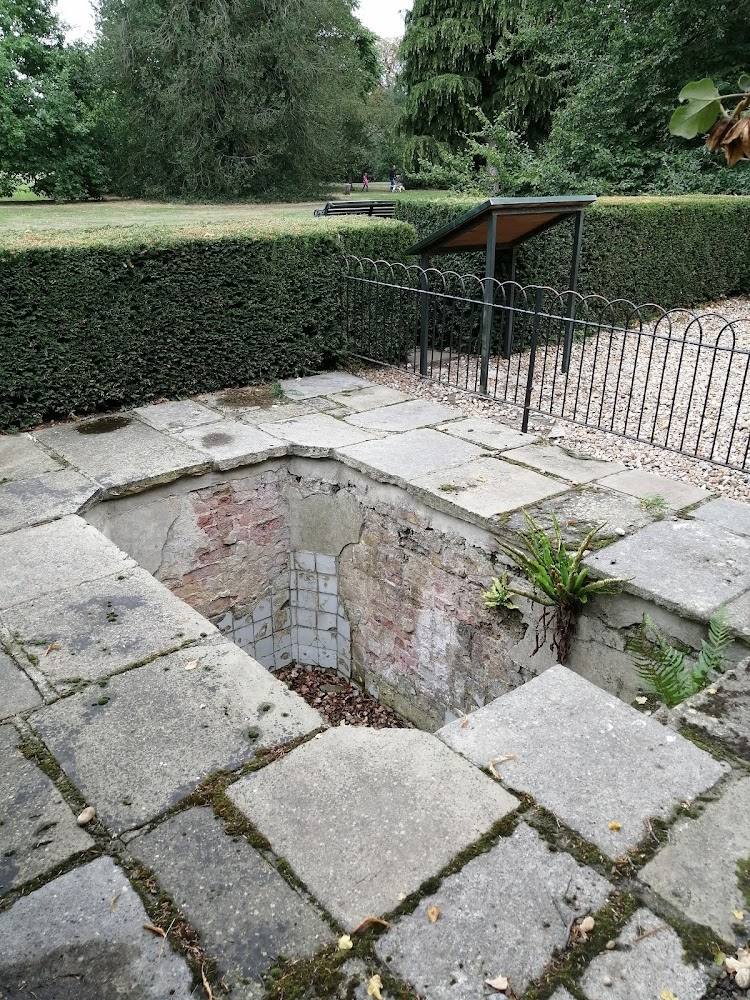
A water trough and abundant suckering plum are described as clues to the site’s former use as allotments during the first half of the 20th century.
Listen and watch for woodland wildlife
The reserve’s recorded species include kestrel, great spotted woodpecker, chiffchaff, jay and song thrush. Wildlife sightings are not guaranteed.
Compare the habitats along the cutting
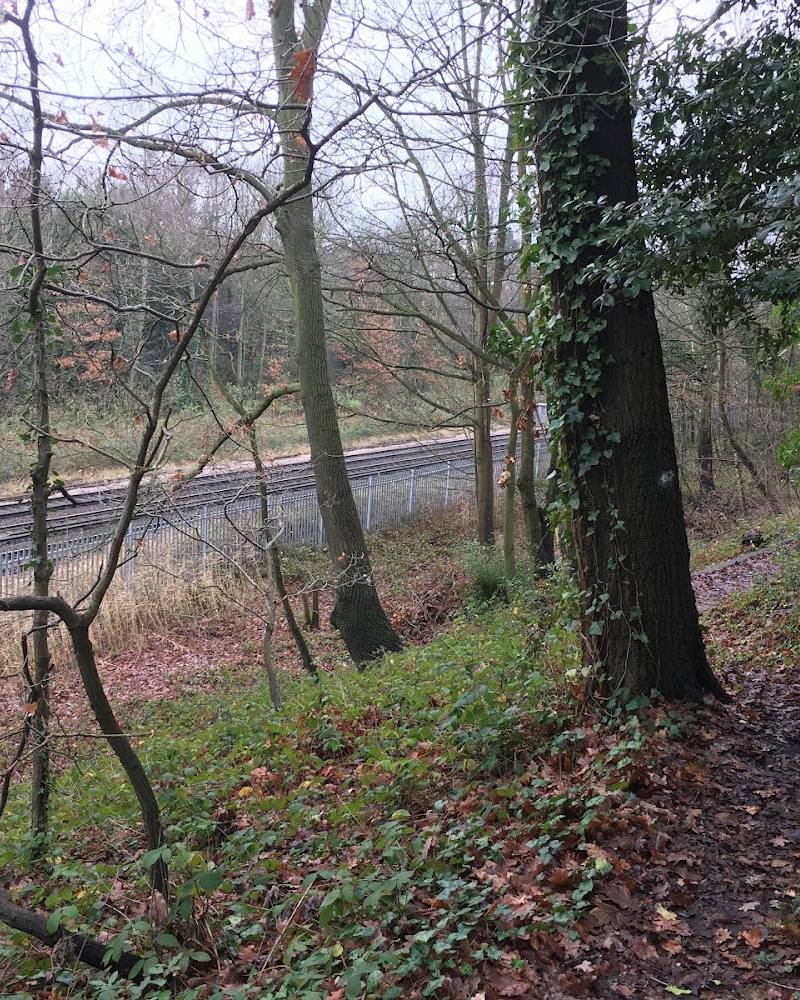
Look for the contrast between dense woodland, open grassland, reeds and tall herbs. The Trust’s account describes a remnant patch of reedbed beside the railway.
Make a day of it
Quick escape · Allow around 30–60 minutes once the reserve is open; this is a suggested visit, not a published route duration.
Quick nature-and-history visit
- 01
Check London Wildlife Trust’s current notices and visit only during a confirmed open day or other authorised access.
- 02
Enter through the Vesta Road gate and take a short, careful look at the woodland and open glades.
- 03
Notice the transition between habitats and look for flowering plants, reeds and signs of the former allotments.
- 04
Allow extra care on the narrow, rough paths and steps; return by the entrance.
Half day · Half day, including travel and a nearby pairing; check current opening and transport details.
Make a half day of the open day
- 01
Check that the reserve is open to visitors on the date you plan to go; it is not open on a regular basis.
- 02
Travel by rail to Brockley or New Cross Gate; the reserve lies between the stations, with the entrance closer to Brockley.
- 03
Spend time exploring the cutting’s woodland, glades and reedbed, looking out for the plant and wildlife details recorded by the Trust.
- 04
If you would like to extend the outing, consider Sydenham Hill Wood and Cox’s Walk, which the Trust lists as a nearby reserve three miles away; check its own access information.
Verified history
The cutting’s history is layered and the sources give different dates for its earliest works. London Wildlife Trust’s reserve page says a narrower cutting was first made in 1801–03 for the Croydon Canal, and that it was later widened for the Brighton Main Line. A Trust blog describes the canal cutting as dug in 1809, the canal closing in 1836, and the railway opening along its route in 1839. The reserve page dates the present cutting to 1838–39. The railway experiment known as the atmospheric railway operated in the area from 1844 to 1846: air was pumped from a pipe to draw trains by vacuum, but rats chewing the leather seal contributed to its failure. The Trust began managing the site under an agreement with British Rail in 1987, while its blog describes a licence agreement signed in 1988. The site also carries traces of a former brickworks and wartime allotments.
Hidden details
The orchid beside the path — Broad-leaved helleborine is described by the Trust as uncommon in inner London and present in two locations at the reserve, both close to the main path.
Brick beneath the woodland story — The Trust reports that much of the soil is crushed red brick, thought to be associated with a brickworks just south of the reserve and clay excavated from the cutting.
A railway cutting with a canal past — The railway follows the route of the Croydon Canal, and the reserve’s varied habitats occupy a landscape repeatedly reshaped by transport and industry.
When to go
April · May · June · July · Plan around the advertised opening hours rather than choosing a time independently; opening dates and hours can vary.
London Wildlife Trust recommends April to July. Its sources record locally uncommon flowering plants and a varied mix of grassland and woodland habitats, but do not specify peak flowering dates for individual species.
Paths are rough and can be steep. Check conditions and current access arrangements before visiting; take particular care on steps and uneven ground.
Worth pairing with
Sydenham Hill Wood and Cox’s Walk
A second London Wildlife Trust nature reserve listed as three miles away. It could extend a half-day nature outing; check its own access details before setting out.
The Hill Station
A community café, shop and exhibition space mentioned by a visitor account as a refreshment stop after an earlier visit. Check current opening and availability before planning around it.
Telegraph Hill Park
A nearby park suggested by a visitor account as an additional stop, particularly for autumn tree colour. Check current conditions and access independently.
What to look for
Notice the transition between oak woodland, open neutral and acid grassland, reeds and tall herbs. Look for broad-leaved helleborine, locally uncommon in inner London, and for the old water trough and suckering plum associated with the site’s former allotment use. The reserve’s slopes also contain crushed red brick linked to a former nearby brickworks.
The story
Croydon Canal, railway cutting, brickworks, wartime allotments and the Great North Wood landscape.
Best time to go
April–July, as recommended by London Wildlife Trust; check current opening arrangements before visiting.
London Wildlife Trust recommends April to July. Open days are occasional, so check current notices and confirm the date before travelling.
How long to spend
Under 1 hour
Perfect for
Wildlife lovers · Photographers · Walkers
Before you go
Practical information
Opening & access
This reserve is not open regularly; access is available on occasional open days and workdays. Check London Wildlife Trust’s current notices before travelling. The entrance is on Vesta Road. Paths are narrow, rough and sometimes steep, with steps, including steep steps at the north end.
Check before visiting
Parking
Check before visiting; no parking information is provided by the supplied sources. The reserve is between New Cross Gate and Brockley railway stations, with the entrance closer to Brockley.
Check before visiting
Toilets
Check before visiting.
Check before visiting
Food & drink
Check before visiting.
Check before visiting
Dogs
Assistance dogs only.
Accessibility
Not suitable to assume step-free access: paths are narrow and rough, can be steep, and include steps. Check with London Wildlife Trust before attending if access requirements are a concern.
Check before visiting
Cost
Check before visiting
Check before visiting
Water
A remnant reedbed is recorded beside the railway line. No visitor water activity is evidenced.
Gallery
Place photographsKeep exploring
Around New Cross Gate Cutting, London Wildlife Trust
Within 50 km · approximate straight-line distances


 Source image5.8
Surrey Canal Walk
South London
2.3 km away