Widdybank Farm, Langdon Beck, Forest-in-Teesdale, near Barnard Castle, DL12 0HQ
Moor House – Upper Teesdale National Nature Reserve
Mixed-habitat reserve
Source image
7.5
Wildland
Allow at least 1–2 hours for a short, planned walk
Time
Check
Cost
Wild
Feel
Why it's Wildland
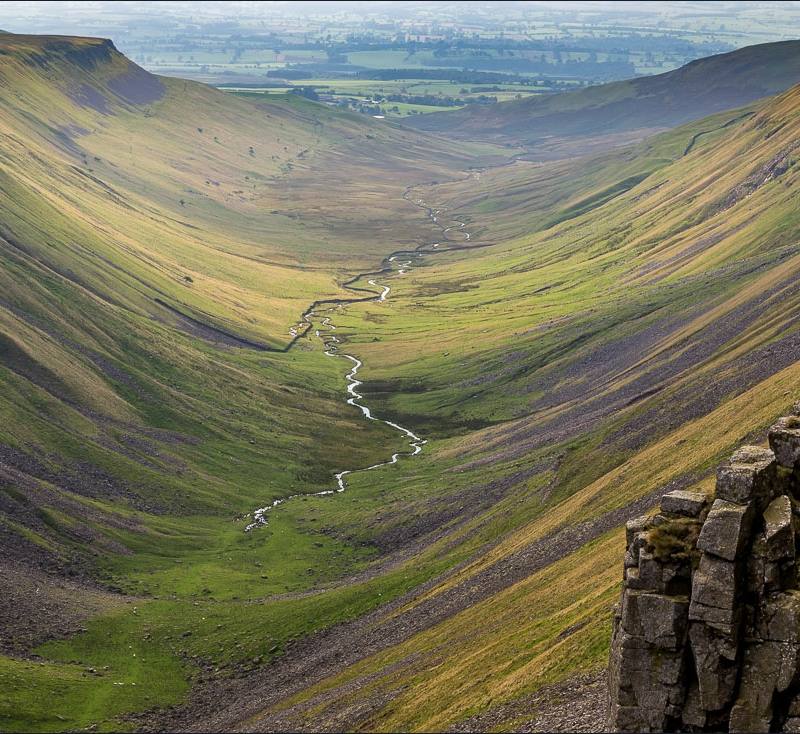
7.5A vast sweep of North Pennine upland where blanket bog, limestone grassland, hay meadows and rare arctic-alpine plants meet around the headwaters of the Tees.
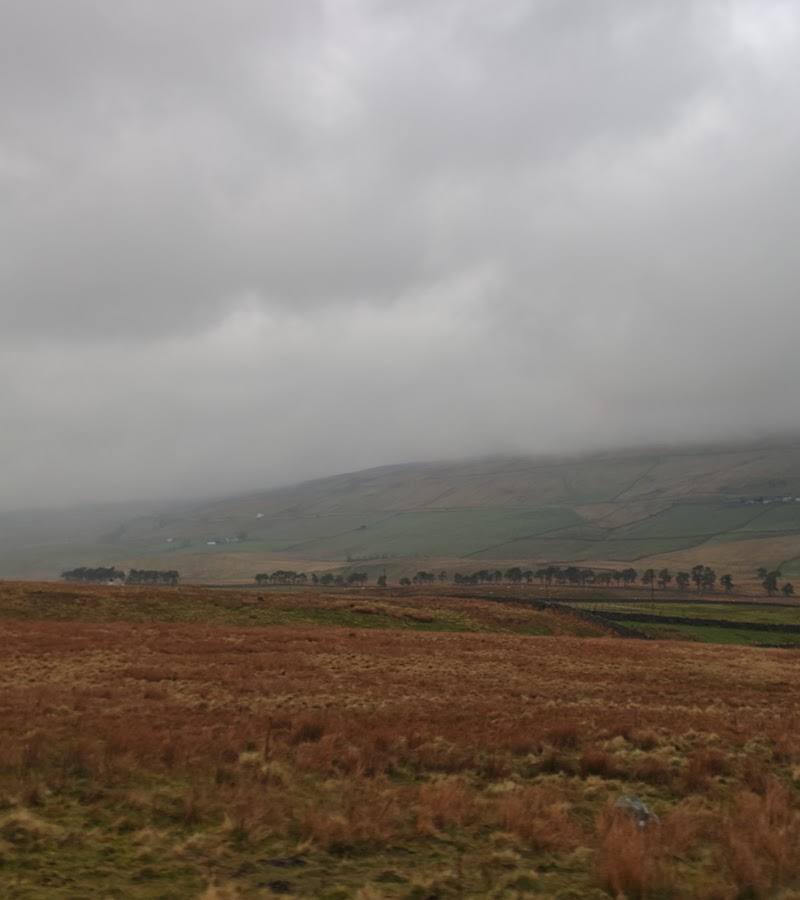
This reserve brings together an unusually wide range of upland habitats, from deep blanket peat to sugar-limestone grassland. Its rare plants and open, high-country setting give it a stronger sense of ecological discovery than a conventional short nature-reserve visit.
Wild · Big-sky · Dramatic · Remote
Find your way
Open mapWiddybank Farm, Langdon Beck, Forest-in-Teesdale, near Barnard Castle, DL12 0HQ
Opening map…
Know this place a little better?
The experience
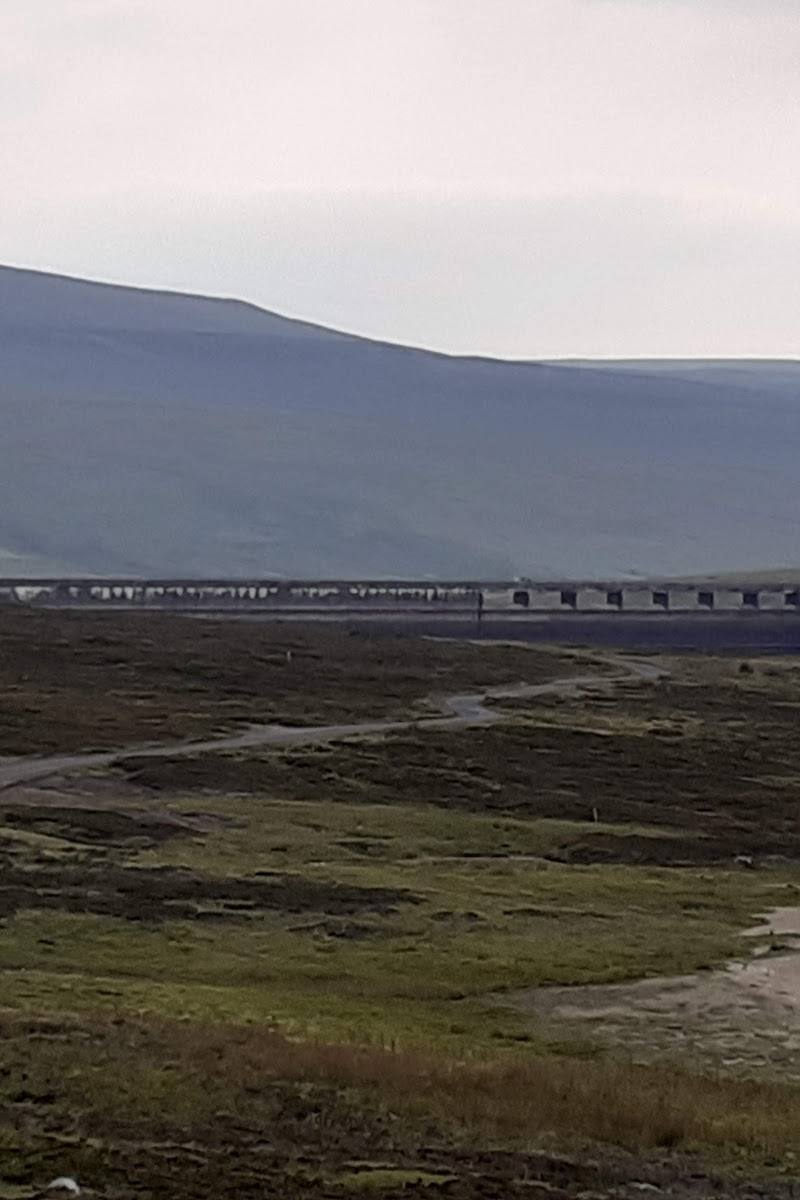
Come for the scale of the upland landscape, then slow down for the botanical detail. A sourced nature-trail description identifies a route towards Cauldron Snout; the wider reserve includes hay meadows, juniper woodland, limestone grassland, blanket bog and high fells. Plan carefully: the reserve is extensive, and the supplied pin is not an entrance or parking point.
Things to do
Follow the nature trail towards Cauldron Snout
A published account describes a former dam-construction track repurposed as a nature trail, with foot access towards Cauldron Snout. Check the current route and starting point before visiting.
Look for Upper Teesdale’s rare upland plants
The reserve is known for plants associated with the area’s limestone and its unusual sugar-limestone soils. Reported species include spring gentian, mountain everlasting and alpine bartsia.
Explore the reserve’s habitat contrasts
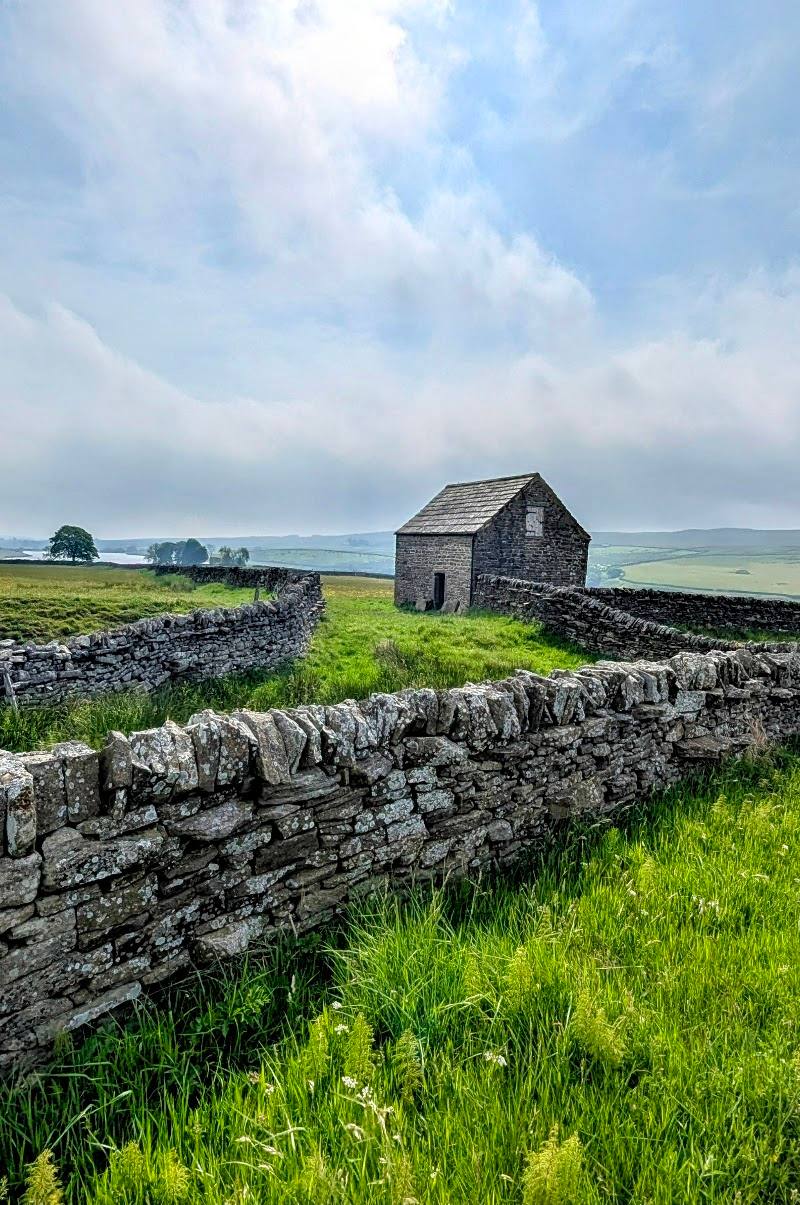
The wider reserve includes blanket peatland, upland grasslands, pastures, hay meadows, deciduous woodland and exposed summits. Select a route that suits the conditions rather than assuming these habitats are all close together.
Join a guided meadow walk if one is scheduled
A 2020 event record describes a guided walk through upland meadows and species-rich pasture near Widdybank Farm. This is historical event information, not confirmation of a current programme.
Make a day of it
Quick escape · 1–2 hours; confirm route length and conditions before setting out.
A short botanical walk towards Cauldron Snout
- 01
Check the current access information and identify a suitable starting point; the supplied map pin is not a confirmed entrance or car park.
- 02
Follow the described former dam-construction track nature trail on foot towards Cauldron Snout.
- 03
Pause to look for upland plants on limestone and damp streamside ground, taking care to remain on the route through fragile habitat.
Half day · Half day; route and access details need checking.
Make time for Upper Teesdale’s upland habitats
- 01
Choose a current, suitable walk in the Upper Teesdale part of the reserve rather than trying to cover the whole extensive site.
- 02
Look for the contrast between limestone grassland, damp river margins and upland meadow or pasture.
- 03
In May–June, look for upland flowers; consider July for species-rich hay meadows and pasture.
- 04
Check route access and conditions in advance; do not treat the imported main-place pin as a trailhead.
Verified history
Moor House was among the first group of National Nature Reserves created in England, designated in 1952. The Upper Teesdale area was designated in 1963 and extended in 1969 to protect its distinctive arctic-alpine plant communities and other wildlife. The wider site has also been used for ecological research since the 1930s.
Hidden details
Sugar limestone’s botanical influence — In Upper Teesdale, limestone altered by the Great Whin Sill intrusion forms sugar limestone. The unusual soil, alongside damp riverside soils, supports rare plants; notice how the plant life changes between these ground conditions.
Peat records a long environmental story — The Moor House area includes blanket peat reported to reach 2–3 metres in depth. Research at the site has examined peatland processes and environmental change.
Plants that survived the last Ice Age — The North Pennines National Landscape describes the reserve as particularly well known for plants that originally colonised the region after the last Ice Age.
When to go
May · June · July · Check the forecast and route conditions; no source-supported best time of day is available.
The supplied botanical source places upland flowering in May and June, and hay-meadow and pasture interest in July.
This is an upland landscape. Check the forecast and current route conditions before travelling; detailed local weather guidance is not established by the supplied sources.
Worth pairing with
Langdon Beck Hotel
A 2020 guided-walk listing described a route from Widdybank Farm to Langdon Beck Hotel for afternoon tea. This is historical event information, not confirmation of current food service or opening.
High Force
The supplied botanical feature describes the River Tees passing through Upper Teesdale and plunging over High Force. Check access and current visitor arrangements separately before combining it with a reserve visit.
What to look for
Look for spring gentian, mountain everlasting, alpine bartsia and spring flowers growing on sugar-limestone and damp streamside ground. In the wider reserve, notice the contrast between blanket bog, upland grassland, hay meadows and juniper woodland.
The story
Nature conservation, upland land use and long-running ecological research.
Best time to go
May–June for upland flowers; July for hay meadows and species-rich pasture.
May and June for upland alpine flowers; July for hay meadows and species-rich pasture. Choose a clear spell for open-country views, and check conditions before travelling.
How long to spend
Allow at least 1–2 hours for a short, planned walk; longer visits depend on the route chosen.
Perfect for
Walkers · Wildlife lovers · Photographers · History lovers
Before you go
Address
Phone
Google rating
Practical information
Opening & access
The reserve covers a large upland area, and the supplied map pin is a main-place location, not a confirmed entrance or parking point. Check current access, routes and conditions before setting out. Access arrangements are unconfirmed. Check before visiting; do not enter private land or restricted structures.
Check before visiting
Parking
Check before visiting. The supplied pin is not a verified parking location.
Check before visiting
Toilets
Check before visiting
Check before visiting
Food & drink
Check before visiting
Check before visiting
Dogs
Check before visiting; dog access and restrictions are not verified.
Check before visiting
Accessibility
A published description says a former dam-construction track has been repurposed as a nature trail and gives easy foot access as far as Cauldron Snout. This does not establish access conditions across the wider reserve; check current route details before visiting.
Check before visiting
Cost
Check before visiting
Check before visiting
Water
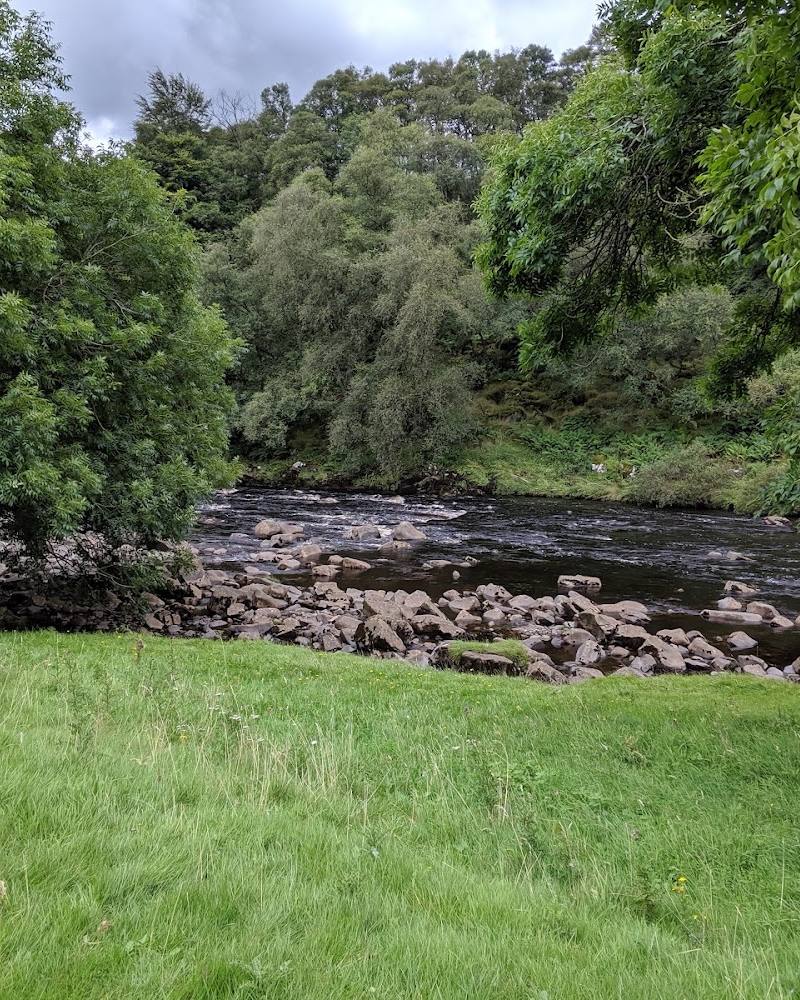
River Tees, streams, blanket bog and Cow Green Reservoir within the wider reserve.
Gallery
Place photographsKeep exploring
Around Moor House – Upper Teesdale National Nature Reserve
Within 50 km · approximate straight-line distances