Maple Cross, Hertfordshire
Maple Lodge Nature Reserve
Mixed-habitat reserve
Place photograph
5.2
Wildland
1–2 hours
Time
Check
Cost
Peaceful
Feel
Why it's Wildland
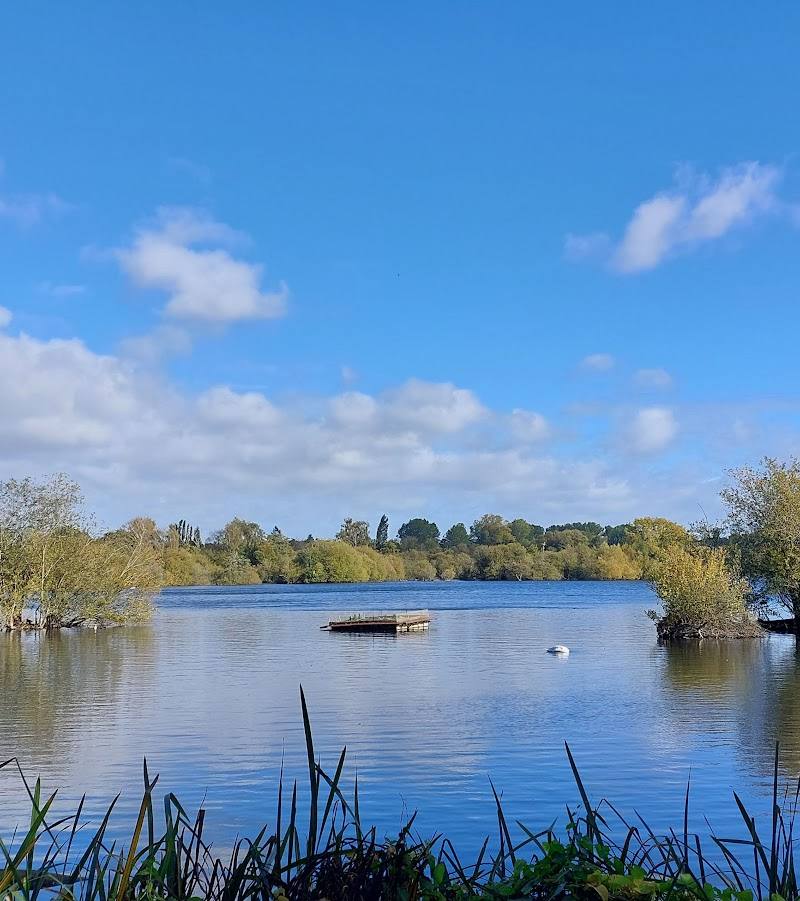
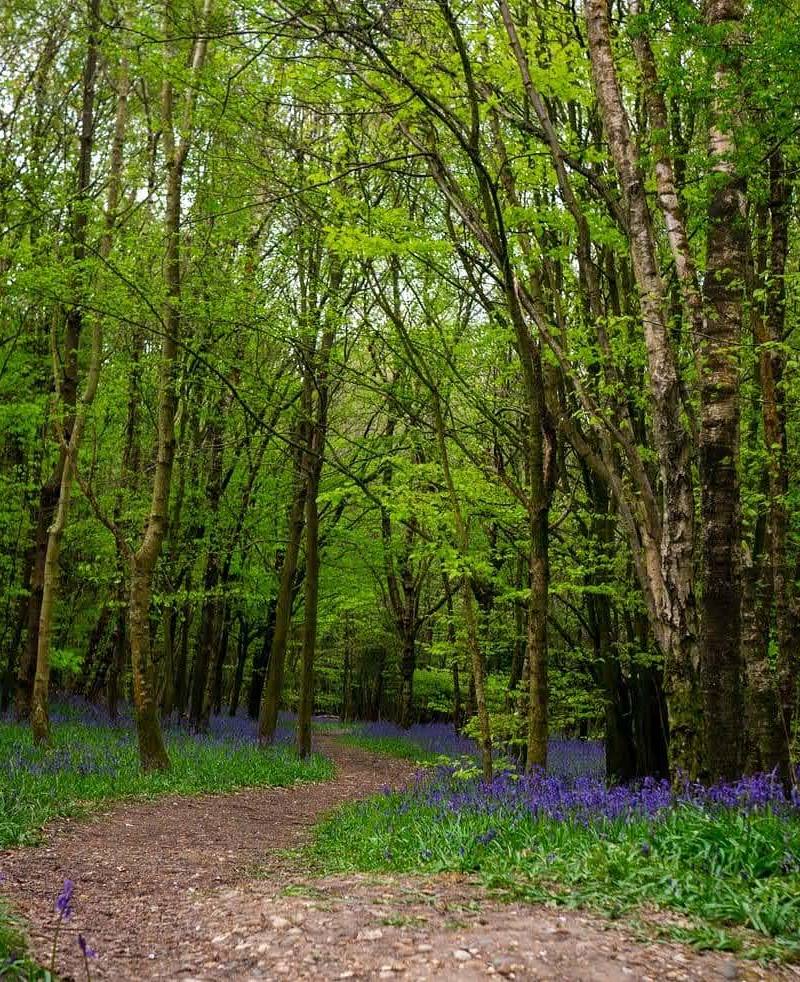
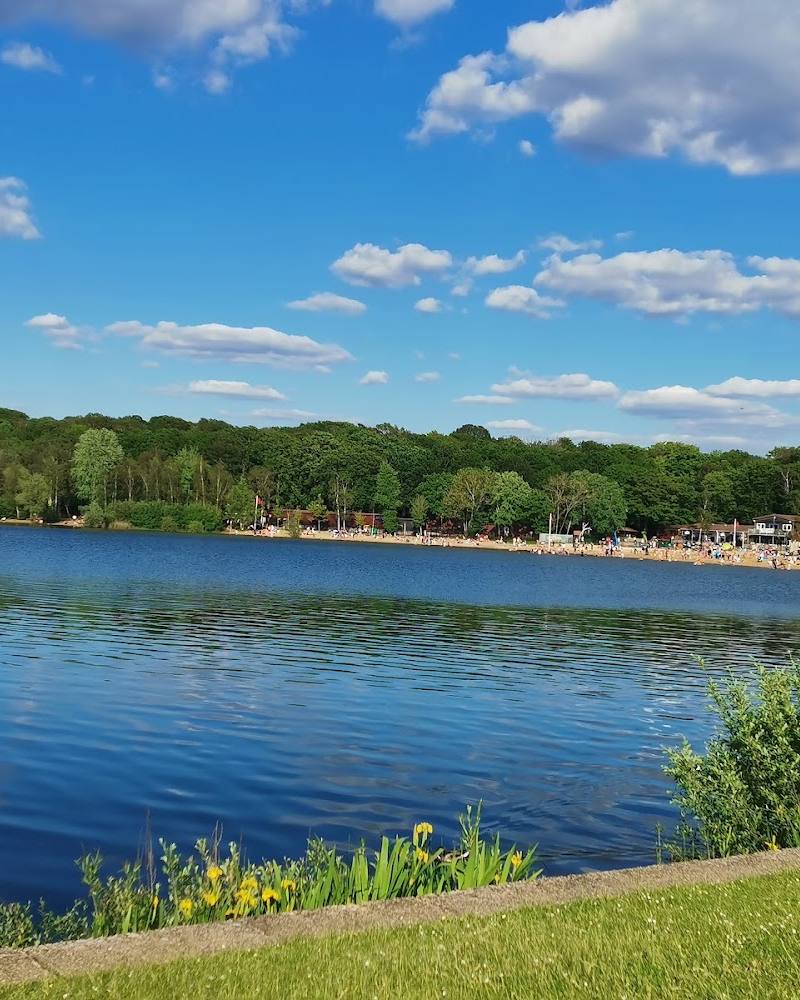
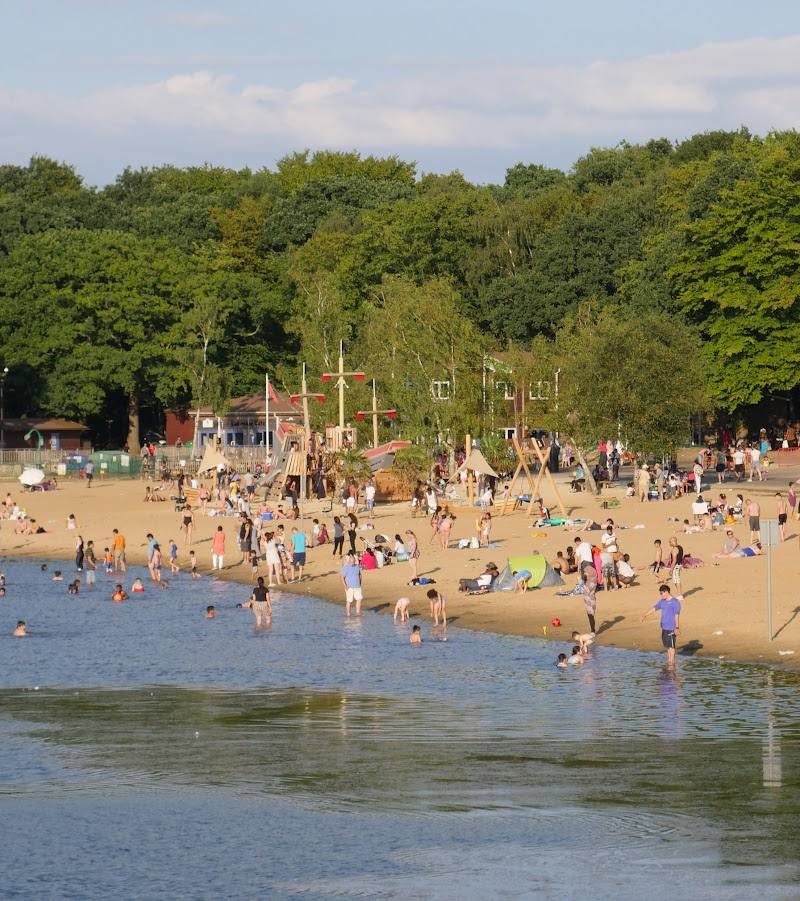
5.2Two former gravel pits and a disused settlement area have been shaped into a 40-acre wetland reserve, where lakes, meadow, woodland and wildlife hides offer a varied close-up nature visit.
Maple Lodge’s appeal is its variety: two lakes, wildflower-rich areas, native planting and several wildlife hides make this a rewarding place to watch habitats change through the seasons. Visitor access may be conditional, so arrange it before setting out.
Peaceful
Find your way
Open mapMaple Cross, Hertfordshire
Opening map…
Know this place a little better?
The experience
Plan a short, quiet visit around the reserve’s lakes, habitats and wildlife hides. Access arrangements may require a member host, so confirm them first. For longer exploration, ask the reserve which paths and hides are currently available.
Things to do
Watch wildlife from the hides
Use the reserve’s hides to observe wildlife without disturbance. Some hides are described as having wheelchair access; check current access before visiting.
Look across the two lakes
Clubhouse Lake and Marsh Lake provide cover for breeding wildfowl, including Gadwall, Pochard, Little Grebe and Tufted Duck.
Search the meadow for butterflies
The Wild Flower Meadow is noted for Marbled Whites, Brown Argus and Small Copper butterflies.
Check the alder trees in winter
Alder cones attract mixed flocks of Siskin and Lesser Redpoll during the winter months.
Make a day of it
Quick escape · 1–2 hours
A quiet wildlife-hides visit
- 01
Arrange access with the reserve before travelling.
- 02
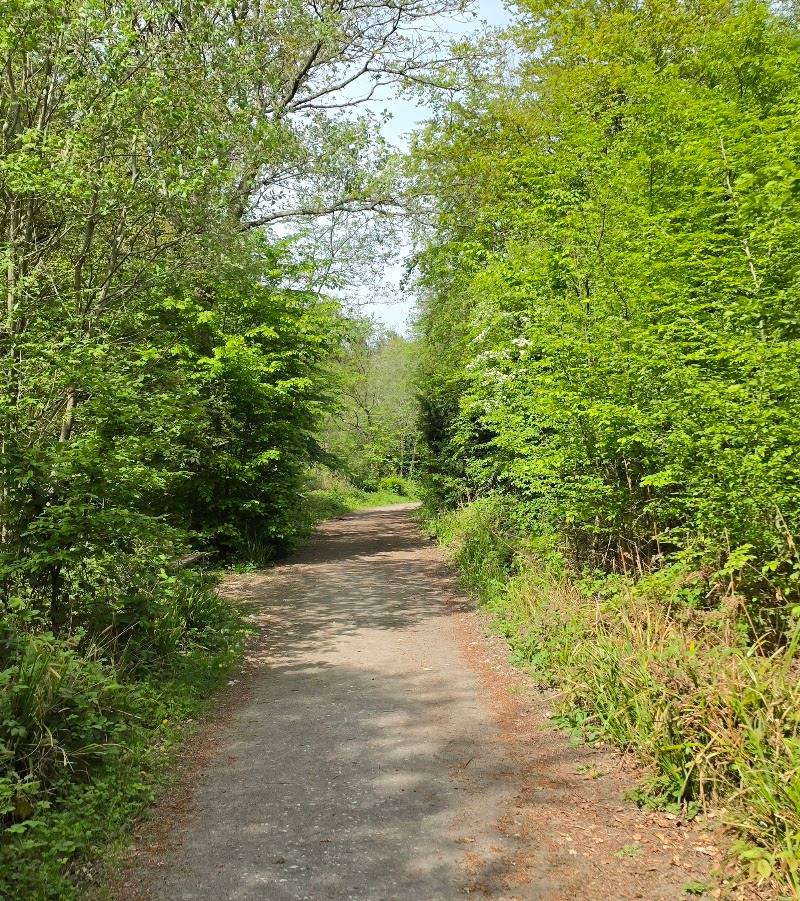
Use the available paths and hides to watch the lakes and surrounding habitats.
- 03
Pause at the Clubhouse or reserve benches if open to you.
Half day · Half day
Explore the reserve’s different habitats
- 01
Arrange access in advance and ask which paths and hides are available.
- 02
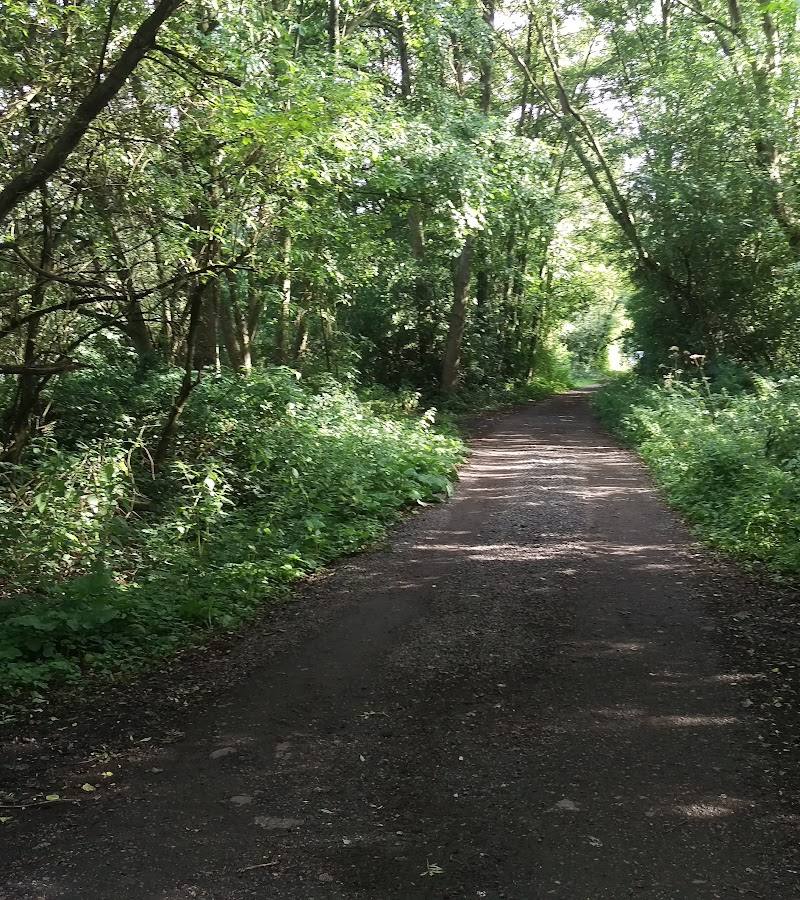
Explore the lakes, Plantation, Paddock, Wild Flower Meadow and Long Hedge as access allows.
- 03
Take time at the hides to look for waterbirds, butterflies and seasonal birds.
Verified history
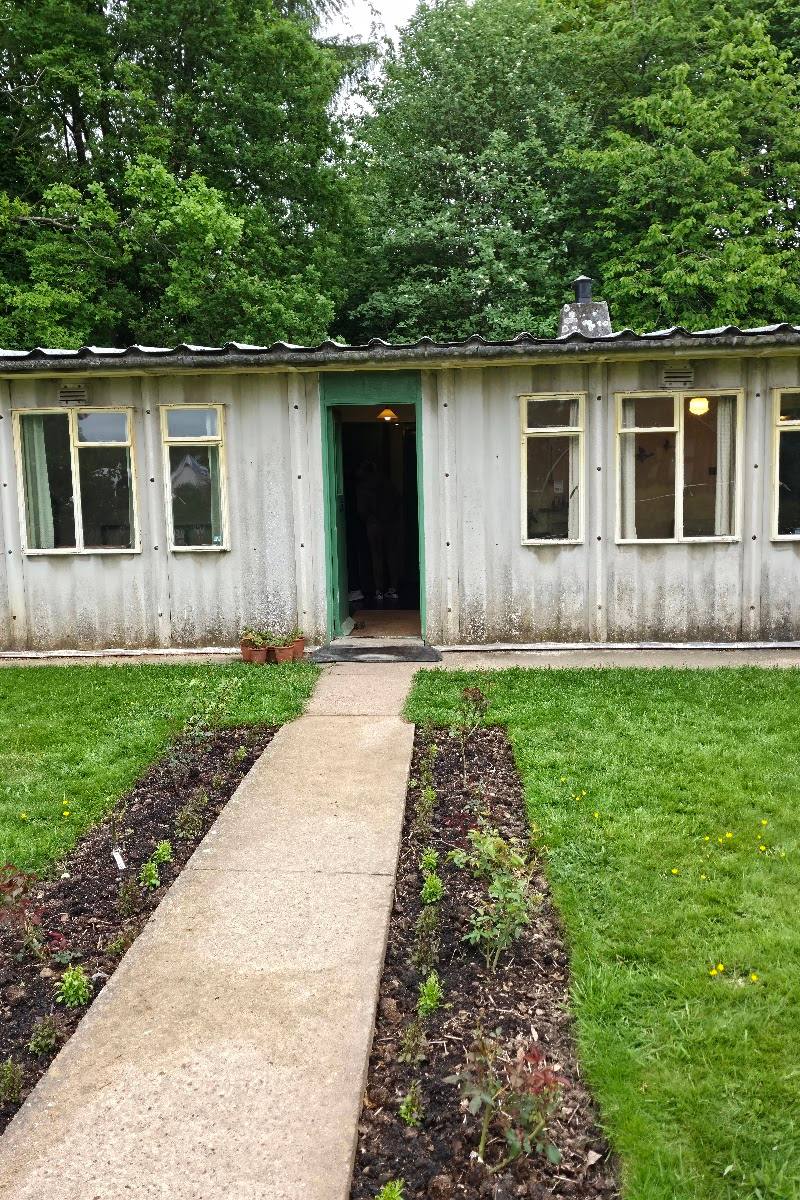
Maple Lodge is a managed, largely man-made wetland based on two former gravel pits and a sludge settlement area. The site was largely undisturbed from the early 1970s, as woodland and herb-rich grassland developed. Bird ringing began there in 1972. Work to develop its potential as a nature reserve started in 1980, and the Maple Lodge Conservation Society was formed in 1982. The Society was granted a management licence in 1983 and signed a 25-year lease with Thames Water in 2015.
Hidden details
A landscape remade from old workings — The reserve’s lakes and wetland habitats occupy former gravel pits and a sludge settlement area—an industrial past that contrasts with the wildlife habitat managed there today.
A barn owl box in the meadow — The Wild Flower Meadow contains a Barn Owl box from which young have successfully fledged.
When to go
March · April · May · June · July · December · January · February · Check with the reserve for visiting arrangements and current access times.
Spring and summer are suited to looking for meadow butterflies, wildflowers and singing warblers. Winter offers the chance to see mixed flocks of Siskin and Lesser Redpoll around the alder trees.
Check conditions and current reserve access before travelling.
What to look for
- 01
Watch the lakes for breeding Gadwall, Pochard, Little Grebe and Tufted Duck. In the Wild Flower Meadow, look for butterflies including Marbled White, Brown Argus and Small Copper
- 02
in winter, check the alder trees for Siskin and Lesser Redpoll.
The story
Former gravel workings and a sludge settlement area developed into a managed wetland reserve.
Best time to go
Spring and summer for wildflowers, butterflies and active birdlife; winter for finches attracted to alder cones.
Spring and summer bring wildflowers, butterflies, dragonflies and singing warblers. In winter, look for mixed flocks of Siskin and Lesser Redpoll around the alder trees.
How long to spend
1–2 hours
Perfect for
Wildlife lovers · Photographers · Walkers
Practical information
Opening & access
Visitor access may require an invitation and accompaniment by a member of the Maple Lodge Conservation Society. Check current access arrangements with the reserve before travelling.
Check before visiting
Parking
Parking is available at the Chiltern Sports & Social Club car park; disabled parking is reported beside the reserve entrance. Check current arrangements before visiting.
Check before visiting
Toilets
The reserve’s official website describes a toilet in the Clubhouse, with disabled access. Check access arrangements before visiting.
Check before visiting
Food & drink
No food or drink service is confirmed by the supplied official reserve source. It describes tea and coffee-making facilities in the Clubhouse; check current availability and visitor access.
Check before visiting
Dogs
Check with the reserve before visiting.
Check before visiting
Accessibility
The official site says some hides have wheelchair access and the Clubhouse toilet has disabled access. Paths and access to individual hides may vary; check with the reserve before visiting.
Check before visiting
Cost
Check before visiting
Check before visiting
Water
Two lakes, including Clubhouse Lake and Marsh Lake.
Gallery
Place photographs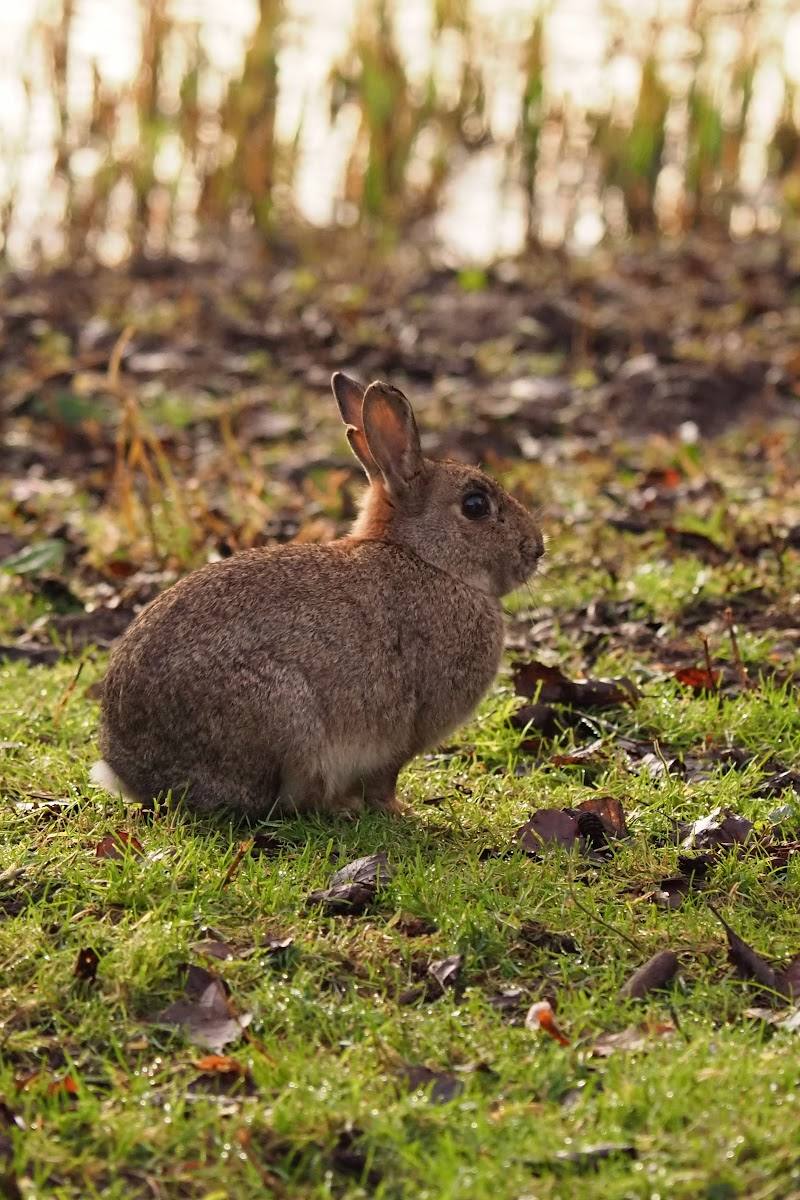
Keep exploring
Around Maple Lodge Nature Reserve
Within 50 km · approximate straight-line distances