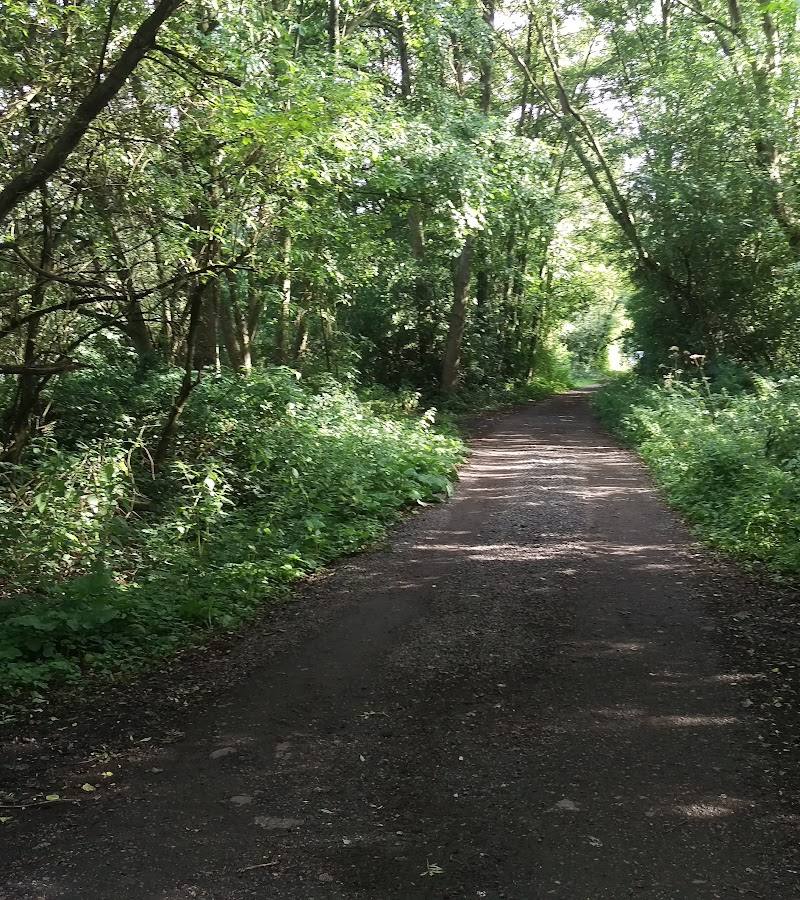
Between Chorleywood and Chalfont St Giles, on the Buckinghamshire–Hertfordshire border, within the Chilterns National Landscape. Postcode WD3 5BG.
Philipshill Wood
Ancient woodland
Source image
6.0
Wildland
1–2 hours
Time
Check
Cost
Peaceful
Feel
Why it's Wildland
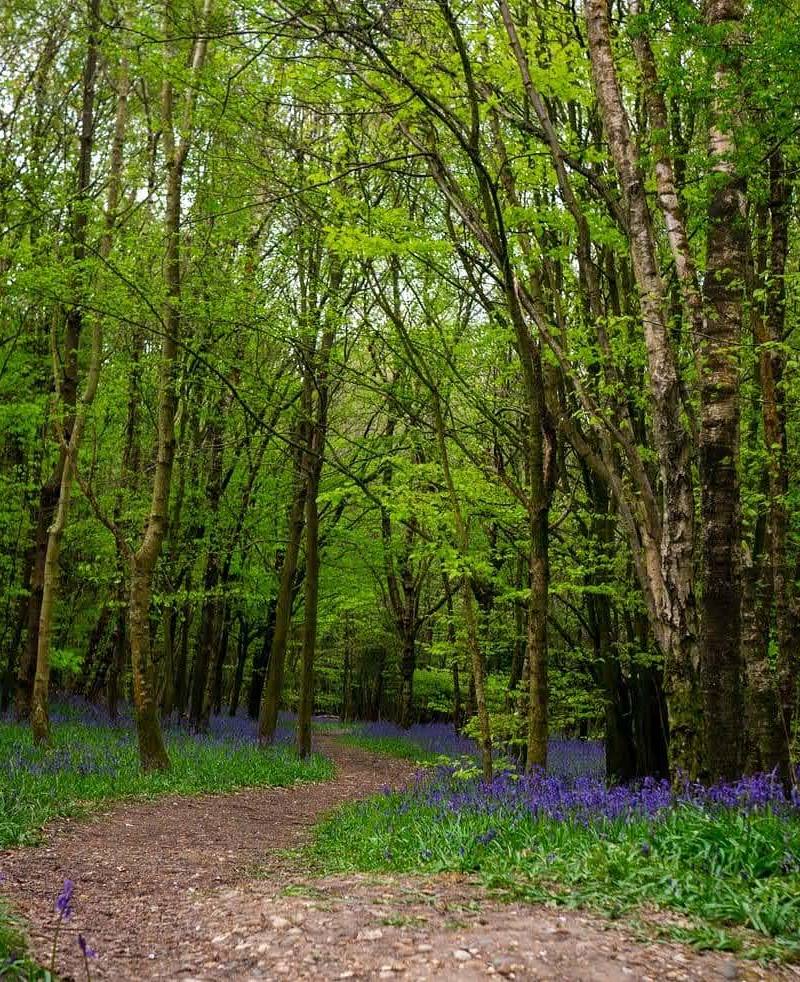
6.0Bluebells spread beneath beech leaves here in spring, while the wood’s earthworks, saw pits and charcoal-burning remains hint at a much older working landscape. Its eastern edge is believed to follow the historic boundary between Mercia and Wessex.
Philipshill is more than a pleasant patch of beech and oak: this 31-hectare Chiltern wood combines a celebrated spring bluebell display with orchids, woodland birds and traces of past industry and cultivation. Its steep, chalky paths reward a slower wander and a closer look at the ground beneath the trees.
Peaceful · Atmospheric · Ancient-feeling
Find your way
Open mapBetween Chorleywood and Chalfont St Giles, on the Buckinghamshire–Hertfordshire border, within the Chilterns National Landscape. Postcode WD3 5BG.
Opening map…
Know this place a little better?
The experience
Explore a Woodland Trust wood on the Chilterns ridge, where spring bluebells and orchids share the scene with mature beech and oak, woodland birds and visible traces of historic woodland work. Paths are unsurfaced and some are steep; allow time to take them at an unhurried pace.
Things to do
See the spring bluebells
Visit in late April to mid-May to see bluebells blooming below the beech canopy.
Allow time within a woodland walk
Look for woodland orchids
The Chilterns National Landscape lists white helleborine and bird’s-nest orchids among the wood’s plant life; look carefully and avoid trampling vegetation.
Find traces of woodland work
Look for saw pits, earthworks and charcoal-burning earths described in the Chilterns National Landscape account.
Listen and look for woodland wildlife
The Woodland Trust identifies tawny owls, great spotted woodpeckers, nuthatches and a variety of moths and butterflies among the wood’s wildlife.
Walk the Chiltern Way edge
The Chiltern Way passes along the southern edge of the wood. Check a current route map before joining or extending your walk.
Make a day of it
Quick escape · 1–2 hours
Bluebells and woodland traces
- 01
Enter via a public access point and follow a permissive path through the wood.
- 02
In late April to mid-May, look for bluebells beneath the beech canopy.
- 03
Notice the woodland’s earthworks, saw pits and charcoal-burning remains as you walk.
- 04
Return by a permissive path; check local signs and access conditions before setting out.
Half day · About 2 hours
A longer woodland wander
- 01
Explore the permissive paths and make a circular walk through the wood.
- 02
Pause to look for woodland flowers, birds and butterflies, and for evidence of historic woodland work.
- 03
If you want a longer outing, the Chiltern Way passes along the southern edge; check the route and access details before joining it.
Verified history
The eastern edge of the wood is believed to mark the historic boundary between the kingdoms of Mercia and Wessex. The Chilterns National Landscape describes hedgerows within the wood as estimated to be around 900 years old. The wood has been felled and replanted at different times, including during the Second World War, when much of its timber was used for rifle butts. Woodland Trust acquired the site in 1994; management began in the 1960s, and restoration work is under way.
Hidden details
The old kingdom boundary — The eastern edge is believed to follow the historic boundary between Mercia and Wessex; the source also notes hedgerows estimated to be around 900 years old.
Evidence of woodland industries — Look for the recorded saw pits and charcoal-burning earths, physical traces of earlier work in the wood.
When to go
April · May · Early morning is a reasonable choice for a quieter-feeling woodland visit; no crowd data is verified.
The Woodland Trust highlights spring bluebells beneath beech leaves, and the Chilterns National Landscape gives late April to mid-May as the display period. Orchids and woodland wildlife are additional reasons to look closely at other times.
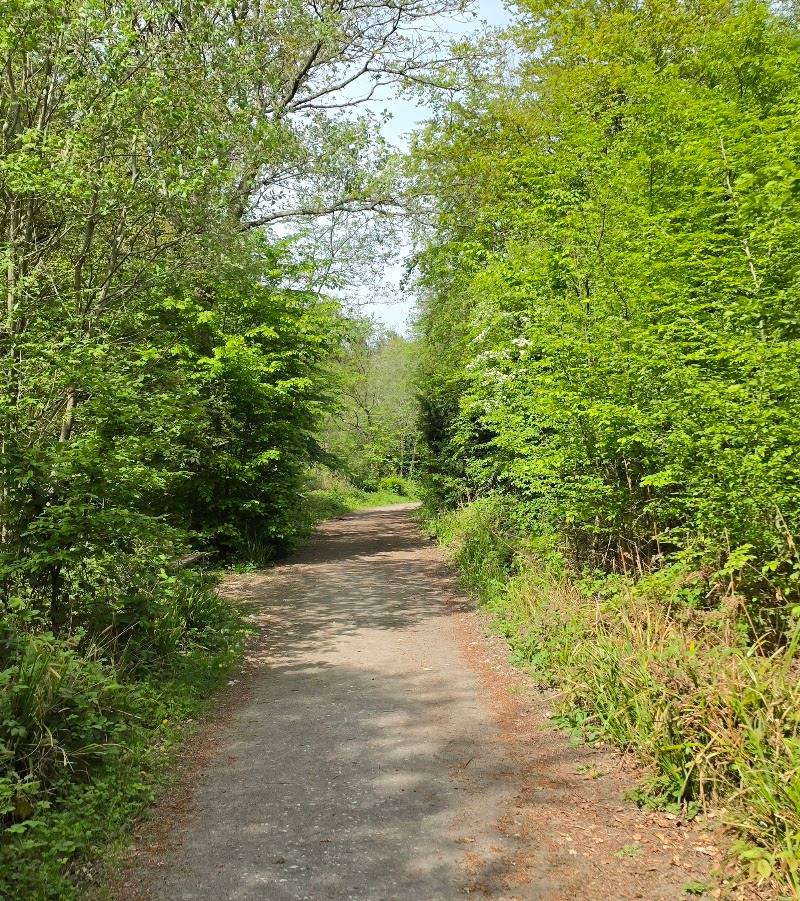
Paths are unsurfaced and some are steep. The Woodland Trust describes the soil as stony and chalky, generally suitable for walking through much of the year; check conditions before visiting.
What to look for
- 01
In spring, watch for bluebells beneath the beech canopy and look for white helleborine and bird’s-nest orchids. On the paths, notice saw pits, earthworks and charcoal-burning earths
- 02
listen for tawny owls and woodland birds such as great spotted woodpeckers and nuthatches.
The story
Archaeology; historic woodland management; the Mercia–Wessex boundary
Best time to go
Late April to mid-May for bluebells; woodland wildlife and flowers offer other seasonal interest.
Late April to mid-May is the Woodland Trust’s stated bluebell season. For a quieter visit, consider an early start; this is a suggestion, not a verified crowd pattern.
How long to spend
1–2 hours
Perfect for
Walkers · Wildlife lovers · Photographers
Before you go
Google rating
Practical information
Opening & access
The Woodland Trust reports public access via a public bridleway from Old Shire Lane and a public footpath at the north of the site; permissive paths provide circular walks within the wood. Check before visiting for current access information.
Check before visiting
Parking
The Woodland Trust reports limited free parking near the wood, with paid parking also available at Chorleywood station and Ferry Car Park. Check before visiting for current arrangements.
Check before visiting
Toilets
The nearest public toilets are reported at Dovecote Close and Woodside Meadow in Amersham, about 7.7 km away. Check before visiting.
Check before visiting
Food & drink
Check before visiting.
Check before visiting
Dogs
The Chilterns National Landscape reports dogs allowed. Check before visiting for current rules and signage.
Check before visiting
Accessibility
The Woodland Trust describes unsurfaced paths, some steep in places, with stony, chalky soil. The Chilterns National Landscape reports very limited disabled access. Check before visiting for current conditions and suitability.
Check before visiting
Cost
Check before visiting
Check before visiting
Gallery
Place photographsKeep exploring
Around Philipshill Wood
Within 50 km · approximate straight-line distances