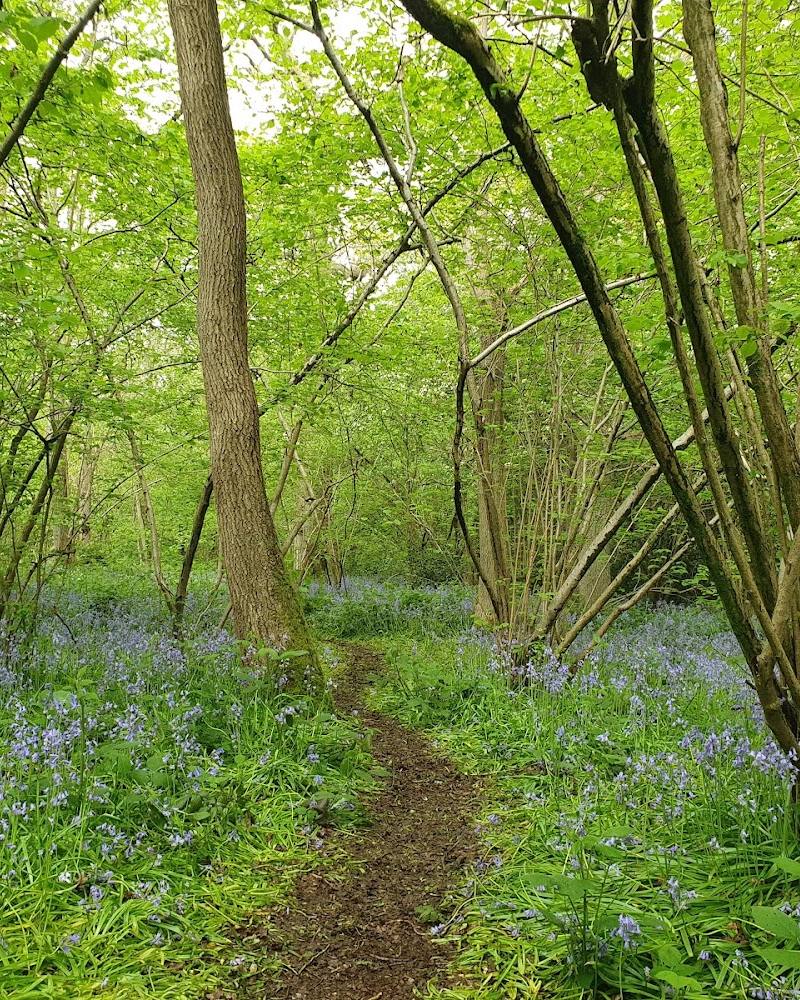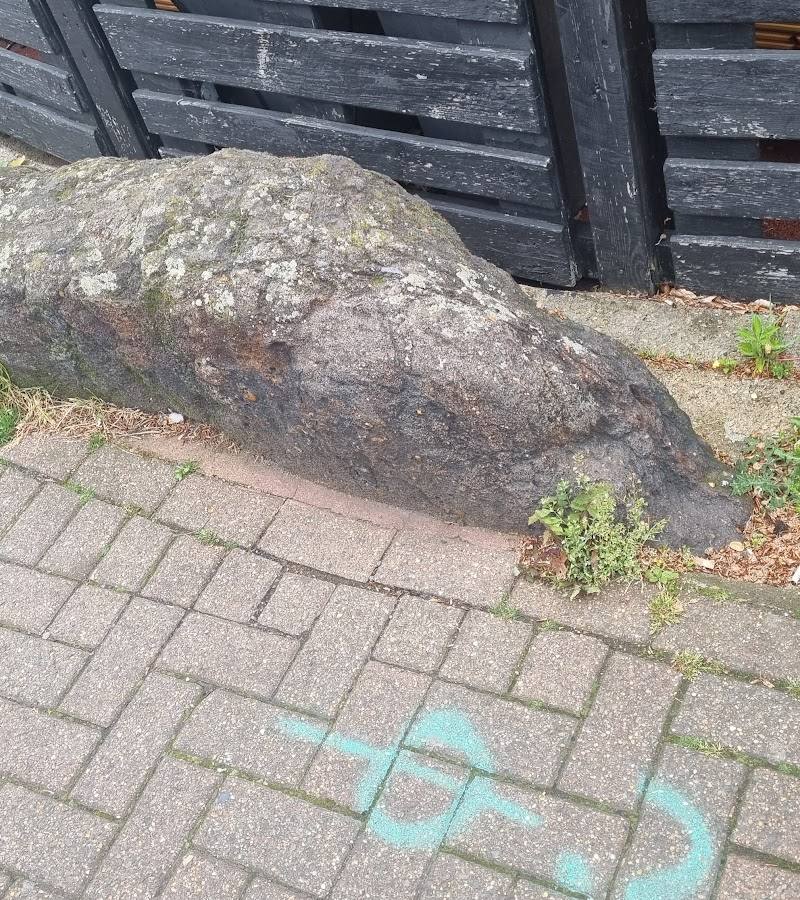
Rickmansworth Aquadrome, Rickmansworth, Hertfordshire WD3 1NB
Stocker's Lake Nature Reserve
Mixed-habitat reserve
Place photograph
7.3
Wildland
1–2 hours
Time
Free
Cost
Peaceful
Feel
Why it's Wildland
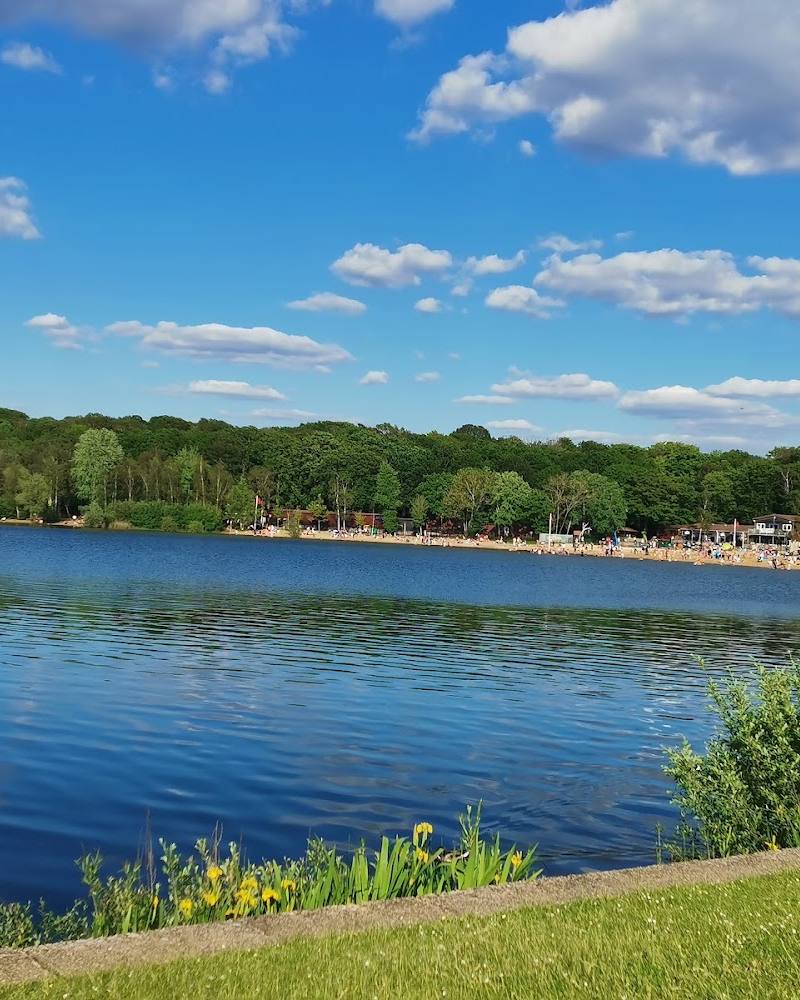
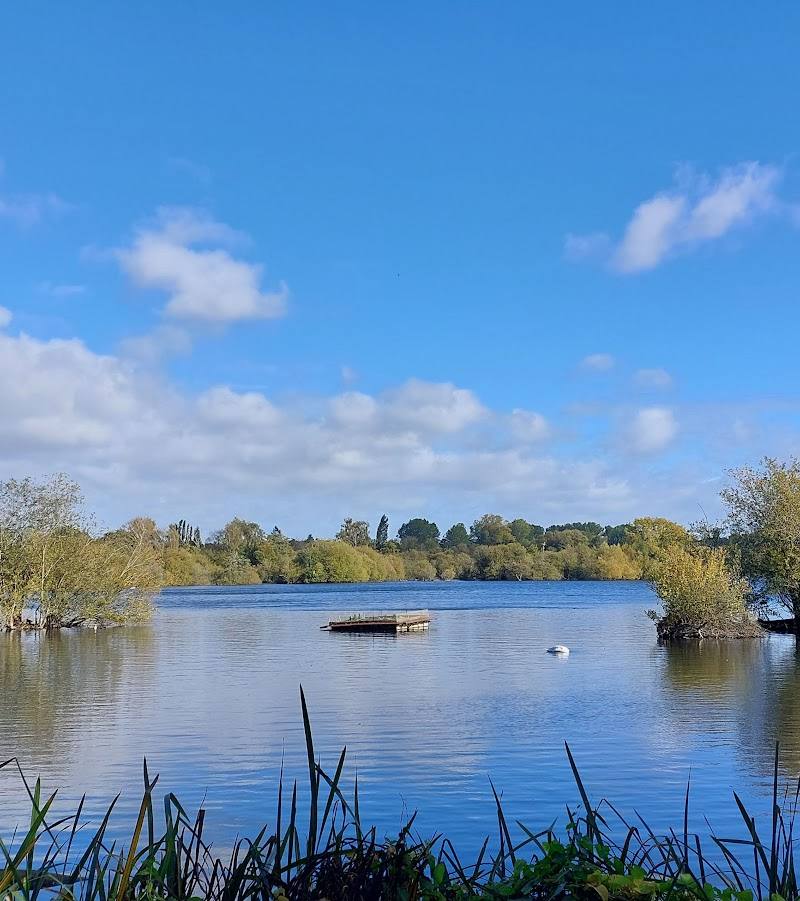
7.3A former gravel pit that supplied material for development in London, Stocker's Lake has become a 40-hectare wildlife reserve with nationally important numbers of wintering birds and a large heronry.
The draw here is not a remote wilderness but the wildlife concentrated around a lake shaped by the city’s expansion. Three hides, a heron viewpoint and a circular lakeside walk give you good ways to look for birds, with winter wildfowl and early-spring nesting herons as seasonal highlights.
Peaceful · Wildlife-rich
Find your way
Open mapRickmansworth Aquadrome, Rickmansworth, Hertfordshire WD3 1NB
Opening map…
Know this place a little better?
The experience
Take the circular walk from Frogmore Lane, pausing at one of the three bird hides and the heron viewpoint. Allow around 1–2 hours; visit in winter for wildfowl or from February for a chance to see herons nesting.
Things to do
Walk the Stocker's Lake circuit
Follow the circular walk around the lake from Frogmore Lane, using the route to explore the waterside habitat.
Not specified
Stop at the bird hides
Visit one of the three hides and look across the lake for wildfowl and other birds. Bring binoculars if you have them.
Look for the heronry
From February, scan the trees on the lake’s islands for heron nests; the reserve also reports Little Egrets there.
Watch for wintering wildfowl
In winter, look for species including Wigeon, Gadwall, Pochard, Mallard and Shoveler. Goldeneye and Smew may appear in particularly cold winters.
Make a day of it
Quick escape · Around 1–2 hours
Quick Escape: a lakeside birdwatch
- 01
Start from Frogmore Lane and follow the circular walk around Stocker's Lake.
- 02
Pause at a hide or the heron viewpoint and scan the lake and island trees for birds.
- 03
Return by the lakeside path; paths are non-paved, so check conditions before setting out.
Half day · Half day
Make a half day of it: Stocker's Lake and Bury Lake
- 01
Walk the circular route around Stocker's Lake, allowing time to visit the hides and heron viewpoint.
- 02
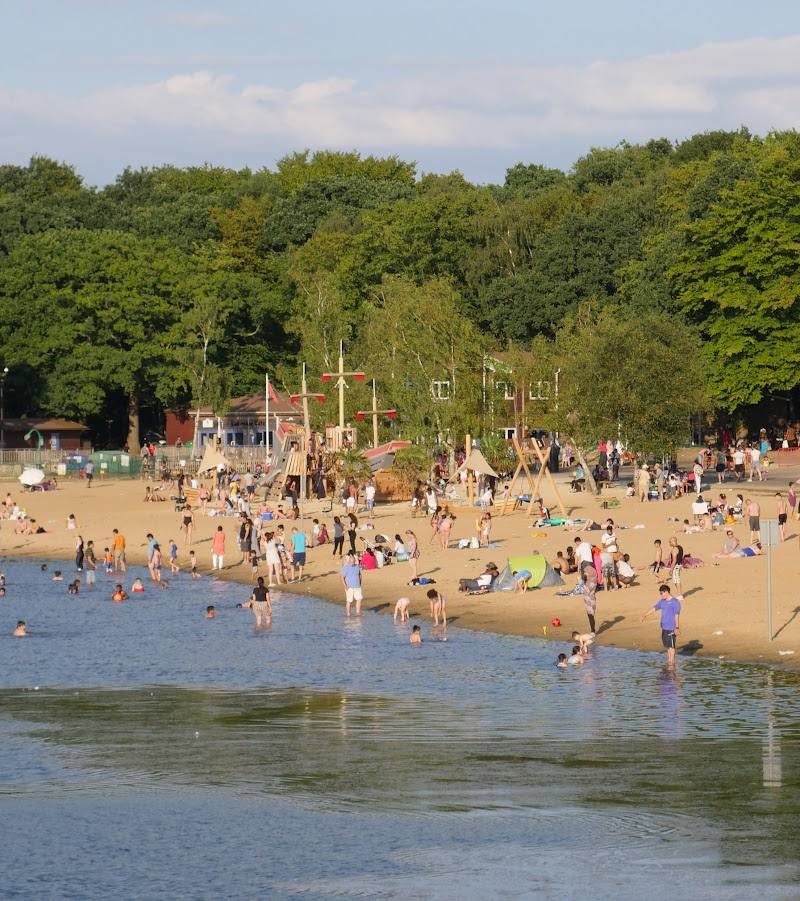
Continue to the nearby Bury Lake area at the Rickmansworth Aquadrome.
- 03
Consider refreshments at the café at nearby Bury Lake; check current opening and access details before visiting.
Verified history
Stocker's Lake is one of the oldest gravel pits in the Colne Valley. Gravel extracted here in the 1920s and 1930s contributed to development in London, including the old Wembley Stadium. After extraction stopped, the pit filled with water and developed into a wildlife-rich reserve. The reserve is owned by Affinity Water.
Hidden details
A landscape made by gravel extraction — The lake is not a natural mere: it formed after gravel extraction ended and the former pit filled with water. The extracted material was used in London’s development, including the old Wembley Stadium.
Nesting herons on the islands — From February, the trust says visitors may see up to 20 heron nests in trees on the lake’s islands, alongside Little Egrets.
When to go
February · March · April · May · June · July · November · December · January · No specific time of day is established by the supplied sources; check local conditions and visit during daylight.
Herts and Middlesex Wildlife Trust recommends April–July and November–February. Spring brings the chance to observe nesting herons from February; winter is the strongest stated season for migratory wildfowl.
Paths are non-paved; conditions may affect the walk. Check the forecast and path conditions before visiting.
Worth pairing with
Bury Lake and its café
The wildlife trust notes a café at nearby Bury Lake, making it a practical possible extension to a visit. Check current opening and access details.
What to look for
- 01
Scan the lake for wintering Goldeneye and, in particularly cold winters, Smew. From February, look towards the trees on the islands for heron nests and Little Egrets
- 02
listen for Cetti’s warbler in the reeds.
The story
Gravel extraction and the changing Colne Valley landscape
Best time to go
April–July and November–February; spring is a good time to look for nesting herons, while winter brings visiting wildfowl.
November–February for wintering wildfowl; from February, look towards the island trees for heron nests. April–July is also listed as a good visiting period.
How long to spend
1–2 hours
Perfect for
Walkers · Wildlife lovers · Photographers · Families
Practical information
Opening & access
Open at all times. Free access. Paths around the reserve are described as good, though not paved. Check current conditions before visiting.
Check before visiting
Parking
Park in the Rickmansworth Aquadrome car park on Frogmore Lane. Ample parking is also reported by Friends of Stocker's Lake; check current arrangements before travelling.
Check before visiting
Toilets
Toilets listed by Herts and Middlesex Wildlife Trust; check availability before visiting.
Check before visiting
Food & drink
Herts and Middlesex Wildlife Trust lists refreshments, with its page specifying a café at nearby Bury Lake. No food or drink service is confirmed at the reserve itself; check before visiting.
Check before visiting
Dogs
Dogs on a lead.
Accessibility
Paths are described as good but non-paved. Surface conditions and step-free suitability are not specified; check before visiting.
Check before visiting
Cost
Free
Water
Lake
Gallery
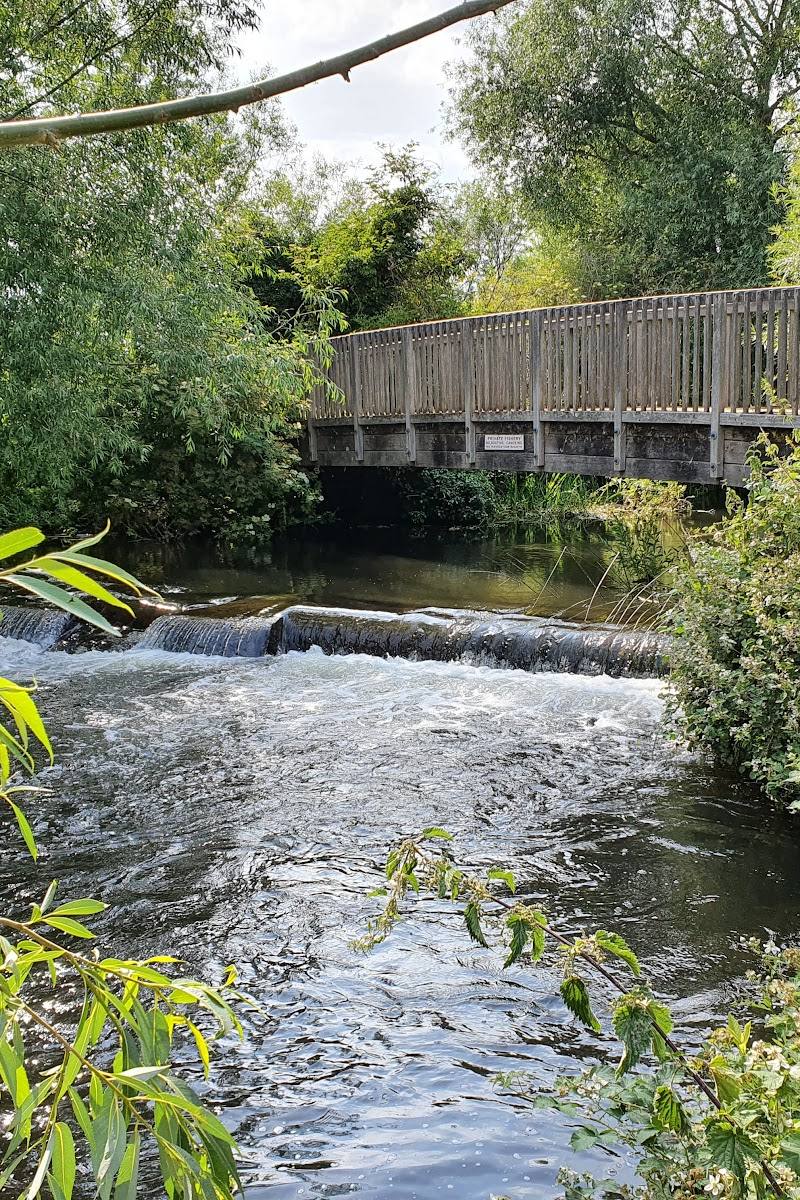
Place photographs
Keep exploring
Around Stocker's Lake Nature Reserve
Within 50 km · approximate straight-line distances