Knockan Crag, Elphin, near Lairg, Highland, Scotland, IV27 4HH
Knockan Crag National Nature Reserve
Mixed-habitat reserve
Place photograph
7.7
Wildland
1–2 hours
Time
Check
Cost
Dramatic
Feel
Why it's Wildland
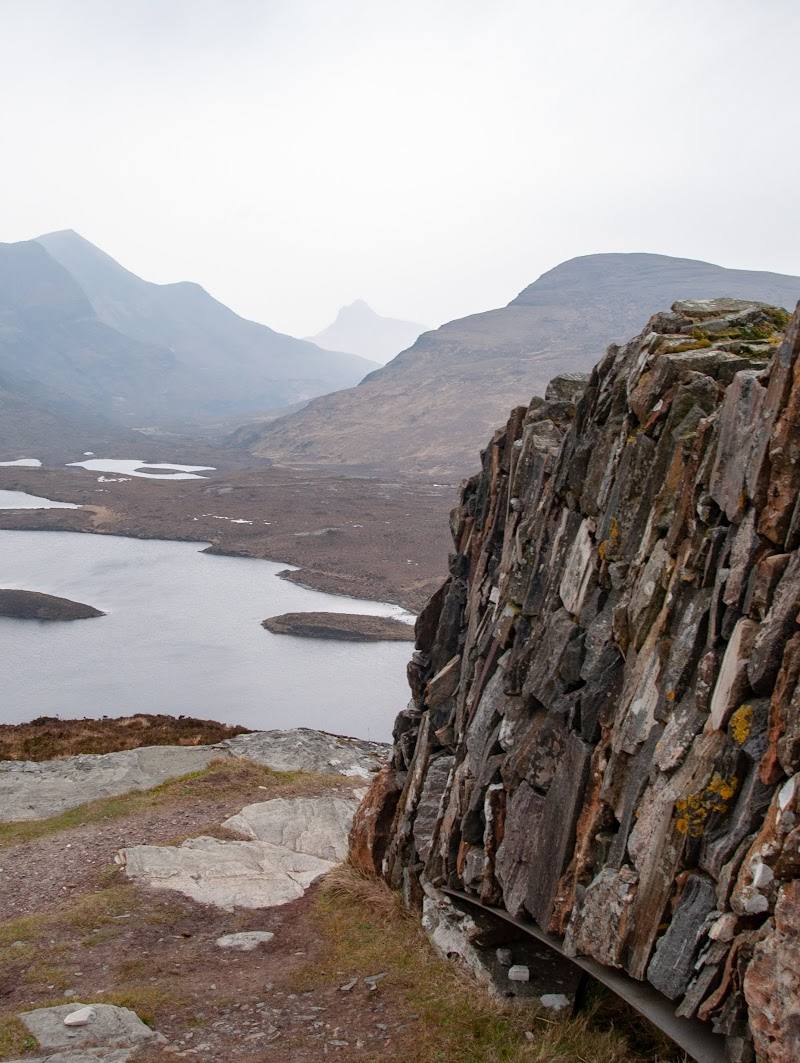
7.7At Knockan Crag, an exposed rock face reveals the Moine Thrust: a geological record of ancient continental collision, set against the broad mountain scenery of the North-west Highlands.
Knockan Crag makes deep geological time tangible: the Moine Thrust is exposed at the crag, while trails combine mountain views with poetry and sculpture. It is an unusually clear meeting of landscape, science and outdoor discovery.
Dramatic · Wild · Atmospheric
Find your way
Open mapKnockan Crag, Elphin, near Lairg, Highland, Scotland, IV27 4HH
Opening map…
Know this place a little better?
The experience
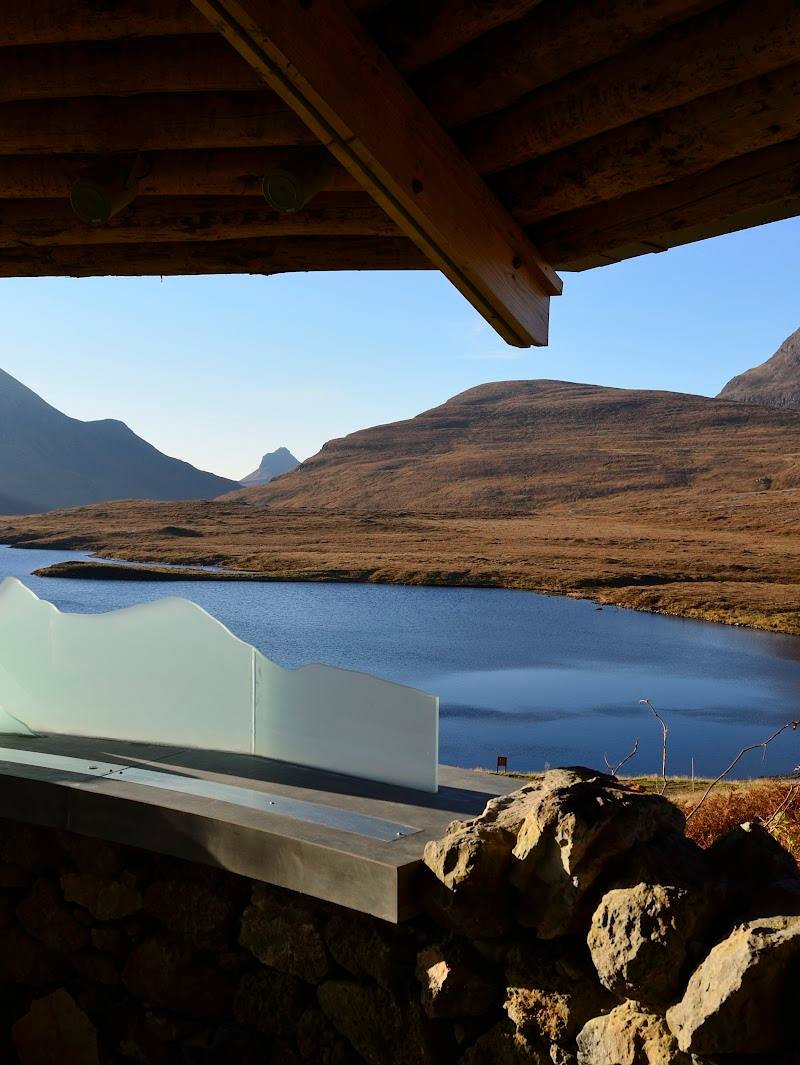
Explore the reserve’s geological interpretation and trails, see the exposed rocks associated with the Moine Thrust, and take in mountain views. Poetry and sculpture add details to look for along the way.
Things to do
Read the Moine Thrust in the rock
See the exposed geological feature associated with the collision of continents, and use the reserve’s interpretation to understand the rocks beneath your feet.
20–40 minutes
Explore the Rock Room
Visit the reserve’s geological interpretation area before following the trail, so the exposed rocks and landscape have context.
Follow the crag-top trail
Walk the trail over the crag for close views of the geology and wider mountain scenery. A visitor account describes steep steps and a narrow section; check current route conditions and suitability.
About 1–2 hours
Find the poetry and sculpture
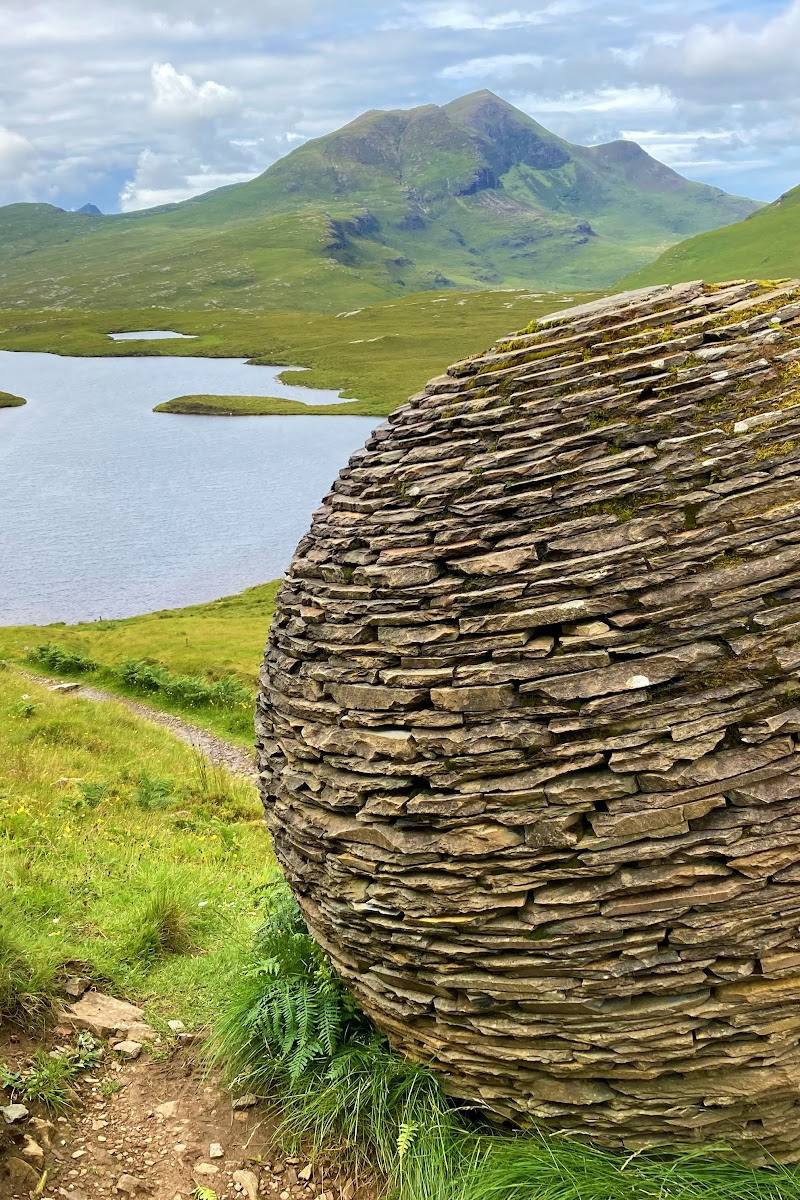
Look for the sculptures and Norman MacCaig’s poetry carved into the rock as you explore the reserve.
Allow time for stops along the trail.
Make a day of it
Quick escape · About 1 hour
Quick escape: meet the Moine Thrust
- 01
Start at the reserve car park and read the on-site interpretation.
- 02
Follow the accessible-to-you section of the trail to the exposed crag and geological features.
- 03
Pause to take in the mountain setting, then return the way you came.
Half day · Allow 2–3 hours
Half day: take the crag-top trail
- 01
Begin with the Rock Room and interpretation to understand the geological story.
- 02
Follow a trail over the crag, stopping at the exposed rocks and viewpoints.
- 03
Look out for the poetry and sculpture along the route.
- 04
Allow extra time for the steep sections and to enjoy the mountain scenery.
Verified history
The Moine Thrust formed through the movement of rocks during ancient continental collision. Knockan Crag’s exposed rocks became central to geological debate in the 19th century, as they showed older rocks lying above younger ones. The reserve’s geological interpretation explains this story on site. Poetry by Norman MacCaig and sculpture also form part of the visitor experience.
Hidden details
Older rock above younger rock — At the exposed Moine Thrust, look for the geological relationship that helped make the crag important to 19th-century scientific debate: older rock sitting above younger rock.
Poetry carved into the crag — Look for Norman MacCaig’s poetry carved into the rock, alongside the sculptures inspired by the landscape and its geological story.
When to go
May · June · July · August · September · Choose a clear, settled spell; no specific time of day is established by the supplied sources.
The reserve can be visited year-round, but the sources do not establish a seasonal wildlife or flowering highlight. Clear weather is the useful consideration for the mountain views and exposed trails.
The crag is exposed, and a visitor account describes a steep, strenuous section of trail. Check the forecast and current trail conditions; take suitable footwear and be prepared for Highland weather.
Worth pairing with
North West Highlands Geopark Rock Route
NatureScot suggests following the Rock Route through the North-west Highlands as a way to continue exploring the area’s geological landscape.
North West Highlands Geopark Rock Stop
NatureScot points visitors towards the Rock Stop, a Geopark visitor centre, for a possible geology-focused pairing. Check current opening and visitor information before travelling.
What to look for
- 01
Look for the exposed Moine Thrust, where older rocks lie above younger rocks
- 02
the Rock Room and its geological interpretation
- 03
and the poetry and sculpture along the trails.
The story
Geology and scientific discovery
Best time to go
Any season, in settled weather; choose a clear day for the mountain views.
Choose a clear, settled day for views across the surrounding mountains. The exposed crag can feel especially demanding in poor weather; check conditions before setting out.
How long to spend
1–2 hours
Perfect for
Walkers · Photographers · History lovers
Before you go
Address
Phone
Website
Listed hours
- Monday: Open 24 hours
- Tuesday: Open 24 hours
- Wednesday: Open 24 hours
- Thursday: Open 24 hours
- Friday: Open 24 hours
- Saturday: Open 24 hours
- Sunday: Open 24 hours
Check before visiting.
Google rating
Practical information
Opening & access
NatureScot describes this as a reserve to visit, with trails and a visitor area. The source row reports a wheelchair-accessible car park; trail accessibility is not confirmed. Check current conditions before visiting.
Check before visiting
Parking
A car park is reported at the reserve. The source row says it is wheelchair-accessible; check current arrangements before travelling.
Check before visiting
Toilets
Check before visiting.
Check before visiting
Food & drink
Check before visiting.
Check before visiting
Dogs
Check before visiting.
Check before visiting
Accessibility
The source row reports a wheelchair-accessible car park, but does not establish that the trails or visitor features are wheelchair-accessible. A visitor account describes steep steps and a narrow trail on the Crag Top Trail. Check route conditions and suitability with NatureScot.
Check before visiting
Cost
Check before visiting.
Check before visiting
Gallery
Place photographsKeep exploring
Around Knockan Crag National Nature Reserve
Within 50 km · approximate straight-line distances
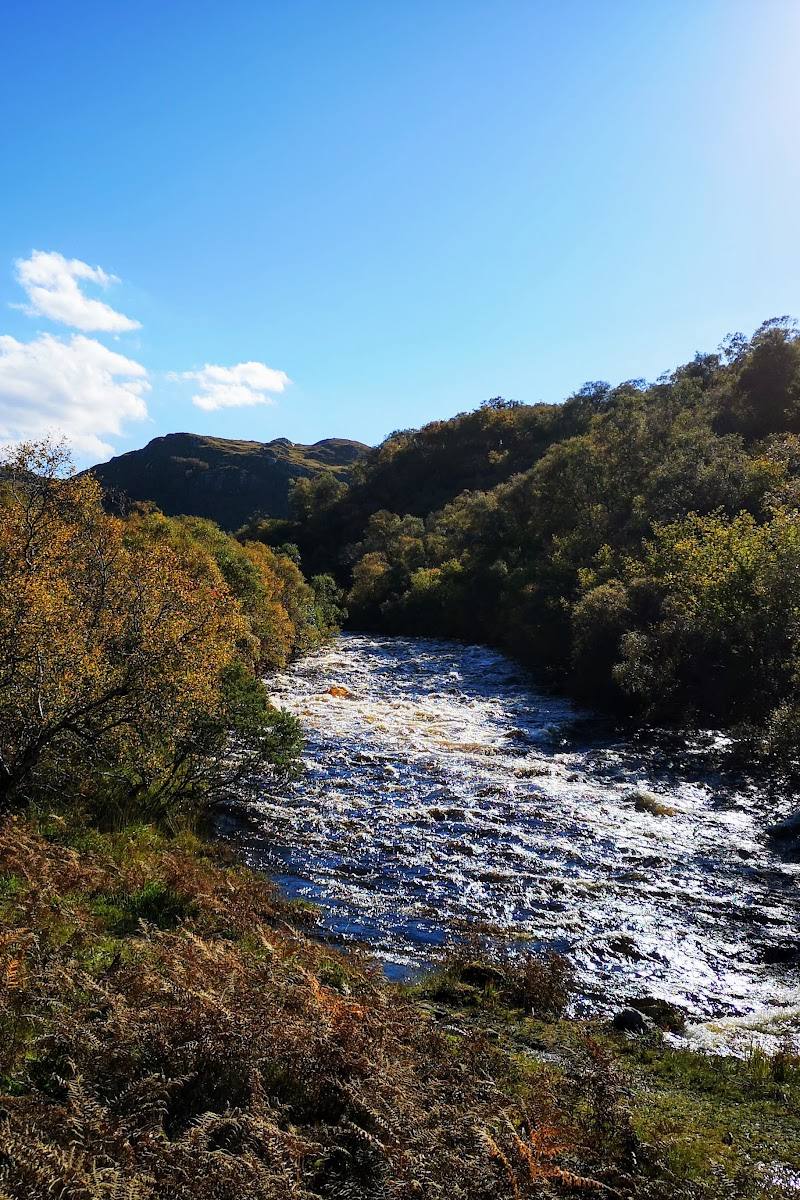 Place photograph7.8
Falls of Kirkaig
Inverkirkaig, south of Lochinver, Assynt, Sutherland, Scottish Highlands
11.6 km away
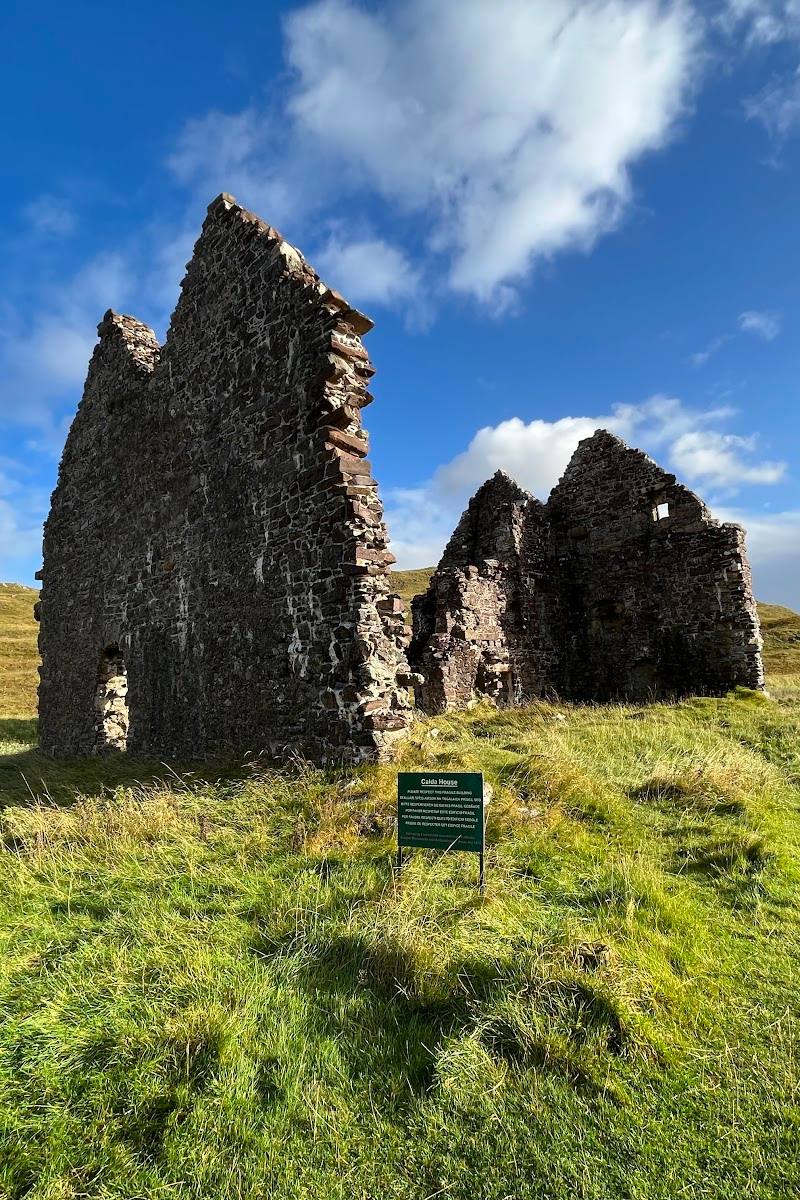 Place photograph6.0
Calda House
On the A837 beside Loch Assynt, near Inchnadamph, Sutherland
15.3 km away
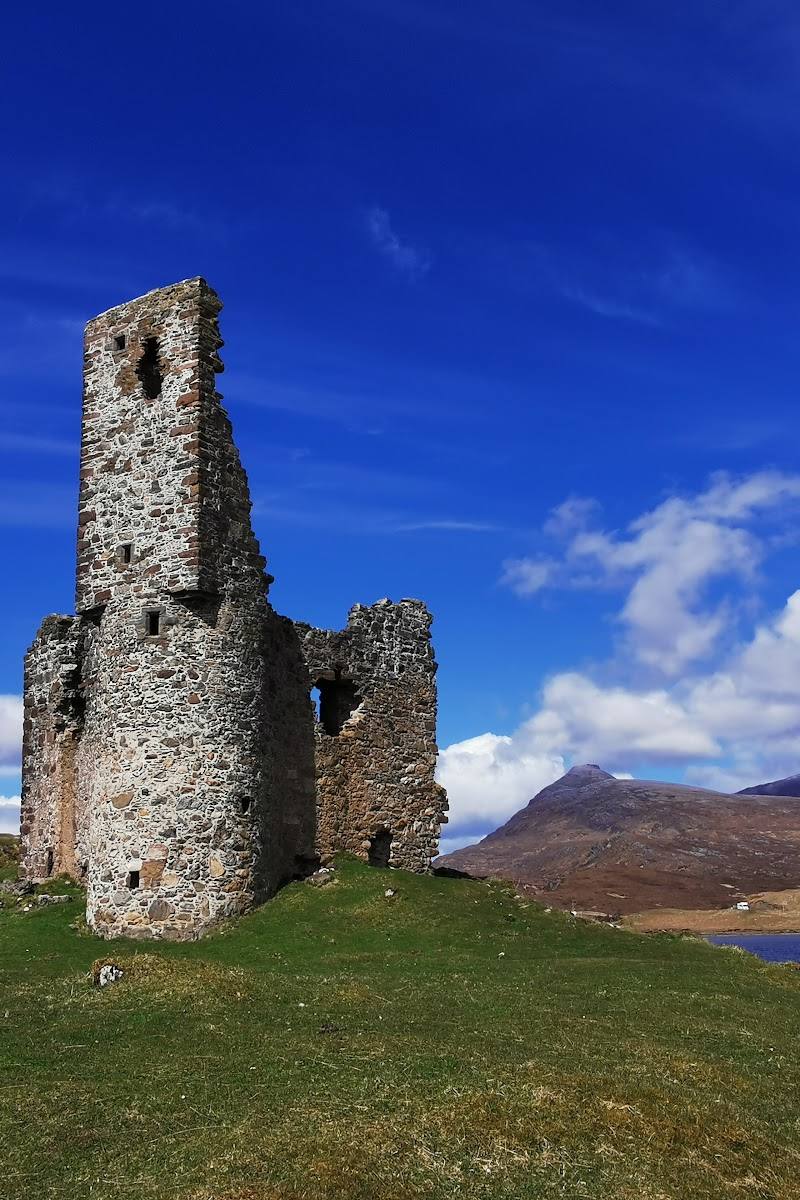 Place photograph8.2
Ardvreck Castle
Loch Assynt, near Lairg, Sutherland, Scottish Highlands
15.4 km away