Hawthorn Village, between Easington and Seaham, County Durham
Hawthorn Dene
Ancient woodland
Place photograph
7.8
Wildland
1–2 hours
Time
Free
Cost
Peaceful
Feel
Why it's Wildland
7.8A steep-sided coastal dene where ancient woodland, limestone meadow and the remains of a once-grand house meet. The private railway platform that served Hawthorn Towers can still be seen.
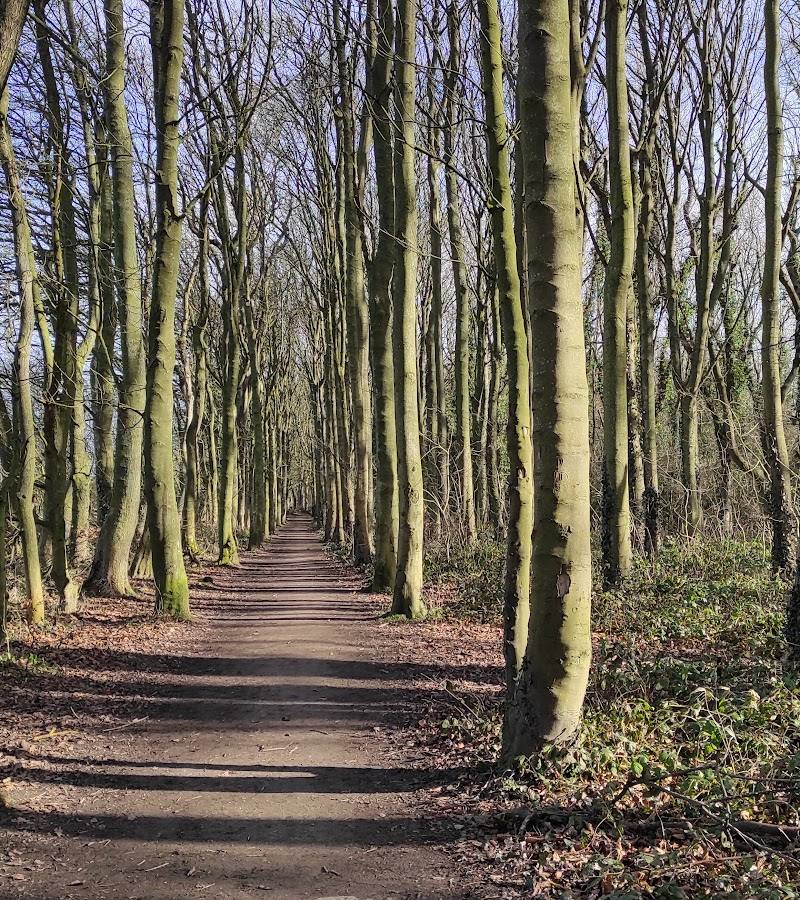
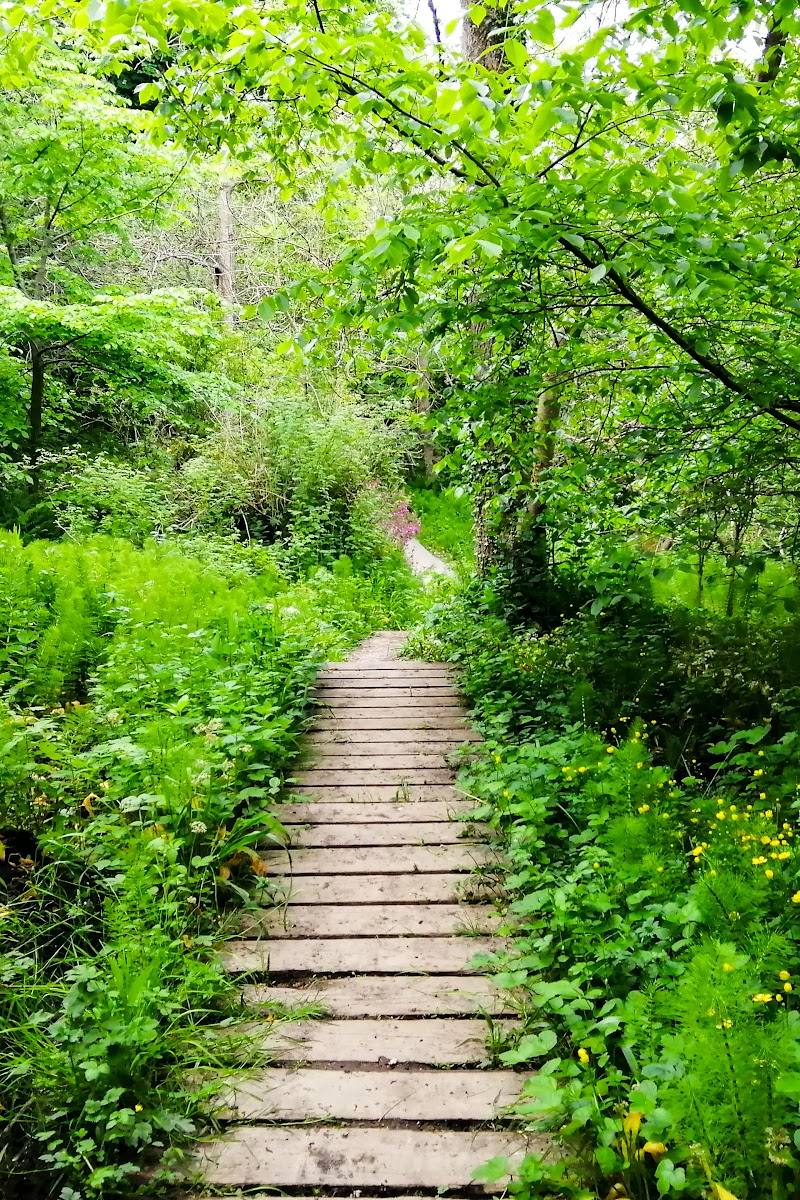
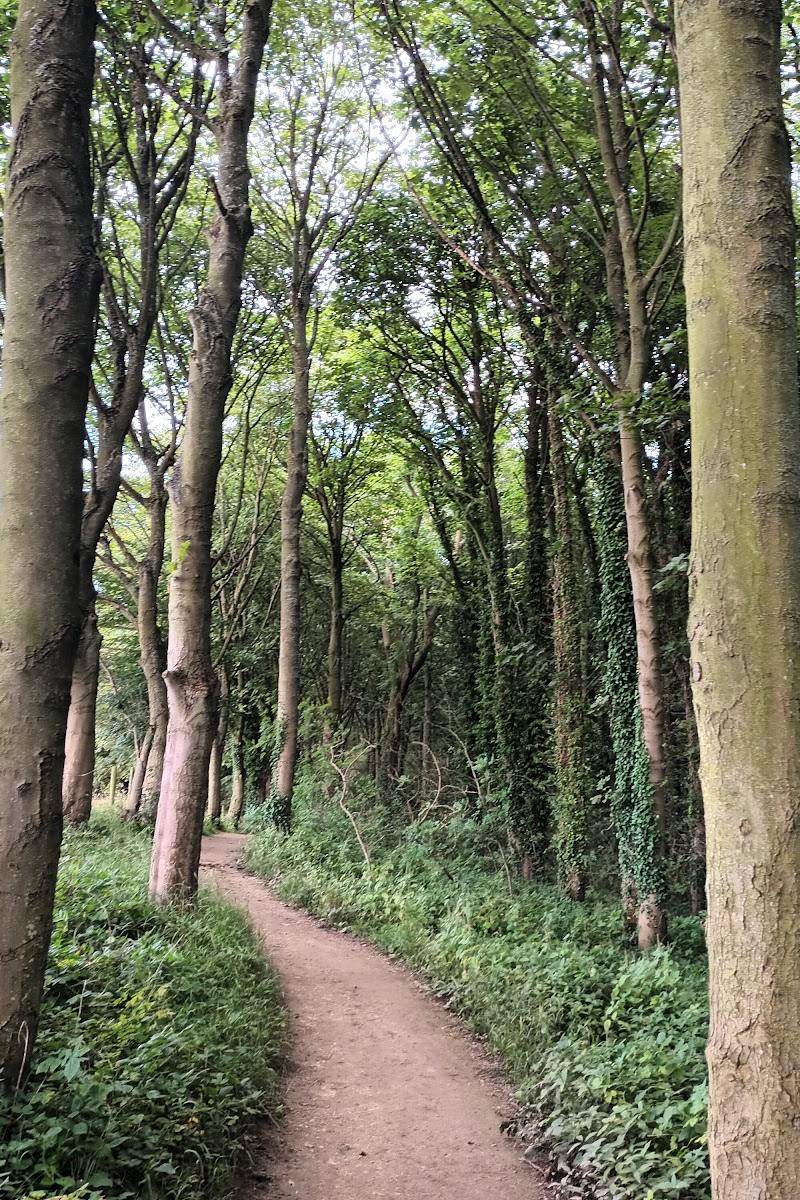
Hawthorn Dene earns its place through contrast: mature yews and spring woodland flowers in a steep limestone ravine, species-rich meadow on the site of a demolished country house, and a dene that runs down towards the sea. It has more to reward a walk than its simple ‘woods’ label suggests.
Peaceful · Secluded · Ancient-feeling · Wild
Find your way
Open mapHawthorn Village, between Easington and Seaham, County Durham
Opening map…
Know this place a little better?
The experience
Start at the lay-bys, follow the access track through the gate and turn right onto the nature trail. Take time to notice the mature yews on the northern slopes, the limestone meadow and the traces of Hawthorn Towers. The reserve’s steep terrain and trail details are not fully specified, so check conditions before setting out.
Things to do
Walk into the dene
From the lay-bys, follow the track through the gate for about 350 metres, then turn right onto the nature trail into the wood.
Look for mature yews
The northern slopes have large numbers of mature native yew, alongside lime-loving woodland species including elm and ash.
Notice the spring woodland flowers
The woodland floor can be carpeted with snowdrops, wild garlic and wood anemone. The Wildlife Trust also notes the uncommon bird’s-nest orchid and herb-Paris.
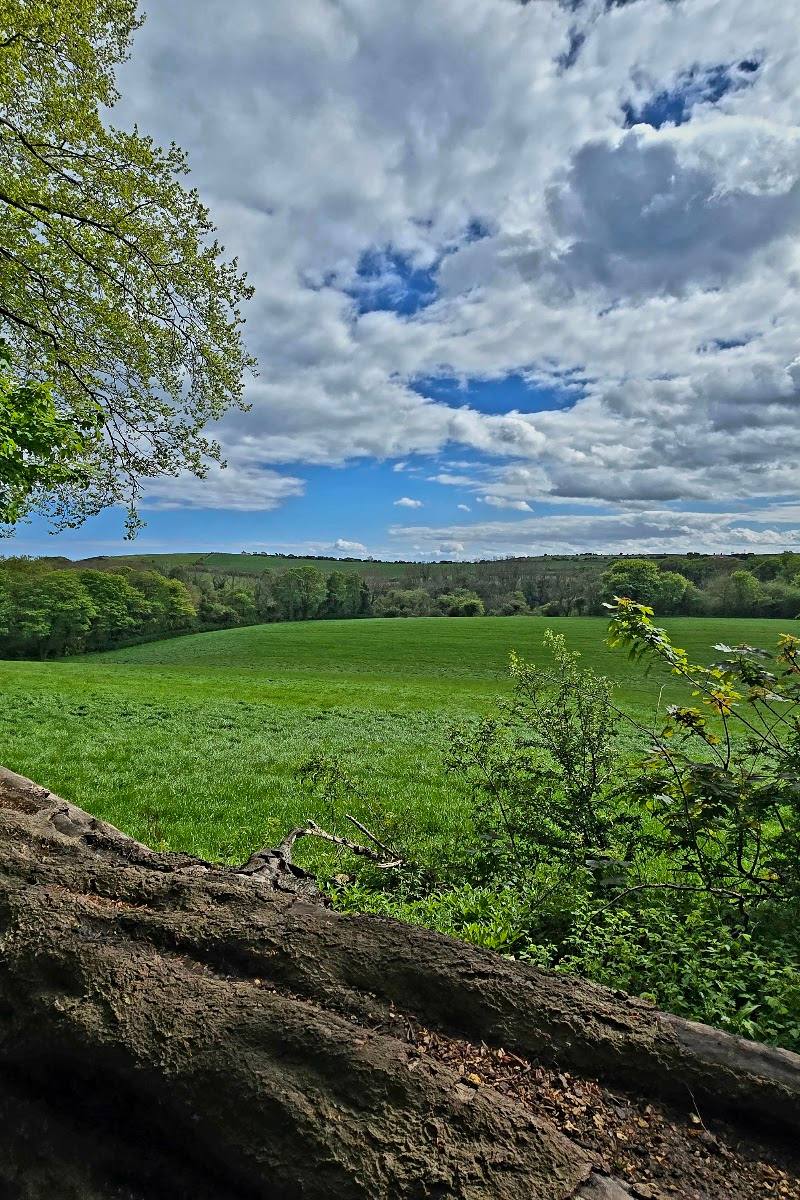
Explore the limestone meadow
Find the species-rich magnesian limestone meadow on the site of Hawthorn Towers, once owned by the Pemberton family.
Find the old railway platform
Look for the remains of the private railway platform that served Hawthorn Towers.
Watch and listen for woodland wildlife
The reserve supports woodland birds including jay, treecreeper and great spotted woodpecker; roe deer are regularly seen.
Make a day of it
Quick escape · No visit duration published; check before visiting.
Quick escape: follow the dene nature trail
- 01
Park in the lay-bys at the end of the surfaced road, beside the modern bungalow.
- 02
Follow the track through the gate for about 350 metres.
- 03
Turn right onto the nature trail into the wood.
- 04
Look for mature yews on the northern slopes and, in spring, woodland flowers.
- 05
Allow time to notice the meadow and the remains of the railway platform; return by the same access route unless current trail information indicates otherwise.
Half day · Half day; no specific route duration is published.
Make a half day of it: woodland, meadow and coast
- 01
Explore the reserve using the Wildlife Trust’s described access and nature-trail entrance.
- 02
Look for the mature yews and seasonal flowers in the woodland, then visit the limestone meadow on the site of Hawthorn Towers.
- 03
Seek out the remains of the private railway platform.
- 04
If conditions and access allow, continue towards the coast; a visitor account describes the dene running down to the sea and connects it with the Durham Heritage Coastal Path.
- 05
Check current route, access and coastal conditions before extending the walk.
Verified history
Hawthorn Towers stood within the dene on the site of the present limestone meadow. The house was once owned by the Pemberton family, fell into disrepair and was demolished in 1969. The remains of its private railway platform can still be seen. The available source does not provide further dates or details about the family or railway.
Hidden details
The house’s railway connection — The remains of a private railway platform that served Hawthorn Towers survive in the dene—a small, tangible trace of the former house and estate.
Uncommon woodland plants — The Wildlife Trust identifies bird’s-nest orchid and herb-Paris among the uncommon species found here. Their precise locations and seasonal timing are not specified, so look without disturbing plants.
When to go
April · May · June · July · No time-of-day recommendation is published; check conditions before visiting.
Durham Wildlife Trust recommends April to July. Spring brings snowdrops, wild garlic and wood anemone, while the species-rich limestone meadow and other wildflowers add interest later in the season.
The reserve is a steep-sided ravine; no specific weather guidance or path-condition information is supplied. Check local conditions before setting out.
Worth pairing with
Durham Heritage Coastal Path
A visitor account describes reaching the coast from the dene and walking part of the Durham Heritage Coastal Path. Confirm the current route and access before planning this extension.
Noses Point, Seaham
A visitor account describes walking to Hawthorn Dene from Noses Point and joining part of the Durham Heritage Coastal Path. Treat this as an unverified route suggestion and check current directions and conditions.
What to look for
- 01
Mature native yews on the northern slopes
- 02
spring snowdrops, wild garlic and wood anemone
- 03
bird’s-nest orchid and herb-Paris
- 04
the limestone meadow on the site of Hawthorn Towers
- 05
and the remains of its private railway platform.
The story
Hawthorn Towers and its Pemberton family owners; remains of the house’s private railway platform.
Best time to go
April–July, the Wildlife Trust’s recommended visiting period; spring brings woodland flowers and early summer brings meadow wildflowers.
April to July is the Wildlife Trust’s recommended period. In spring, look for snowdrops, wild garlic and wood anemone; later, look for wildflowers in the meadow.
How long to spend
1–2 hours
Perfect for
Walkers · Wildlife lovers · Photographers · Dogs
Before you go
Google rating
Practical information
Opening & access
Durham Wildlife Trust says the reserve is open at all times. From the B1432 junction south of Cold Hesleden, follow the surfaced road east to its end and park in lay-bys beside the modern bungalow. Follow the track through the gate for about 350 metres, then turn right onto the nature trail. Dogs must be kept on a lead.
Parking
Lay-bys at the end of the surfaced road, beside a modern bungalow; follow the track through the gate for about 350 metres to the nature trail. Check locally before travelling.
Check before visiting
Toilets
Check before visiting
Check before visiting
Food & drink
Check before visiting
Check before visiting
Dogs
Dogs on a lead.
Accessibility
The approach includes a track and a nature trail in a steep-sided ravine. Surface, gradients and accessibility details are not specified; check before visiting.
Check before visiting
Cost
Free
Water
The dene stretches down to the sea; no swimming or water-activity permission is established.
Gallery
Place photographs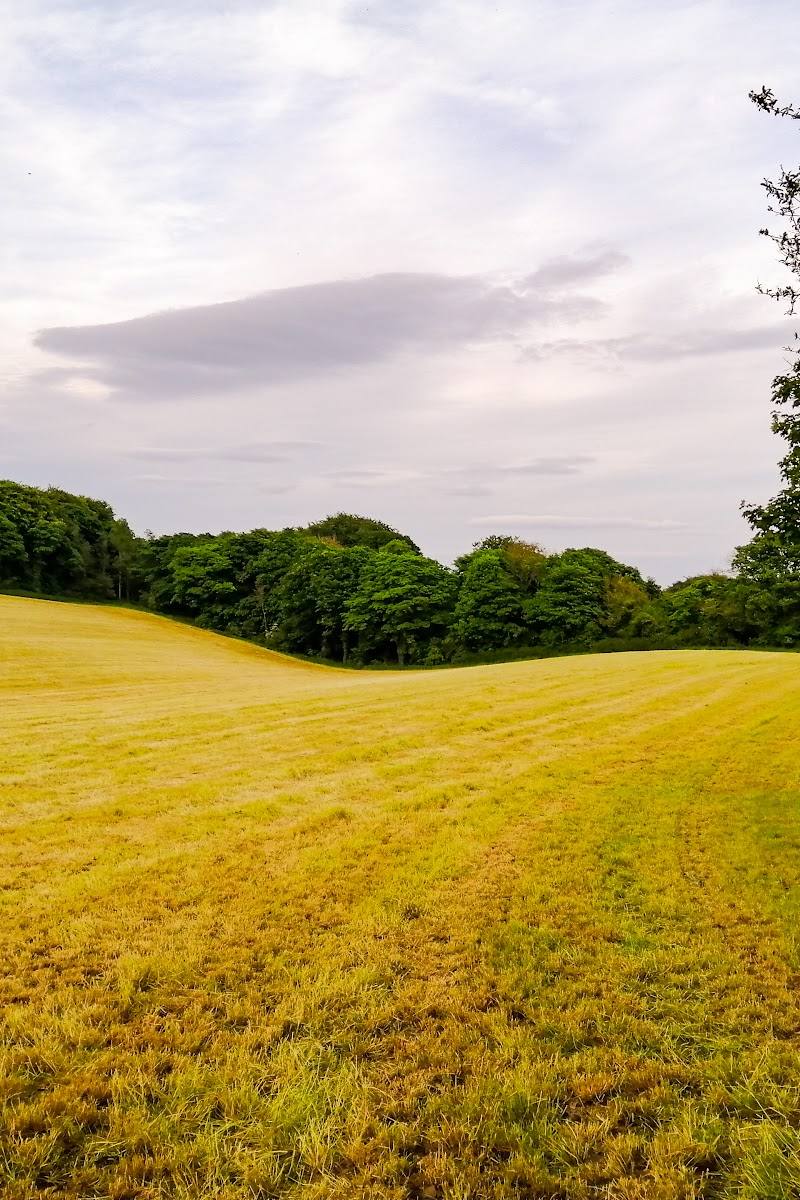
Keep exploring
Around Hawthorn Dene
Within 50 km · approximate straight-line distances
 Place photograph7.7
Hawthorn Dene
Hawthorn Village, between Easington and Seaham, County Durham
0.7 km away
 Place photograph7.5
Hawthorn Dene Nature Reserve
Hawthorn village, near Seaham, County Durham
0.8 km away
 Place photograph8.0
Hawthorn Dene
Hawthorn Village, between Easington and Seaham, County Durham
1.8 km away
 Place photograph7.4
WWT Washington Wetland Centre
Barmston Lane, Pattinson, Washington, Tyne and Wear NE38 8LE
14.4 km away