3 km north-east of Once Brewed, Northumberland
Greenlee Lough
Lake
Place photograph
6.7
Wildland
1–2 hours
Time
Free entry
Cost
Peaceful
Feel
Why it's Wildland
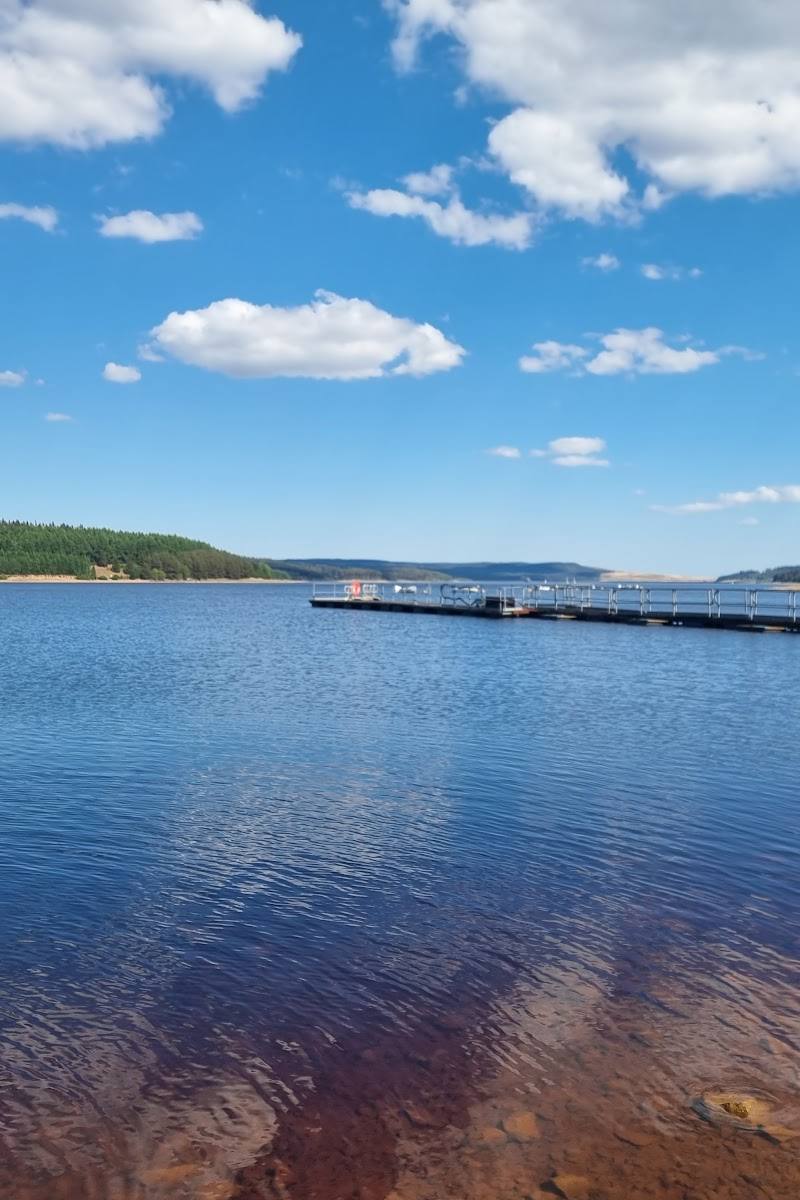
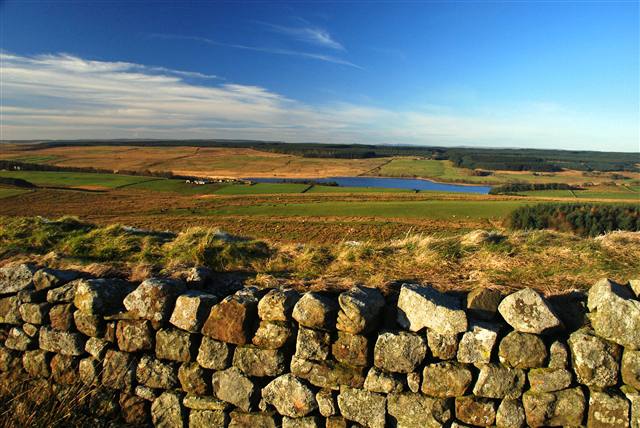
6.7One of the Roman Wall Loughs, Greenlee Lough is more than open water: its shallow lake sits among reedbeds, bog, carr woodland and grassland, with a boardwalk through the reeds and a bird hide.
Greenlee Lough earns its place for the way a quiet lake opens into a varied wetland landscape: reedbeds, bog and marshy ground support wildfowl and waders, while a boardwalk and bird hide offer ways to experience it. The approach is rough and access is not straightforward, so this is a rewarding choice for prepared walkers rather than an easy waterside stroll.
Peaceful · Secluded · Wild
Find your way
Open map3 km north-east of Once Brewed, Northumberland
Opening map…
Know this place a little better?
The experience
Allow around 1–2 hours for the circular walk, with extra time for the approach and birdwatching. Expect rough, wet ground and check conditions before setting out. There is no evidence here for swimming or paddling access.
Things to do
Watch wetland birds from the hide
Use the bird hide to watch the shallow-water and wetland habitat. Wildfowl and waders feed around the lough; keep quiet and give wildlife space.
Follow the reedbed boardwalk
Explore the boardwalk through the reedbeds, one of the reserve’s distinctive features. Check current access and conditions before visiting.
Walk the Greenlee Lough circular
A listed circular route is 3.8 miles (about 6.1 km), with 219 ft (about 67 m) of elevation gain. AllTrails estimates 1–1.5 hours and rates it moderate; conditions and the route followed may affect time and difficulty.
1–1.5 hours (route listing estimate)
Make a day of it
Quick escape · Around 1–1.5 hours for the circular walk; allow extra time for the approach and wildlife watching.
Quick escape: boardwalk and bird hide
- 01
Check access and ground conditions before setting out; the reserve approaches are rough and can be wet.
- 02
Use the Gibbs Hill approach only if suitable for your party, or consider the Steel Rigg car park approach described by the wildlife trust.
- 03
Follow the available permissive paths towards the reserve and explore the boardwalk through the reedbeds.
- 04
Pause at the bird hide and watch the shallow water and wetland margins quietly.
- 05
Return by your chosen approach; do not assume the AllTrails circular route and the reserve’s permissive paths are identical.
Half day · Half day; walking time depends on the approach and conditions.
Make a half day of it: lough and wetland wildlife
- 01
Start from Gibbs Hill or Steel Rigg only after checking current parking and access information.
- 02
Take the approach slowly across rough pasture or grassland, allowing time for wet and uneven sections.
- 03
Explore the reserve’s boardwalk and bird hide, spending time looking for wildfowl and waders.
- 04
Notice how the landscape changes between open water, reedbed, bog, carr woodland and grassland.
- 05
Return along a route you have confirmed is open and suitable; no nearby food or other pairing is evidenced by the supplied sources.
Verified history
Greenlee Lough is one of the Roman Wall Loughs and is managed jointly by Northumberland Wildlife Trust and Northumberland National Park Authority. The supplied sources do not provide further verified historical detail about the lough itself.
Hidden details
A wetland mosaic around the water — The reserve includes more than open water: the wildlife trust records reedbed, bog, carr woodland and grassland, as well as shallow water. Look for changes in habitat as you move around the lough.
Plants of the lough margins — The wildlife trust names bogbean and marsh cinquefoil among the plants around the reserve’s reedbeds and wetland margins.
When to go
· No specific time of day is established by the supplied sources. For birdwatching, visit quietly and allow time at the hide.
Northumberland Wildlife Trust lists the reserve as suitable to visit all year round. The rough, wet approaches make ground conditions a practical consideration in every season.
Approaches cross rough pasture or grassland; the eastern approach can be very wet, and the reserve has marshy ground. Check conditions and access before setting out.
The route
- ascent
- 219 ft (about 67 m)
- surface
- Approaches include rough pasture or grassland; the reserve has tussocky grass and marshy ground. A northern approach includes a long boardwalk. Full route surface not specified.
- distance
- 3.8 miles (about 6.1 km) for the AllTrails circular listing
- duration
- 1–1.5 hours estimated by AllTrails
- difficulty
- Moderate (AllTrails rating)
- route shape
- Loop, according to AllTrails
- start point
- AllTrails lists a Greenlee Lough circular walk. The wildlife trust describes access from Gibbs Hill and from the east; confirm the precise start and route before setting out.
- parking start
- Small permissive car park at Gibbs Hill (NY 748 692); alternatively, National Park car park at Steel Rigg (NY 752 676), with a walk to Gibbs Hill. Check current arrangements.
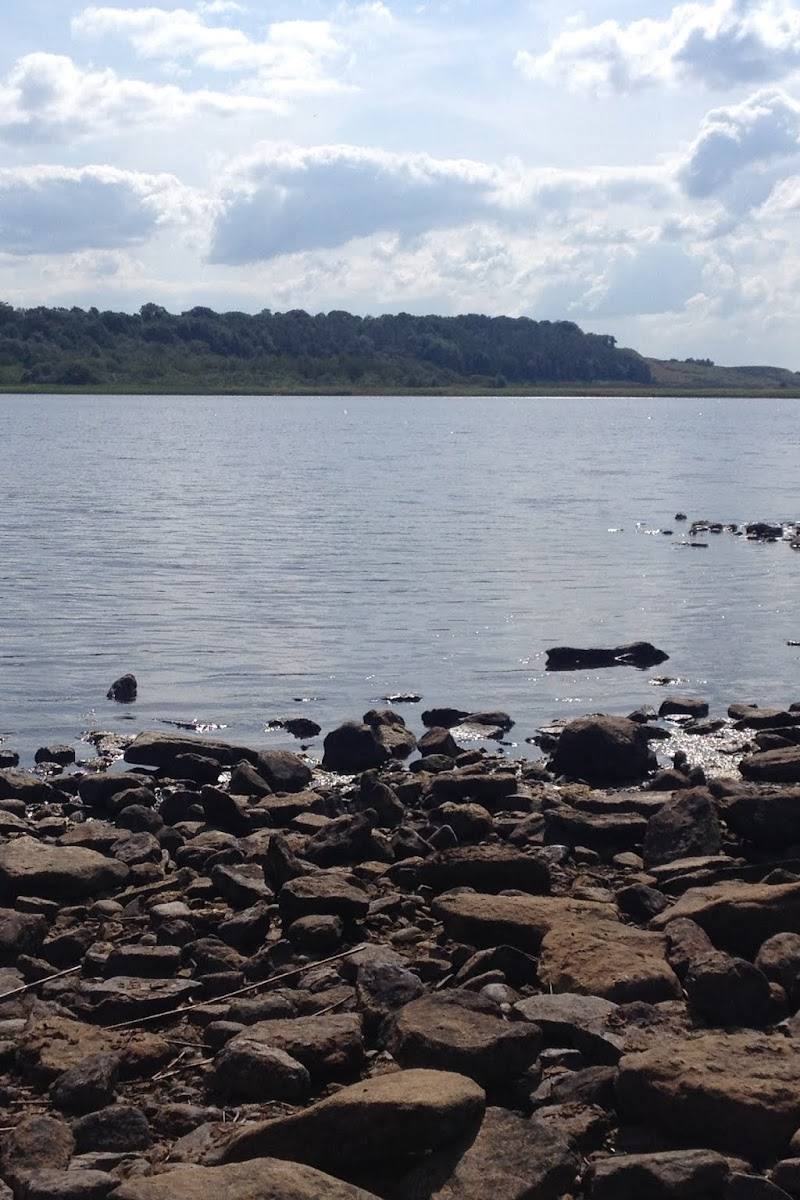
- Greenlee Lough and its shallow open water
- Reedbeds and boardwalk
- Bird hide
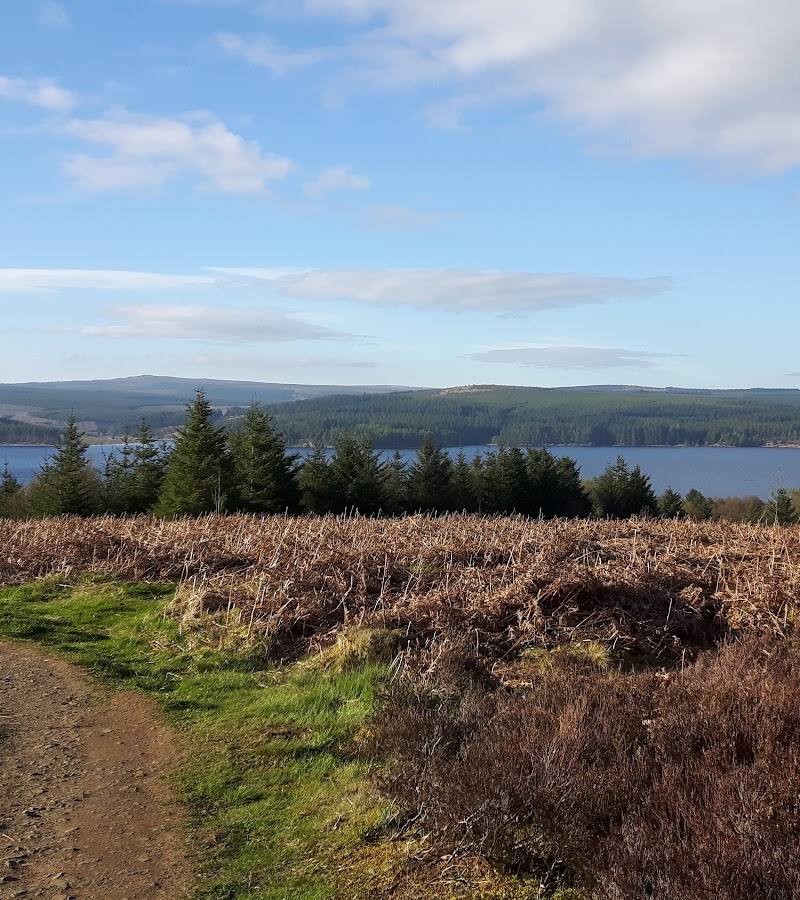
- Wetland habitats including bog, carr woodland and grassland
Worth pairing with
Steel Rigg
A National Park car park at Steel Rigg is identified as an alternative starting point from which it is possible to walk to Gibbs Hill. The supplied sources do not establish other attractions or facilities there.
What to look for
Look for the boardwalk through the reedbeds, the bird hide, and the transition between open water, reedbed, bog, carr woodland and grassland. The trust lists bogbean, marsh cinquefoil, snipe and other wetland wildlife among the reserve’s features.
The story
One of the Roman Wall Loughs; managed jointly by Northumberland Wildlife Trust and Northumberland National Park Authority.
Best time to go
All year round; choose a dry spell for the rough, wet approaches, and visit quietly for birdwatching.
Northumberland Wildlife Trust lists the reserve as an all-year destination. For a more comfortable approach, choose a dry spell; for wildlife, move quietly and spend time watching the shallow water and reedbed margins.
How long to spend
1–2 hours
Perfect for
Walkers · Wildlife lovers · Photographers
Before you go
Address
Google rating
Practical information
Opening & access
Northumberland Wildlife Trust describes permissive paths to the reserve and a public footpath from the east. Access is fairly difficult: approaches cross rough or wet ground, and the reserve itself includes tussocky grass and marshy terrain. Check current access and conditions before setting out.
Check before visiting
Parking
A small permissive car park at Gibbs Hill (NY 748 692) gives access across rough pasture. Parking is also available at the National Park car park at Steel Rigg (NY 752 676), from which it is possible to walk to Gibbs Hill. Check availability and conditions before travelling.
Check before visiting
Toilets
Check before visiting
Check before visiting
Food & drink
Check before visiting
Check before visiting
Dogs
Dogs on a lead, according to Northumberland Wildlife Trust; check current signage before visiting.
Check before visiting
Accessibility
Access is fairly difficult. Approaches cross rough pasture or grassland; the reserve has tussocky grass and marshy ground, and the northern approach includes a long boardwalk. Not suitable to assume step-free or easy access.
Cost
Free entry; confirm any parking arrangements before visiting
Water
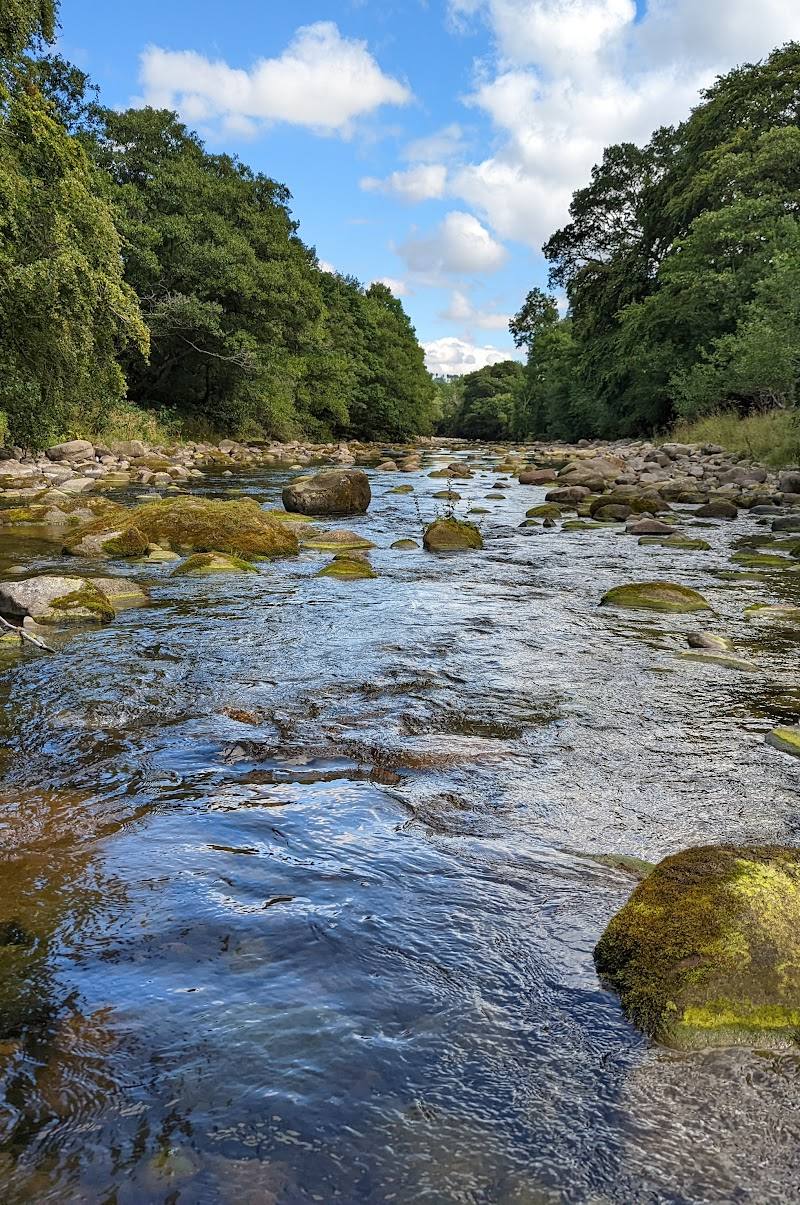
Lake; shallow open water, reedbeds and wetlands. Swimming or paddling permission is not evidenced; do not assume either is allowed.
Gallery
Place photographs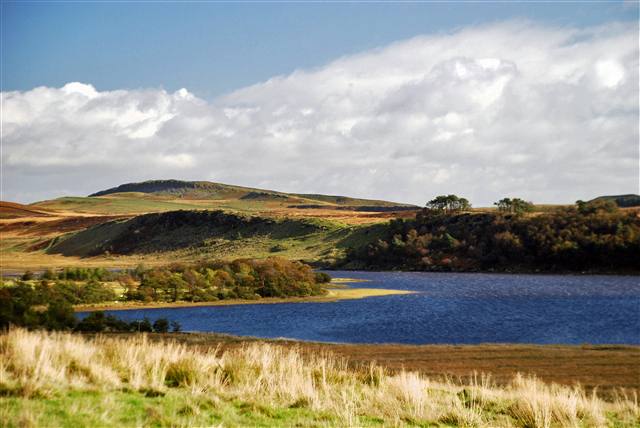
Keep exploring
Around Greenlee Lough
Within 50 km · approximate straight-line distances