Goswick, Northumberland, near Berwick-upon-Tweed (postcode supplied: TD15 2RW).
Goswick Sands
Beach
Place photograph
6.5
Wildland
1–2 hours
Time
Check
Cost
Peaceful
Feel
Why it's Wildland
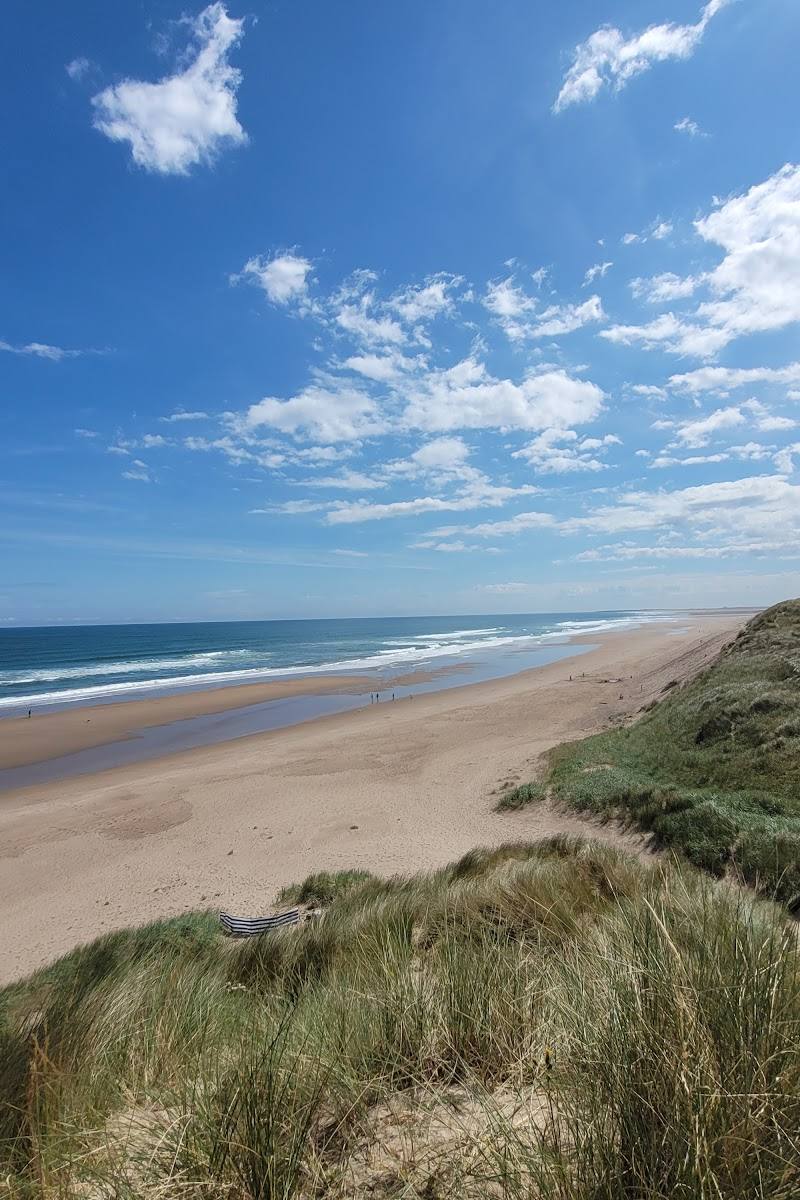
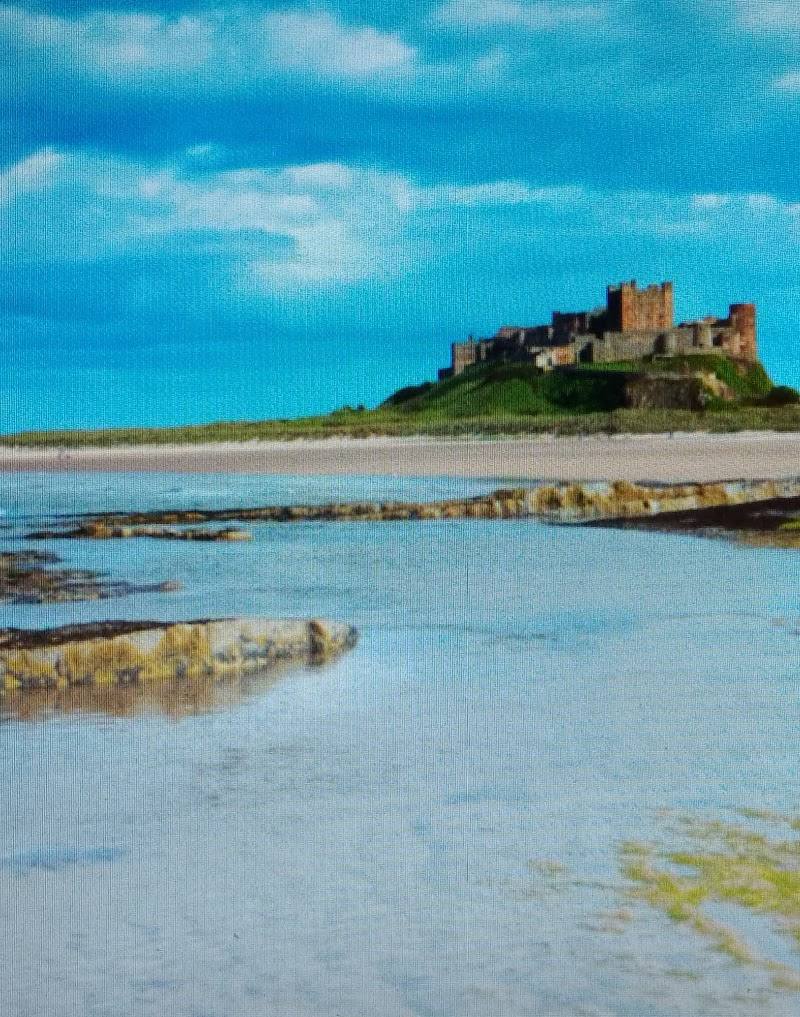
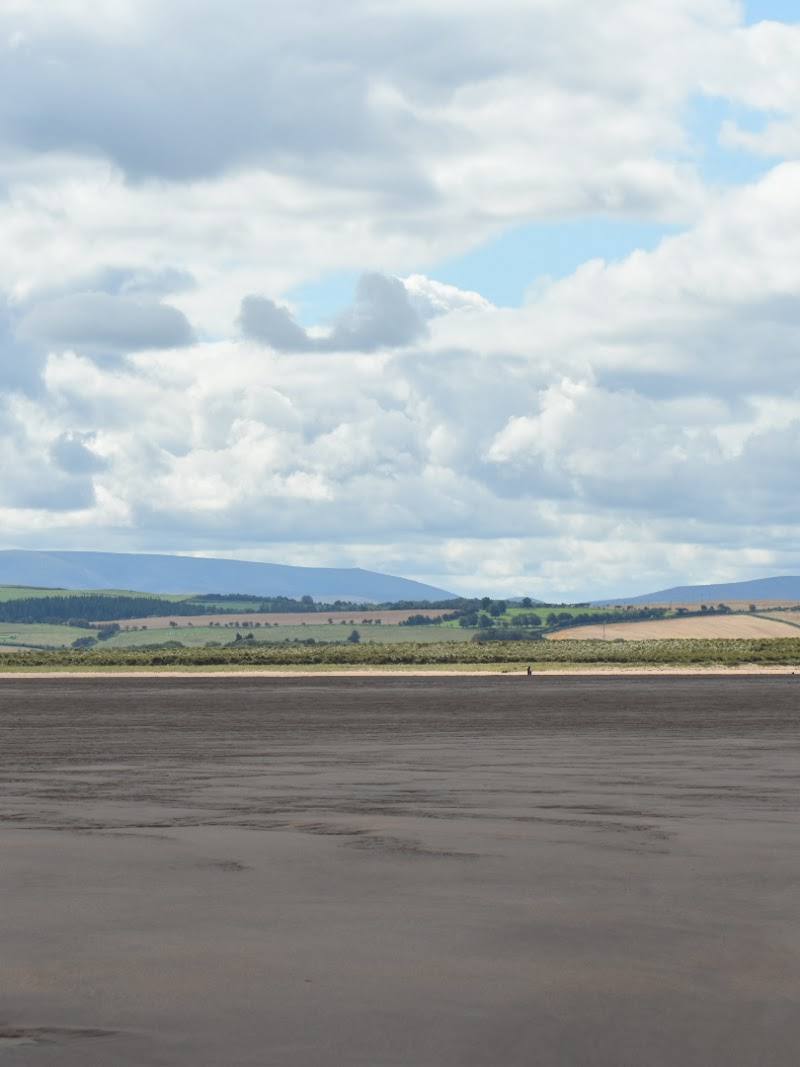
6.5At low tide, Goswick opens into a vast sweep of sand where wreckage can emerge from the shoreline. Behind it, grassy dunes conceal a wartime observation tower—a striking meeting of wild coast and military history.
Goswick is more than a broad, quiet beach: its shifting sands can reveal shipwreck remains, while a concealed wartime observation tower gives the dunes a story you can encounter on foot. The scale and exposure make it feel like a proper coastal escape, but tides, soft ground and military warnings call for care.
Peaceful · Wild · Secluded
Find your way
Open mapGoswick, Northumberland, near Berwick-upon-Tweed (postcode supplied: TD15 2RW).
Opening map…
Know this place a little better?
The experience
Walk the broad sands, explore the dune edge from established paths, and look for the wreck remains at low tide. The beach and dunes carry significant tide, soft-ground and unexploded-ordnance cautions. Do not enter restricted areas or touch objects that could be military debris.
Things to do
Walk the open sands
Take a bracing walk across the broad sandy beach. Stay alert to changing tides and boggy patches, and do not venture farther than you can safely return from.
Check before visiting.
Look for wreck remains at low tide
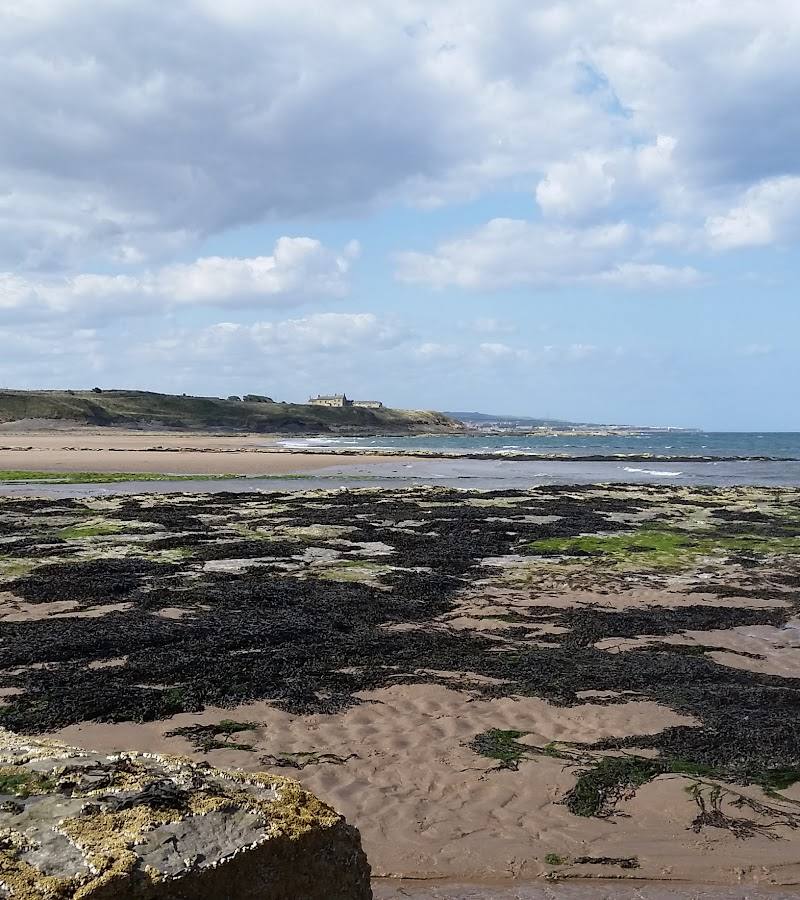
The beach guide reports remains of the German cargo ship SS Werner Kunstmann, wrecked in 1913, and a paddle-steamer boiler from a wreck in the 1880s. Visibility depends on the tide; do not cross unsafe ground or risk being cut off.
Find the wartime observation tower
A concrete observation tower stands among the dunes. It was used to watch military ground-attack training; view it from a safe distance and follow all warnings. Do not touch metallic objects, which may be unexploded ordnance.
Explore the dune edge carefully
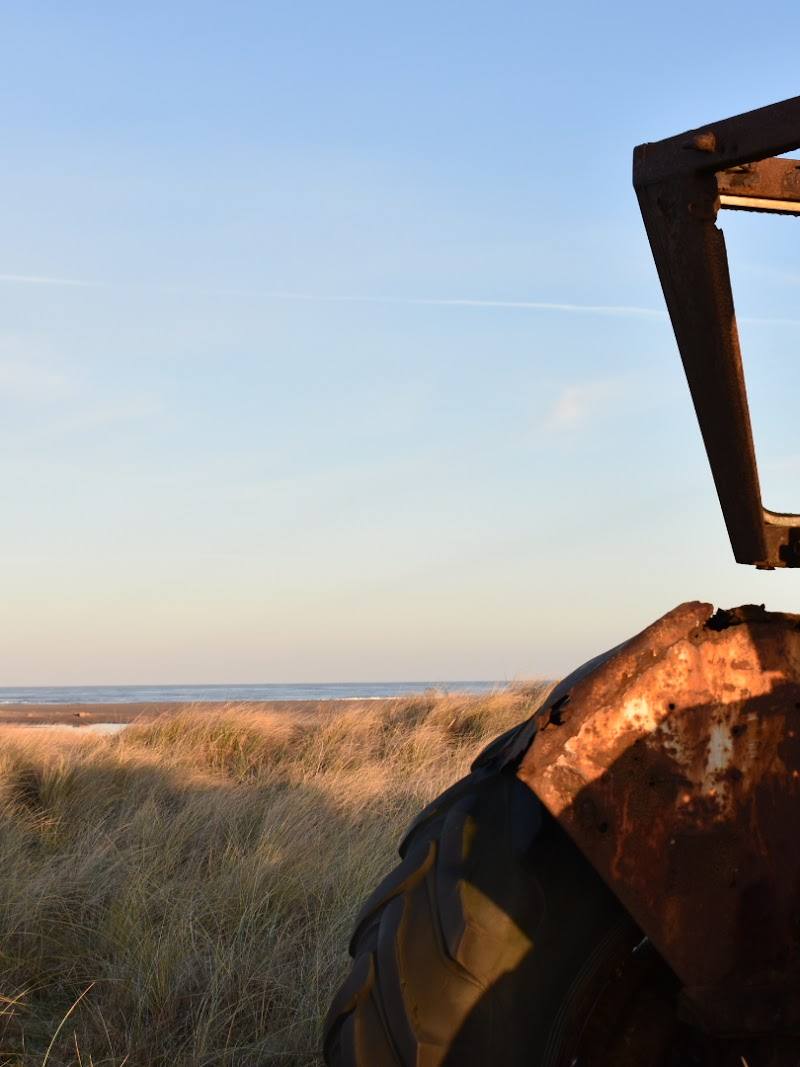
The grassy dunes form a distinctive backdrop to the beach. Keep to routes that are open and safe, and respect signs intended to protect nesting birds and warn of military hazards.
Make a day of it
Quick escape · 1–2 hours
A bracing beach walk
- 01
Check tide and weather conditions before setting out.
- 02
Use the signed or otherwise verified approach to reach the beach; access details can change, so check before visiting.
- 03
Walk a manageable stretch of sand, keeping clear of soft, boggy areas and allowing ample time to return before the tide turns.
Half day · Allow a few hours; exact duration not established.
Beach, dunes and wartime tower
- 01
Walk to the beach using the approach available on the day.
- 02
Explore the broad sands and dune landscape without leaving safe, established access routes.
- 03
Look for the observation tower from a safe distance and obey military hazard signs; do not touch metallic objects.
Verified history
The beach guide reports that the German cargo ship SS Werner Kunstmann went down in 1913 and that a paddle steamer was wrecked in the 1880s; remains may be visible at low tide. Goswick Sands was also used for wartime military training. A supplied account of the observation tower says it was adapted to oversee fighter-bomber ground-attack exercises from 1942 to 1946. The area has warnings about unexploded ordnance, so visitors should not touch metallic objects or enter restricted areas.
Hidden details
The tower among the dunes — The concrete wartime observation tower is described as easy to miss among the grassy dunes. It was adapted to watch military training exercises; view it from a safe distance and heed all hazard signs.
Wreckage revealed by the tide — At low tide, sections of the SS Werner Kunstmann and the boiler of an older paddle steamer may be revealed. The beach guide warns that the sea can return quickly and that quicksand occurs in places.
When to go
· Plan around a checked low-tide window if looking for wreck remains; allow a safe margin before the tide turns. No specific time of day is established by the supplied sources.
The beach guide describes winter as especially quiet and the beach as attractive in summer. The best chance of seeing reported wreck remains is at low tide, regardless of season.
Check tide, weather and beach conditions before setting out. The sea can come in quickly; soft sand, boggy patches and reported quicksand make careful route and tide planning important.
What to look for
- 01
At low tide, look for the reported remains of the German cargo ship SS Werner Kunstmann, wrecked in 1913, and the boiler associated with an old paddle steamer lost in the 1880s. In the grassy dunes, look for the wartime observation tower. Do not approach or touch metallic objects
- 02
the area has a history of military target practice and warnings about unexploded ordnance.
The story
War & battle, Maritime
Best time to go
Year-round; winter is described as especially quiet, while low tide is needed to see the reported wreck remains.
Choose a low tide if you hope to see the reported shipwreck remains, but check tide information first and leave plenty of time to return. The supplied beach guide warns that the sea can come in quickly. Winter is described as particularly quiet.
How long to spend
1–2 hours
Perfect for
Walkers · Photographers · Dogs · History lovers
Before you go
Address
Google rating
Practical information
Opening & access
The beach is reached on foot; a supplied visitor account describes a rough path from the golf-club area. Access arrangements and route conditions can change, so check before visiting and follow signs. The beach can become boggy, the tide can come in quickly, and quicksand is reported near the low-tide mark. Keep clear of warning signs and do not touch metallic objects: the dunes and beach were used for military training and unexploded ordnance is a stated hazard. Access arrangements are unconfirmed. Check before visiting; do not enter private land or restricted structures.
Check before visiting
Parking
Check before visiting. A supplied account describes walking from the Goswick Golf Club area; another source identifies Cheswick Sands car park for visiting the observation towers, but does not establish it as the beach’s official parking.
Check before visiting
Toilets
Check before visiting.
Check before visiting
Food & drink
Check before visiting.
Check before visiting
Dogs
Dogs are reported as allowed year-round. A source also reports signs asking owners to keep dogs on a lead or under close control to protect nesting birds; follow signs on site.
Accessibility
The beach approach is described by a visitor as rugged, with soft and sometimes boggy ground. It may not suit visitors needing an even, firm surface; check current conditions before setting out.
Check before visiting
Cost
Check before visiting.
Check before visiting
Water
Sea
Gallery
Place photographsKeep exploring
Around Goswick Sands
Within 50 km · approximate straight-line distances