Holburn, between Lowick and Belford, Northumberland
Holburn Moss Nature Reserve
Bog
Place photograph
7.8
Wildland
1–2 hours
Time
Free
Cost
Big-sky
Feel
Why it's Wildland
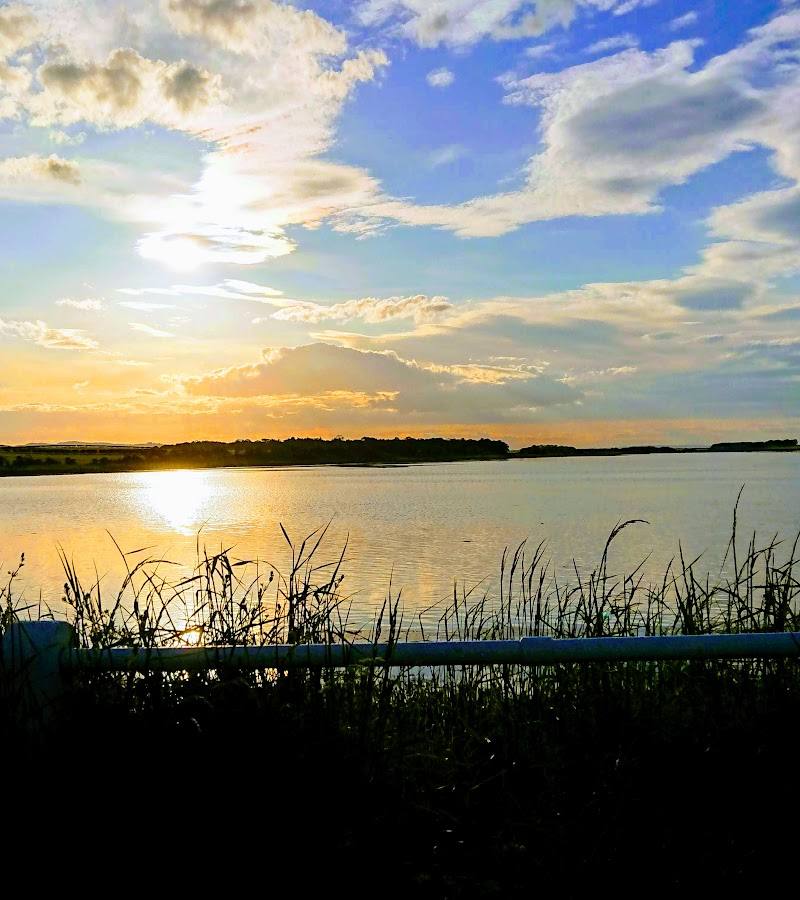
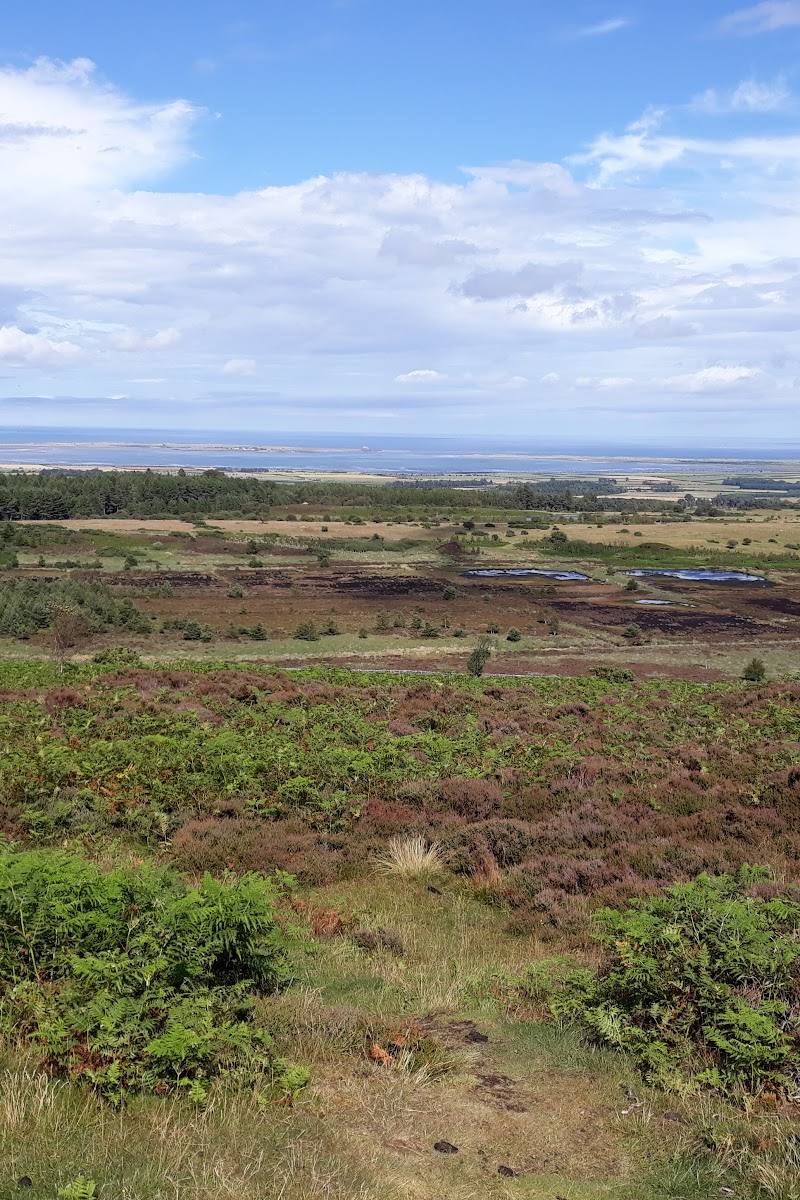
7.8A 130-hectare raised mire shaped by peat extraction, now an internationally designated wetland and an important destination for wildfowl. From Greenshaw Hill, the view reaches across the reserve towards Lindisfarne and the Cheviots.
Holburn Moss combines a substantial raised bog, wintering wildfowl and open views towards Lindisfarne and the Cheviots. Its wet, rough paths make it feel like a real wetland landscape rather than a polished park; the edge paths also connect with the route to St Cuthbert’s Cave.
Big-sky · Wild · Peaceful
Find your way
Open mapHolburn, between Lowick and Belford, Northumberland
Opening map…
Know this place a little better?
The experience
Explore the public paths around a 130-hectare raised mire, watching for wildfowl and taking in the views from Greenshaw Hill. Paths can be wet and boggy; allow time for the terrain rather than treating it as an easy, surfaced stroll.
Things to do
Watch for overwintering wildfowl
Scan the wetland for wildfowl. The reserve is described as attracting many wildfowl, and autumn and winter are given as the best time to visit.
Take in the view from Greenshaw Hill
The path over Greenshaw Hill affords views over the reserve and surrounding countryside, including Lindisfarne and the Cheviots. The path is narrow and rocky over the summit and can be boggy lower down.
Look for bog plants
The moss supports heather, cotton grass, cranberry and round-leaved sundew, among other bog plants.
Walk towards St Cuthbert’s Cave
Public footpaths and bridleways connect Holburn Village and Holburn Grange with St Cuthbert’s Cave. Check the route and ground conditions before setting out.
Make a day of it
Quick escape · About 1–2 hours; estimate, as no visit duration is supplied.
Quick Escape: the moss-edge paths
- 01
Start from Holburn village or the St Cuthbert’s Cave car park at Holburn Grange.
- 02
Follow a public footpath or bridleway around the edge of the reserve, choosing a distance that suits conditions.
- 03
Pause to look for wildfowl and take in the open landscape; expect wet or boggy ground in places.
- 04
Return by the same route unless you have checked a suitable connecting path.
Half day · Half day; estimate, as no visit duration is supplied.
Make a Half Day of It: Greenshaw Hill and the wider moss
- 01
Begin from Holburn village or the St Cuthbert’s Cave car park at Holburn Grange.
- 02
Explore the public paths around the reserve, allowing extra time for wet and boggy sections.
- 03
Where conditions and routefinding allow, take the permissive footpath over Greenshaw Hill for the reserve and surrounding-country views.
- 04
Return via a public path you have checked in advance; do not assume all paths are firm or easy.
Full Wildland day · Full day; estimate, as no visit duration is supplied.
Full Wildland Day: Moss and St Cuthbert’s Cave
- 01
Start with a walk on the public paths around Holburn Moss, looking for seasonal wildfowl and bog plants.
- 02
Take in the views from Greenshaw Hill if the path conditions and terrain suit your group.
- 03
Extend the outing towards St Cuthbert’s Cave using the public paths and bridleways linking Holburn Village and Holburn Grange to the cave.
- 04
Check route, ground conditions and parking before setting out; the available sources do not establish a specific full-day itinerary or nearby food stop.
Verified history
Holburn Moss is a raised mire that was once used for peat extraction. Northumberland Wildlife Trust notes an allegation that monks of Lindisfarne Priory took peat from the site as fuel; this may account for the strange square hollows across the moss, but the source presents this explanation as uncertain rather than established fact.
Hidden details
Square hollows in the moss — Look for the square hollows across the site. The Wildlife Trust suggests they may relate to past peat extraction, possibly including peat taken by monks of Lindisfarne Priory; that specific explanation is not confirmed.
A view that reaches beyond the reserve — From the path over Greenshaw Hill, look across the moss and surrounding countryside towards Lindisfarne and the Cheviots.
When to go
October · November · December · January · February · Daylight; choose a clear, calm spell for views and birdwatching. Exact optimal hours are not established by the sources.
Northumberland Wildlife Trust names autumn and winter as the best time to visit, when overwintering birds are present. A local birdwatching source also describes spring and early summer as rewarding for moorland sounds and bog plants.
Paths vary in width and can be very wet and boggy. The Greenshaw Hill path is narrow and rocky over the summit; lower slopes are often boggy. Check conditions and footwear suitability before visiting.
The route
- stiles
- A stile is present at the main entrance after the 400m uphill grass track from the St Cuthbert’s Cave car park.
- surface
- Public paths and bridleways vary in width; includes grass track, rocky sections and often boggy ground.
- difficulty
- Variable terrain; paths can be wet and boggy, with narrow rocky ground over the Greenshaw Hill summit.
- start point
- Holburn village or the St Cuthbert’s Cave car park at Holburn Grange; main reserve entrance via the latter, with another access point east of Holburn village.
- parking start
- Park in Holburn village or use the parking for St Cuthbert’s Cave at Holburn Grange; verify current arrangements.
- Raised mire formerly used for peat extraction
- Seasonal wildfowl
- Views from Greenshaw Hill towards Lindisfarne and the Cheviots
- Public paths linking the area with St Cuthbert’s Cave
Worth pairing with
St Cuthbert’s Cave
A worthwhile walking extension: public paths and bridleways connect the reserve area with St Cuthbert’s Cave, and the cave car park is also an access point for the reserve. Check the route and parking arrangements before visiting.
What to look for
- 01
Look for wintering wildfowl, including geese, wigeon and teal
- 02
bog plants such as heather, cotton grass, cranberry and round-leaved sundew
- 03
and the square hollows across the moss, which may be linked to peat extraction. The view from Greenshaw Hill takes in Lindisfarne and the Cheviots.
The story
Peat extraction; alleged historic peat gathering by monks of Lindisfarne Priory.
Best time to go
Autumn and winter for overwintering wildfowl; spring and early summer for moorland sounds and bog plants.
Autumn and winter are the stated best seasons. Visit in daylight on a clear, calm day for birdwatching and the broad views; check path conditions after wet weather.
How long to spend
1–2 hours
Perfect for
Walkers · Wildlife lovers · Photographers · Birdwatchers
Before you go
Address
Phone
Website
Listed hours
- Monday: 9am-12am
- Tuesday: 9am-12am
- Wednesday: 9am-12am
- Thursday: 9am-12am
- Friday: 9am-12am
- Saturday: 9am-12am
- Sunday: Closed
Check before visiting.
Google rating
Practical information
Opening & access
Northumberland Wildlife Trust says the reserve is open 24/7/365 with no entry fee. Public footpaths and bridleways run around its edge; paths can be wet and boggy, and the terrain varies. The main entrance is via the St Cuthbert’s Cave car park at Holburn Grange; another access point is east of Holburn village.
Parking
Park in Holburn village or use the parking for St Cuthbert’s Cave at Holburn Grange. The reserve’s main entrance is via the St Cuthbert’s Cave car park; check current parking arrangements before setting out.
Check before visiting
Toilets
Check before visiting.
Check before visiting
Food & drink
Check before visiting.
Check before visiting
Dogs
Dogs on a lead.
Accessibility
Access varies. A wide grass track leads uphill for 400m from the St Cuthbert’s Cave car park to a gate and stile. The southern public bridleway is generally level enough for access but can be wet; other paths include narrow, rocky or boggy sections. Check conditions and route suitability before visiting.
Check before visiting
Cost
Free
Water
Raised mire and wetland; no evidence of permission for swimming or paddling.
Gallery
Place photographs
Keep exploring
Around Holburn Moss Nature Reserve
Within 50 km · approximate straight-line distances