Duddo, near Berwick-upon-Tweed, Northumberland, TD15 2PT
Duddo Five Stones
Prehistoric
Source image
6.0
Wildland
1–2 hours
Time
Free
Cost
Atmospheric
Feel
Why it's Wildland
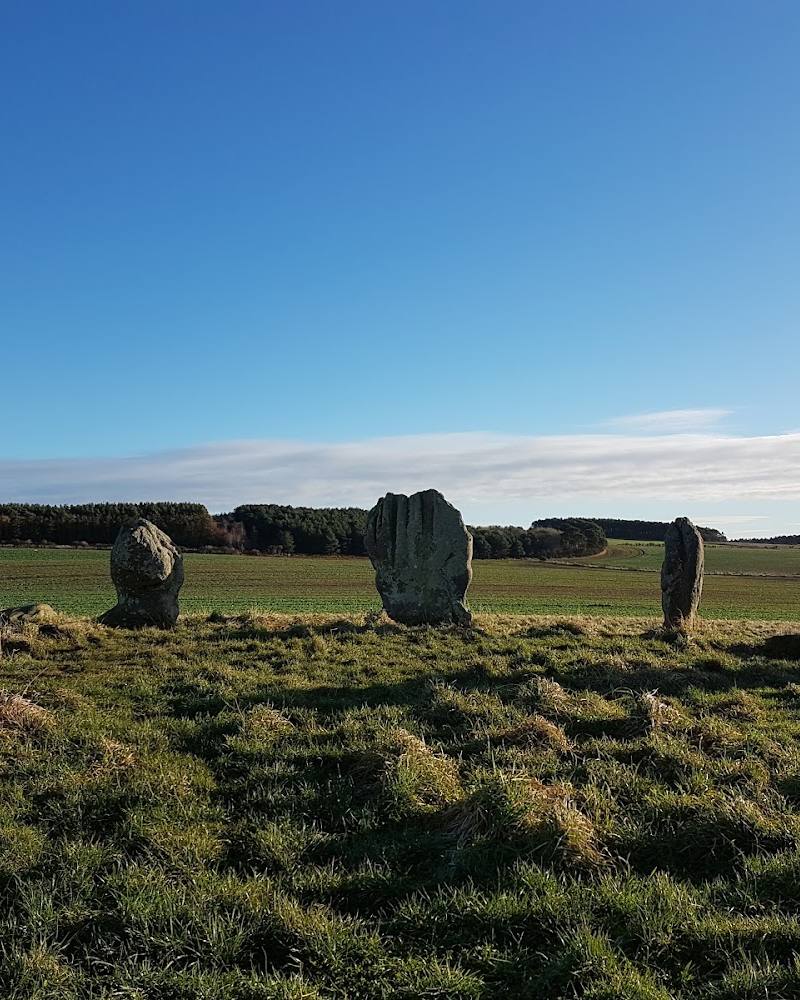
6.0Five weathered sandstone stones stand on a low hill above the Northumberland fields. The circle is small, but the walk across open farmland and the wide views towards the Cheviots and hills across the Scottish border give this prehistoric site a strong sense of place.
A prehistoric monument reached on foot through working farmland, Duddo Five Stones pairs a distinctive stone circle with open hilltop views. The short rural approach is part of the experience, not just a way to reach the stones.
Atmospheric · Ancient-feeling · Peaceful
Find your way
Open mapDuddo, near Berwick-upon-Tweed, Northumberland, TD15 2PT
Opening map…
Know this place a little better?
The experience
Walk from Duddo village along the signposted field path, spend time among the five stones and take in the views across the surrounding countryside. The visit is best kept simple: the monument and its landscape are the main event.
Things to do
Walk the field path to the circle
Follow the signposted route from Duddo village across fields to the hilltop stones. Keep to the track and take care of crops.
About 30 minutes each way, according to local visitor information
Look closely at the sandstone
Notice the long vertical weathering grooves and the sizeable depressions some observers have interpreted as cup marks; their origin is uncertain.
Take in the hilltop views
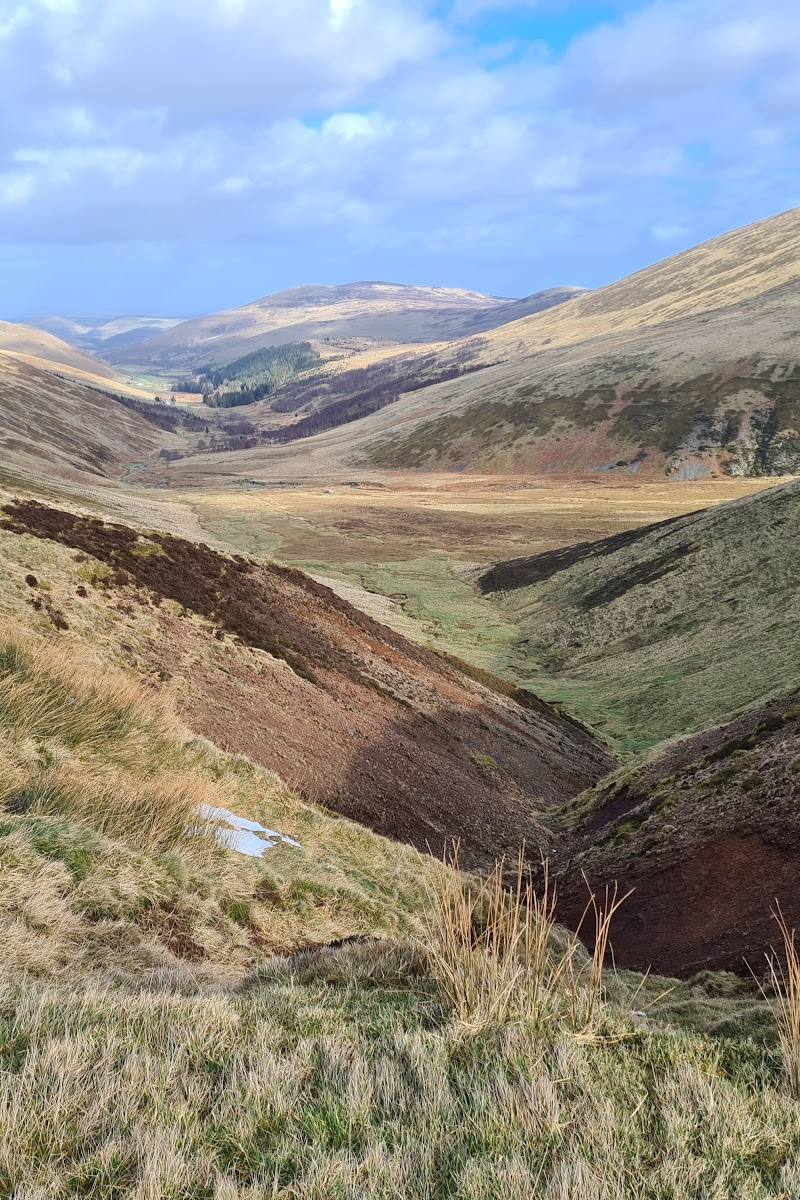
From the low rise, look across the surrounding countryside towards the Cheviot Hills and, in clear conditions, hills across the border in Scotland.
Find the gap in the circle
Compare the spacing of the stones and look for the gap described in historical accounts. Sources differ on the number of stones originally present and on the circle’s precise development.
Make a day of it
Quick escape · About 1–2 hours
Quick Escape: the stones and the view
- 01
Start at the signposted path near Duddo village.
- 02
Walk the field path uphill to the stone circle, keeping to the marked route.
- 03
Explore the five stones and look out across the surrounding countryside.
- 04
Return by the same path.
Half day · Half day
Make a half day of it: stones and local history
- 01
Visit Duddo Five Stones using the signposted field path.
- 02
Allow time to look at the stones’ weathering and the broad views from the hilltop.
- 03
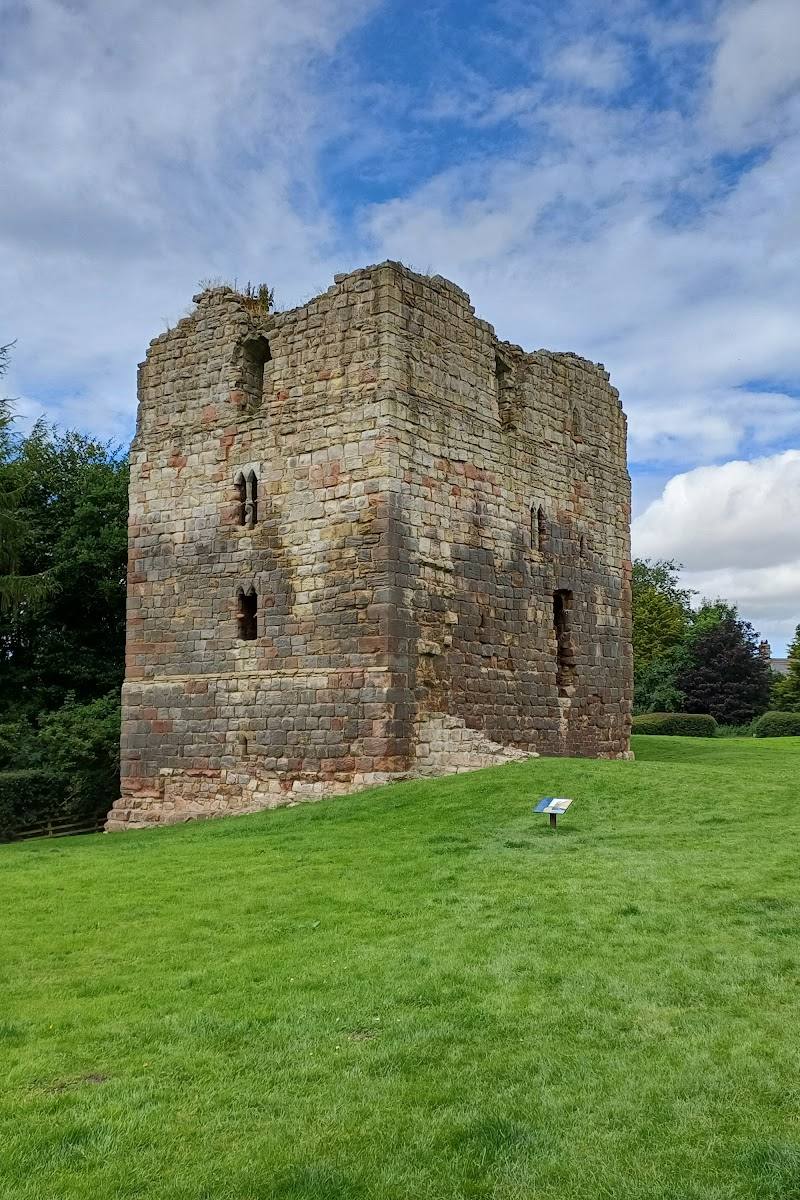
Continue by car to Duddo Tower in the village area; the source describes a small path to the ruins, which may be overgrown, so take care and check access before approaching.
Verified history
Duddo Five Stones is a prehistoric stone circle, generally described by the supplied sources as dating to the Neolithic or Bronze Age, around 4,000 years ago. The exact date is uncertain. Britain Express reports that a nineteenth-century investigation found a central pit with charred bone and charcoal, and that a later investigation found a pottery fragment that may have been associated with a cremation vessel. Accounts differ about how many stones originally stood in the circle and how the present arrangement came about.
Folklore & legend
The stones are sometimes called the Singing Stones. A local explanation suggests that wind passing over their weathered grooves may make a sound; this is a reported interpretation, not an established historical fact.
Hidden details
Grooves and possible cup marks — Look for the long grooves in the sandstone and depressions that have been interpreted as cup marks. The source cautions that the depressions could instead be natural weathering.
The circle’s changing stone count — The surviving arrangement has a more complicated history than its name suggests: sources describe missing stones, a gap in the circle and one stone being found and reinserted. Accounts are not wholly consistent, so treat the details as reported history rather than a settled reconstruction.
When to go
April · May · June · July · August · September · A clear, dry day; no specific time of day is established by the sources.
The circle is described as picturesque in all seasons. Dry conditions are useful because the field path can be muddy after rain and grass may make it feel overgrown in summer.
The approach crosses fields and can be muddy after rain. The path may be overgrown with grass in summer. Take care in changeable weather and check conditions before setting out.
The route
- surface
- Field path and farm track; may be muddy or overgrown
- distance
- About 1 km each way from the path start, according to supplied sources
- duration
- Approximately 30 minutes each way according to local visitor information; allow longer if the path is muddy or you want time at the stones.
- difficulty
- Short walk with an uphill section across fields
- waymarking
- Signposted from Duddo village
- route shape
- Out and back
- start point
- Signposted path near Duddo village; the supplied Google Maps pin is a main-place pin, not a confirmed entrance.
- parking start
- Local visitor sources describe roadside verge parking near the path. Leave room for farm vehicles and other traffic; check before visiting.
- Five weathered sandstone stones
- Open views towards the Cheviot Hills and hills across the Scottish border
- A short approach through working farmland
Worth pairing with
Duddo Tower
A nearby ruined tower house described in the Duddo and Twizel itinerary. A small path leads towards the ruins and may be overgrown; check access and take care.
Ford and Etal
The local visitor page identifies the nearby villages of Ford and Etal as places to explore. Check current opening and access information for individual attractions.
What to look for
Notice the stones’ vertical weathering grooves and the gaps in the circle. One source reports that a missing stone was found nearby and put back, while another describes an unfilled gap where a further stone may once have stood. Possible cup marks have also been interpreted on some stones, though weathering is another explanation.
The story
Archaeology
Best time to go
Any season; dry conditions make the field path easier.
Choose a dry, clear day for firmer field paths and the best chance of seeing the distant hills. After rain, the track can be muddy; in summer, grass may make sections feel overgrown.
How long to spend
1–2 hours
Perfect for
History lovers · Walkers · Photographers
Before you go
Address
Website
Listed hours
- Monday: Open 24 hours
- Tuesday: Open 24 hours
- Wednesday: Open 24 hours
- Thursday: Open 24 hours
- Friday: Open 24 hours
- Saturday: Open 24 hours
- Sunday: Open 24 hours
Check before visiting.
Google rating
Practical information
Opening & access
A signposted permissive path crosses farmland from Duddo village to the stones, about 1 km each way. Keep to the path and take care around crops. Roadside verge parking is described by local visitor sources; leave room for farm vehicles. Check current access and parking conditions before setting out.
Check before visiting
Parking
Local visitor information describes free roadside verge parking near the signposted path in Duddo. It is a narrow country lane: leave space for other vehicles and farm traffic. Check before visiting.
Check before visiting
Toilets
Check before visiting.
Check before visiting
Food & drink
Check before visiting.
Check before visiting
Dogs
Check before visiting; keep to the path and avoid disturbing crops or livestock.
Check before visiting
Accessibility
The approach crosses fields and includes an uphill section. The supplied source reports that the car park and entrance are not wheelchair accessible. Check current path conditions before visiting.
Check before visiting
Cost
Free
Gallery
Place photographsKeep exploring
Around Duddo Five Stones
Within 50 km · approximate straight-line distances