Milton Keynes, MK12 5NN
Floodplain Forest Nature Reserve
Mixed-habitat reserve
Source image
6.2
Wildland
1–2 hours
Time
Check
Cost
Peaceful
Feel
Why it's Wildland
6.2Former pasture, quarried for sand and gravel between 2007 and 2014, has been reshaped into a flood-responsive reserve of lakes, wetland margins and wildlife habitat. It opened to the public in 2016.
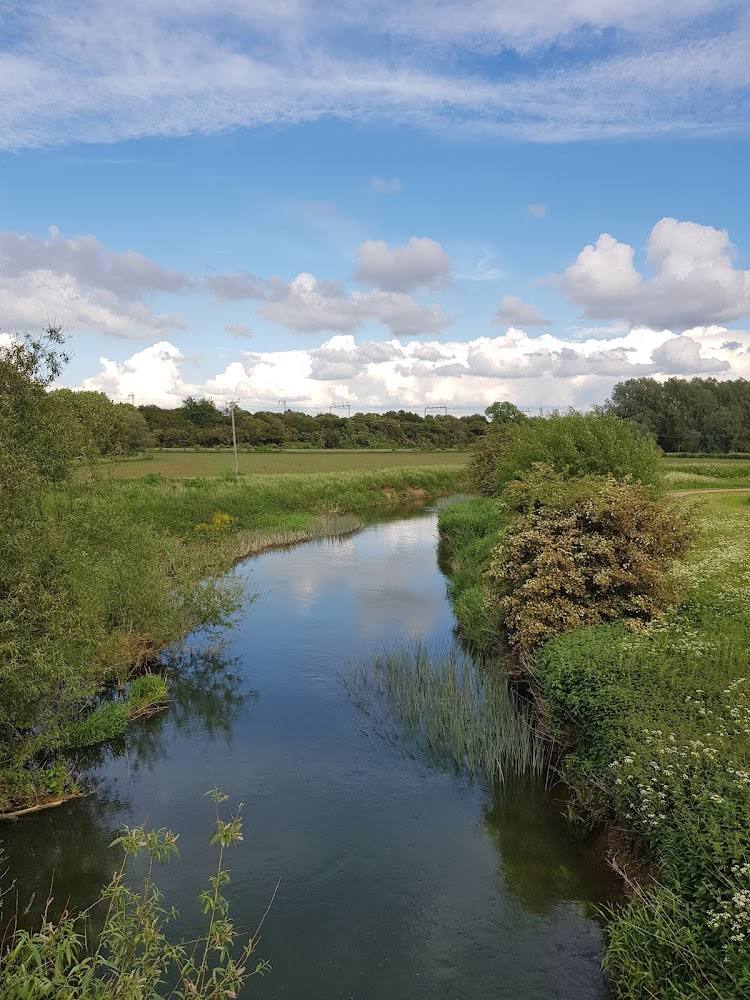
The reserve’s character comes from its changing water: floodwater can spread across the site, while the shifting wet and dry margins draw birds and invertebrates. Bird hides and a short network of paths make that landscape accessible to explore.
Peaceful · Wildlife-rich
Find your way
Open mapMilton Keynes, MK12 5NN
Opening map…
Know this place a little better?
The experience
Allow about an hour for the short reserve visit, using the footpaths and bird hides to explore the floodplain and watch for seasonal wildlife. The reserve has 2 km of paths; check current flood conditions because parts can become inaccessible.
Things to do
Watch from a bird hide
Use the reserve’s bird hides to observe birds across the wetland and lakes. In winter, look for wildfowl; in spring and early summer, watch for waders.
Explore the footpaths and boardwalks
Follow the reserve’s footpaths through its floodplain setting. The reserve page reports 2 km of paths; flooding can make parts inaccessible.
About 1 hour for the circular visit described by the supplied visitor source
Look for seasonal wildlife
Watch for little egrets and grey herons throughout the year, wintering wildfowl, breeding waders in spring and early summer, and damselflies and dragonflies on sunny summer days.
Make a day of it
Quick escape · About 1 hour
Quick Escape: hides and floodplain wildlife
- 01
Start from the reserve’s Manor Farm Court access and follow the available footpaths.
- 02
Pause at a bird hide to scan the lakes and wetland margins.
- 03
Check the information boards for context on how the reserve was created and how its floodwater system works.
- 04
Turn back or continue only as far as current conditions allow; flooding can make parts of the reserve inaccessible.
Half day · Half day; no fixed route duration verified
Make a half day of it: watch the reserve change with the seasons
- 01
Walk the reserve’s footpaths and use the bird hides to look across different parts of the wetland.
- 02
Spend time observing the lake margins rather than rushing between viewpoints: winter brings wildfowl, while spring and early summer bring visiting and nesting waders.
- 03
On a sunny summer visit, look for damselflies and dragonflies; keep dogs on a lead to protect wildlife.
- 04
Check the current flood information before travelling and allow for sections to be inaccessible after flooding or heavy rain.
Verified history
The site was formerly pasture land and was quarried for sand and gravel between 2007 and 2014. After quarrying ended, it was developed as a nature reserve with footpaths, bird hides and information boards, and opened to the public in 2016.
Hidden details
A reserve designed to flood — The reserve is designed to take in floodwater from the west and release it downstream. Flooding creates changing wet and dry lake margins, which support wetland birds and seasonal invertebrates; high water can also restrict access.
Look beyond the familiar ducks — The Parks Trust lists less common visitors including goosander and pintail among the wintering wildfowl, alongside teal, wigeon, gadwall, shoveller and mallard.
When to go
Winter months for wintering wildfowl · Spring and early summer for migrating and breeding waders · Summer for damselflies and dragonflies on sunny days · No specific time of day is established by the supplied evidence.
Wildlife varies through the year: wildfowl gather on the main lakes in winter; migrating waders visit in spring and early summer, with lapwings and redshank staying to nest; damselflies and dragonflies are noted on sunny summer days.
Flooding and heavy rainfall can make parts of the reserve inaccessible. Check the current flood information before visiting. The Parks Trust advises dressing appropriately, especially in summer because of insects.
What to look for
- 01
Scan the two main lakes for wintering ducks, including teal, wigeon, gadwall and mallard
- 02
watch for lapwings and redshank in spring and early summer. Little egrets and grey herons may be seen throughout the year, and sunny summer days can bring damselflies and dragonflies.
The story
Landscape restoration following sand and gravel quarrying, 2007–2014; the reserve opened to the public in 2016.
Best time to go
Winter for gatherings of wildfowl; spring and early summer for visiting and nesting waders; sunny summer days for damselflies and dragonflies.
Choose winter for wildfowl on the main lakes, or spring and early summer for migrating and breeding waders. On a sunny summer day, look for damselflies and dragonflies. Check flood conditions before travelling.
How long to spend
1–2 hours
Perfect for
Wildlife lovers · Birdwatchers · Walkers · Photographers
Before you go
Address
Website
Listed hours
- Monday: Open 24 hours
- Tuesday: Open 24 hours
- Wednesday: Open 24 hours
- Thursday: Open 24 hours
- Friday: Open 24 hours
- Saturday: Open 24 hours
- Sunday: Open 24 hours
Check before visiting.
Google rating
Practical information
Opening & access
A public nature reserve with footpaths and bird hides. Flooding or heavy rain can make parts of the site inaccessible; check the reserve’s current flood information before visiting.
Check before visiting
Parking
The Parks Trust lists free parking at Manor Farm Court, MK12 5NN, off Old Wolverton Road. Check current access and flood information before setting out.
Check before visiting
Toilets
There are no public toilets in the park.
Food & drink
Check before visiting
Check before visiting
Dogs
Dogs should be kept on a lead while walking through the reserve to protect nesting birds and sensitive wildlife.
Accessibility
The supplied source row reports a wheelchair-accessible car park, entrance and seating. Path surface, route accessibility and conditions during flooding are not established; check with The Parks Trust before visiting.
Check before visiting
Cost
Free parking is listed; check before visiting for any other charges.
Check before visiting
Water
Lakes and floodwater linked to the River Great Ouse; swimming and paddling permissions are not established.
Gallery
Place photographsKeep exploring
Around Floodplain Forest Nature Reserve
Within 50 km · approximate straight-line distances

 Place photograph5.8
Abington Meadows Nature Reserve
Weston Mill Lane, Northampton, Northamptonshire NN3 3HJ
18.8 km away
 Place photograph5.8
Kingsthorpe Meadow
Mill Lane, Kingsthorpe, Northampton, Northamptonshire
21.4 km away