Fancott, near Toddington, Bedfordshire LU5 6HT
Fancott Woods and Meadows
Mixed-habitat reserve
Source image
6.1
Wildland
Check before visiting
Time
Free
Cost
Peaceful
Feel
Why it's Wildland
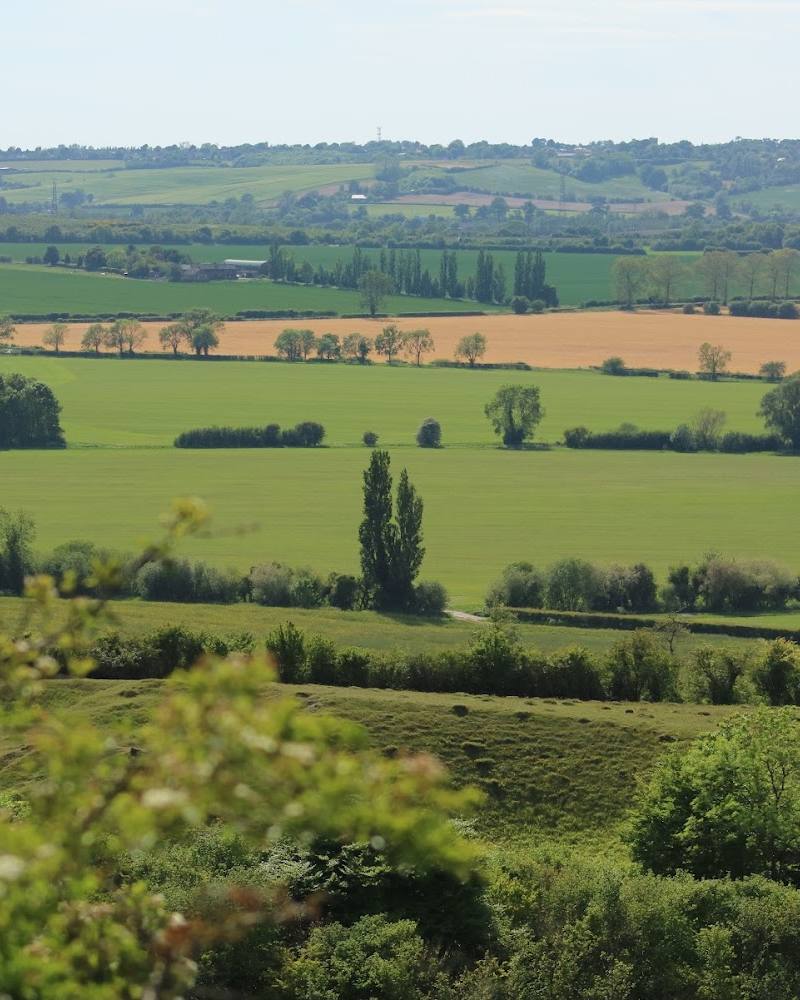
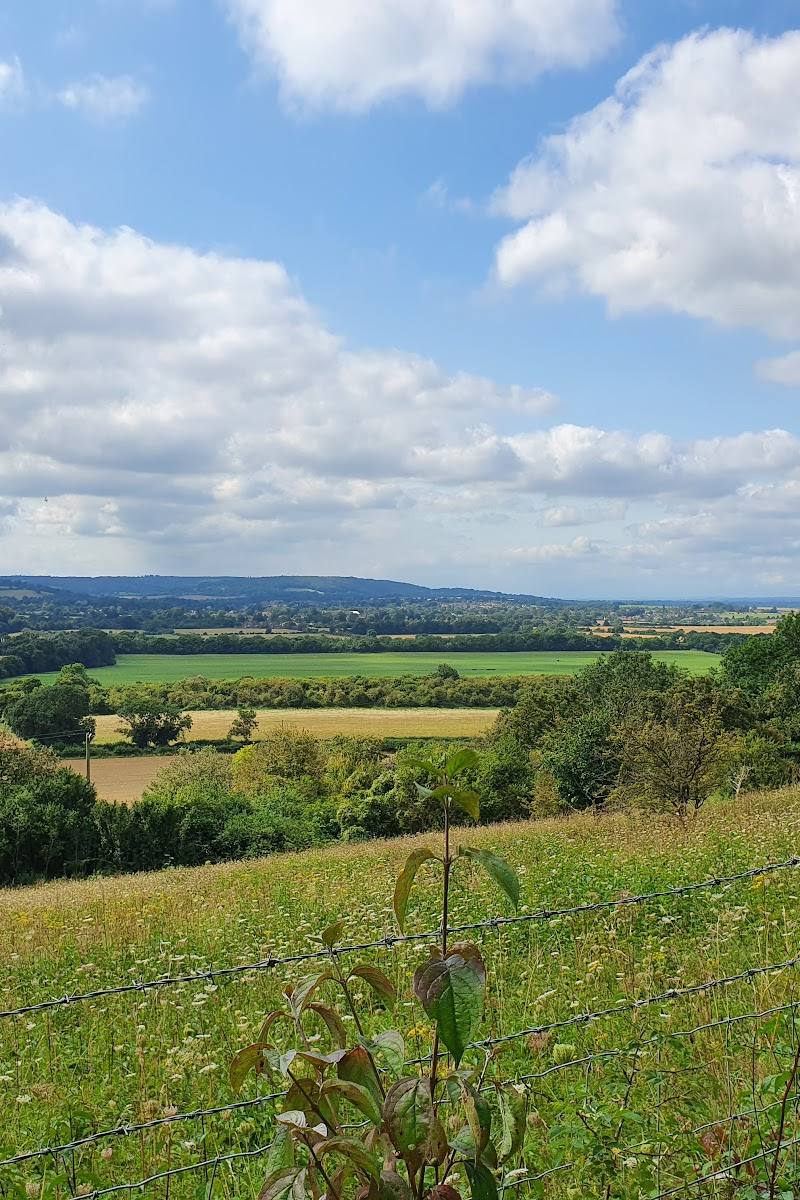
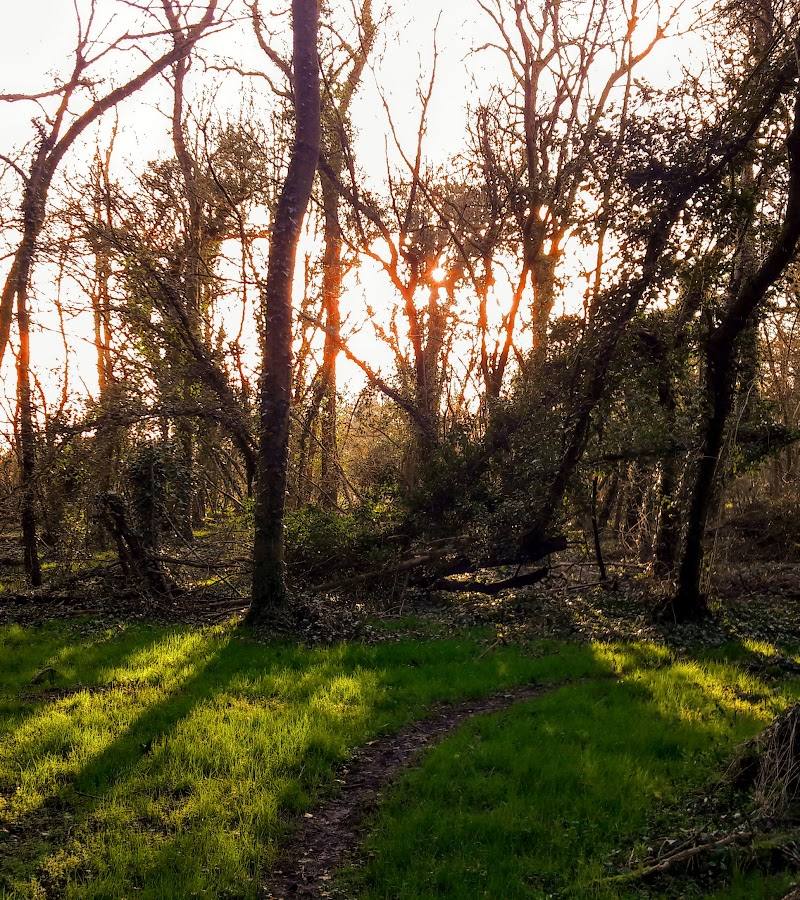
6.1A compact Bedfordshire reserve combining traditional wildflower meadows with Chalton Spinney, where spring bluebells grow beneath oak, ash and wetter-ground alder.
The appeal here is the close contrast between species-rich meadow and woodland, with a clear seasonal reward: spring bluebells and cowslips give way to summer meadow flowers. It is a worthwhile nature stop, though the supplied evidence does not establish a longer trail or a wider day-out itinerary.
Peaceful · Seasonal
Find your way
Open mapFancott, near Toddington, Bedfordshire LU5 6HT
Opening map…
Know this place a little better?
The experience
A nature-focused visit to two contrasting habitats. Follow the Wildlife Trust’s described approach, explore the woodland and meadow paths where accessible, and time the visit for the flowers of spring or summer. Paths can be muddy in both meadows and woodland.
Things to do
Look for the spring meadow flowers
The Wildlife Trust lists cowslips and adder’s-tongue fern among the spring plants of the grassland.
Find the summer meadow flowers
Look for ragged-robin, great burnet and the scarce saw-wort named by the reserve’s managing Wildlife Trust.
Walk through Chalton Spinney
Notice the oak and ash canopy, alder in wetter areas, multi-stemmed hazel and the seasonal change from bluebells to ramsons.
Make a day of it
Quick escape · Check before visiting
Meadow and woodland nature visit
- 01
Use the Wildlife Trust’s stated approach from Chalton, following the footpath east of the sewage treatment works to the River Flit footbridge.
- 02
Explore the reserve’s meadow and woodland paths, allowing for muddy conditions.
- 03
In spring, look for bluebells and cowslips; in summer, search the meadow for its later-flowering plants.
Verified history
The supplied reserve source describes traditional meadow management: the small meadow is grazed to maintain low fertility, while the larger meadow is occasionally cut for hay and then grazed. It also identifies multi-stemmed hazel as evidence of past and ongoing coppicing. The source states that seed from Fancott Meadows is collected for the Coronation Meadows scheme and donated to other sites.
Hidden details
Look for multi-stemmed hazel — The Wildlife Trust identifies multi-stemmed hazel in the wood as a sign of past and ongoing coppicing.
Notice the old pasture grasses — Quaking-grass and sweet vernal grass are named by the Wildlife Trust as indicators of the grassland’s traditional character.
When to go
April · May · June · July · August · Not specified in the supplied evidence.
The Wildlife Trust identifies April to May and June to August as good visiting periods. Spring brings bluebells and cowslips; summer brings later-flowering meadow plants.
The Wildlife Trust warns that areas of both meadow and woodland can be muddy at times.
What to look for
In the meadow, look for cowslips and adder’s-tongue fern in spring, followed by ragged-robin, great burnet and saw-wort in summer. In Chalton Spinney, notice multi-stemmed hazel, spring bluebells and the shift to ramsons later in the season.
Best time to go
April–May for spring woodland flowers and cowslips; June–August for summer meadow flowers.
April–May for bluebells, cowslips and spring woodland flowers; June–August for the meadow’s summer flowering. The supplied source does not specify a best time of day.
How long to spend
Check before visiting
Perfect for
Walkers · Wildlife lovers · Photographers
Before you go
Address
Phone
Website
Listed hours
- Monday: Open 24 hours
- Tuesday: Open 24 hours
- Wednesday: Open 24 hours
- Thursday: Open 24 hours
- Friday: Open 24 hours
- Saturday: Open 24 hours
- Sunday: Open 24 hours
Check before visiting.
Google rating
Practical information
Opening & access
The Wildlife Trust says the reserve is open at all times. Its suggested approach is to park in Chalton and follow the footpath on the east side of the sewage treatment works to the footbridge over the River Flit. Check current access and parking arrangements before travelling.
Check before visiting
Parking
The Wildlife Trust advises parking in Chalton and walking via the footpath east of the sewage treatment works to the River Flit footbridge. Confirm parking arrangements before setting out.
Toilets
Check before visiting
Check before visiting
Food & drink
Check before visiting
Check before visiting
Dogs
Dogs on a lead, according to the Wildlife Trust.
Accessibility
The Wildlife Trust confirms access but does not provide enough detail in the supplied material to assess step-free access or suitability for particular mobility needs. The approach involves a footpath and footbridge; check conditions before visiting.
Check before visiting
Cost
Free
Water
River Flit nearby; no swimming or paddling permission evidenced.
Gallery
Place photographsKeep exploring
Around Fancott Woods and Meadows
Within 50 km · approximate straight-line distances