Cromford and the Derwent Valley, Derbyshire, England
Cromford Canal
Canal
Place photograph
6.2
Wildland
1–2 hours, Half day
Time
Check
Cost
Peaceful
Feel
Why it's Wildland
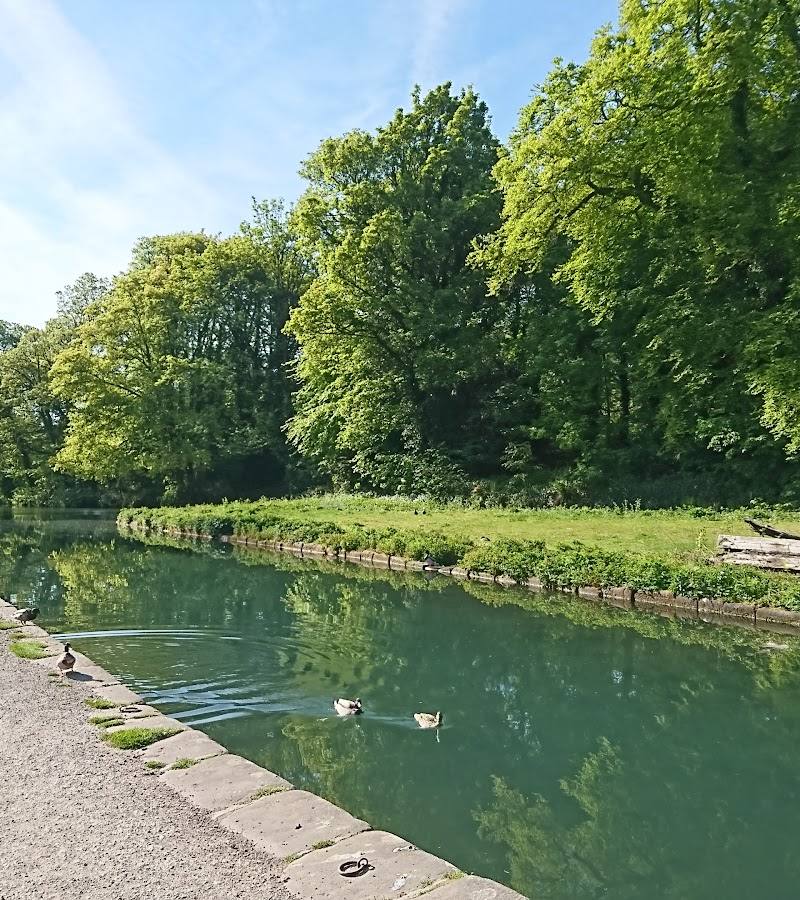
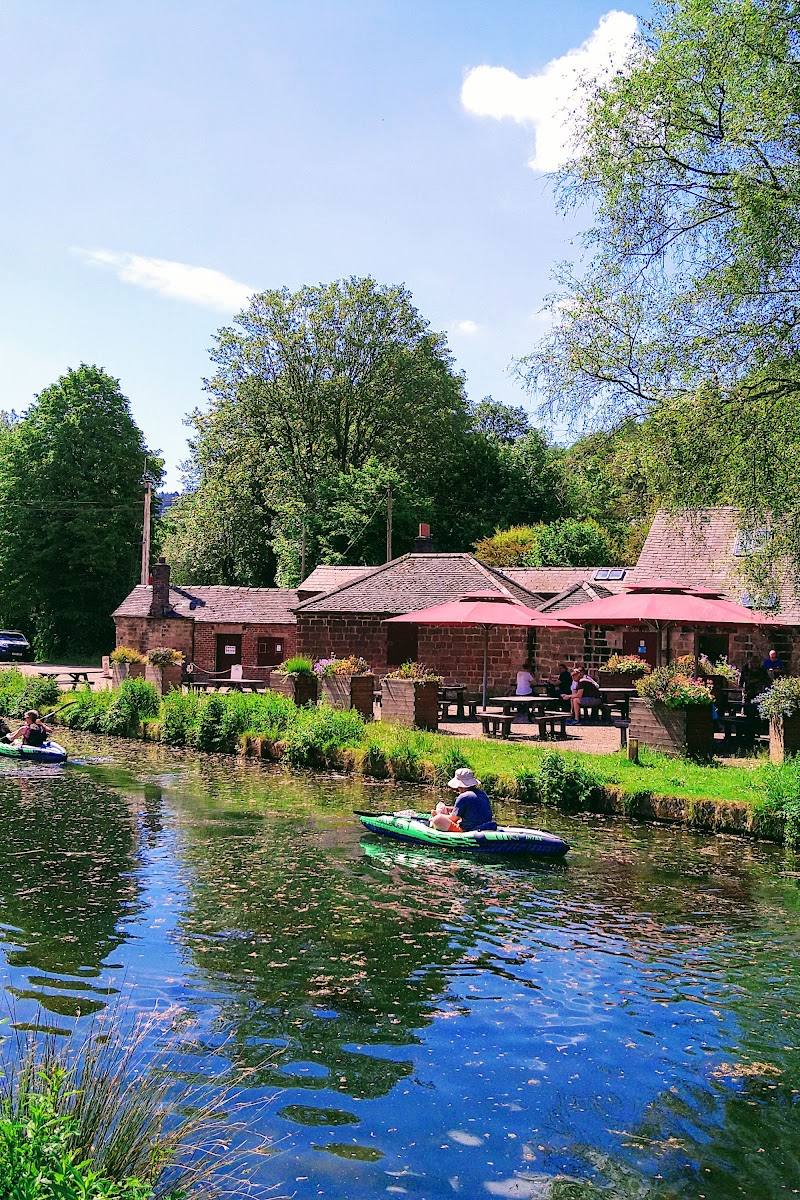
6.2An eighteenth-century working waterway threaded through the Derwent Valley, where a quiet towpath links canal wildlife with the workshops and engineering landmarks of the Industrial Revolution.
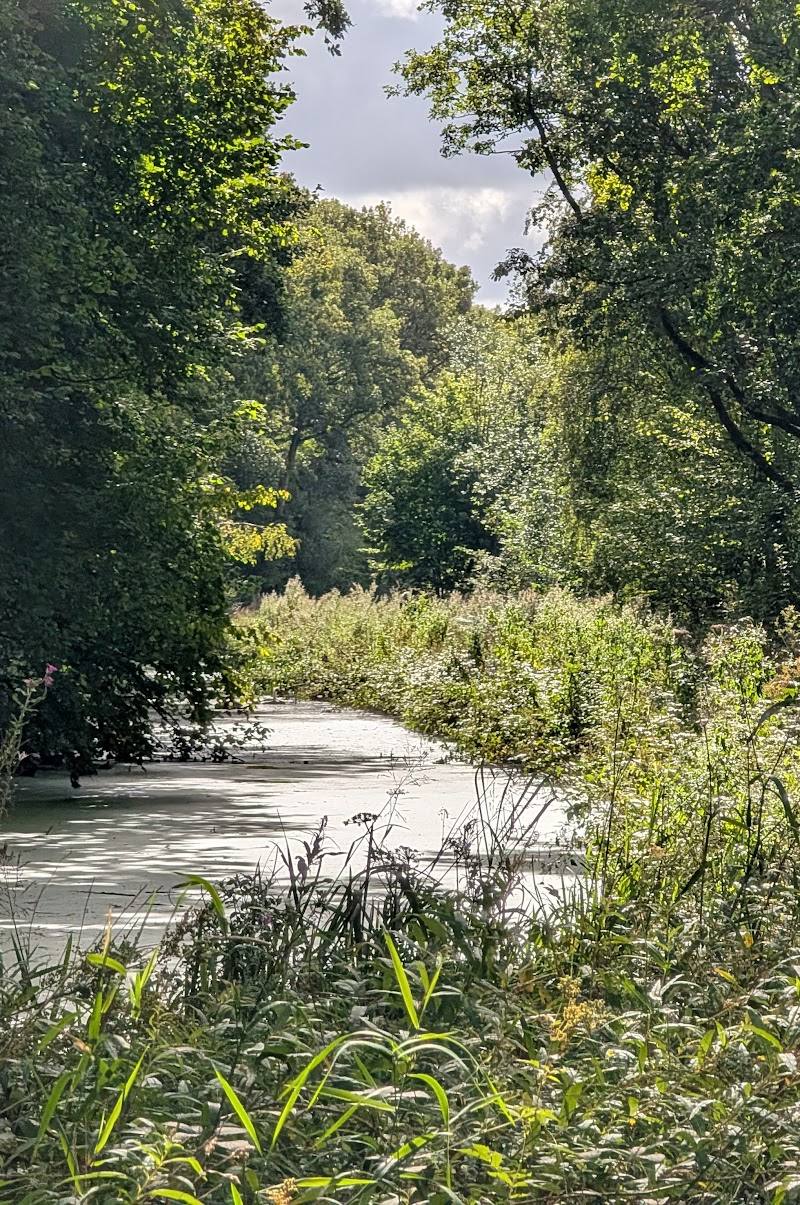
Cromford Canal earns its place for the way industrial history and living wetland meet along one peaceful waterside route. Water voles, birds and wildflowers share the valley with surviving railway workshops and a working nineteenth-century pumphouse.
Peaceful · Atmospheric · Ancient-feeling
Find your way
Open mapCromford and the Derwent Valley, Derbyshire, England
Opening map…
Know this place a little better?
The experience
Walk a section of the Cromford Canal towpath, watching for birds and other wildlife, then extend the outing to historic railway workshops at High Peak Junction and Leawood Pumphouse. The canal towpath is flat; the climb up Sheep Pasture Incline towards Black Rocks is a more demanding option.
Things to do
Walk the Cromford Wharf towpath
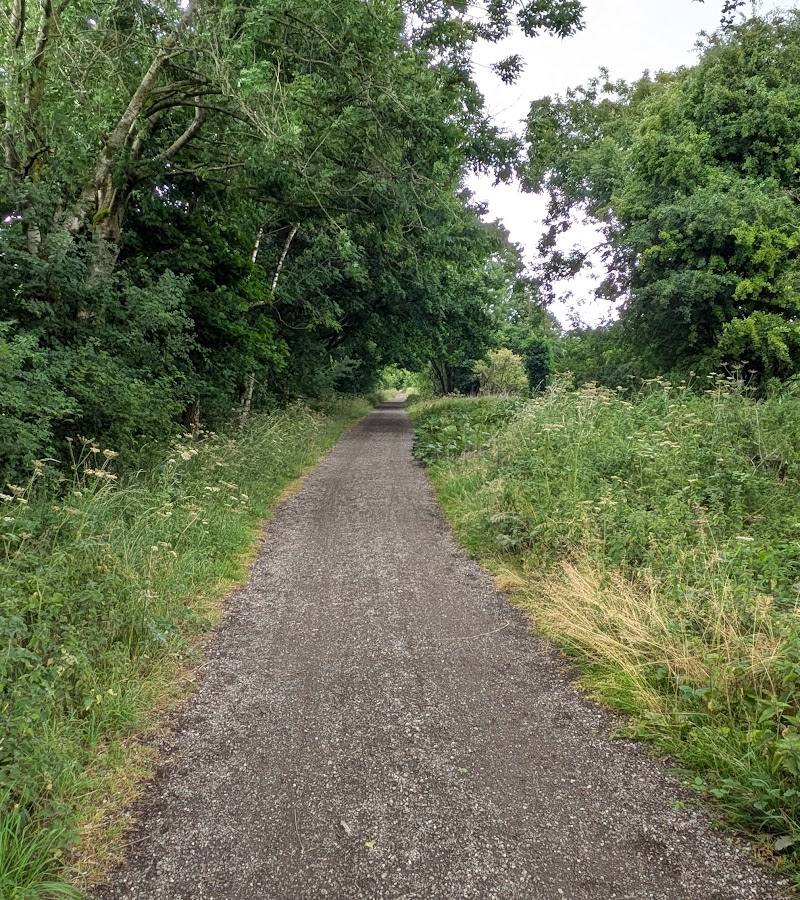
Follow the canal towpath towards High Peak Junction through the Derwent Valley. The flat section is described as suitable for pushchairs and wheelchairs.
About 1 hour to High Peak Junction; allow longer for a return walk
Watch for canal wildlife
Look for water voles, little grebes, ducks and other birds along the canal. The supplied source also identifies wildflowers as part of the canal’s wildlife interest.
Explore High Peak Junction
Visit the surviving railway workshops and visitor centre about a mile along the towpath from Cromford Wharf.
Continue to Leawood Pumphouse
Walk further along the canal to see the 1849 Leawood Pumphouse, described by Cromford Mills as still in working order.
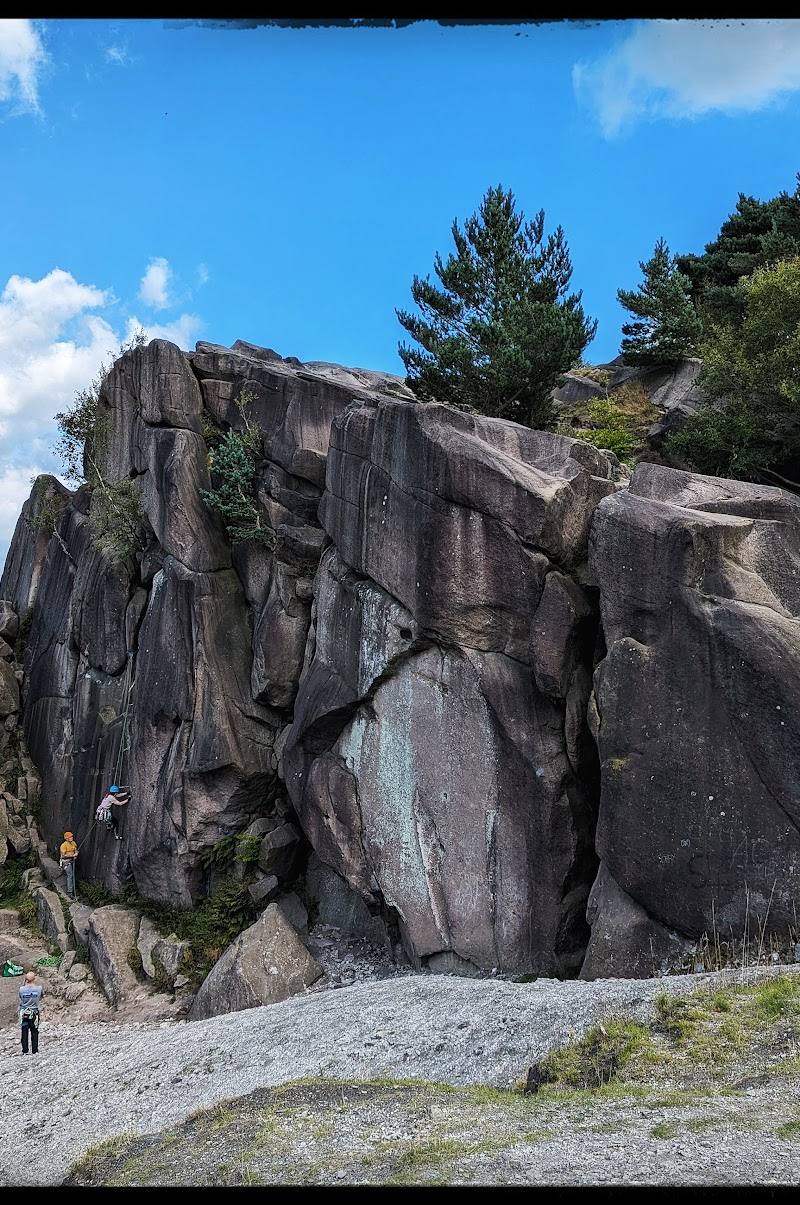
Climb Sheep Pasture Incline to Black Rocks
At High Peak Junction, take the steep incline route up to the High Peak Trail and continue to Black Rocks for views across the surrounding valley and hills. This is a more strenuous extension than the flat towpath.
Make a day of it
Quick escape · About 1–2 hours
A short towpath out-and-back
- 01
Start at Cromford Wharf.
- 02
Follow the flat canal towpath towards High Peak Junction.
- 03
Pause to watch for birds and other wildlife along the water.
- 04
Turn back when you have had enough of the towpath; the full distance to High Peak Junction is described as about a mile.
Half day · Half day
Canal, workshops and pumphouse
- 01
Walk the towpath from Cromford Wharf to High Peak Junction.
- 02
Explore the historic railway workshops and visitor centre at High Peak Junction.
- 03
Continue along the canal towards Leawood Pumphouse.
- 04
Return along the towpath, allowing time to watch for wildlife.
Full Wildland day · Half day or longer
From canal towpath to Black Rocks
- 01
Begin at Cromford Wharf and follow the canal towpath to High Peak Junction.
- 02
For a more demanding outing, take Sheep Pasture Incline up to the High Peak Trail.
- 03
Continue to Black Rocks for views over Matlock Gorge, Cromford Mills, Carsington Reservoir and the Derwent Valley.
- 04
Use the public footpath across the fields back towards Cromford Village, noting that paths may be wet or muddy and include stiles and gates.
Verified history
Cromford Canal was completed in 1794. It was engineered by William Jessop, with the project supported by local businessmen including Sir Richard Arkwright. The canal runs for 14.5 miles between Cromford and the Erewash Canal at Langley Mill, according to the supplied Tripadvisor description; Cromford Mills describes a five-mile towpath stretch from Cromford Wharf to Ambergate. The top section was used as a working waterway until 1944. The canal lies within the Derwent Valley Mills World Heritage site, and the supplied sources identify sections as a Site of Special Scientific Interest and a Local Nature Reserve.
Hidden details
A canal built into an industrial landscape — The canal route connects the valley’s waterway story with the surviving railway workshops at High Peak Junction and Leawood Pumphouse, built in 1849.
Wildlife along a historic towpath — The canal is described as habitat for water voles, little grebes, birds and wildflowers, placing wildlife observation alongside the industrial heritage.
When to go
· Daylight, when there is time to walk the towpath and look for wildlife.
The supplied sources describe wildlife and wildflowers but do not specify seasonal peaks.
Paths beyond the flat canal towpath may be wet or muddy. Check current conditions before setting out.
Worth pairing with
High Peak Junction
An easy-to-understand extension of the canal walk, with historic railway workshops and a visitor centre about a mile from Cromford Wharf.
Leawood Pumphouse
Continue along the canal to see this 1849 pumphouse, described as still in working order.
Black Rocks
A more strenuous extension via Sheep Pasture Incline and the High Peak Trail, with views over the Derwent Valley and nearby landmarks.
Cromford Mills
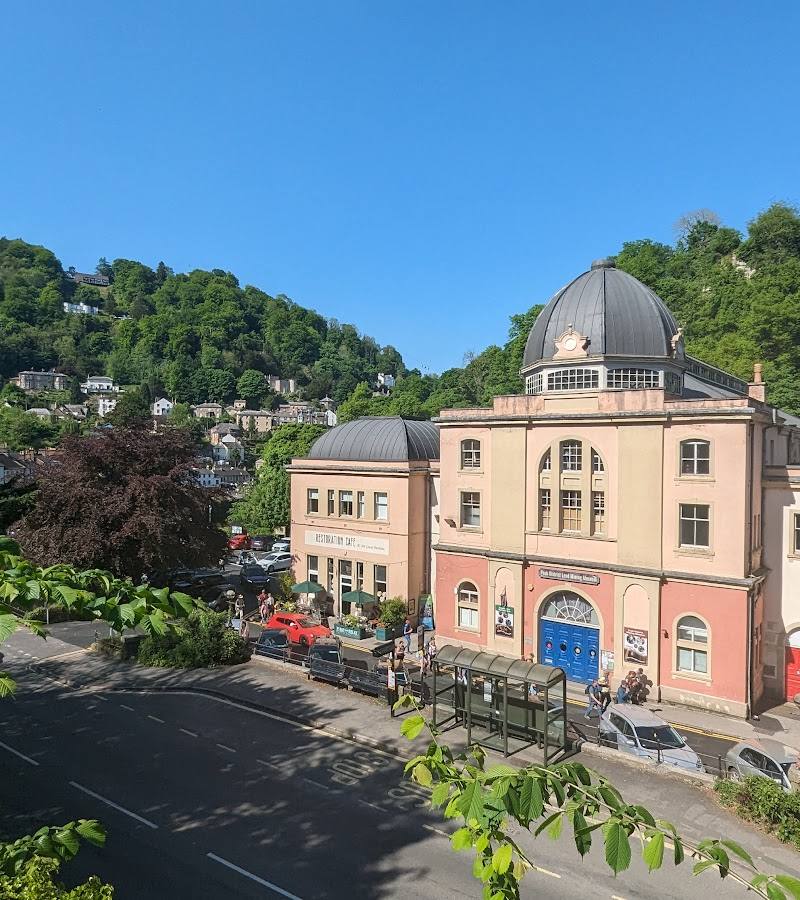
A related industrial-heritage stop and a stated location for hiring a Tramper; check current visitor and booking arrangements.
What to look for
- 01
Look out for water voles, little grebes, ducks and wildflowers along the canal. At High Peak Junction, explore the surviving railway workshops
- 02
further along, look for Leawood Pumphouse and the canal’s engineering features.
The story
Industry
Best time to go
Spring to early autumn for longer days, wildflowers and wildlife; the canal can be visited year-round.
Choose a calm daylight visit for an easy waterside walk and wildlife watching. Seasonal wildlife is mentioned in the supplied sources, but no specific peak months are confirmed.
How long to spend
1–2 hours, Half day
Perfect for
Walkers · Wildlife lovers · Photographers · History lovers · Families
Before you go
Google rating
Practical information
Opening & access
The towpath route between Cromford Wharf and Ambergate is described as walkable, with a flat section from Cromford Wharf to High Peak Junction suitable for pushchairs and wheelchairs. Paths beyond the canal may be wet or muddy and include stiles and gates. Check current access and conditions before visiting.
Check before visiting
Parking
Parking details are not confirmed in the supplied sources. Check before visiting.
Check before visiting
Toilets
Check before visiting.
Check before visiting
Food & drink
Check before visiting.
Check before visiting
Dogs
Check before visiting.
Check before visiting
Accessibility
The towpath is described as flat, and the section from Cromford Wharf to High Peak Junction is suitable for pushchairs and wheelchairs. A Tramper can be hired from Cromford Mills or High Peak Junction; booking details are given by Cromford Mills. Other paths may be wet or muddy and include stiles and gates. Check current arrangements before travelling.
Check before visiting
Cost
Check before visiting
Check before visiting
Water
Canal
Gallery
Place photographsKeep exploring
Around Cromford Canal
Within 50 km · approximate straight-line distances