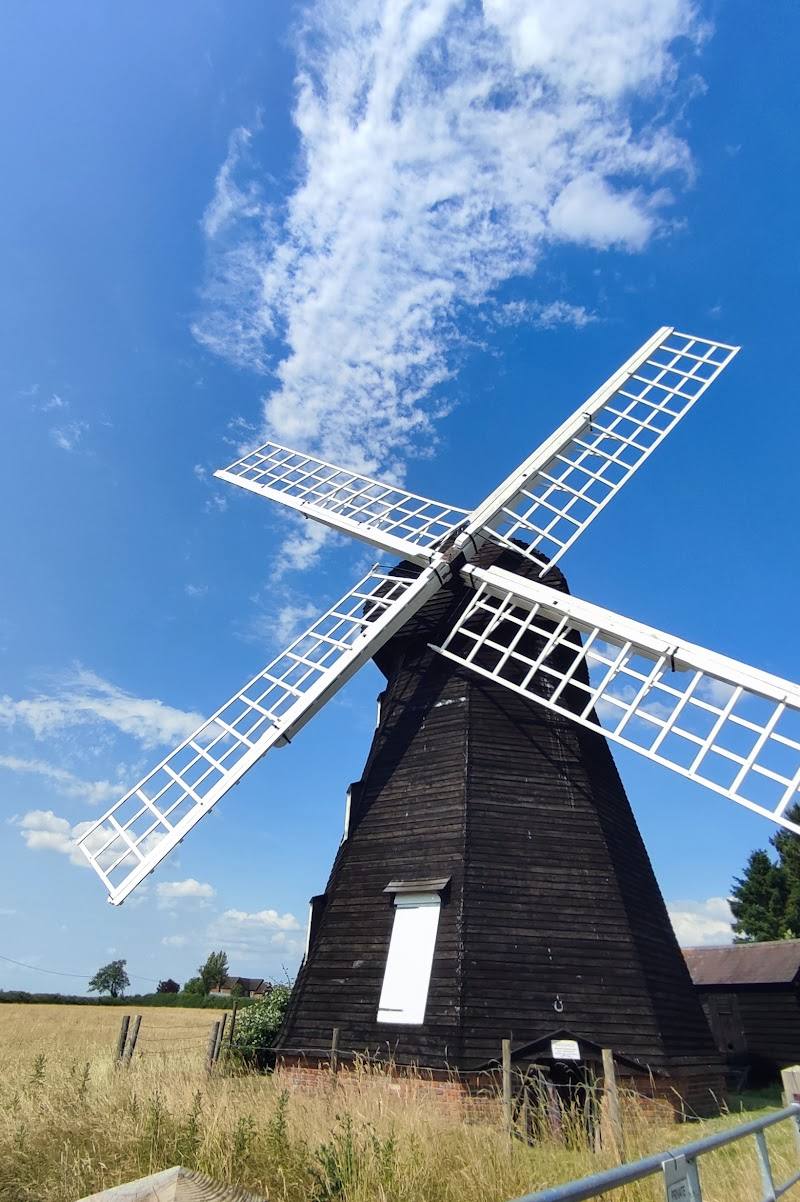
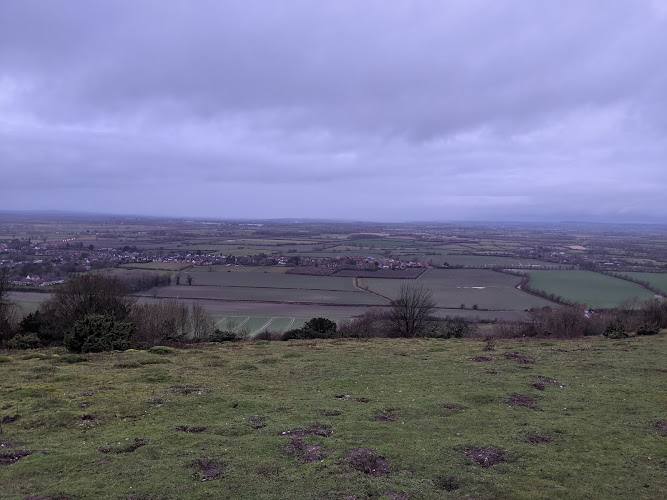
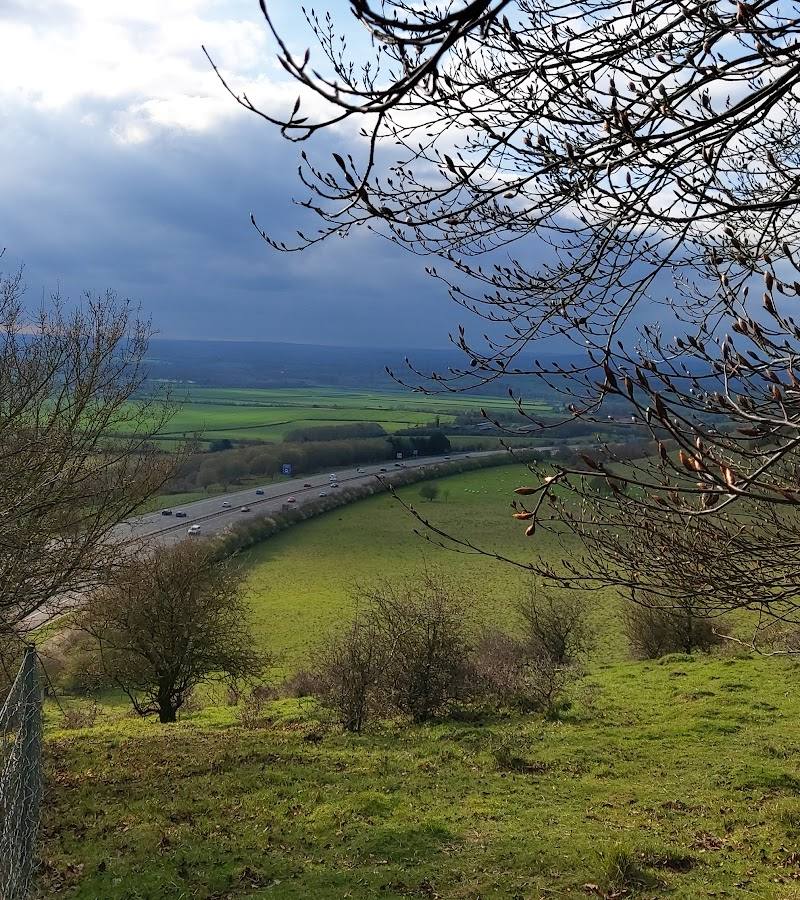
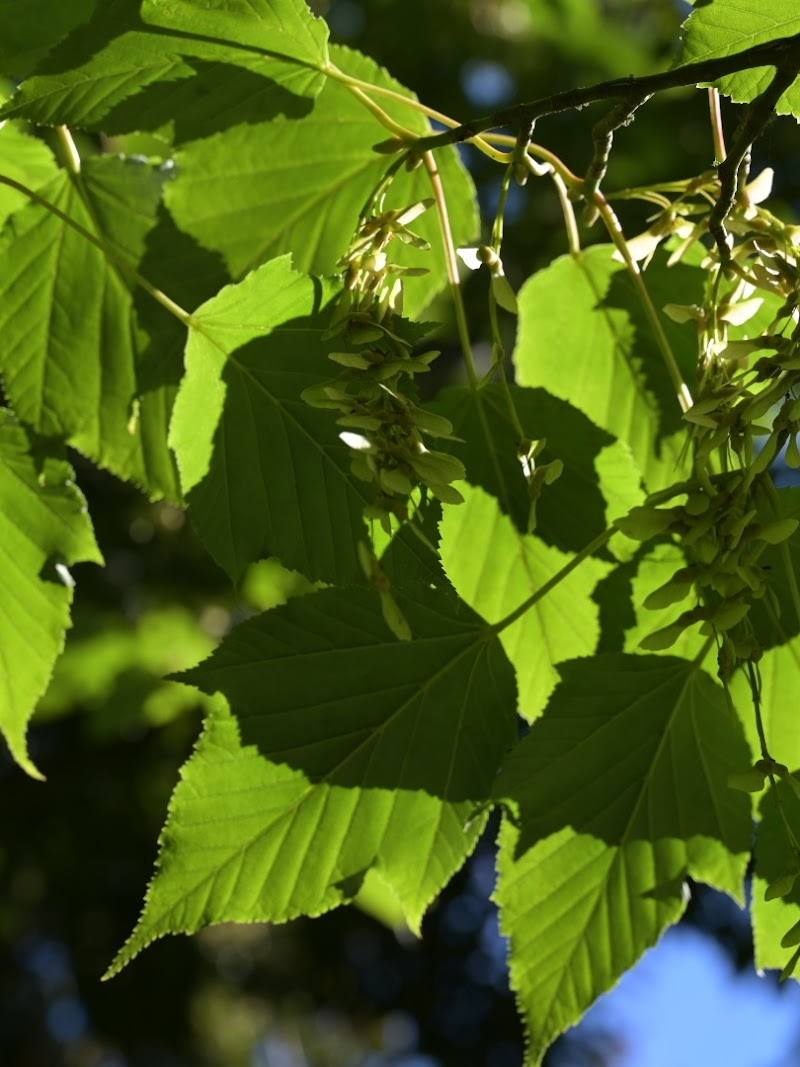
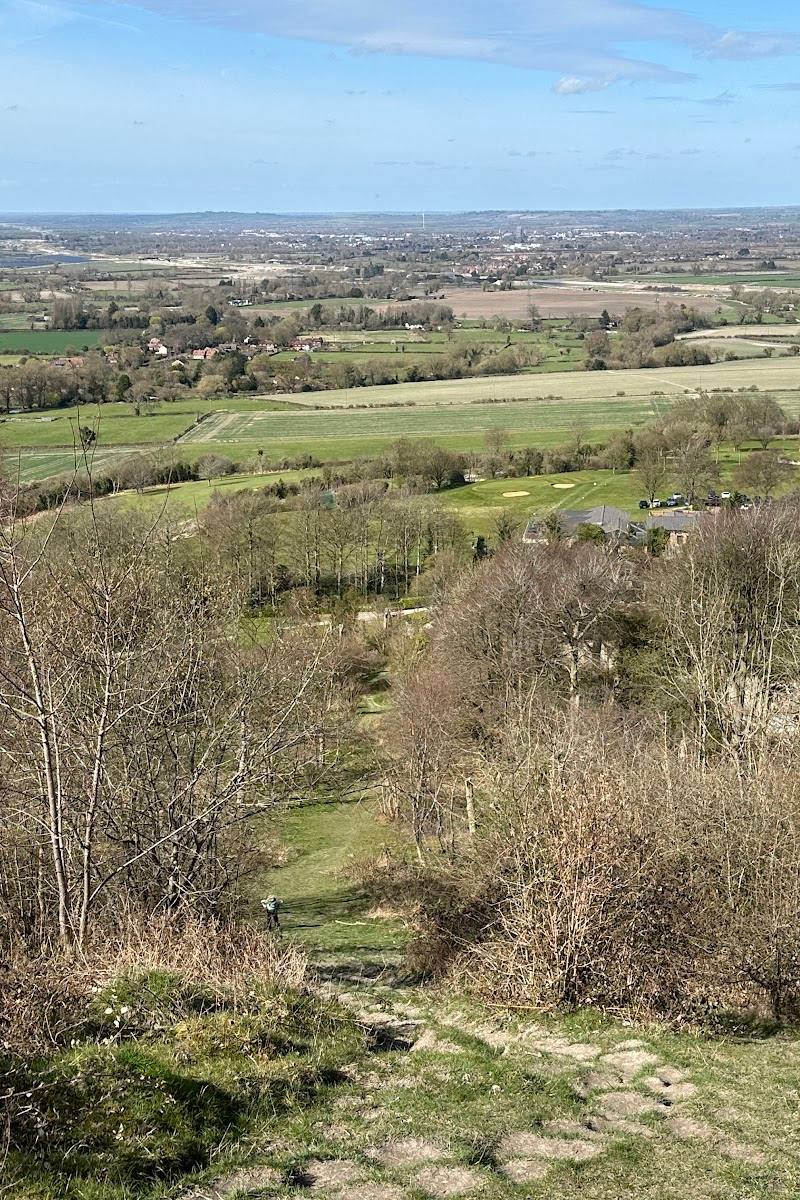
A broad protected landscape across parts of Oxfordshire, Buckinghamshire, Bedfordshire and Hertfordshire, north-west of London.
Chilterns National Landscape
Rolling hills
Place photograph
5.9
Wildland
Half day, Full day, Weekend
Time
Free
Cost
Peaceful
Feel
Why it's Wildland
5.9Chalk hills, beech woods, farmland and villages form a varied countryside landscape within reach of London. Walkers can explore sections of the Ridgeway and Chiltern Way, or choose a more local route through woods and valleys.
The Chilterns earns its place for the way chalk hills, wooded slopes, working countryside and historic villages come together across a substantial landscape. Its network of paths offers plenty to explore, though the experience depends on which part you choose.
Peaceful · Big-sky · Ancient-feeling
Find your way
Open mapA broad protected landscape across parts of Oxfordshire, Buckinghamshire, Bedfordshire and Hertfordshire, north-west of London.
Opening map…
Know this place a little better?
The experience
Plan around one named walk or a small area of the Chilterns. The wider landscape has walking and cycling routes, villages, woodland and historic sites; distances, access and facilities depend on the places you choose.
Things to do
Choose a Chilterns walking route
There are paths and trails across the wider landscape. Use a route description to check the distance, terrain and start point rather than assuming routes are interchangeable.
Cycle in the wider landscape
Cycling is one way to explore the Chilterns; check the route and its suitability before choosing a ride.
Make a day of it
Quick escape · 1–2 hours
A short Chilterns walk
- 01
Choose a local public walking route in the Chilterns and check its start point and length before travelling.
- 02
Walk a manageable section, taking time to enjoy the changing views between hills, woodland and countryside.
- 03
Return by your planned route; conditions and facilities vary by location.
Half day · Half day
Make a half day of it on a named trail
- 01
Choose a published walk in the Chilterns that suits your ability and available time.
- 02
Follow the route as described, checking its distance, duration and start point in advance.
- 03
If the chosen route passes through a village, check local cafés or pubs separately before relying on them for refreshments.
Verified history
The supplied source material describes the Chilterns as a long-settled landscape and notes archaeological features on some routes, including Neolithic and Iron Age remains. Those features are route-specific; check the route description before planning a visit to see them.
Hidden details
Archaeological features on selected walks — Some Chilterns routes pass archaeological features, including a Neolithic barrow and an Iron Age hillfort on the Whiteleaf and Chequers circular route. Confirm route access and details before visiting.
When to go
April · May · September · Choose a time that allows you to complete the selected route in daylight; check the local forecast and route information.
April and May are highlighted for spring walks and wildflowers, while September is suggested for quieter trails. Conditions vary across the landscape.
Weather and ground conditions vary by route and season. Check the forecast and wear suitable footwear; verify current route conditions before travelling.
Worth pairing with
A Chilterns village or market town
Villages and towns can make a useful stop alongside a walk, but choose one that fits your route and check local opening information.
A second walk in the wider Chilterns
The landscape offers multiple walking options. Pair routes only after checking travel time, distance and start points.
What to look for
- 01
Look for the contrast between the open chalk hills and wooded slopes, and notice how paths pass through farmland and villages. Some routes in the wider Chilterns include archaeological features such as barrows and hillforts
- 02
check route information to find those that are accessible.
The story
Archaeology
Best time to go
April–May for spring walks and wildflowers; September for quieter walking. The landscape can be explored year-round, with conditions varying by route and weather.
For a quieter walk, consider April, May or September. Spring brings wildflowers; September is noted as a good option for less busy trails. Check the forecast and route conditions before setting out.
How long to spend
Half day, Full day, Weekend
Perfect for
Walkers · Cyclists · Families · Dogs · Photographers · History lovers
Practical information
Opening & access
The Chilterns is a large landscape rather than a single attraction, so access, parking and facilities vary by location. Use established public routes and check the relevant access and visitor information before setting out. Access arrangements are unconfirmed. Check before visiting; do not enter private land or restricted structures.
Check before visiting
Parking
Parking is available at various places across the Chilterns; locations, charges and capacity vary. Check the chosen walk’s starting point before travelling.
Check before visiting
Toilets
Facilities vary across this large area. Check locally before visiting.
Check before visiting
Food & drink
Pubs, cafés and shops are found in villages and towns across the area; check opening details locally.
Check before visiting
Dogs
Dogs are reported as welcome in the area. Keep them under control and check any local restrictions, particularly around livestock and wildlife.
Check before visiting
Accessibility
Access varies considerably by route and site. Some trails are reported as accessible, but do not assume a particular route is suitable without checking its surface, gradients and access details.
Check before visiting
Cost
Free
Gallery
Place photographsKeep exploring
Around Chilterns National Landscape
Within 50 km · approximate straight-line distances