4.8
Wildland
1–2 hours
Time
Check
Cost
Atmospheric
Feel
Why it's Wildland
4.8Founded in 666, Chertsey Abbey grew into a major Benedictine house. Today, its story is read in fragments: low wall remains, earthworks, a dry moat and former fish ponds in Abbey Fields.
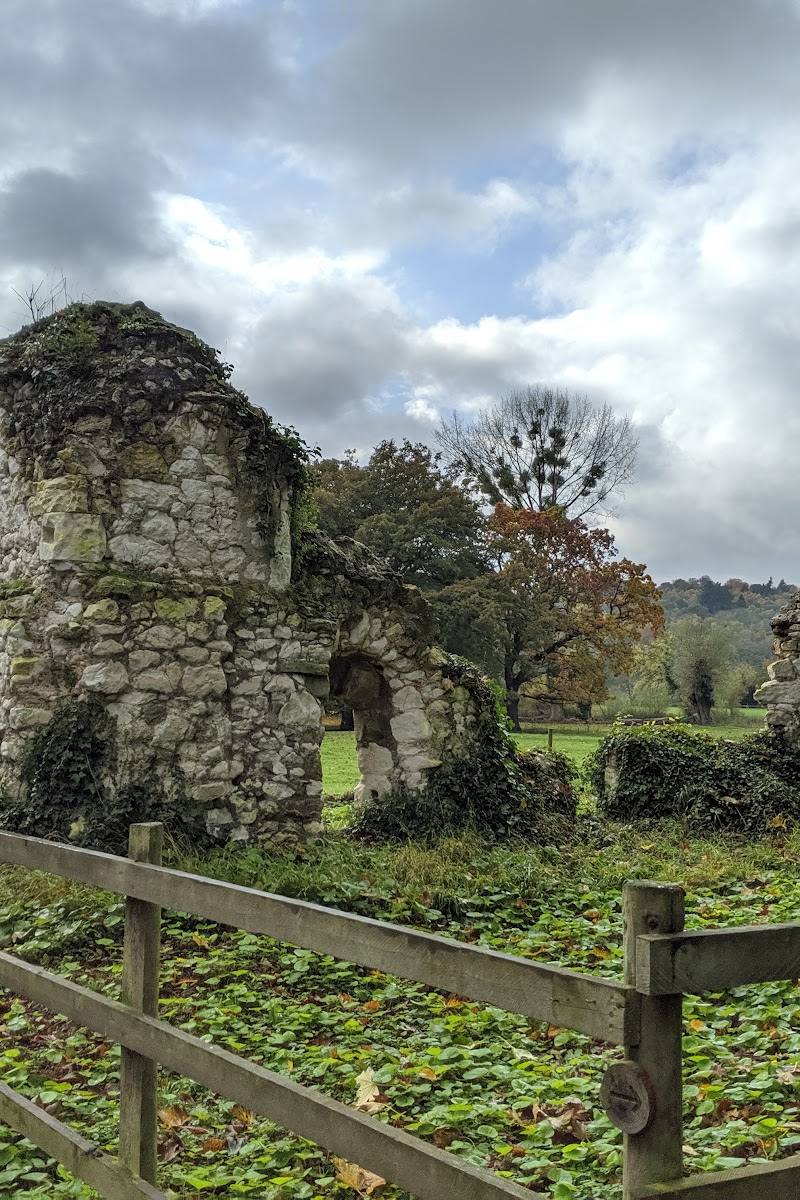
Chertsey Abbey is more landscape than standing ruin. The surviving moat, fish ponds and scraps of monastic wall let you trace the outline of a once vast religious house through a pocket of green space close to the town.
Atmospheric · Ancient-feeling · Peaceful
Find your way
Open mapChertsey, Surrey, KT16 8PS
Opening map…
Know this place a little better?
The experience
Explore the accessible parts of Abbey Fields, tracing the remains and earthworks of Chertsey Abbey. The site is fragmentary, so its history—and the council’s suggested walk—help bring the vanished complex into view.
Things to do
Follow the Abbey Fields historic walk
Use the local leaflet to find the dry moat, woodland area, wall fragments, fish ponds and views of the Abbey River. Keep to the paths and grassed areas, and take particular care by steep edges.
Flexible; check before visiting
Look for the surviving abbey walls
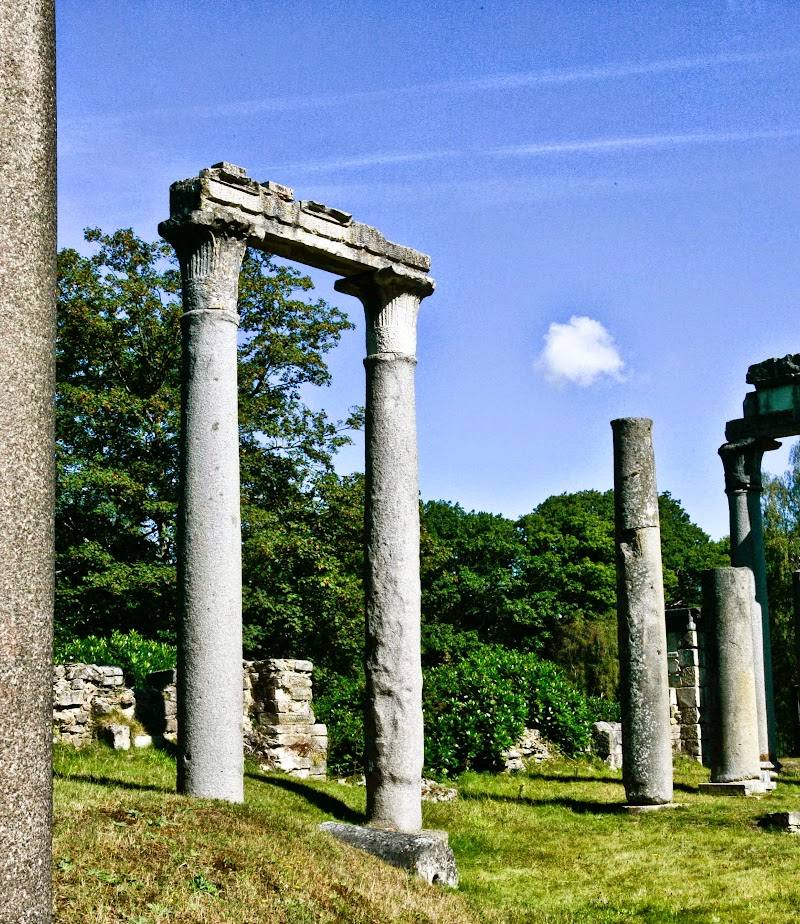
The low wall fragments are modest, but they help locate the former outbuildings within the monastic precinct. The council leaflet identifies wall remains and a memorial in Abbey Fields.
Trace the moat and fish ponds
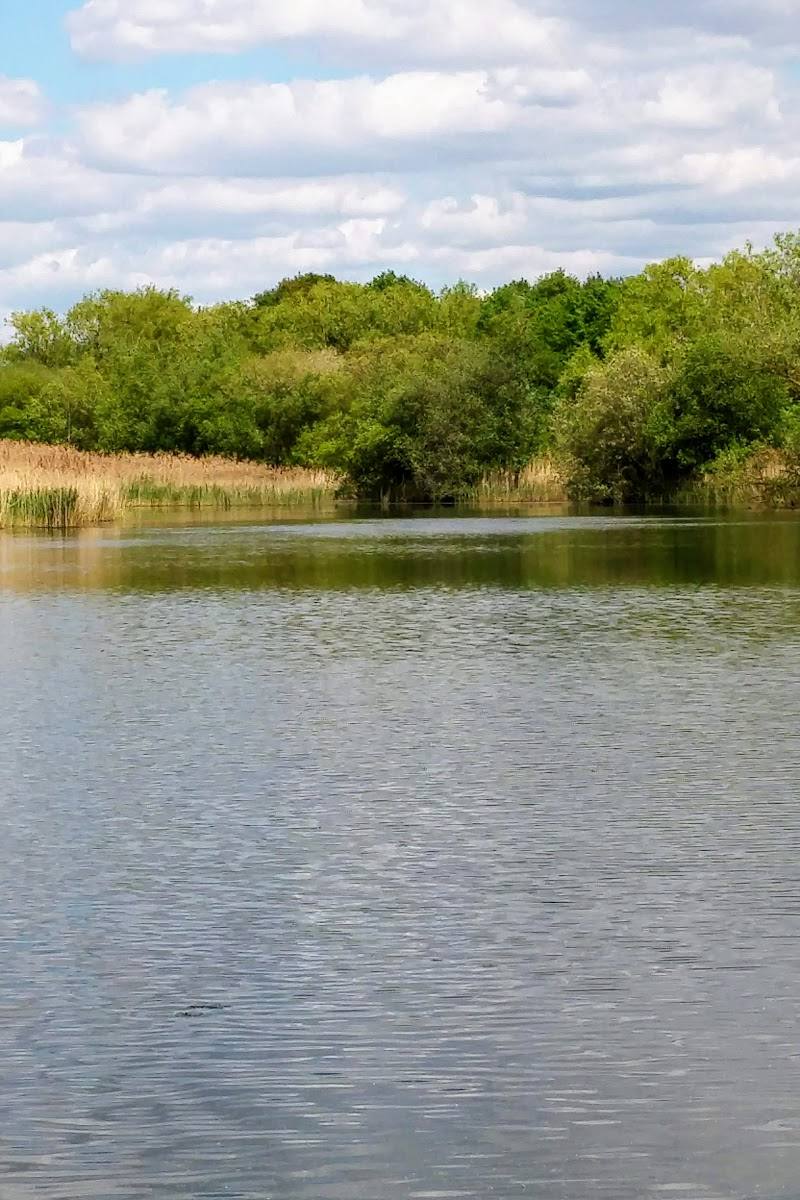
Look for the dry moat and the surviving former fish ponds. The council leaflet describes three remaining ponds from an original seven; keep well back from the steep edges.
See the Abbey River from the path
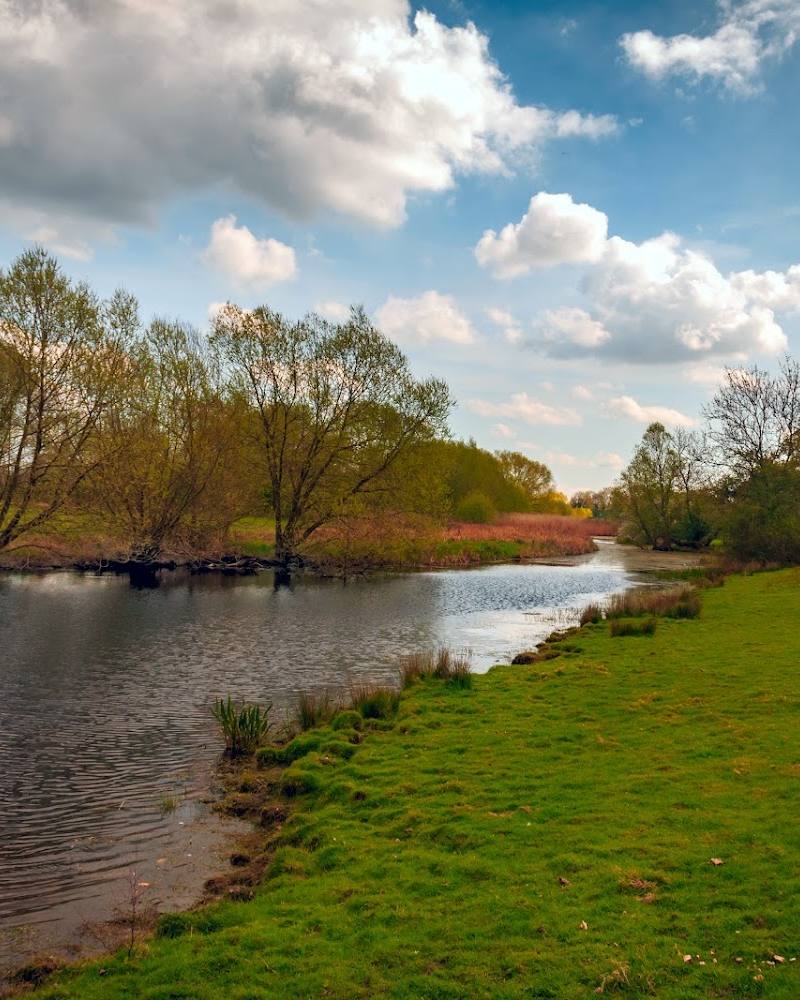
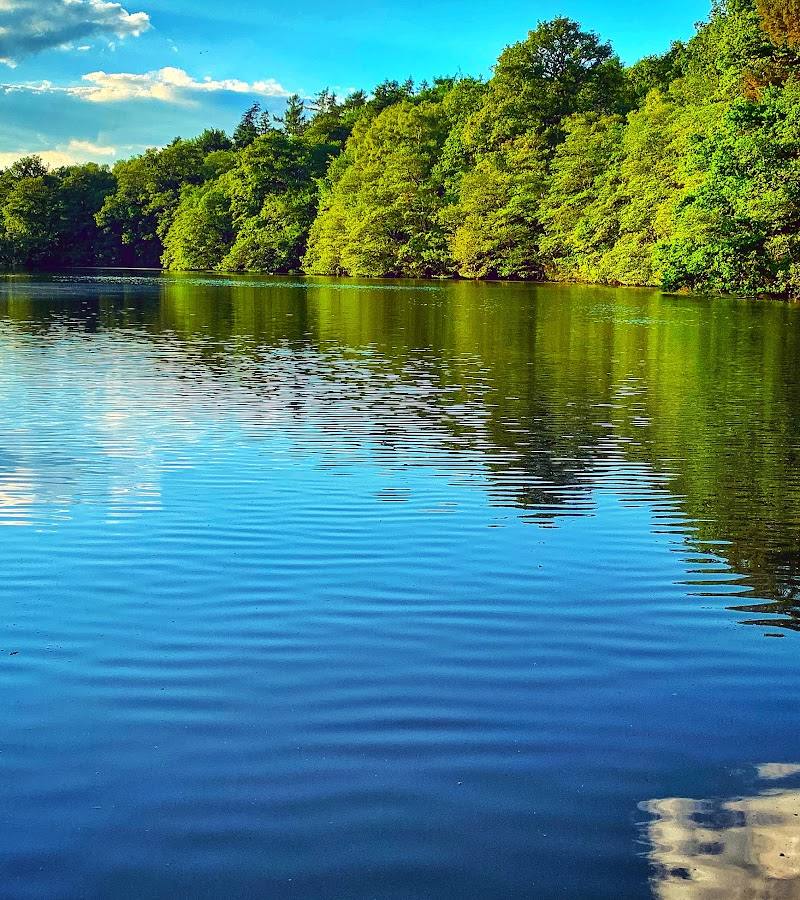
The leaflet describes a view of the Abbey River from Abbey Fields and connects the watercourse with the abbey’s former landscape. Stay on public paths; access to the river itself is not established.
Continue the story at Chertsey Museum
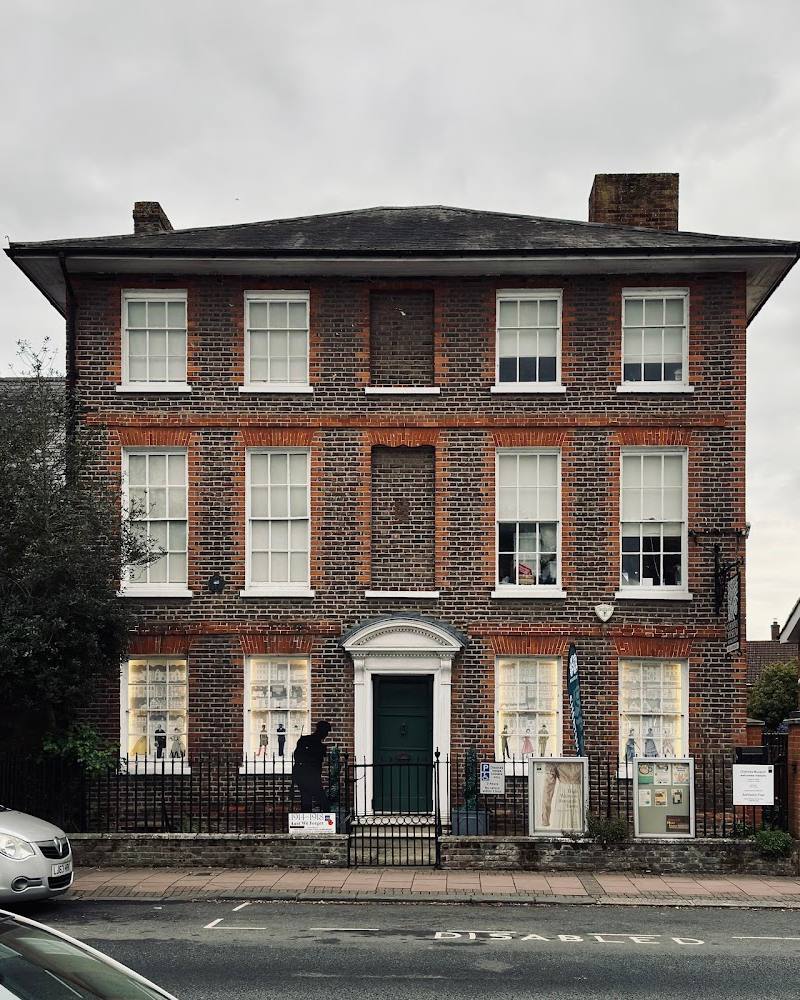
The museum’s account reconstructs the abbey’s layout and history from archaeology and surviving documents. Check current opening information before visiting.
Make a day of it
Quick escape · Around 1–2 hours; check before visiting
Trace the Abbey’s surviving outline
- 01
Start at the open-access green off Windsor Street described in the council leaflet.
- 02
Follow the suggested walk through Abbey Fields, keeping to paths and grassed areas.
- 03
Look for the dry moat, former fish ponds, Abbey River and surviving wall fragments.
- 04
Allow time to read the local interpretation and pause at the seats.
Half day · Half day; check opening times and current access
Abbey Fields and Chertsey’s local history
- 01
Explore Abbey Fields using the council’s historic-walk leaflet.
- 02
Visit Chertsey Museum, opposite the green, to see its interpretation of the abbey and local history; check its current opening arrangements before travelling.
- 03
Return through the town or along the Abbey River where public paths allow.
Verified history
Chertsey Abbey was founded in 666 and became a major Benedictine monastery. The museum account describes a Viking raid in 871, when the abbey was burned; it notes uncertainty about the reported deaths of the abbot, a priest and monks. The house was re-established in the 10th century and later rebuilt in stone. Following the Dissolution, the monks were sent to Bisham Priory in 1537 and the abbey was dismantled. The museum describes surviving fragments and archaeological evidence; the council leaflet identifies remains in Abbey Fields and says some abbey stone was reused at Oatlands Palace.
Hidden details
A church once around 290 feet long — The museum’s reconstruction gives the abbey church a length of about 290 feet. Use the plan and surrounding landscape to imagine the scale; this is a reconstruction based on archaeological evidence, not a surviving standing building.
The Abbey’s former fish ponds — The council leaflet says seven ponds once served the abbey and that three remain. Their surviving earthworks are a tangible reminder of the monastery’s food supply and working landscape.
A medieval tiled floor, now represented in the museum — The council leaflet records that workmen uncovered a tiled floor in 1852 and says examples of the late-13th-century tiles can be seen at Chertsey Museum. Check current museum access before planning a visit.
When to go
March · April · May · June · July · August · September · October · Daylight; choose a quieter time if you would like to pause and read the landscape.
The visit centres on outdoor paths, earthworks and low wall fragments, so daylight and dry ground make it easier to explore and take care around uneven areas and steep edges.
Paths and grass may be slippery or muddy after rain. Take care near hidden roots and steep drops beside the moat and dry fish ponds, as noted in the council leaflet.
Worth pairing with
Chertsey Museum
A useful companion to the abbey walk: the museum presents a reconstruction of the lost monastery and local finds. Check current opening arrangements before visiting.
What to look for
- 01
Look for surviving sections of abbey wall, the dry moat, the former fish ponds and the Abbey River. The council leaflet also points out walnut trees and a redwood in Abbey Fields
- 02
stay on paths and away from steep edges.
The story
Saints & pilgrimage, Archaeology
Best time to go
Year-round; choose a dry day for walking the paths.
Go in daylight on a dry day, when paths and uneven ground are easier to assess. Check local information before visiting.
How long to spend
1–2 hours
Perfect for
History lovers · Walkers · Photographers
Before you go
Address
Google rating
Practical information
Opening & access
The Abbey Fields historic walk describes an open-access green and paths past the surviving abbey remains. Some of the former abbey site is private; stay on the public paths and grassed areas, keep well back from steep moat and fish-pond edges, and check local information before visiting.
Check before visiting
Parking
Parking information varies by location. The council leaflet lists on-road parking in nearby streets; check restrictions before leaving your vehicle. No dedicated Abbey parking is verified.
Check before visiting
Toilets
The council leaflet mentions a disabled toilet near the open-access green; check availability before visiting.
Check before visiting
Food & drink
The council leaflet notes cafés along Windsor Street. Check current opening and facilities before setting out.
Check before visiting
Dogs
Check before visiting.
Check before visiting
Accessibility
A local council leaflet describes an open-access green, seating and a disabled toilet nearby. It also warns of hidden tree roots and steep drops beside the dry moat and fish ponds. The full route’s surface and step-free suitability are not verified; check before visiting.
Check before visiting
Cost
Check before visiting
Check before visiting
Water
Abbey River; former fish ponds and moat
Gallery
Place photographsKeep exploring
Around Chertsey Abbey
Within 50 km · approximate straight-line distances