8.5
Wildland
Check before visiting
Time
Check
Cost
Dramatic
Feel
Why it's Wildland
8.5Built on a rocky crag above the dunes, Harlech’s ‘walls within walls’ were designed to make the most of the natural defences. During the rebellion of Madog ap Llywelyn, the besieged castle was supplied by sea via a steep path known as the ‘Way from the Sea’.
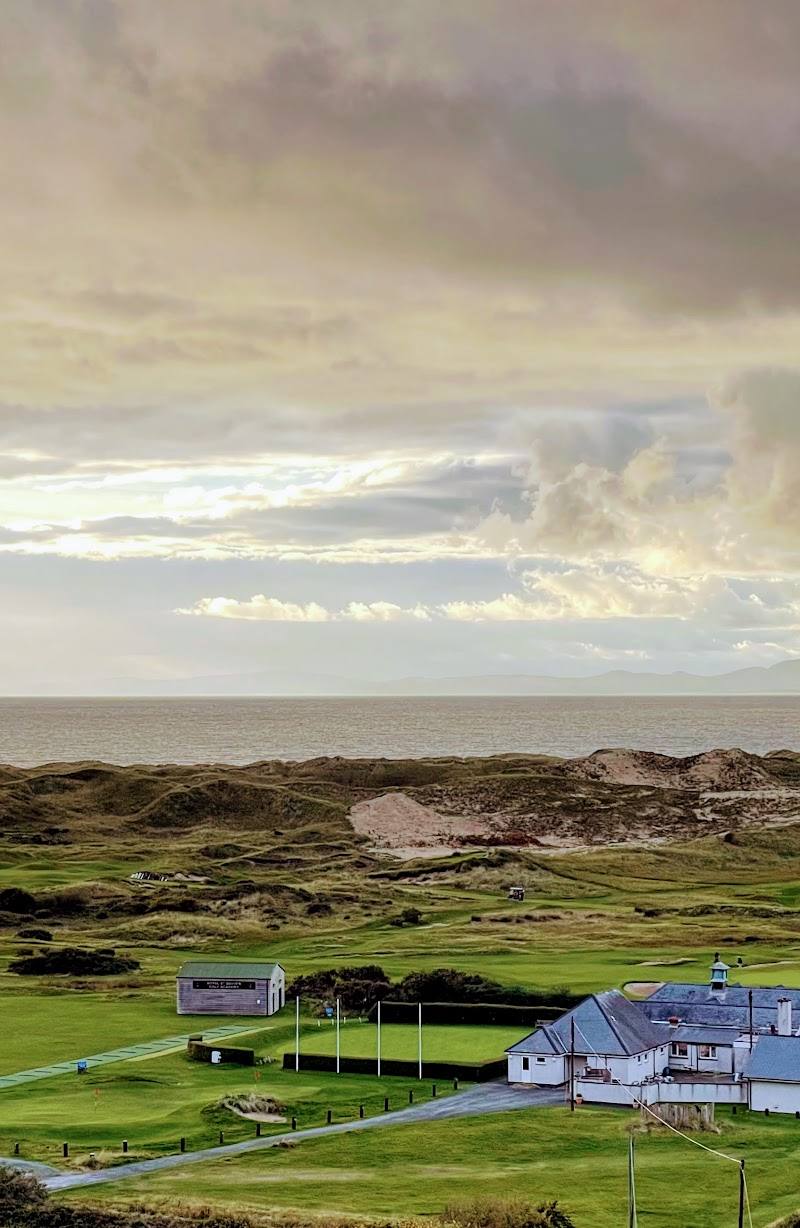
The castle’s setting is the story: a fortress perched above dunes, with Eryri’s rugged peaks behind it. Its concentric defences and the remarkable account of supplies reaching it by sea give visitors more to notice than battlements alone.
Dramatic · Atmospheric · Grand
Find your way
Open mapHarlech, Gwynedd, Wales
Opening map…
Know this place a little better?
The experience
Explore the castle’s inner and outer defences, look out across the dunes and towards the peaks of Eryri, and consider how the ‘Way from the Sea’ made this apparently isolated stronghold harder to cut off.
Things to do
Explore the ‘walls within walls’
Look at how the castle’s concentric design uses the natural defences of its rocky crag.
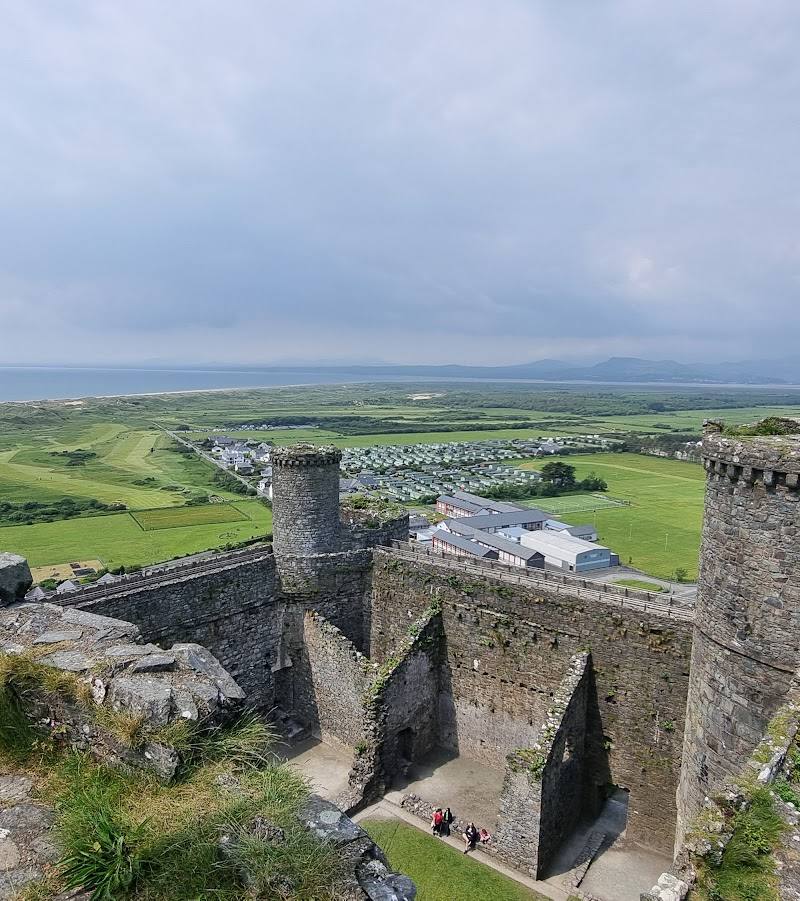
Look towards the dunes and Eryri
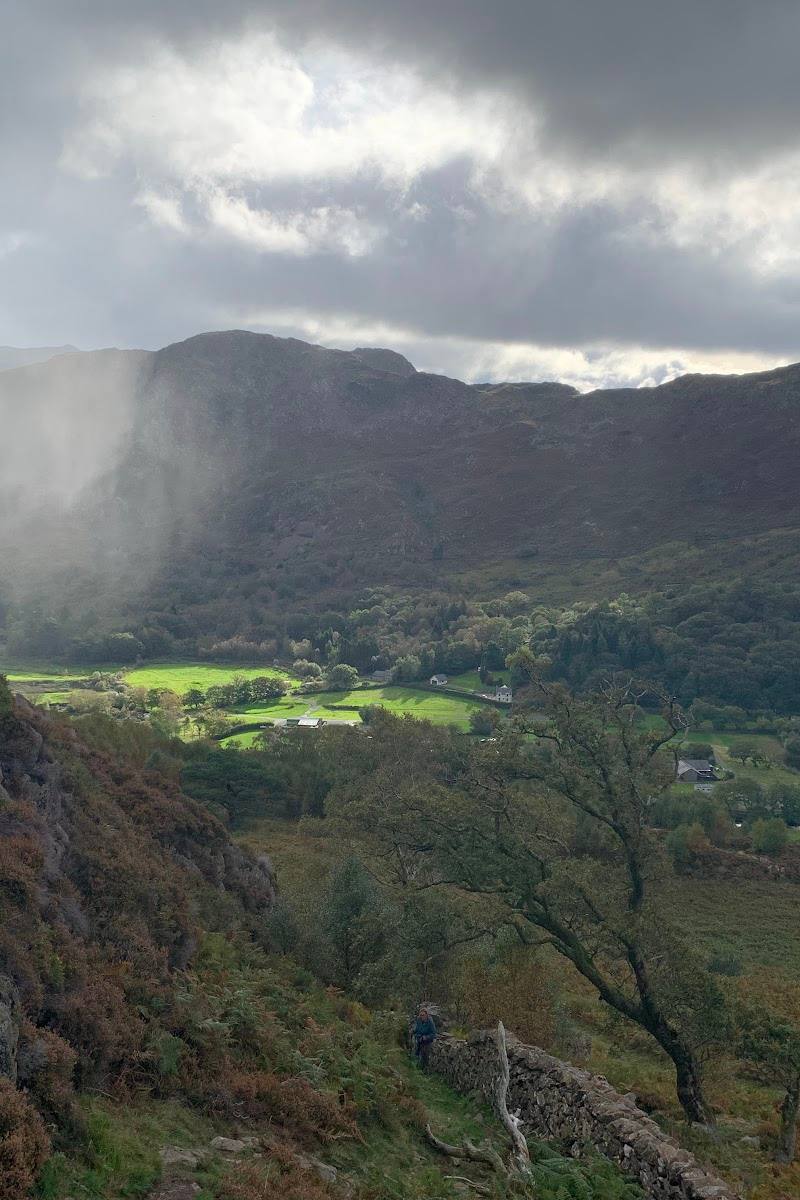
From the castle, take in the dunes far below and the rugged peaks of Eryri behind them—the setting Cadw highlights as a defining feature of Harlech.
Consider the ‘Way from the Sea’
Cadw describes a steep path of 108 steps up the rock face that allowed ships to supply defenders during the rebellion of Madog ap Llywelyn. The supplied evidence does not establish whether this historic path is accessible to visitors today.
Cross the ‘floating’ footbridge
Cadw describes the footbridge as the modern entrance to the castle, restoring an approach to the fortress after 600 years.
Make a day of it
Quick escape · Allow time to explore; exact visit duration is not established by the supplied sources.
Quick escape: take in the fortress and its setting
- 01
Check Cadw’s current opening information and admission arrangements before setting out.
- 02
Enter via the footbridge described by Cadw.
- 03
Explore the castle’s ‘walls within walls’ layout.
- 04
Pause to take in the dunes below and the Eryri peaks behind the castle.
Half day · Check before visiting; the supplied sources do not give a recommended visit duration.
Half day: explore the castle’s defences and siege story
- 01
Begin with the setting: the castle crowns a rocky crag above the dunes.
- 02
Explore the inner ward and the concentric defensive arrangement.
- 03
Read about the ‘Way from the Sea’ and how it helped supply the castle during the rebellion of Madog ap Llywelyn.
- 04
Finish with another look across the landscape that shaped the castle’s defences.
Verified history
Cadw says Harlech was completed from ground to battlements in seven years under the guidance of architect Master James of St George. Its ‘walls within walls’ design made use of the crag’s natural defences. During the rebellion of Madog ap Llywelyn, the castle held out while cut off, with the ‘Way from the Sea’—a steep path of 108 steps up the rock face—allowing defenders to be supplied by ship.
Hidden details
The castle’s sea supply route — The ‘Way from the Sea’ was a steep 108-step path up the rock face, described by Cadw as a means of bringing supplies by ship during a siege. The supplied source does not confirm whether visitors can access the historic route.
A changed coastline — Cadw describes the castle as standing above dunes, with the distant sea now separated from it—an evocative reminder that the relationship between fortress, shore and tide has changed.
When to go
· Check before visiting; no preferred time is established by the supplied evidence.
The supplied sources do not provide season-specific visitor or wildlife advice.
The castle stands on a rocky crag in a coastal setting; check the forecast and Cadw’s current visitor information before travelling.
What to look for
Notice the ‘walls within walls’ layout and the contrast between the rocky crag, dunes below and Eryri behind. Cadw also describes a modern ‘floating’ footbridge as the way into the castle.
The story
Edward I’s coastal fortresses; medieval military architecture; the siege during the rebellion of Madog ap Llywelyn; the ‘Way from the Sea’.
Best time to go
Check current opening arrangements with Cadw; no season-specific advice is established by the supplied evidence.
Check Cadw’s current opening information before travelling. The supplied sources do not establish a particular best season or time of day.
How long to spend
Check before visiting
Perfect for
History lovers · Photographers · Families
Before you go
Address
Phone
Website
Listed hours
- Monday: 9:30am-5pm
- Tuesday: 9:30am-5pm
- Wednesday: 9:30am-5pm
- Thursday: 9:30am-5pm
- Friday: 9:30am-5pm
- Saturday: 9:30am-5pm
- Sunday: 9:30am-5pm
Check before visiting.
Google rating
Practical information
Opening & access
Cadw says tickets can be bought on arrival or booked online. Check Cadw for current opening times, prices and access information before visiting.
Check before visiting
Parking
A wheelchair-accessible car park is reported in the source row; confirm current parking arrangements with Cadw.
Toilets
A wheelchair-accessible toilet is reported in the source row; confirm availability before visiting.
Food & drink
Check before visiting.
Check before visiting
Dogs
Check before visiting.
Check before visiting
Accessibility
The source row reports a wheelchair-accessible car park, entrance, seating and toilet. Confirm current access details and any route limitations with Cadw before visiting.
Cost
Paid; check current prices with Cadw.
Check before visiting
Gallery
Place photographs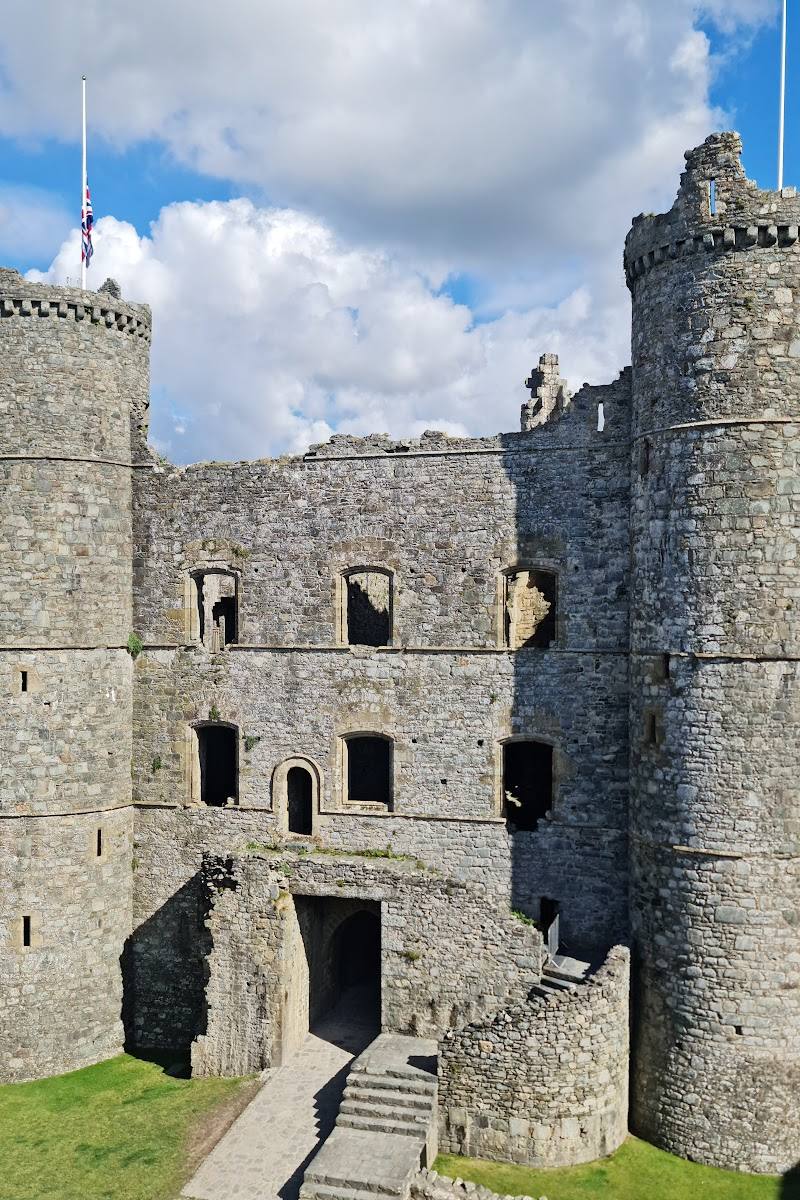
Keep exploring
Around Castell Harlech
Within 50 km · approximate straight-line distances
 Place photograph6.6
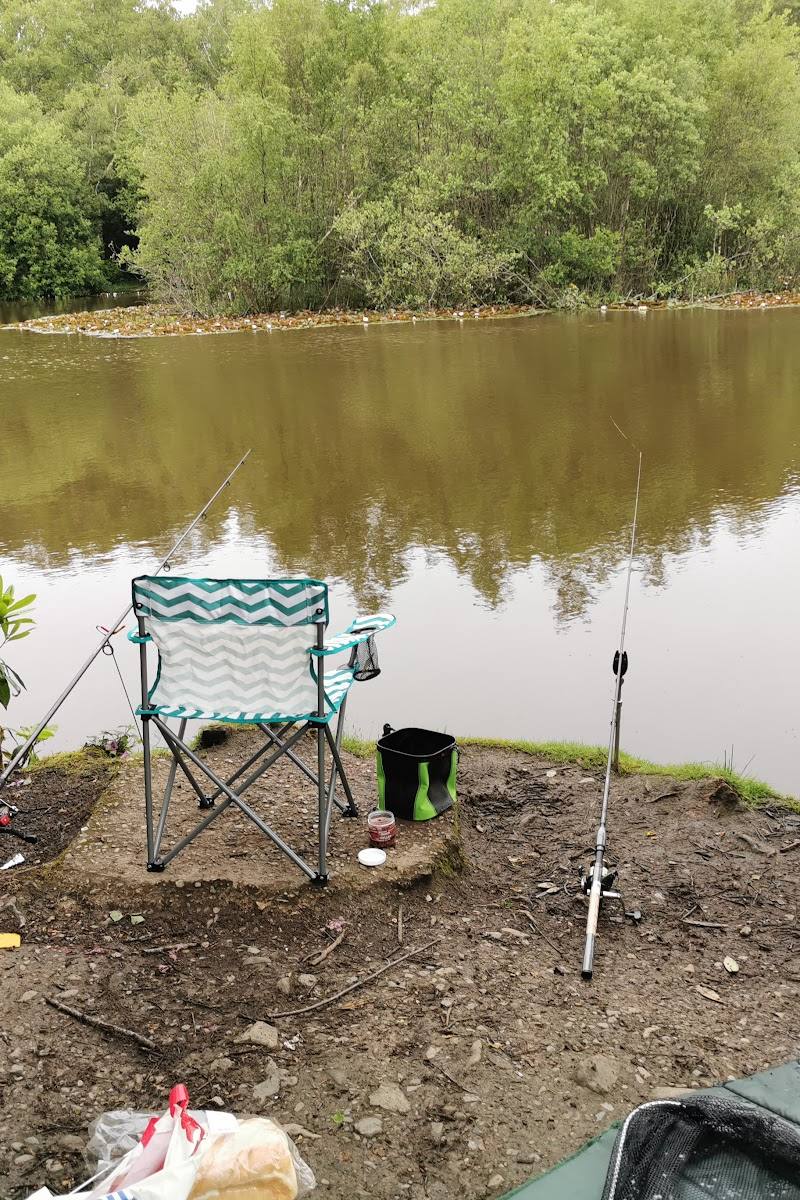
Bron Eifion Fishing Lakes & Lodges
Near Criccieth, Gwynedd, North Wales
12.1 km away
 Place photograph6.4
Llyn Cwm-mynach
Cwm Mynach, near Bontddu and Dolgellau, Gwynedd, North Wales
12.2 km away
 Place photograph7.4
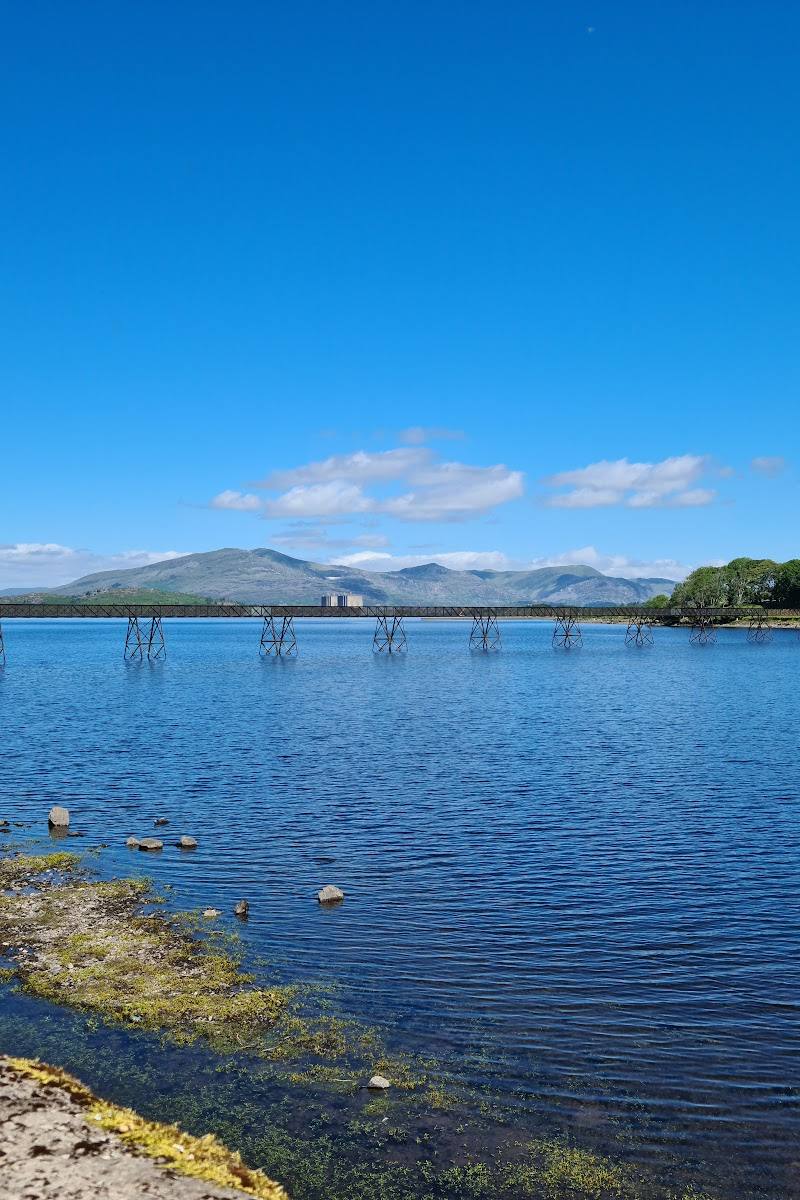
Tanygrisiau Reservoir
Tanygrisiau, near Blaenau Ffestiniog, Gwynedd, North Wales
16.5 km away