Cambuskenneth, Stirling, FK9 5NG, Scotland
Cambuskenneth Abbey
Abbey
Place photograph
5.7
Wildland
Under 1 hour
Time
Check
Cost
Atmospheric
Feel
Why it's Wildland
5.7A distinctive medieval bell tower stands amid the traces of a royal abbey: a place where Robert the Bruce held parliaments and where James III and Margaret of Denmark were buried.
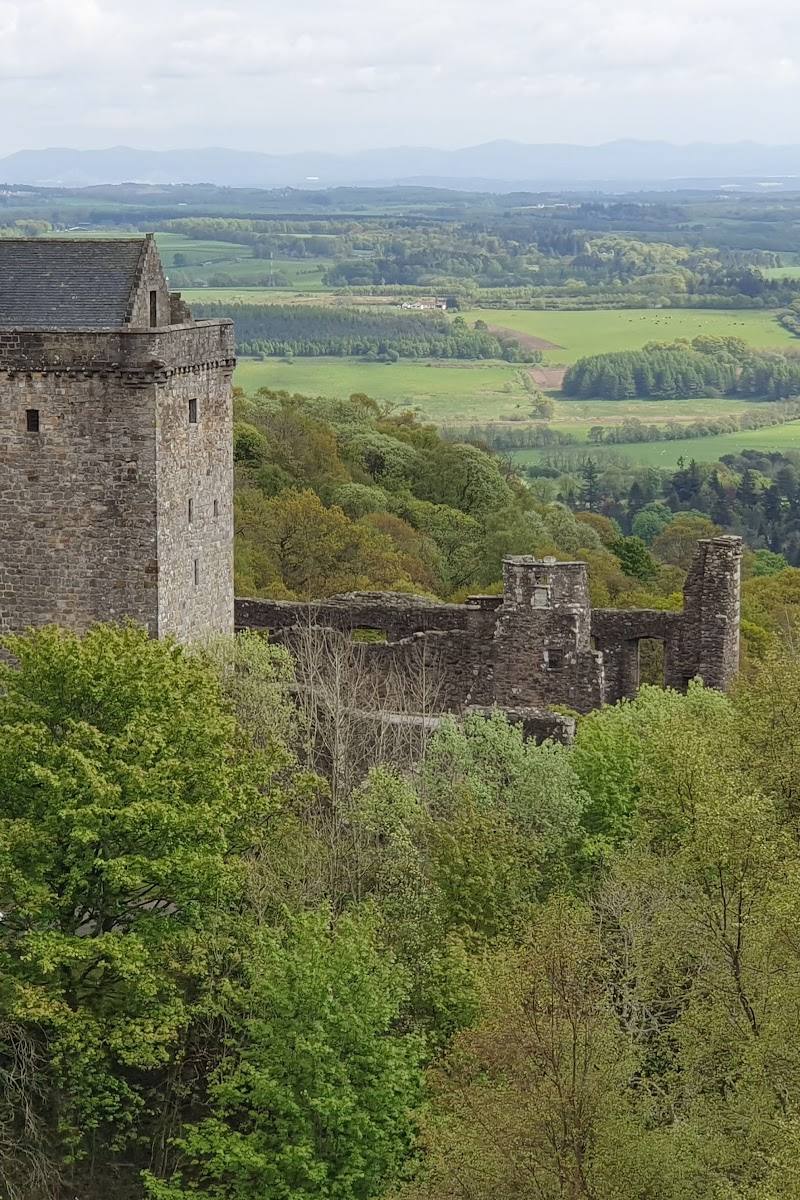
Cambuskenneth is not a wild landscape, but its surviving tower, ground-level traces of the vanished abbey and royal tomb make for an unusually atmospheric encounter with Scottish history. The remains sit close to Stirling yet feel set apart in the village.
Atmospheric · Ancient-feeling
Find your way
Open mapCambuskenneth, Stirling, FK9 5NG, Scotland
Opening map…
Know this place a little better?
The experience
Explore the surviving bell tower, the visible traces of the abbey’s former buildings and the royal tomb. The site is seasonally open, so confirm access before setting out.
Things to do
Study the bell tower
Look up at the tower’s lancet windows and ornamental arcades. Historic Environment Scotland describes it as an outstanding example of 13th-century architecture with no parallel in Scotland.
10–20 minutes
Find the royal tomb
Visit the tomb of James III and Margaret of Denmark, who were buried at the abbey in the 1480s.
5–15 minutes
Trace the lost abbey
Look for the stone courses that mark the former abbey church and other buildings. Most of the abbey no longer stands above ground.
10–20 minutes
Notice the carved stone details
The official gallery shows carved stone fragments, a carved face and figures on the tower, including a gargoyle. Look for these details where visible during your visit.
5–15 minutes
Make a day of it
Quick escape · Allow around 30–60 minutes; duration is an estimate, not a published visit time.
Quick Escape: Tower and royal tomb
- 01
Check the official listing for seasonal access before travelling.
- 02
Explore the standing bell tower and look for its lancet windows and ornamental arcades.
- 03
Find the tomb of James III and Margaret of Denmark, then look for the ground-level traces of the former abbey buildings.
Half day · Half day; travel and visit times vary.
Make a half day of it: Abbey and Stirling Castle
- 01
Check seasonal access at Cambuskenneth Abbey before setting out.
- 02
Explore the tower, royal tomb and surviving ground-level traces.
- 03
Continue to Stirling Castle, which Historic Environment Scotland describes as a short distance to the west; check its separate visitor information before travelling.
Verified history
King David I founded Cambuskenneth Abbey around 1140 to serve Stirling Castle. Robert the Bruce held parliaments at the abbey in 1314 and 1326. James III and Margaret of Denmark were buried here in the 1480s. The surviving bell tower is a notable example of 13th-century architecture.
Folklore & legend
A secondary account describes a spooky reputation for parts of the ruins, but the supplied material does not establish a specific legend or its origins. Treat this as an unverified local reputation, not historical fact.
Hidden details
The abbey’s footprint — The church and cloister have largely disappeared, but stone courses at ground level mark parts of the former complex.
Look closely at the tower carvings — Historic Environment Scotland’s gallery identifies carved stonework, a carved face and a gargoyle among the site’s details.
When to go
· No preferred time is evidenced. Check seasonal opening before visiting.
The supplied official source describes the abbey as seasonally open but does not establish specific months or seasonal highlights.
Weather-specific advice is not available in the supplied sources. Check conditions before travelling.
Worth pairing with
Stirling Castle
Historic Environment Scotland describes the castle as a short distance west of the abbey, making it a supported pairing for a longer history-focused visit. Check the castle’s own visitor information.
What to look for
Notice the bell tower’s lancet windows and ornamental arcades, the ground-level stone courses marking the lost abbey buildings, and the tomb of James III and Margaret of Denmark. The official listing also highlights carved stonework and a gargoyle.
The story
Royalty, Saints & pilgrimage, War & battle
Best time to go
Check seasonal opening before visiting; no best season is established by the supplied sources.
No particular time of day is established by the supplied evidence. Check the official listing for seasonal access and opening information.
How long to spend
Under 1 hour
Perfect for
History lovers · Walkers · Photographers
Before you go
Address
Website
Listed hours
- Monday: 9:30am-5:30pm
- Tuesday: 9:30am-5:30pm
- Wednesday: 9:30am-5:30pm
- Thursday: 9:30am-5:30pm
- Friday: 9:30am-5:30pm
- Saturday: 9:30am-5:30pm
- Sunday: 9:30am-5:30pm
Check before visiting.
Google rating
Practical information
Opening & access
Historic Environment Scotland lists the abbey as seasonally open; access and opening arrangements can vary. Check the official listing before travelling. The supplied map pin marks the site, not an entrance. Access arrangements are unconfirmed. Check before visiting; do not enter private land or restricted structures.
Check before visiting
Parking
The source row reports free street parking, but the exact parking location and availability are not verified. Avoid blocking residents’ access and check before visiting.
Check before visiting
Toilets
Check before visiting.
Check before visiting
Food & drink
Check before visiting.
Check before visiting
Dogs
Check before visiting.
Check before visiting
Accessibility
The source row reports that the entrance is not wheelchair accessible. Other route and surface details are not verified; check before visiting.
Check before visiting
Cost
Check before visiting
Check before visiting
Water
River
Gallery
Place photographsKeep exploring
Around Cambuskenneth Abbey
Within 50 km · approximate straight-line distances