8.4
Wildland
1–2 hours
Time
Check
Cost
Wild
Feel
Why it's Wildland
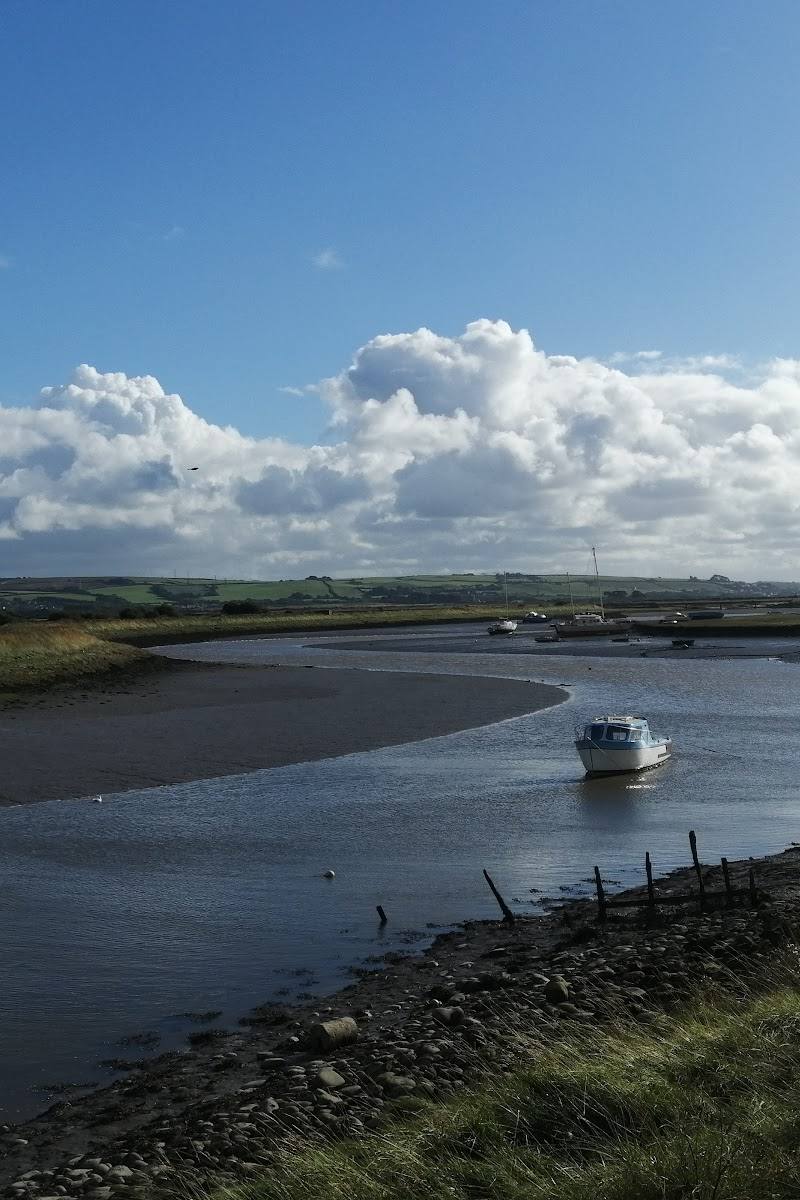
8.4Behind Saunton’s sands lies a vast, shifting dune landscape: internationally recognised for its wildlife and also used as a military training ground during the Second World War.
Braunton Burrows is more than a route to the beach. Its scale, rolling dunes and varied wildlife habitats give the landscape a distinctive sense of openness, while its wartime training history adds an unexpected human layer.
Wild · Big-sky · Peaceful
Find your way
Open mapBraunton, Devon
Opening map…
Know this place a little better?
The experience
Explore the dune paths on foot, taking time to notice how the landscape changes between open sand, grassy hollows and other habitats. Visit Devon describes seasonal wildflowers and wildlife, and says the Burrows provides access to Saunton Sands. Treat the wartime story as part of the landscape’s history, not a reason to leave paths or disturb any historic features.
Things to do
Follow the paths through the dunes
Walk the network of paths through rolling dunes, grassy hollows and wildflower areas. The supplied sources do not provide a verified circuit or route distance.
Look for seasonal flowers and wildlife
Visit Devon reports wildflowers, including rare orchids, and wildlife such as butterflies, dragonflies and birds. Treat these as possible seasonal sightings, not guaranteed encounters.
Combine the dunes with Saunton Sands
Visit Devon describes direct access from the Burrows to Saunton Sands, making the beach a sourced extension to a dune walk. Check access conditions before setting out.
Explore the D-Day training story
The Braunton Countryside Centre lists a D-Day Military History Walk, and Visit Devon says parts of Braunton Burrows were used as military training ground for the D-Day landings. The supplied material does not give route details or identify surviving features to seek out.
Make a day of it
Quick escape · 1–2 hours
Quick Escape: a short dune wander
- 01
Check current access and conditions before setting out.
- 02
Follow the dune paths for a short out-and-back, taking in the changing landscape of open dunes and grassy hollows.
- 03
Pause to look for seasonal flowers, insects and birds without leaving the paths or disturbing wildlife.
Half day · Half day
Make a half day of it: dunes and Saunton Sands
- 01
Explore the dune paths on foot, allowing time to notice the different habitats.
- 02
Continue to Saunton Sands, which Visit Devon says can be reached directly from the Burrows.
- 03
Check current access arrangements and conditions before visiting; facilities and refreshments are not confirmed in the supplied sources.
Verified history
Visit Devon states that parts of Braunton Burrows were used as a military training ground during the Second World War for the D-Day landings. The Braunton Countryside Centre also lists a D-Day Military History Walk. The supplied sources do not provide further dates, named units or specific surviving wartime features.
Hidden details
A wartime landscape behind the beach — The dunes’ history includes military training for the D-Day landings. The supplied sources do not establish which traces, if any, remain visible, so do not assume there are features to find.
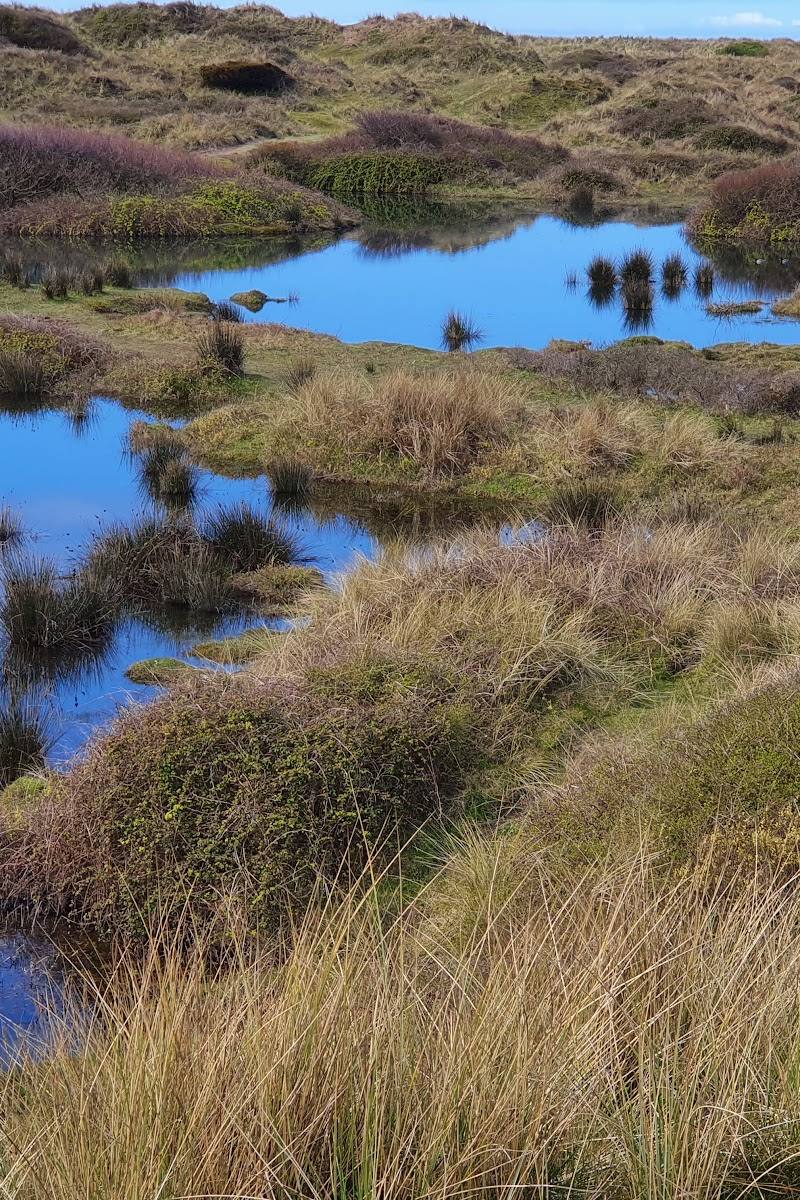
Look closely at the changing habitats — Visit Devon describes a mosaic of dunes, grassland, wetlands and scrub. Watch for transitions between these habitats rather than expecting the whole landscape to be bare sand.
When to go
· Not specified in the supplied sources.
Visit Devon describes seasonal wildflowers and wildlife, including rare orchids, butterflies, dragonflies and birds, but the supplied evidence does not identify peak months.
Weather and ground conditions are not described in the supplied sources. Check local conditions before visiting.
The route
- Rolling dune landscape
- Grassy hollows and varied habitats
- Seasonal flowers and wildlife
- Access to Saunton Sands described by Visit Devon
Worth pairing with
Saunton Sands
A directly relevant extension to a Burrows visit: Visit Devon says the dune reserve provides direct access to Saunton Sands. Check current access conditions.
What to look for
- 01
Notice the transitions between open dunes, grassy hollows, meadows, wetlands and scrub. Visit Devon reports wildflowers, including rare orchids, as well as butterflies, dragonflies and birdlife
- 02
sightings and flowering vary by season.
The story
Second World War military training associated with the D-Day landings
Best time to go
Seasonal wildlife and flowers are noted by Visit Devon, but specific peak months are not supplied.
Visit Devon describes seasonal wildlife and flowers, but the supplied sources do not identify a best month or time of day. Check local conditions before setting out.
How long to spend
1–2 hours
Perfect for
Walkers · Wildlife lovers · Photographers
Before you go
Address
Google rating
Practical information
Opening & access
A large dune landscape behind Saunton Beach, with walking paths and access to the beach described by Visit Devon. Check current access arrangements before visiting.
Check before visiting
Parking
Check before visiting
Check before visiting
Toilets
Check before visiting
Check before visiting
Food & drink
Check before visiting
Check before visiting
Dogs
Check before visiting
Check before visiting
Accessibility
Terrain and path accessibility are not specified in the supplied sources; check before visiting.
Check before visiting
Cost
Check before visiting
Check before visiting
Water
Sea
Gallery
Place photographs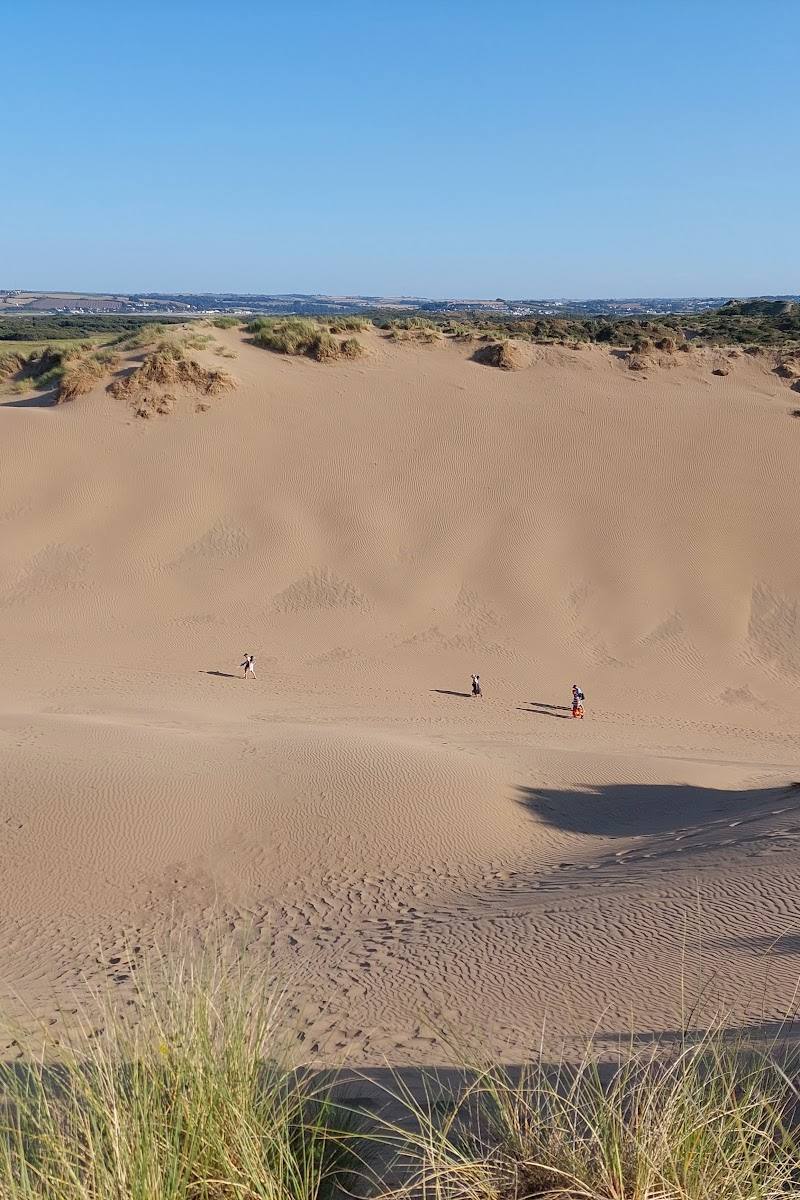
Keep exploring
Around Braunton Burrows
Within 50 km · approximate straight-line distances
 Place photograph6.2
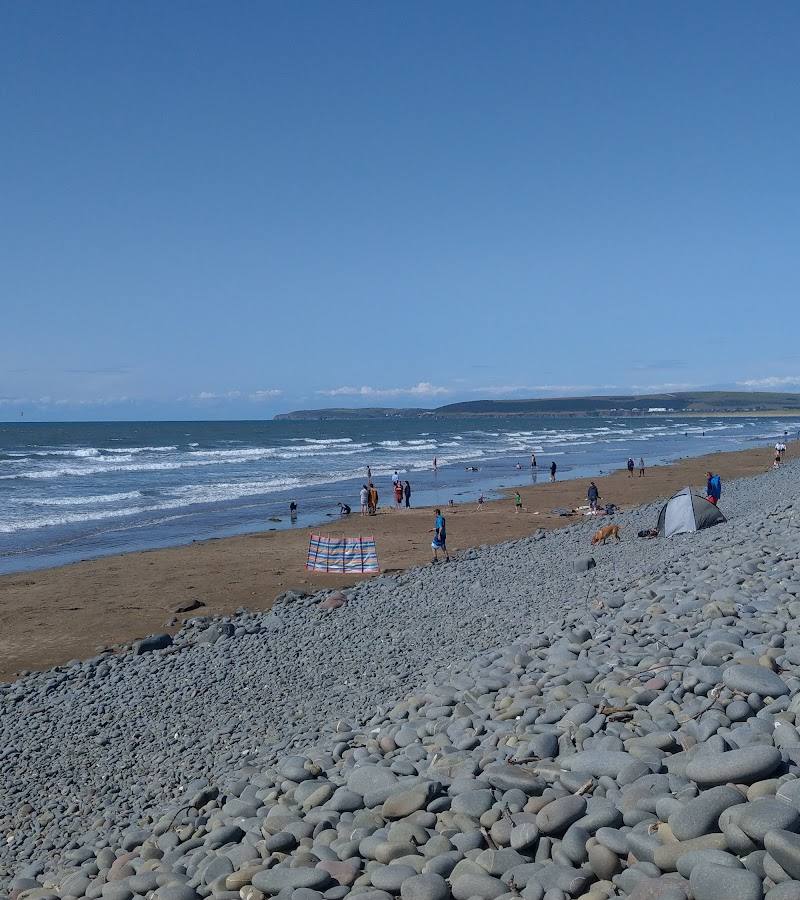
Sandymere Beach
Northam Burrows Country Park, near Westward Ho!, Bideford EX39 1XS
4.7 km away


 Place photograph5.6
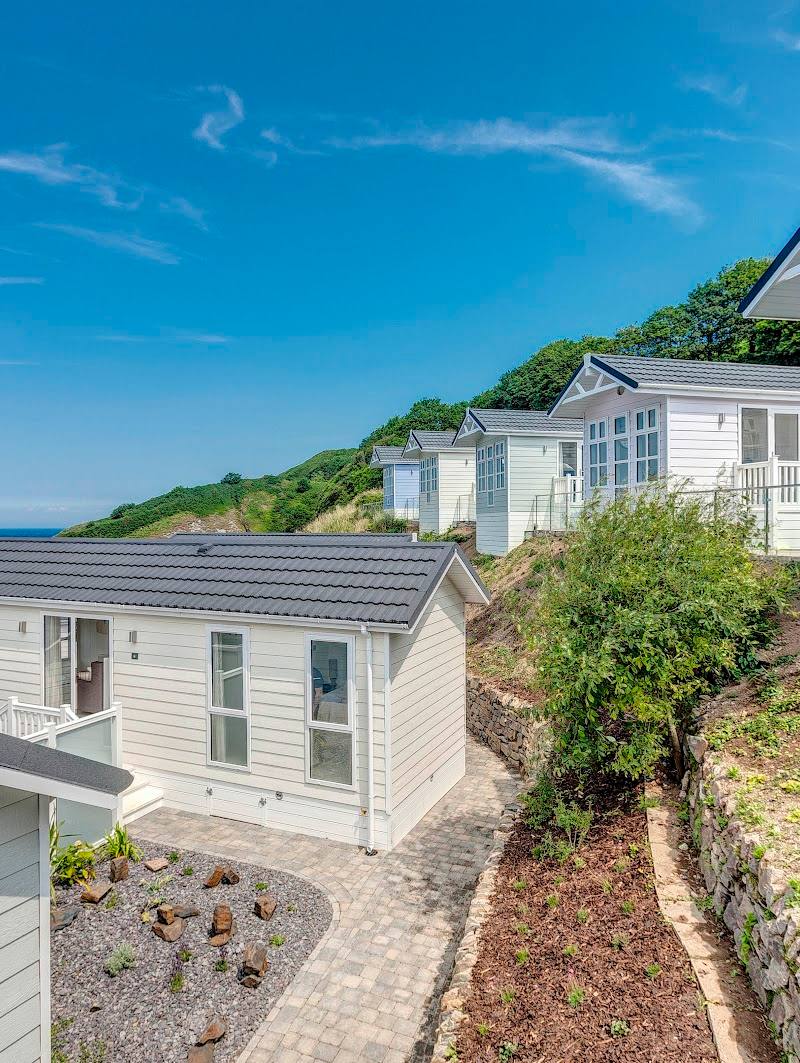
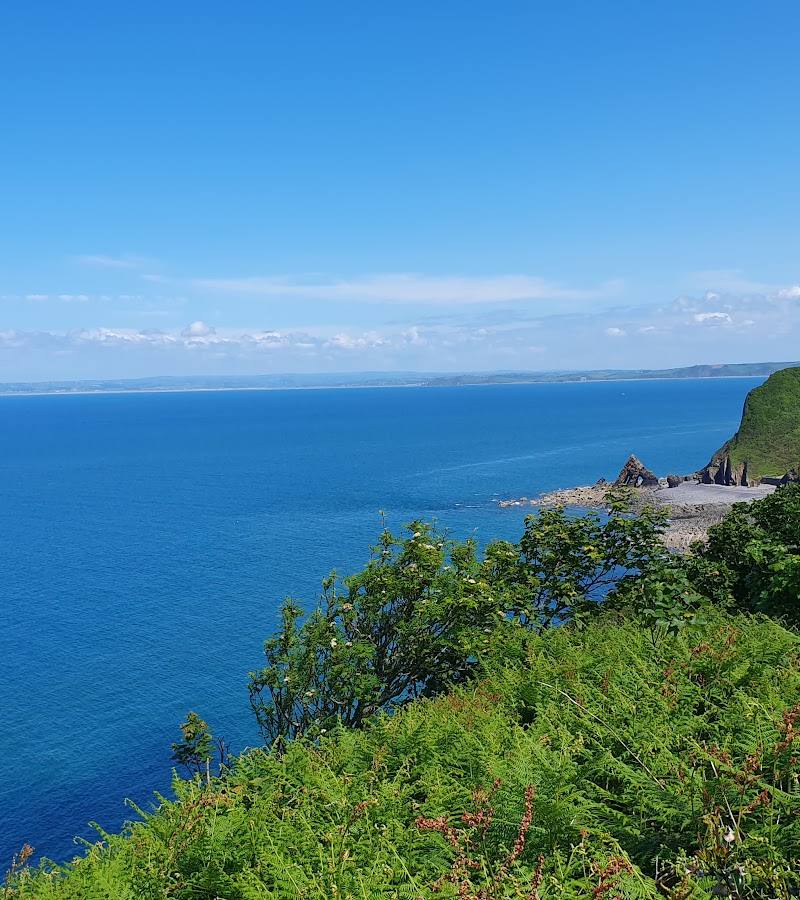
Exmoor Zoological and Conservation Centre
Bratton Fleming, near Barnstaple, North Devon
20.5 km away