Blue House Farm Chase, North Fambridge, Essex CM3 6GU
Blue House Farm
Mixed-habitat reserve
Place photograph
7.1
Wildland
1–2 hours
Time
Check
Cost
Big-sky
Feel
Why it's Wildland
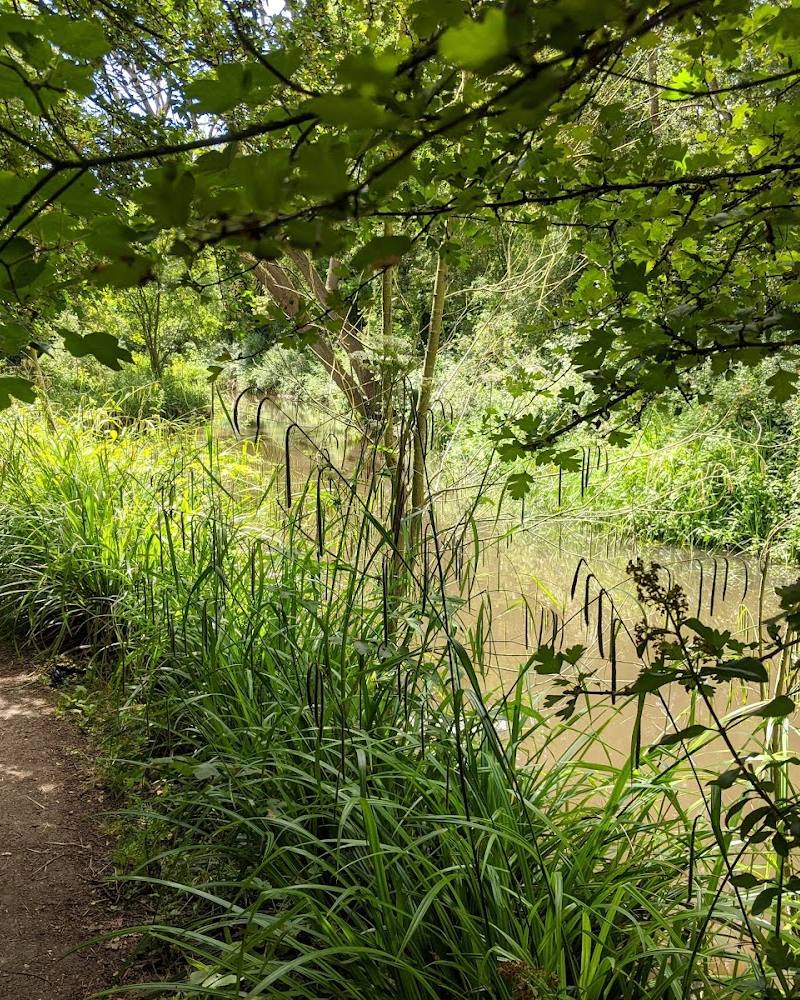
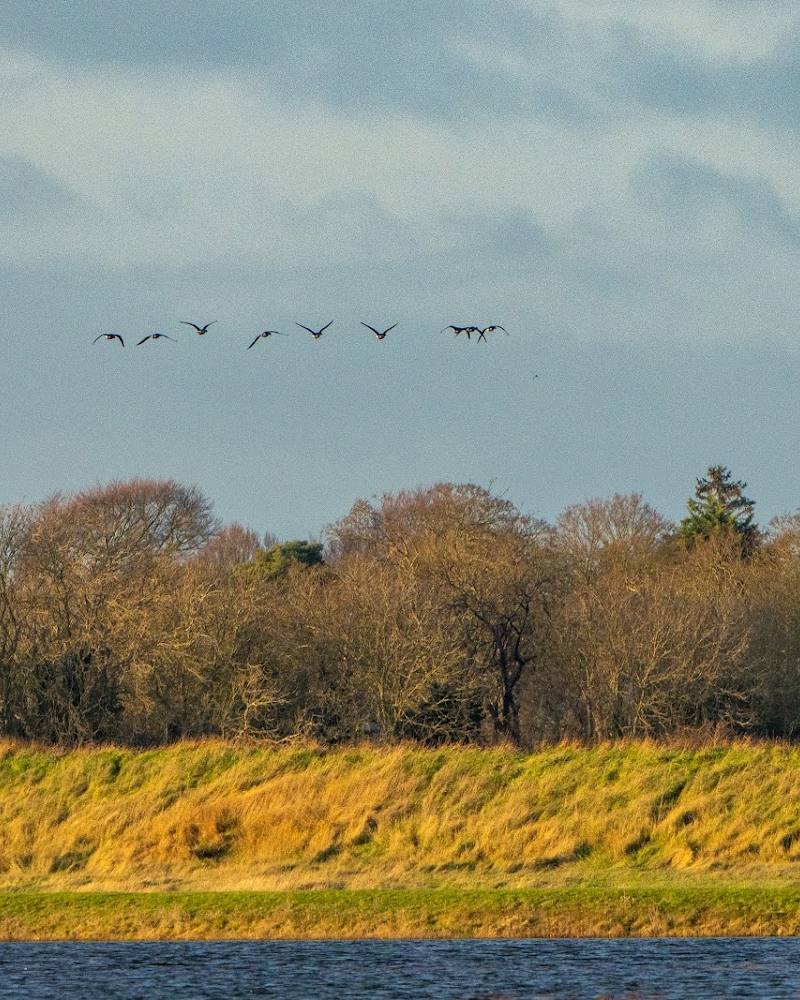
7.1Once saltmarsh, this working coastal farm became grazing pasture behind sea walls. Its wet fields, reedbeds and scrapes now support wintering geese and waders, with three hides offering views into the reserve’s wetlands.
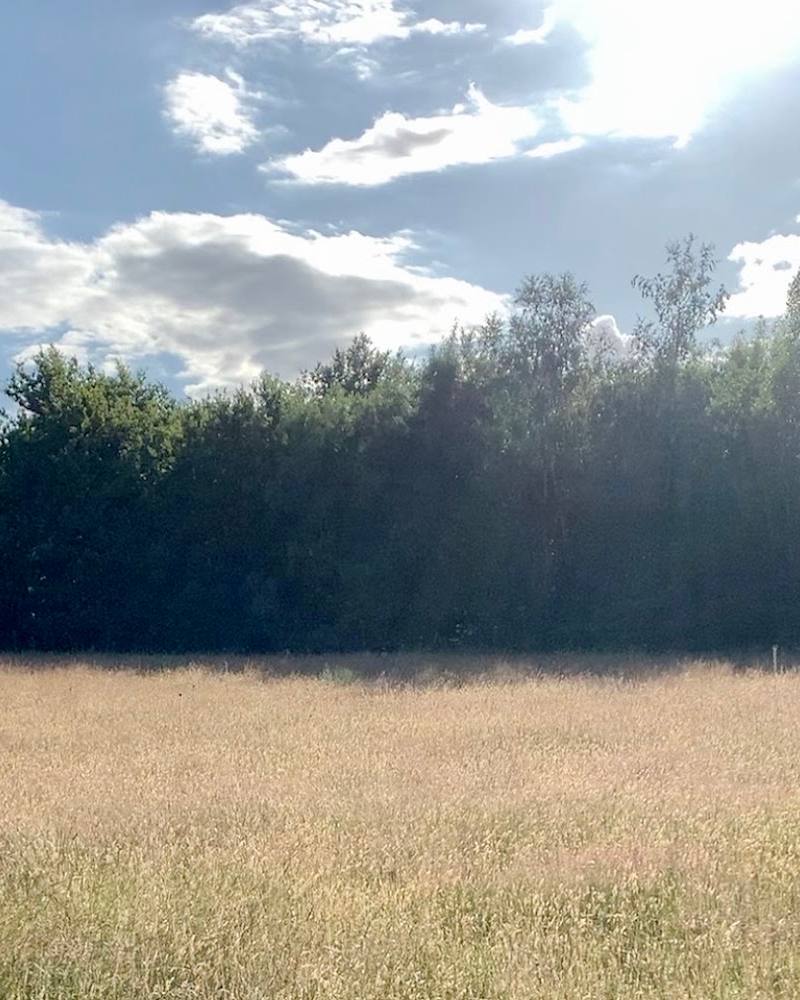
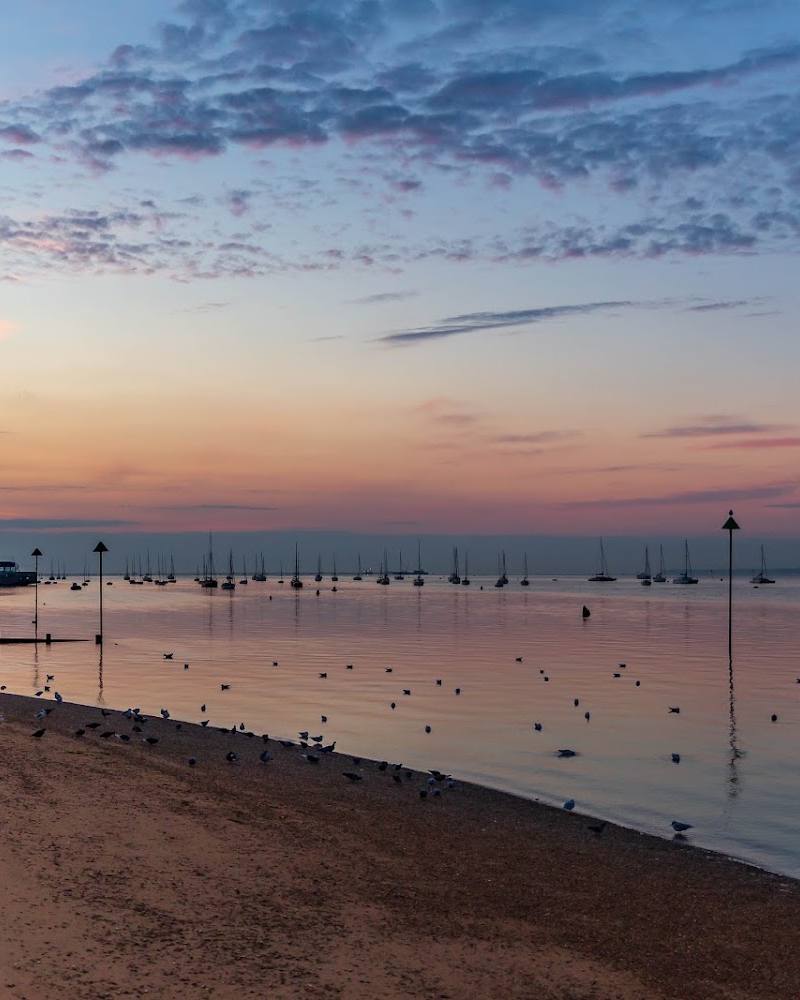
Blue House Farm brings the working Essex coast into close view: old sea-defence walls, grazing marsh and flooded scrapes make a distinctive setting for watching seasonal birdlife. The strongest visit is a quiet circuit between the hides, with winter geese or migrating waders as the reward.
Big-sky · Wild · Peaceful
Find your way
Open mapBlue House Farm Chase, North Fambridge, Essex CM3 6GU
Opening map…
Know this place a little better?
The experience
Follow the permissive loop from the car park past the bird hides, taking time to scan the scrapes and grazing fields. The reserve’s character shifts with the seasons: winter brings large flocks of Brent Geese and waders, while migration periods offer changing birdlife.
Things to do
Watch from the bird hides
Use the hides to look over wetland habitats and flooded scrapes; birdlife varies with season and water conditions.
Look for wintering Brent Geese
Scan the flat fields for winter flocks. The reserve’s virtual tour reports that the geese are present from October to March, with peak numbers in January.
Follow the permissive footpath loop
Walk from the car park past three bird hides, then connect with the public footpath along the sea wall.
About 5 km for the circular route reported by Birdingplaces
Notice the old counter walls
Look for the raised historic walls along parts of the footpath: they record efforts to reclaim land from the sea for agriculture.
Find the wind-powered pump
At Round Marsh, look for the wind-powered pump used to move water from the Fleets and raise the marsh water level.
Make a day of it
Quick escape · About 1–2 hours; check current route conditions
Quick Escape: hide-to-hide birdwatch
- 01
Start at the reserve car park and follow the permissive footpath.
- 02
Visit the bird hides and pause to scan the flooded scrapes and grazing fields.
- 03
Return by the permissive route or, if extending the walk, connect with the public footpath along the sea wall.
Half day · Allow a half day; exact duration depends on the route taken
Make a half day of it: wetlands, sea wall and village connection
- 01
Walk the reserve’s reported circular route from the car park, stopping at the three hides.
- 02
Continue onto the public footpath along the sea wall if conditions and available time suit.
- 03
North Fambridge railway station is reported as walkable from the reserve; check the current route and transport before setting out.
Verified history
The farm was originally largely saltmarsh. Sea walls were built to reclaim land, which was then used as grazing pasture; some higher fields are now used for crops. Historic counter walls remain across the reserve, and the path runs over one section. Blue House Farm is part of the River Crouch Marshes SSSI, noted in the supplied Visit Essex source for wetland birds and rare water beetles.
Hidden details
The path follows a former sea-defence landscape — Parts of the permissive footpath are raised on historic counter walls built during efforts to reclaim land from the sea.
A wind pump shapes Round Marsh — The wind-powered pump moves water from the Fleets into Round Marsh; the supplied reserve tour says water levels are highest in winter.
Barn owl nest boxes by the footpath — The reserve tour describes a nest box visible from the footpath and says barn owls have nested successfully there. Observe quietly and keep to the path; sightings are not guaranteed.
When to go
January · February · March · April · May · September · October · November · December · Allow quiet time at the hides; dusk is mentioned in the reserve tour in connection with barn owl watching, but sightings are not guaranteed.
The supplied reserve tour reports Brent Geese from October to March, with peak numbers in January. Birdingplaces identifies spring and autumn migration as particularly good periods; birdlife changes through the year.
The landscape is open and flat; the reported trail can be wet and slippery. Check conditions before setting out.
The route
- surface
- Wide path reported; conditions can be wet and slippery
- distance
- About 5 km for the circular route reported by Birdingplaces
- difficulty
- Average walk, according to Birdingplaces
- route shape
- Circular; permissive footpath loop links three hides to the public footpath along the sea wall
- start point
- Car park on Blue House Farm Chase, by the reserve entrance noticeboard
- parking start
- A small gravel car park is reported at the reserve; check current arrangements.
- Three bird hides
- Flooded scrapes and grazing marsh
- Historic counter walls
- Round Marsh wind-powered pump
- Public footpath along the sea wall
What to look for
- 01
Scan Round Marsh for waders and waterfowl
- 02
look for Brent Geese over the flat fields in winter. Notice the raised historic counter walls beneath parts of the footpath and the wind-powered pump at Round Marsh.
The story
Coastal land reclamation and historic agricultural use; old counter walls remain along the permissive footpath.
Best time to go
October–March for wintering Brent Geese and waders; spring and autumn are also noted for migration.
Winter for Brent Geese and wintering waders; spring and autumn are highlighted for migration. Go quietly and allow time at the hides.
How long to spend
1–2 hours
Perfect for
Birdwatchers · Wildlife lovers · Walkers · Photographers
Before you go
Address
Phone
Website
Listed hours
- Monday: 9am-5pm
- Tuesday: 9am-5pm
- Wednesday: 9am-5pm
- Thursday: 9am-5pm
- Friday: 9am-5pm
- Saturday: Open 24 hours
- Sunday: Open 24 hours
Check before visiting.
Google rating
Practical information
Opening & access
Essex Wildlife Trust reserve with a permissive footpath loop linking three bird hides to the public footpath along the sea wall. Check current access conditions before visiting.
Check before visiting
Parking
A small car park is reported at the reserve entrance on Blue House Farm Chase; check current arrangements before travelling.
Check before visiting
Toilets
Check before visiting
Check before visiting
Food & drink
Check before visiting
Check before visiting
Dogs
Check current reserve guidance before visiting; livestock are reported in fields.
Check before visiting
Accessibility
The reserve is described as flat and open, but paths may be wet or slippery. Check current path conditions and accessibility before visiting.
Check before visiting
Cost
Check before visiting
Check before visiting
Water
Wetland scrapes and fleets, with tidal estuary and mudflats nearby; no water activity permission is evidenced.
Gallery
Place photographs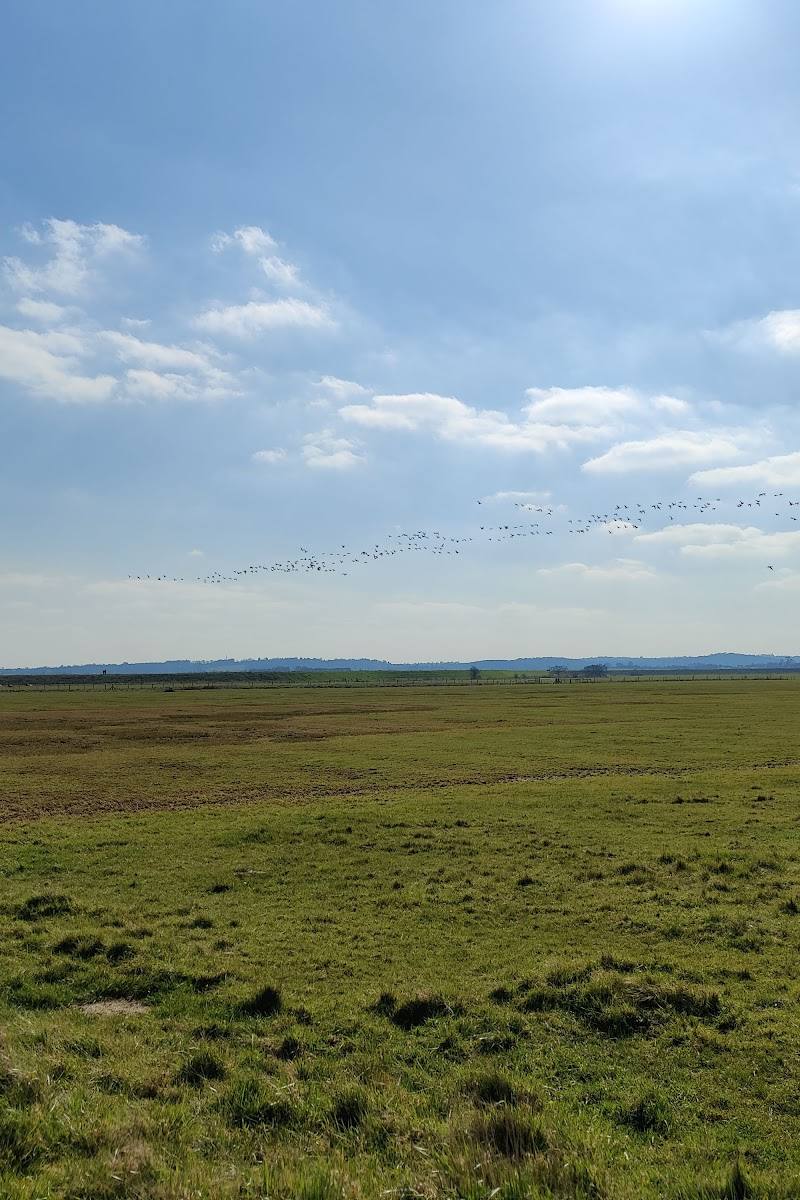

Keep exploring
Around Blue House Farm
Within 50 km · approximate straight-line distances