Thundersley, Benfleet, Essex SS7 2UW
Pound Wood Nature Reserve
Mixed-habitat reserve
Place photograph
7.2
Wildland
1–2 hours
Time
Check
Cost
Peaceful
Feel
Why it's Wildland
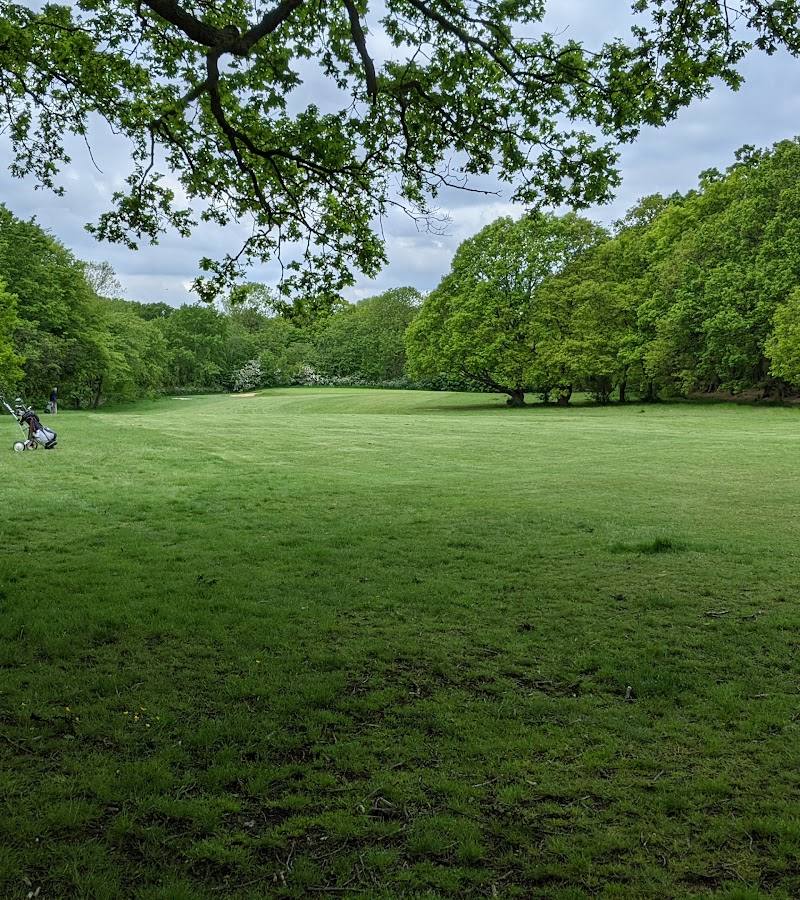
7.2One of South East Essex’s largest remaining areas of ancient woodland, with medieval woodbanks, ponds and dells. Its coppiced woodland also supports the heath fritillary, one of the UK’s rarest butterflies.
This is more than a pleasant patch of trees: ancient woodland, visible medieval boundaries and habitat restoration for a rare butterfly give Pound Wood a distinctive story. Visit in spring for the bluebells, or later in the April–July season for a chance to look for heath fritillaries.
Peaceful · Ancient-feeling
Find your way
Open mapThundersley, Benfleet, Essex SS7 2UW
Opening map…
Know this place a little better?
The experience
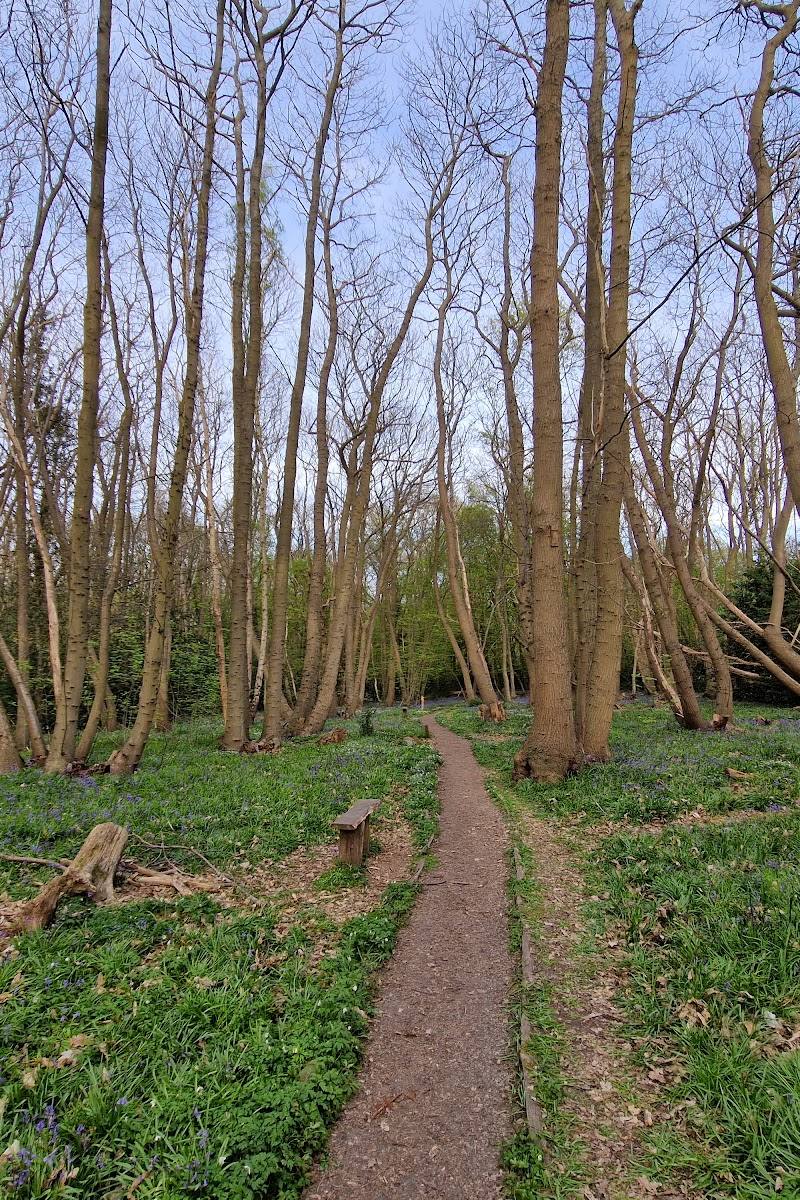
Follow the reserve’s circular gravel paths, taking time to notice the medieval woodbanks, ponds and dells. Spring is the strongest season for bluebells; keep to designated paths to reduce disturbance to wildlife.
Things to do
Follow the circular gravel paths
Explore the reserve on its circular gravel paths, keeping to the designated routes to minimise disturbance to wildlife.
Look for medieval woodbanks
Notice the woodland banks identified by Essex Wildlife Trust as medieval features.
See the spring bluebells
Essex Wildlife Trust describes a spring display of bluebells carpeting the woodland; exact peak dates vary.
Look out for heath fritillaries
The reserve’s habitat restoration, including coppicing, has helped the rare heath fritillary thrive. Look quietly from the paths; sightings are not guaranteed.
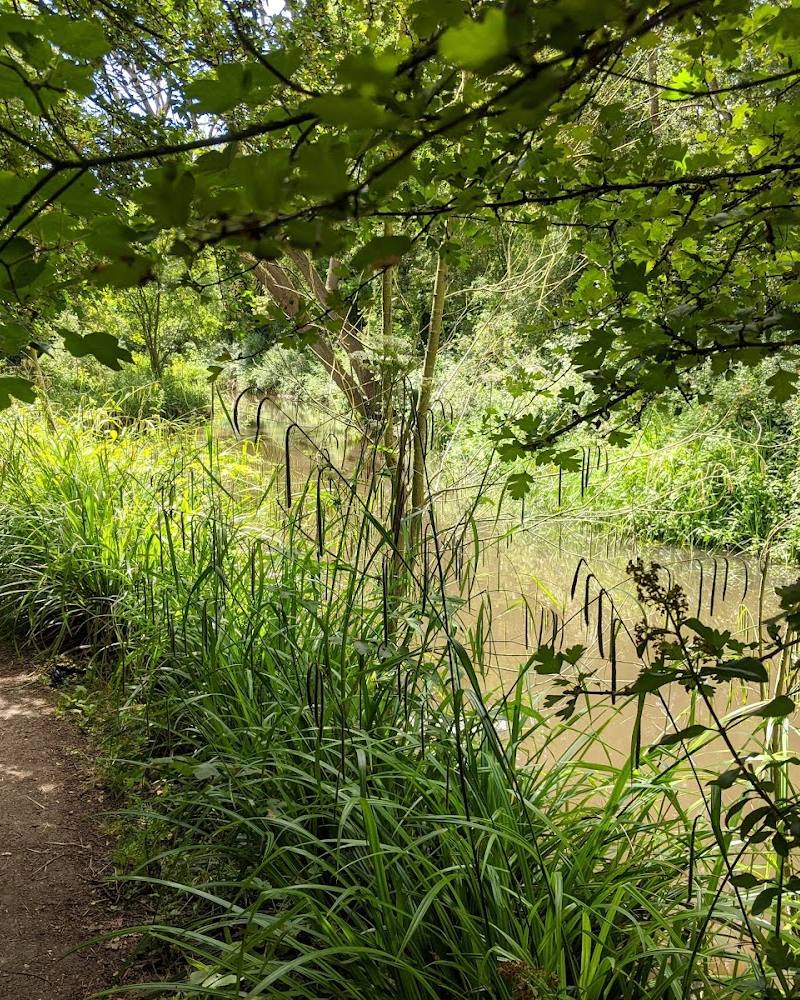
Explore the ponds and dells
Several ponds and dells are dotted through the woodland. Their presence does not establish permission for swimming or paddling.
Make a day of it
Quick escape · 1–2 hours
The woodland essentials
- 01
Use the reserve’s circular gravel paths for a short woodland visit.
- 02
Look for medieval woodbanks, ponds and dells along the way.
- 03
In spring, take in the bluebells while staying on designated paths.
Half day · Half day
A closer look at Pound Wood
- 01
Spend longer exploring the circular gravel paths rather than rushing through the reserve.
- 02
Compare the woodland’s ponds and dells with its medieval woodbanks.
- 03
Visit between April and July, when Essex Wildlife Trust recommends coming; spring is noted for bluebells.
- 04
Watch quietly for butterflies, including the heath fritillary, without leaving designated paths.
Verified history
The reserve contains examples of medieval woodbanks. Essex Wildlife Trust also records that the wood was once neglected and that habitat restoration, including coppicing, has been carried out to improve conditions for wildlife. The supplied evidence does not give further dates or historical detail.
Hidden details
Medieval boundaries in the trees — The medieval woodbanks are easy to overlook while walking; watch for raised linear banks within the woodland.
A rare butterfly linked to woodland management — Coppicing is part of the habitat restoration that has helped the heath fritillary thrive here. The species is rare, so treat it as a possibility rather than a promised sighting.
When to go
April · May · June · July · No specific time of day is given by the supplied source; check before visiting for current advice.
Essex Wildlife Trust lists April to July as the best time to visit and notes a spring bluebell display. Exact flowering and butterfly timings can vary.
Check current conditions before visiting; paths may be affected by weather. No specific weather guidance is provided in the supplied evidence.
What to look for
Look for the raised lines of medieval woodbanks, woodland ponds and dells, spring bluebells and, with luck, heath fritillaries. The butterfly is rare, so a sighting is not guaranteed.
The story
Ancient woodland; medieval woodbanks.
Best time to go
April–July; spring brings bluebells, while the reserve identifies this as its best visiting season.
April to July, as recommended by Essex Wildlife Trust. Spring is particularly rewarding for the bluebell display.
How long to spend
1–2 hours
Perfect for
Walkers · Wildlife lovers · Photographers
Before you go
Address
Phone
Website
Listed hours
- Monday: Open 24 hours
- Tuesday: Open 24 hours
- Wednesday: Open 24 hours
- Thursday: Open 24 hours
- Friday: Open 24 hours
- Saturday: Open 24 hours
- Sunday: Open 24 hours
Check before visiting.
Google rating
Practical information
Opening & access
Essex Wildlife Trust says the reserve is accessible at all times. Keep to the designated paths to minimise disturbance to wildlife.
Parking
No car park. Check before visiting for alternative parking and the best access point.
Check before visiting
Toilets
Check before visiting.
Check before visiting
Food & drink
Check before visiting.
Check before visiting
Dogs
Dogs should be under effective control.
Accessibility
The source row says the car park and entrance are not wheelchair-accessible. Check current path conditions and access arrangements before visiting.
Check before visiting
Cost
Check before visiting
Check before visiting
Water
Ponds; no evidence that swimming or paddling is permitted.
Gallery
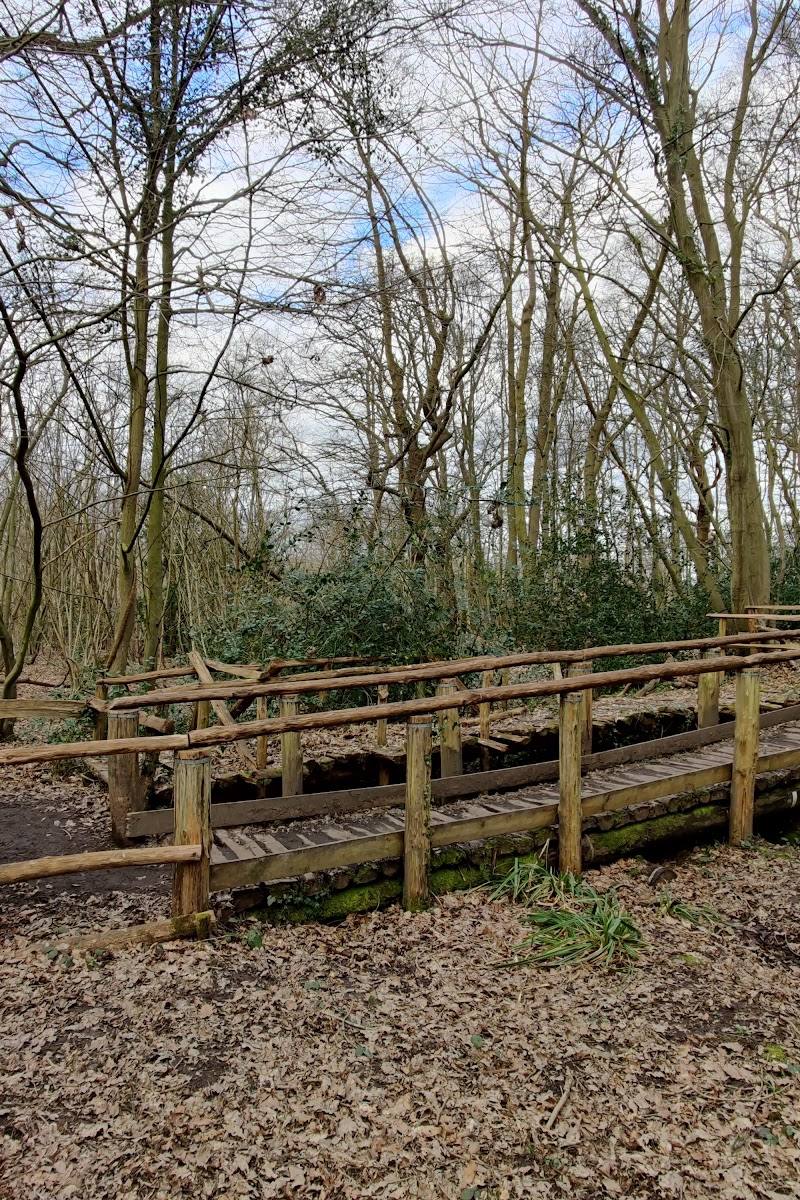
Place photographs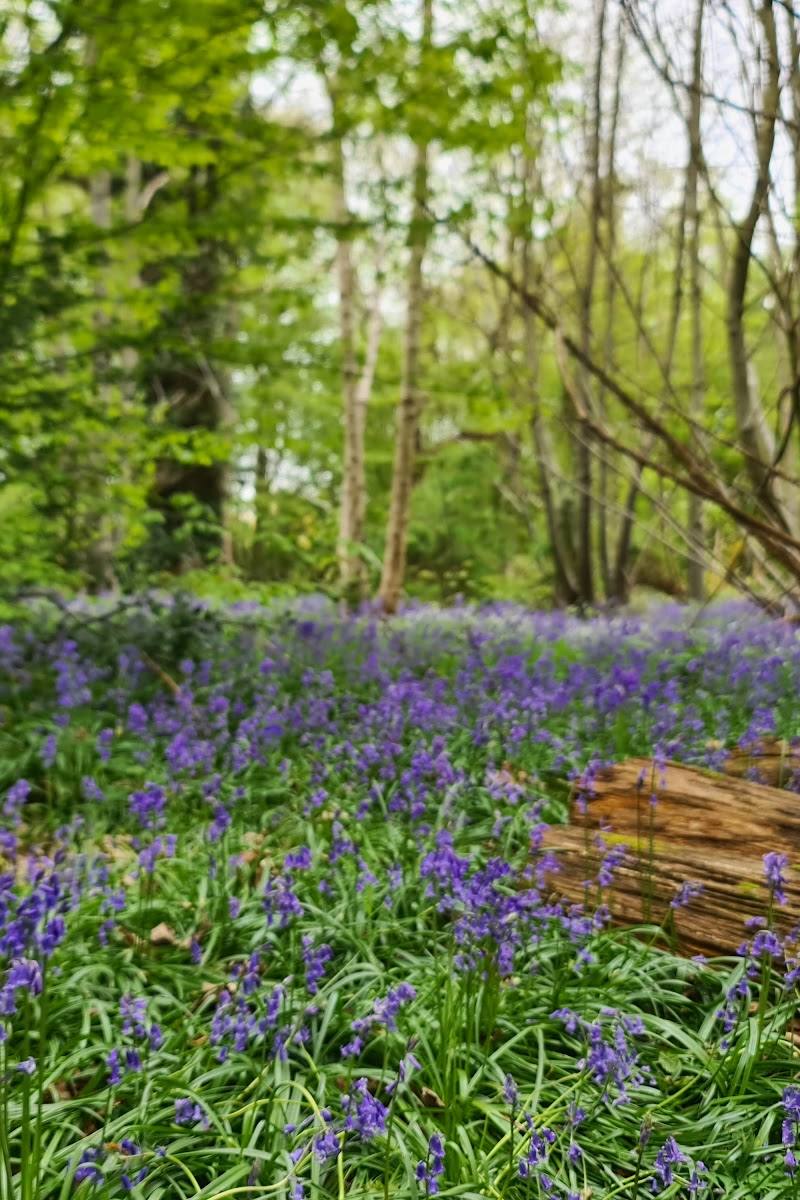
Keep exploring
Around Pound Wood Nature Reserve
Within 50 km · approximate straight-line distances