Two Tree Island, Leigh-on-Sea, Essex SS9 2GB
Leigh National Nature Reserve
Mixed-habitat reserve
Source image
6.3
Wildland
1–2 hours
Time
Free car parking reported
Cost
Wild
Feel
Why it's Wildland
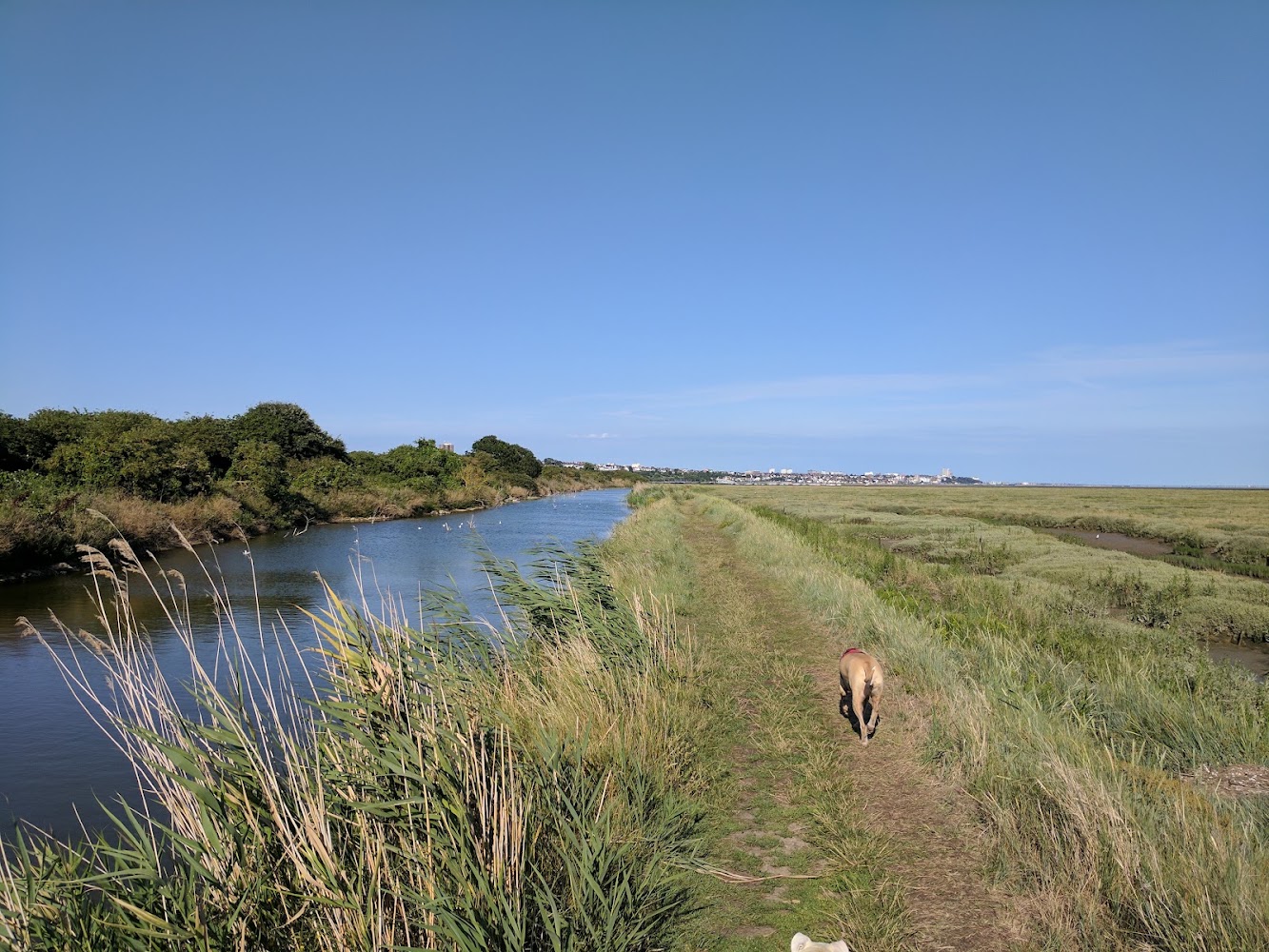
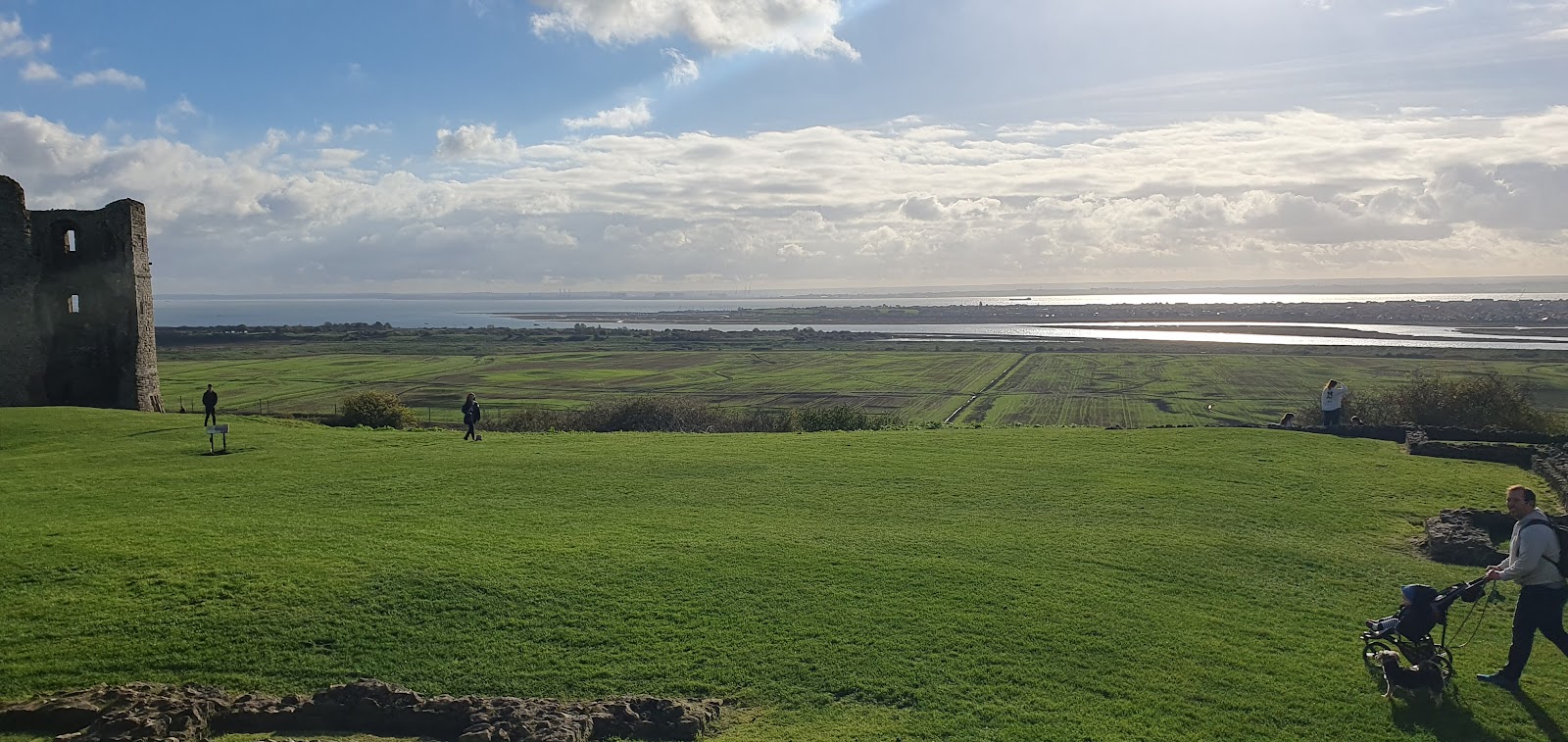
6.3A broad Thames Estuary reserve of saltmarsh, mudflats, lagoon and wetland, with winter flocks gathering over the eel-grass and at Lagoon Hide.
The draw here is the changing estuary landscape and its winter birdlife: thousands of wildfowl and waders use the island, with a hide offering a closer look at the lagoon. It is a strong choice for a purposeful coastal walk and birdwatch, though tidal ground calls for care.
Wild · Big-sky · Peaceful
Find your way
Open mapTwo Tree Island, Leigh-on-Sea, Essex SS9 2GB
Opening map…
Know this place a little better?
The experience
Follow the marked tracks through the island’s gravel and grass paths, allowing time to watch the lagoon and estuary. In winter, look for wildfowl and waders from Lagoon Hide. Stay alert to tidal mudflats and saltmarsh, and check current conditions before setting out.
Things to do
Walk the marked reserve trails
Explore approximately 6 km of gravel and grass paths. Keep to marked tracks to avoid disturbing nesting birds.
Variable
Watch the lagoon from Lagoon Hide
Look across the lagoon for waders including curlew, dunlin, avocet, redshank and black-tailed godwit, especially in winter.
Scan the estuary mudflats for winter birds
Watch for wildfowl and waders over the mudflats. Essex Wildlife Trust notes that eel-grass beds provide feeding habitat for dark-bellied brent geese.
Look for grazing cattle
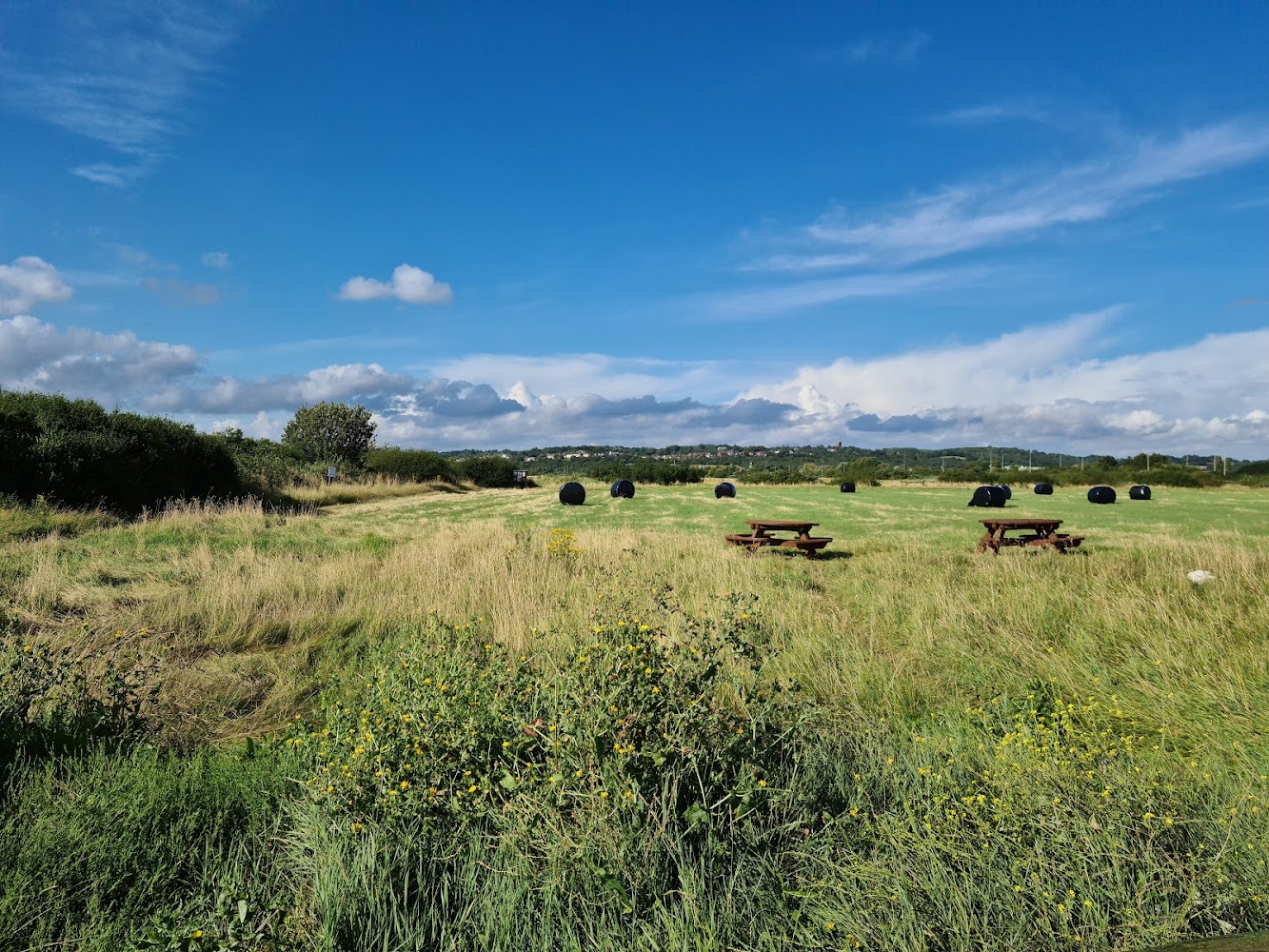
Cattle graze on the reserve from June to November; give them space and follow any on-site guidance.
Make a day of it
Quick escape · About 1 hour; exact duration depends on the route chosen.
Quick escape: lagoon and estuary
- 01
Start from the reserve access at Belton Way, by Leigh-on-Sea railway station; check the entrance and route before setting off.
- 02
Follow marked tracks through the gravel and grass paths towards the lagoon and bird hide.
- 03
Pause to scan the lagoon and surrounding estuary for birds, then return by a suitable marked track.
- 04
Stay clear of tidal mudflats and saltmarsh, and keep dogs under control.
Half day · Half day; no fixed route duration verified.
Make a half day of it: walk the island and watch the birds
- 01
Allow time to explore the reserve’s approximately 6 km of trails, following marked tracks.
- 02
Visit the Lagoon Hide and spend time watching the lagoon and mudflats.
- 03
Look for wintering wildfowl and waders; bring binoculars if you have them.
- 04
Check tide and current conditions, and take care around mudflats, saltmarsh and water.
Verified history
Essex Wildlife Trust says the land was reclaimed from the sea in the 18th century by building a seawall around the saltmarsh, after which it was used for farming. It is now managed as a nature reserve. No more detailed history is established by the supplied sources.
Hidden details
Eel-grass feeding grounds — The mudflats provide habitat for eel-grass, which Essex Wildlife Trust identifies as a food source for dark-bellied brent geese.
The Lagoon Hide’s winter visitors — The hide is a useful place to look for several wader species, including avocet and black-tailed godwit, among winter flocks.
When to go
December · January · February · No specific time of day is verified. Choose a visit that suits current tide and weather conditions, and check before travelling.
The reserve is described as a year-round visit, with winter offering a particular opportunity to see large numbers of wildfowl and waders. Cattle graze from June to November.
The reserve is tidal, with mudflats, saltmarsh and water bodies; take care and check current conditions. Paths include grass as well as gravel.
What to look for
- 01
Winter flocks over the mudflats and eel-grass
- 02
at Lagoon Hide, look for curlew, dunlin, avocet, redshank and black-tailed godwit. The reserve source also mentions the possibility of seeing a short-eared owl hunting.
The story
18th-century sea reclamation and farming; now a nature reserve.
Best time to go
All year; winter is especially rewarding for wildfowl and waders.
Winter for the largest variety and numbers of wildfowl and waders. Essex Wildlife Trust recommends the reserve year-round; a calm, clear day may make estuary watching more comfortable.
How long to spend
1–2 hours
Perfect for
Walkers · Wildlife lovers · Photographers · Families
Before you go
Address
Phone
Website
Listed hours
- Monday: Open 24 hours
- Tuesday: Open 24 hours
- Wednesday: Open 24 hours
- Thursday: Open 24 hours
- Friday: Open 24 hours
- Saturday: Open 24 hours
- Sunday: Open 24 hours
Check before visiting.
Google rating
Practical information
Opening & access
Essex Wildlife Trust says Two Tree Island Nature Reserve is accessible at all times. Keep to marked tracks, and take care around tidal mudflats, saltmarsh and water. The supplied main-place pin is not an entrance or parking pin.
Parking
Essex Wildlife Trust reports a free car park for 30 cars. Its reserve location is Belton Way, by Leigh-on-Sea railway station; the supplied Google pin is not an entrance or parking pin.
Toilets
Check before visiting
Check before visiting
Food & drink
Check before visiting
Check before visiting
Dogs
Dogs must be under effective control. From March to September, keep them under control to avoid disturbing ground-nesting birds; use the bins provided for dog waste.
Accessibility
The source row reports a wheelchair-accessible car park, but trail accessibility and accessible facilities are not verified. Paths are described by Essex Wildlife Trust as a mixture of gravel and grass.
Cost
Free car parking reported; other costs not verified.
Water
Saltmarsh, mudflats, lagoon and estuary. No swimming or paddling permission is established by the supplied evidence.
Gallery
Place photographsKeep exploring
Around Leigh National Nature Reserve
Within 50 km · approximate straight-line distances
 Source image5.2
Bell Wharf Beach
High Street, Leigh-on-Sea, SS9 2DN. The source row also gives SS9 2EN
1.4 km away
 Source image5.8
Little Haven Nature Reserve
Daws Heath Road, Thundersley, Benfleet, Essex SS7 2LH
4.2 km away