Wallasea Island, Rochford, Essex SS4 2HD
RSPB Wallasea Island
Mixed-habitat reserve
Source image
7.9
Wildland
Half day
Time
Check
Cost
Big-sky
Feel
Why it's Wildland
7.9Three million tonnes of earth excavated for London’s Elizabeth line tunnels were brought by ship to Wallasea to help create new saltmarsh, mudflats and lagoons—including the 115-hectare Jubilee Marsh.
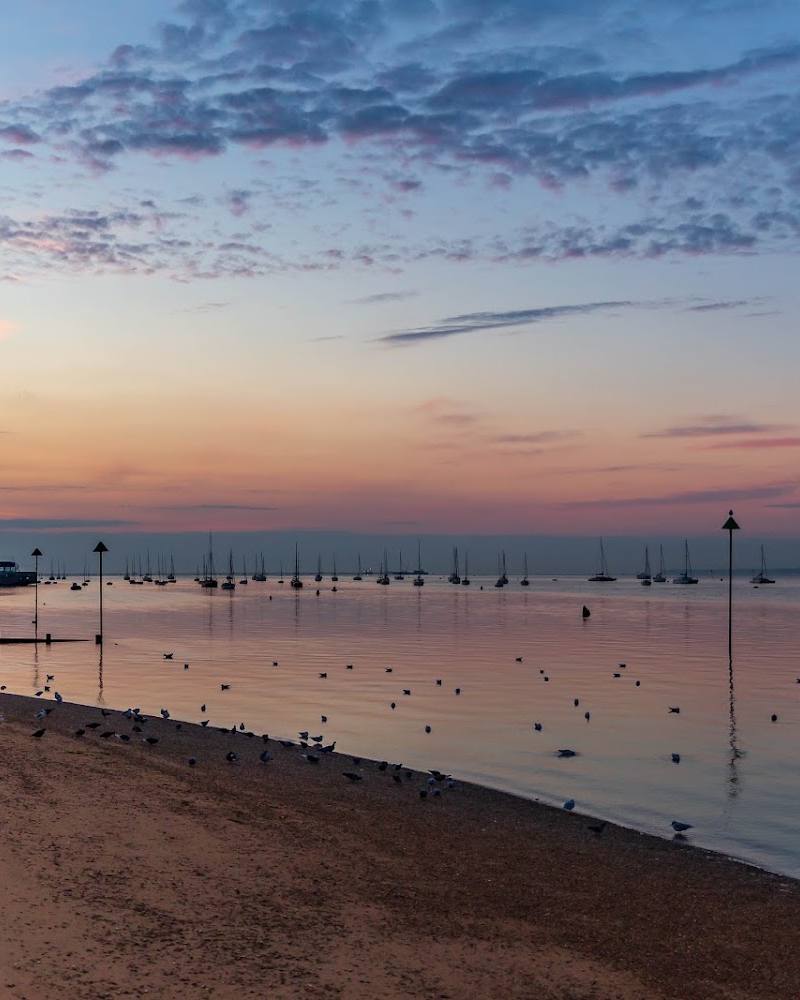
Wallasea is a working-scale coastal restoration story you can walk through: new intertidal marsh, mudflats, saline lagoons and grazing grassland made to support wildlife and adapt as sea levels rise. The mix of open estuary and managed wetland gives the reserve a distinctive character beyond a conventional birdwatching stop.
Big-sky · Wild · Peaceful
Find your way
Open mapWallasea Island, Rochford, Essex SS4 2HD
Opening map…
Know this place a little better?
The experience
Explore the trails and shelters across a large, open reserve of saltmarsh, mudflats, lagoons and grassland. The draw is the changing wetland landscape and the chance to watch birds and other wildlife; sightings are never guaranteed.
Things to do
Watch the estuary for seals
Look over the river from the reserve for Common Seals hauling themselves out. Sightings are not guaranteed; use the shelters and keep wildlife undisturbed.
Scan the grassland for birds of prey
RSPB suggests looking across the grassland for Short-eared Owls and Marsh Harriers. Take time to scan rather than expecting a close encounter.
Explore Jubilee Marsh
Follow the Jubilee Marsh trail through the reserve’s created intertidal landscape of saltmarsh, islands and mudflats.
Pause at a wildlife shelter
Use one of the five shelters to sit and watch the water and wetland. Bring binoculars if you have them; no sightings are guaranteed.
Take the surfaced route towards Beagle Lagoons
RSPB describes a surfaced trail leading east from the car park towards Beagle Lagoons and Grass Farm lagoon. Check current conditions and suitability before setting out.
Make a day of it
Quick escape · Allow around 1–2 hours; exact trail duration is not supplied.
Quick escape: a wetland and estuary look
- 01
Start from the reserve car park and choose a trail suited to current path conditions.
- 02
Walk towards the sea wall or a lagoon, using a shelter to pause and scan for birds.
- 03
Look over the estuary for seals and across the grassland and water for wildlife.
- 04
Return by the same trail or follow the signed route back; check access and opening times before setting out.
Half day · Half day; exact trail durations are not supplied.
Make a half day of it: explore the reserve’s different habitats
- 01
Check the RSPB opening information and conditions before travelling.
- 02
Explore more than one of the reserve’s trails, choosing between the grassland, sea wall, lagoons and mudflats as conditions allow.
- 03
Pause at the five shelters to watch the water and scan for birds and seals.
- 04
Use the surfaced trail east from the car park towards Beagle Lagoons and Grass Farm lagoon if that route suits your needs.
- 05
Leave time for a slow return and wildlife watching rather than treating the reserve as a fixed-distance circuit.
Verified history
Wallasea Island’s Wild Coast project brought more than three million tonnes of excavated earth by ship from tunnels and shafts created for London’s Crossrail/Elizabeth line scheme. RSPB used it to raise land and create a 115-hectare intertidal area of saltmarsh, islands and mudflats known as Jubilee Marsh. The project’s shallow slopes were designed to give saltmarsh space to move inland as sea levels rise. Rochford District Council describes the reserve as part of a large habitat-creation project intended to restore wetland habitats and support wildlife.
Hidden details
The reserve is made partly from London tunnel excavations — The earth used to raise parts of Wallasea was shipped from tunnels and shafts excavated for the Crossrail/Elizabeth line project. The engineered landscape has since been shaped into intertidal habitat.
The paths differ underfoot — The Allfleets and Jubilee Marsh trails use unsurfaced grass paths; a surfaced trail leads east towards Beagle Lagoons and Grass Farm lagoon. Conditions and accessibility may vary, so check before visiting.
When to go
December · January · February · June · July · A calm, clear period with enough time to stop and scan the wetlands; check the forecast and reserve hours before travelling.
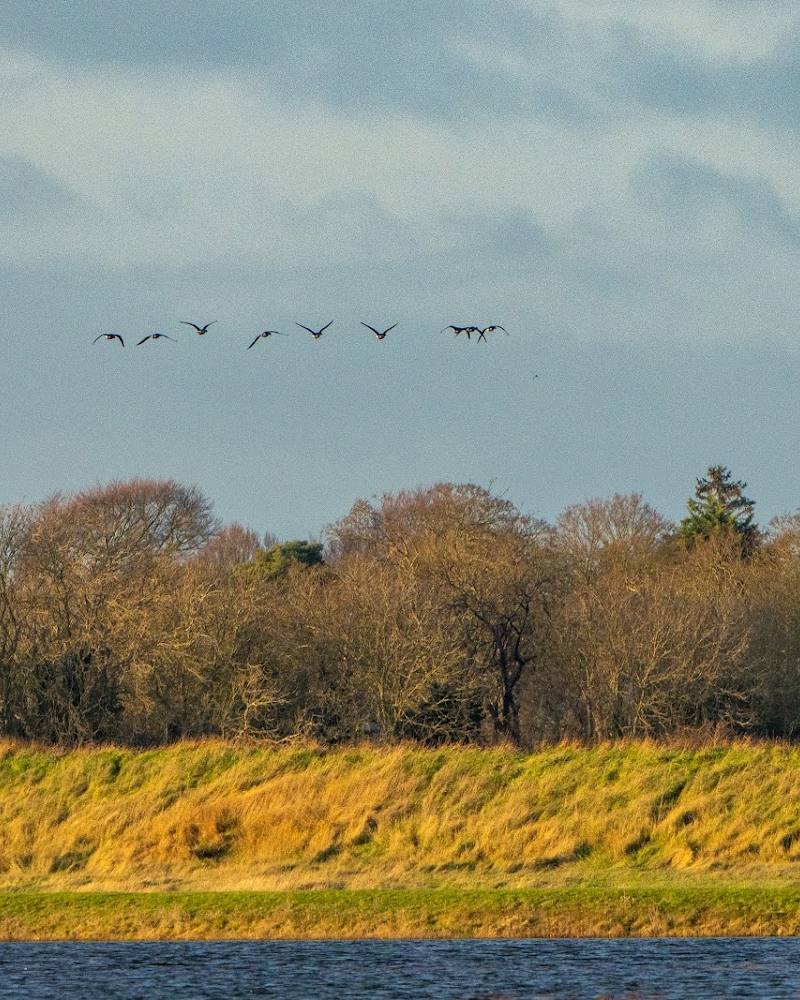
RSPB identifies overwintering waders and wildfowl, including Dark-bellied Brent Geese, and also describes summer nesting birds. Winter and summer therefore offer different wildlife-watching opportunities; individual sightings are not guaranteed.
The trails include unsurfaced grass paths. Check weather and ground conditions before visiting, particularly if relying on the grass trails or planning an accessible route. The car park has no lighting.
What to look for
- 01
Look across the estuary for Common Seals hauling out
- 02
scan grassland for Short-eared Owls and Marsh Harriers
- 03
check the lagoons and mudflats for waders and wildfowl, including Dark-bellied Brent Geese. RSPB also identifies Brown Hare and Shrill Carder Bee among the reserve’s wildlife.
The story
Contemporary conservation and coastal engineering; habitat creation using excavated material from London’s Elizabeth line tunnels.
Best time to go
Winter for overwintering waders and wildfowl; summer for breeding birds and flowering grassland. Wildlife sightings vary.
For wintering waders and wildfowl, choose a winter visit; for nesting birds and warmer-season wetland life, visit in summer. Check the tide and weather forecast and allow time to watch from the shelters.
How long to spend
Half day
Perfect for
Wildlife lovers · Walkers · Photographers · Families
Before you go
Address
Phone
Website
Listed hours
- Monday: 8am-8pm
- Tuesday: 8am-8pm
- Wednesday: 8am-8pm
- Thursday: 8am-8pm
- Friday: 8am-8pm
- Saturday: 8am-8pm
- Sunday: 8am-8pm
Check before visiting.
Google rating
Practical information
Opening & access
RSPB’s reserve page says open daily from 8am until dusk, or 8pm if earlier. The reserve has six walking trails. Check the official page before travelling for current access information.
Check before visiting
Parking
RSPB lists 34 car spaces, including two Blue Badge spaces near the trail entrances. No overnight parking or camping. Check current arrangements before visiting.
Check before visiting
Toilets
One accessible toilet is listed by RSPB. No baby-changing facilities.
Food & drink
Check before visiting; no café or food provision is confirmed by the supplied sources.
Check before visiting
Dogs
Dogs are permitted on the public footpath (Allfleets Marsh trail), but not on the other trails. RSPB asks owners to keep dogs on a short lead and take waste home. Assistance dogs are welcome throughout.
Accessibility
RSPB describes a wheelchair-friendly kissing gate and a 1:12 ramp to the sea wall on the Allfleets and Jubilee Marsh trails. These trails are unsurfaced grass; a surfaced trail runs east from the car park towards Beagle Lagoons and Grass Farm lagoon. An accessible toilet and two Blue Badge spaces are listed. Check conditions and route suitability before visiting.
Check before visiting
Cost
Check before visiting
Check before visiting
Water
Estuary, saltmarsh, mudflats and saline lagoons. Swimming or paddling permission is not established; do not assume either is allowed.
Gallery
Place photographsKeep exploring
Around RSPB Wallasea Island
Within 50 km · approximate straight-line distances
 Source image5.2
East Beach, Shoeburyness
13A Rampart Terrace, Shoeburyness, Southend-on-Sea SS3 9AE
8.9 km away
 Place photograph6.4
Prittlewell Priory
Priory Lodge, Victoria Avenue, Southend-on-Sea SS2 6NB
10.5 km away