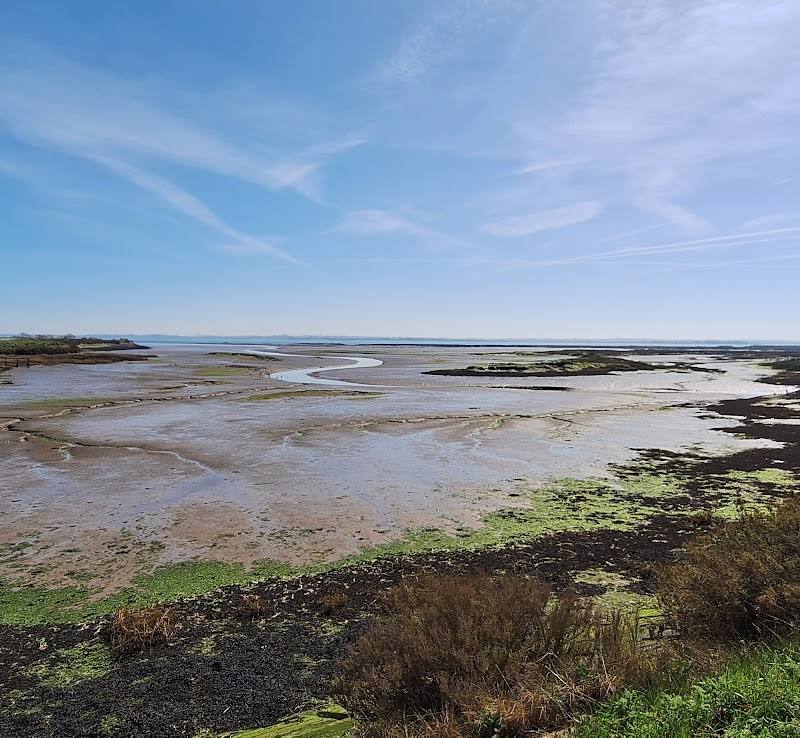
Blackwater Estuary, between Maldon and West Mersea, Essex
Blackwater Estuary National Nature Reserve
Mixed-habitat reserve
Source image
6.7
Wildland
1–2 hours
Time
Check
Cost
Big-sky
Feel
Why it's Wildland
6.7At the Blackwater, tidal mudflats and saltmarsh are both wildlife habitat and a working landscape: oysters have been harvested here for more than a thousand years, and fish-weir remains from the Anglo-Saxon era have been found in the estuary.
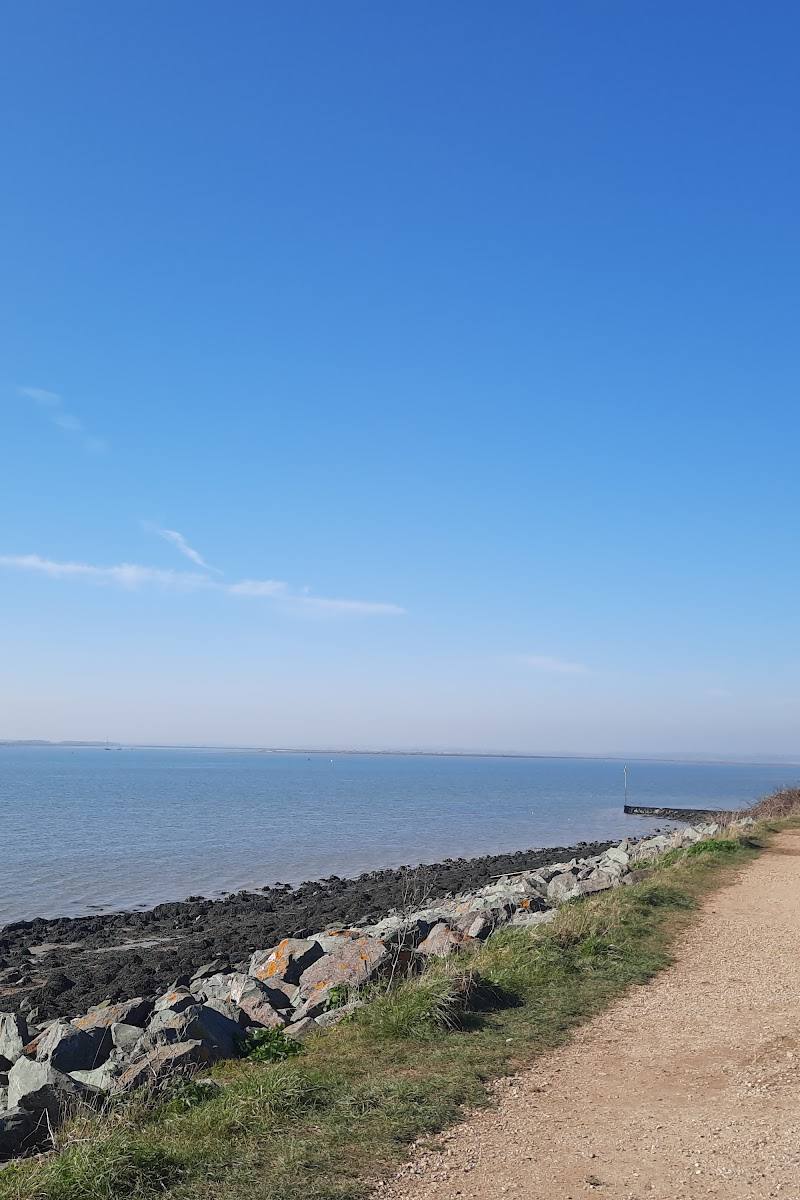
This is a landscape-scale estuary reserve, not a single viewpoint: its saltmarsh, mudflats and grazing marsh support internationally important wetland wildlife, while centuries of oyster fishing and traces of early fish weirs give the water a human story as well as a wild one.
Big-sky · Wild
Find your way
Open mapBlackwater Estuary, between Maldon and West Mersea, Essex
Opening map…
Know this place a little better?
The experience
Make the changing estuary the focus: look across the saltmarsh and mudflats for feeding waders and wintering wildfowl, and keep in mind that access varies across this large landscape. Confirm a suitable public access point and tide conditions before setting out.
Things to do
Watch birds over the mudflats
Look for feeding waders along the tidal edges. Reported species include redshank, dunlin, curlew, greenshank and oystercatcher; sightings depend on season, tide and location.
Allow time to observe; check access before visiting
Look for wintering wildfowl
Scan the estuary for dark-bellied Brent geese, wigeon and teal, among other birds reported from the reserve landscape. Bring binoculars if you have them.
Notice the estuary’s working history
Oysters have been harvested in the area for over a thousand years. The remains of Anglo-Saxon-era fish weirs have also been found in the estuary; their presence is a landscape detail, not a promise of a visible feature at any particular stopping point.
Make a day of it
Quick escape · 1–2 hours
A quick estuary wildlife watch
- 01
First confirm a suitable public access point and any current restrictions.
- 02
From an accessible, permitted viewpoint or path, scan the mudflat margins and saltmarsh for feeding waders and wildfowl.
- 03
Allow time to observe how the view changes with the tide; do not enter mudflats or restricted areas.
Half day · Half day
Make a half day of the estuary
- 01
Plan around one verified public access point in the Blackwater Estuary landscape; check access and tide information before travelling.
- 02
Spend time watching the saltmarsh and mudflats for waders, wildfowl and other seasonal visitors.
- 03
If access and timing suit, pair the nature visit with a stop at Maldon or another estuary settlement; the supplied sources identify Maldon as a town at the heart of the estuary.
Verified history
Oyster harvesting in the Blackwater area dates back more than a thousand years. The Maldon District visitor information reports that remains of Anglo-Saxon-era fish weirs have been found in the estuary. Northey Island is also described as the site of early UK managed-retreat experiments, in which sea walls were set back to create saltmarsh; access to the island should be checked separately.
Hidden details
A long-lived oyster fishery — The estuary’s oyster harvest has a documented history of more than a thousand years, connecting today’s tidal landscape with a continuing maritime tradition.
Traces of early fish weirs — Remains of fish weirs from the Anglo-Saxon era have been found in the estuary. The supplied source does not identify a visitor-accessible location where they can be viewed.
When to go
December · January · February · March · April · September · October · November · Choose a time that fits the tide and current access guidance; the supplied sources do not establish a universally best hour.
Winter brings large numbers of wildfowl to the estuary, while spring and autumn are migration periods. The precise species and viewing opportunities vary by site and tide.
This is a tidal coastal landscape. Check tide information and current access guidance before setting out; no site-specific weather or route-surface advice was supplied.
Worth pairing with
Maldon
The visitor information identifies Maldon as a town at the heart of the estuary. It is a possible settlement stop to pair with an estuary visit; confirm the specific venues and opening details separately.
The Osea View Café
The café’s own article describes birdwatching from its windows and terrace and says it sits by the estuary. Check opening and access details before planning a visit; it is a nearby pairing, not established as a reserve facility.
What to look for
- 01
Scan mudflat edges for feeding waders such as redshank, dunlin and curlew
- 02
look for wildfowl on the water and, if present, Little Terns around breeding areas. The estuary also has a long oyster-fishing history, and remains of Anglo-Saxon fish weirs have been found here.
The story
Industry, Archaeology
Best time to go
Winter for large gatherings of wildfowl; spring and autumn for migrating birds. Wildlife varies with season and tide.
Winter is a strong choice for wildfowl, including Brent geese, wigeon and teal. Spring and autumn bring migration; a calm, clear visit may make distant birds easier to observe. Check tide times and local access before travelling.
How long to spend
1–2 hours
Perfect for
Wildlife lovers · Photographers · Walkers
Before you go
Google rating
Practical information
Opening & access
The reserve covers a wide estuary landscape, but the supplied sources do not confirm access arrangements for a specific entrance or site. Check current access information before visiting and use only signed public routes. Access arrangements are unconfirmed. Check before visiting; do not enter private land or restricted structures.
Check before visiting
Parking
Check before visiting; no reserve-specific parking information was supplied.
Check before visiting
Toilets
Check before visiting
Check before visiting
Food & drink
Check before visiting
Check before visiting
Dogs
Check before visiting
Check before visiting
Accessibility
No route-surface, step-free access or accessibility information for this reserve was supplied. Check before visiting.
Check before visiting
Cost
Check before visiting
Check before visiting
Water
Estuary, saltmarsh, tidal mudflats and creeks
Gallery
Place photographsKeep exploring
Around Blackwater Estuary National Nature Reserve
Within 50 km · approximate straight-line distances
 Place photograph7.8
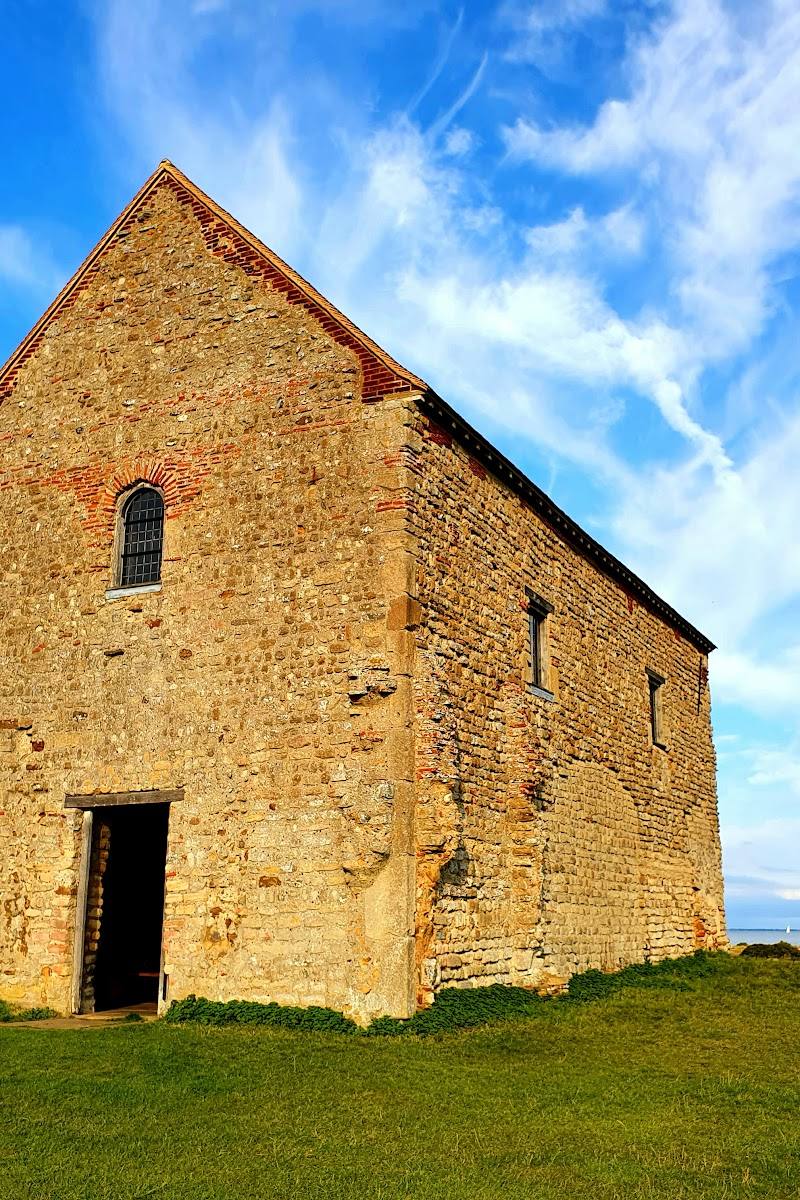
The Chapel of St Peter-on-the-Wall
East End Road, Bradwell-on-Sea, Essex CM0 7PN
6.7 km away
 Place photograph6.2
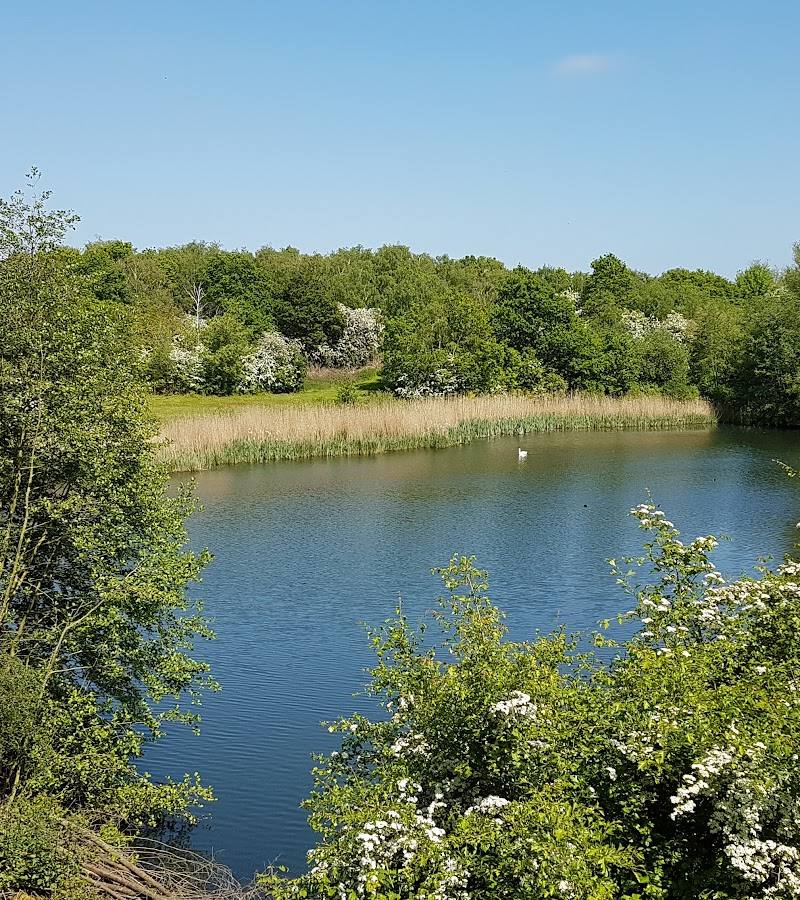
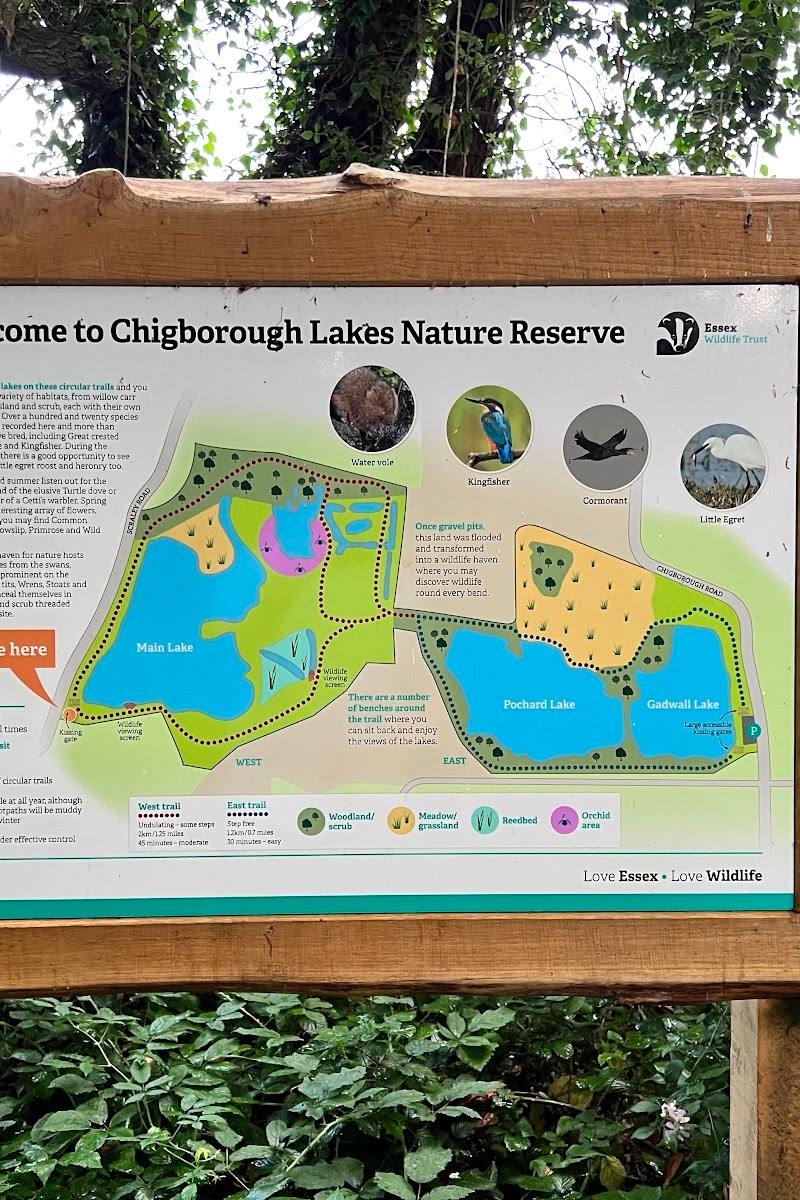
Chigborough Lakes Nature Reserve
Chigborough Road, Heybridge, near Maldon, Essex CM9 4RD
10.4 km away