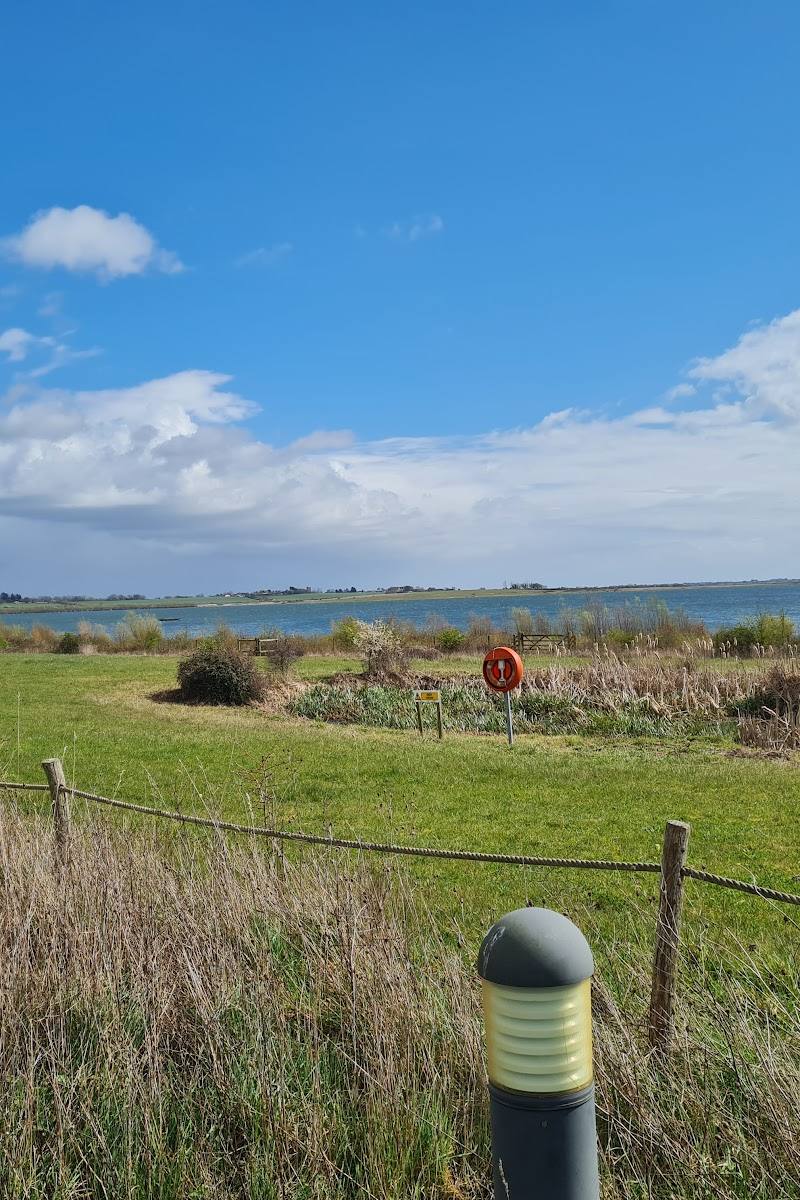
Rows Farm, Church Road, Layer-de-la-Haye, near Colchester, Essex CO2 0EU
Abberton Reservoir Nature Discovery Park
Mixed-habitat reserve
Place photograph
7.4
Wildland
1–2 hours
Time
Donation
Cost
Peaceful
Feel
Why it's Wildland
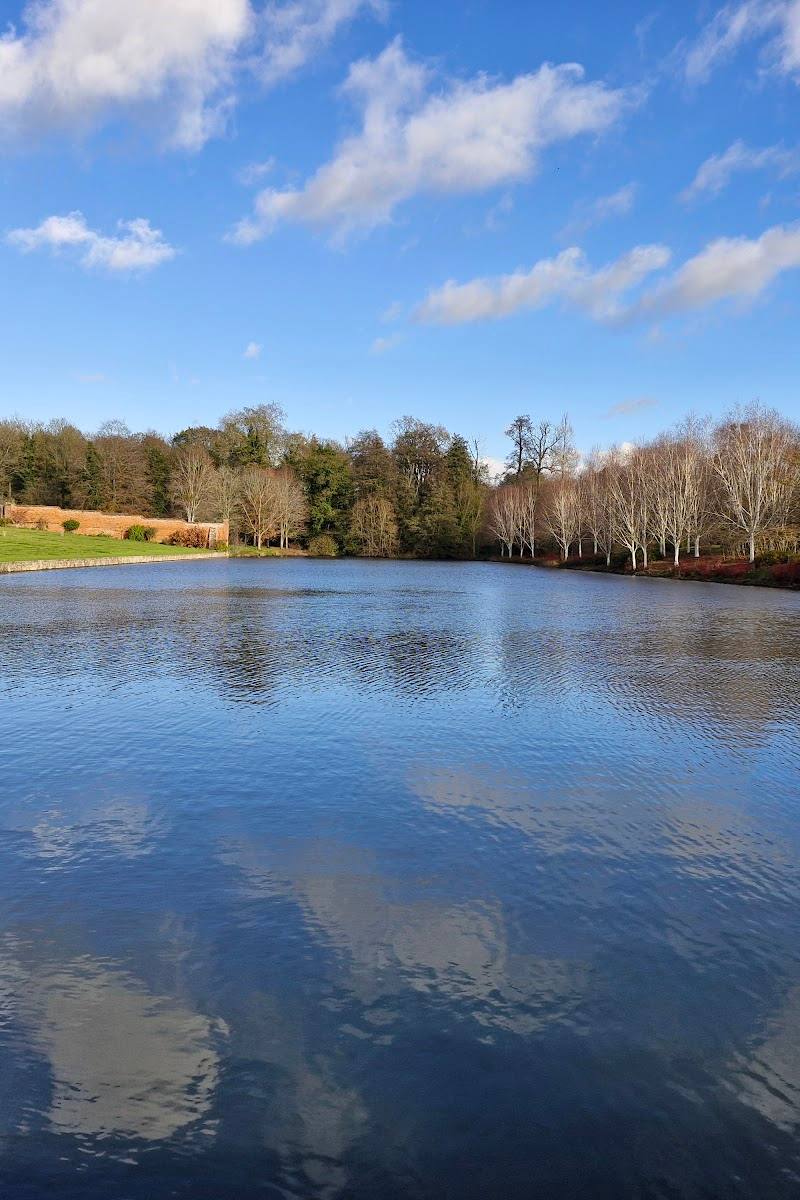
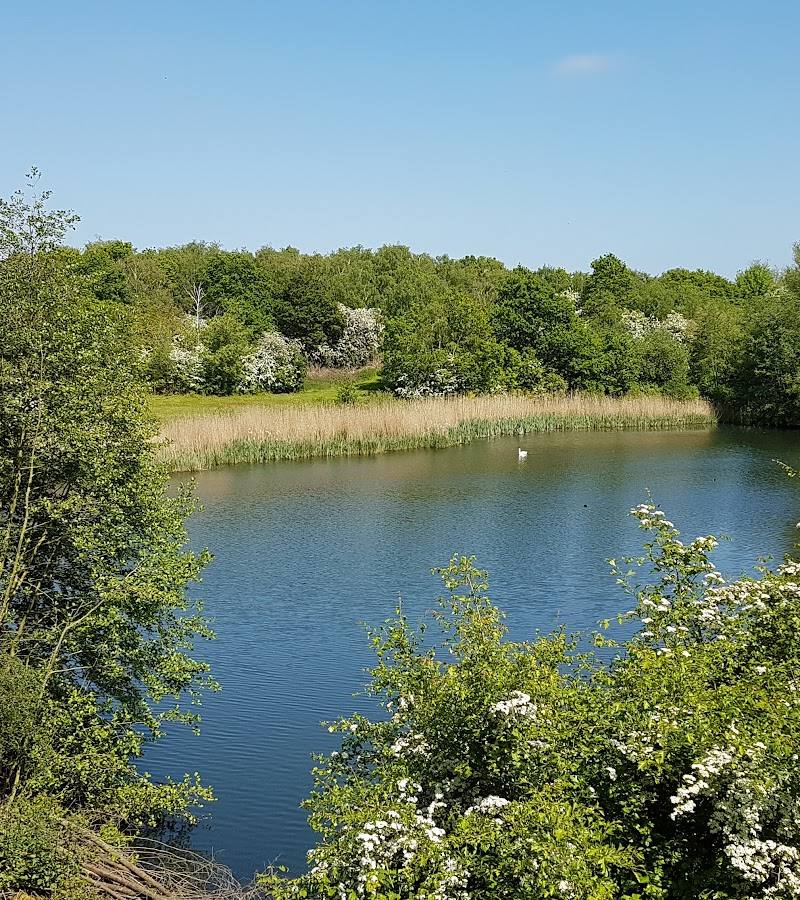
7.4Beside Essex’s largest freshwater reservoir, this discovery park opens onto an internationally important wetland where as many as 40,000 ducks, swans and geese gather in a year.
Abberton earns its place for the scale and seasonal drama of its birdlife: winter brings huge numbers of waterbirds, while the reservoir’s wide views and accessible bird hides make the wetland rewarding to explore.
Peaceful · Big-sky · Seasonal
Find your way
Open mapRows Farm, Church Road, Layer-de-la-Haye, near Colchester, Essex CO2 0EU
Opening map…
Know this place a little better?
The experience
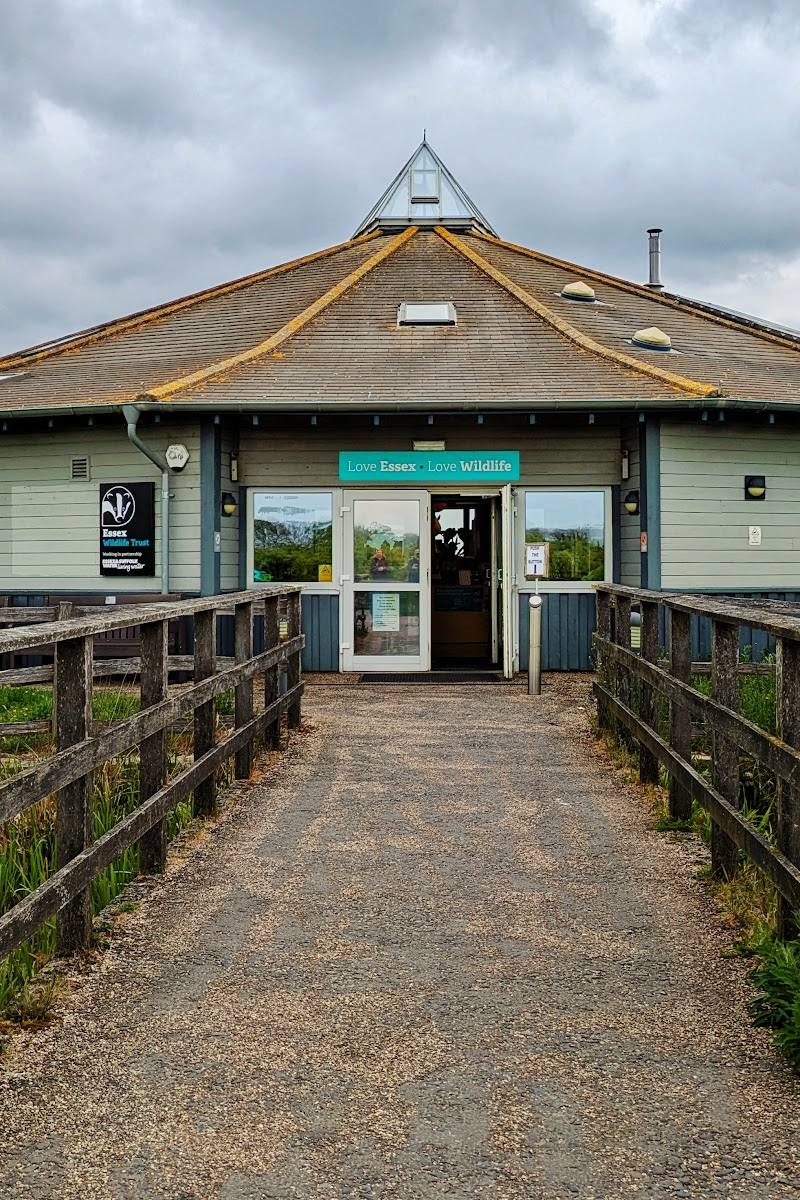
Begin at the Nature Discovery Centre, then take in the reservoir from the accessible hides and explore the reserve’s paths. In winter, scan the water and surrounding farmland for large flocks; in spring, look for nesting cormorants. The centre’s café, shop and picnic area can round out a visit, subject to current opening.
Things to do
Watch the reservoir from the bird hides
Use the accessible hides to scan the water for ducks, swans and other waterbirds. What is present changes with the season.
30–60 minutes
Look for wintering waterbirds
Scan the reservoir for species including wigeon, teal, mallard, pochard and tufted duck. Essex Wildlife Trust reports that up to 40,000 ducks, swans and geese are attracted to the wider wetland site each year.
30 minutes or more
Follow the Brambly Hedge nature trail
Explore the trail and look for its seven characters from Jill Barklem’s classic stories.
Make a day of it
Quick escape · About 1 hour
Quick Escape: reservoir views and a bird hide
- 01
Start at the Nature Discovery Centre.
- 02
Walk to an accessible bird hide and pause to scan the reservoir.
- 03
Return by the reserve paths, allowing time to look for seasonal birds.
Half day · Half day
Make a half day of it: hides, wildlife walks and the discovery centre
- 01
Explore the reserve paths and visit the accessible bird hides.
- 02
Take time to watch the reservoir and surrounding farmland for birds.
- 03
Follow the Brambly Hedge nature trail, then use the centre’s café or picnic area if open.
Verified history
Abberton Reservoir was constructed in the 1930s to address local water needs in a dry part of the country. The visitor centre beside the reservoir was built in 2012. The reservoir is now recognised for its importance to waterbirds, with the Trust reporting that up to 40,000 ducks, swans and geese visit each year.
Hidden details
Cormorants nesting in trees — Look up as well as across the water: the supplied sources note cormorants nesting in trees here, an unusual sight described as occurring at relatively few places in Britain.
Mudflat visitors in dry winters — When water levels fall in dry winters, exposed mud can attract passage waders. The supplied sources mention ruff, spotted redshank, black-tailed godwit and lapwing.
When to go
November · December · January · February · March · April · May · A calm morning is a practical choice for watching birds from the hides; the supplied sources do not identify a guaranteed peak time.
Winter is especially notable for large numbers of waterbirds arriving from northern breeding grounds. Spring brings nesting cormorants and returning migrants. Bird numbers and sightings vary.
The reservoir is an exposed waterside setting; bring suitable layers for wind and changing weather. Check current path conditions before setting out.
Worth pairing with
Brambly Hedge nature trail
A themed trail within the discovery park, described as featuring seven characters from Jill Barklem’s stories.
What to look for
- 01
Scan the reservoir for wintering wigeon, teal, pochard and tufted duck. In spring, look for cormorants nesting in trees
- 02
in dry winters, exposed mud can draw passage waders.
The story
Reservoir built in the 1930s to meet local water needs; the site is now an important wetland for birds.
Best time to go
November–February for wintering waterbirds; spring is rewarding for nesting cormorants and returning migrants.
A calm morning in winter is a good choice for watching waterbirds. Spring offers a different focus, including cormorants nesting in trees.
How long to spend
1–2 hours
Perfect for
Birdwatchers · Wildlife lovers · Families · Walkers · Photographers
Before you go
Address
Phone
Website
Listed hours
- Monday: 10am-4pm
- Tuesday: 10am-4pm
- Wednesday: 10am-4pm
- Thursday: 10am-4pm
- Friday: 10am-4pm
- Saturday: 10am-4pm
- Sunday: 10am-4pm
Check before visiting.
Google rating
Practical information
Opening & access
The Essex Wildlife Trust says the Nature Discovery Park is open all year, seven days a week. Entry and car parking are free; suggested donations are £2 per adult, £1 per child or £5 per family. Check current opening hours before travelling.
Check before visiting
Parking
Car parking is available and free, according to Essex Wildlife Trust. Check current arrangements before visiting.
Check before visiting
Toilets
The source describes accessible toilets at the visitor centre; confirm availability before travelling.
Food & drink
The Essex Wildlife Trust page describes a café at the centre. Check current opening and service details.
Check before visiting
Dogs
Check the reserve’s current guidance and on-site signage before bringing a dog.
Check before visiting
Accessibility
The source row lists a wheelchair-accessible car park, entrance, seating and toilet. The supplied visitor information also describes an accessible circular path and accessible bird hides; check current path conditions and facilities before visiting.
Check before visiting
Cost
Donation
Water
Reservoir
Gallery
Place photographs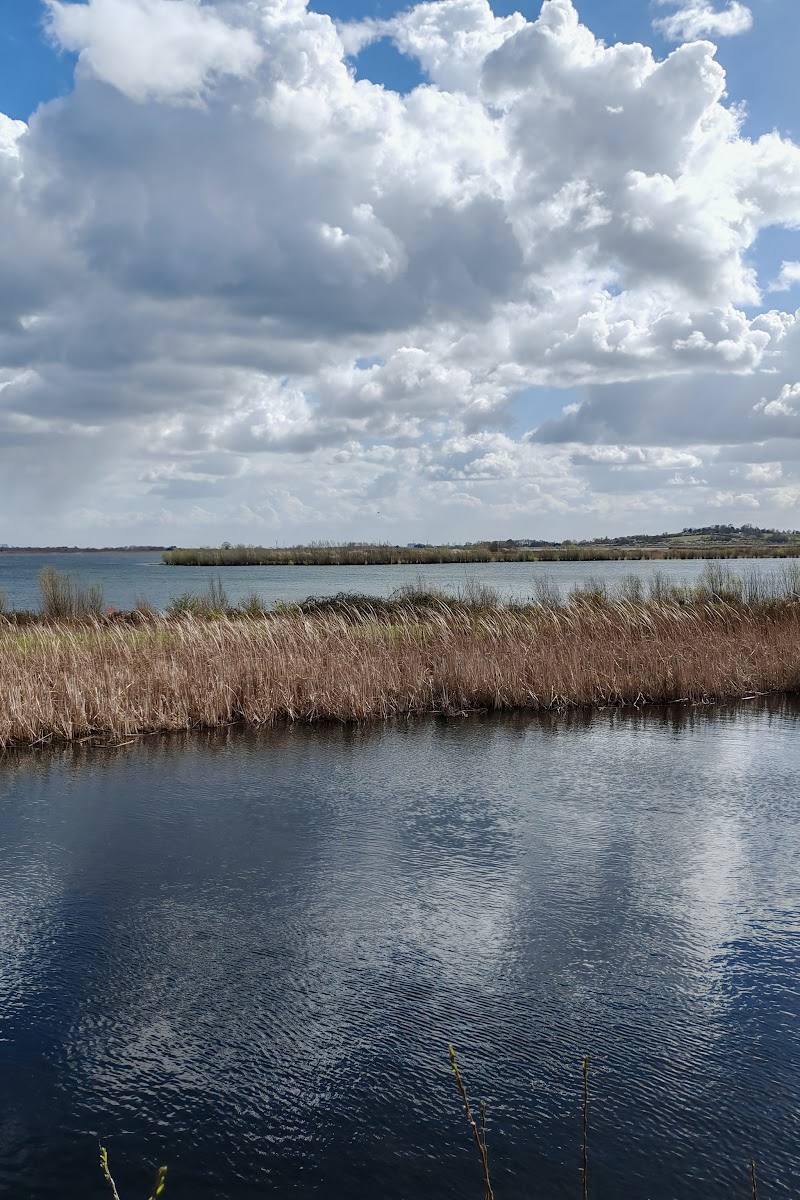
Keep exploring
Around Abberton Reservoir Nature Discovery Park
Within 50 km · approximate straight-line distances
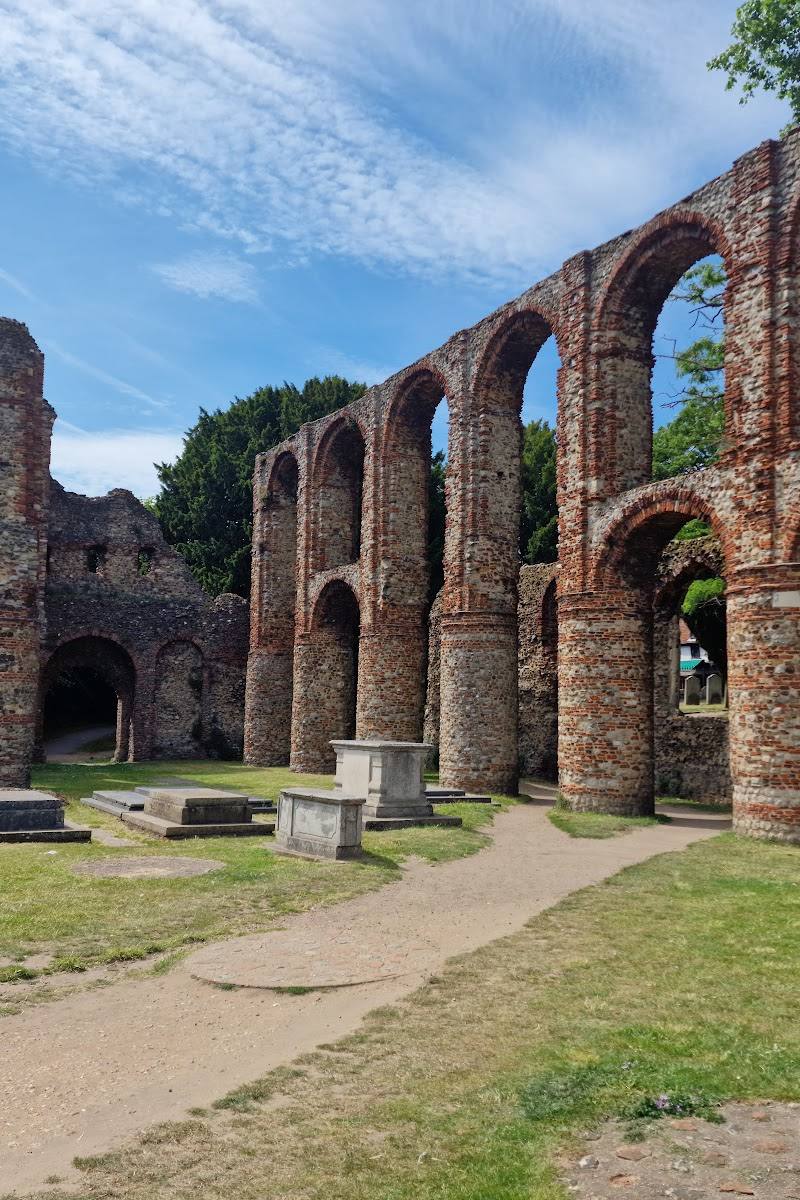 Place photograph6.8
St Botolph’s Priory
St Botolph’s Church Walk, Colchester, Essex CO2 7EE
7.9 km away
 Place photograph7.8
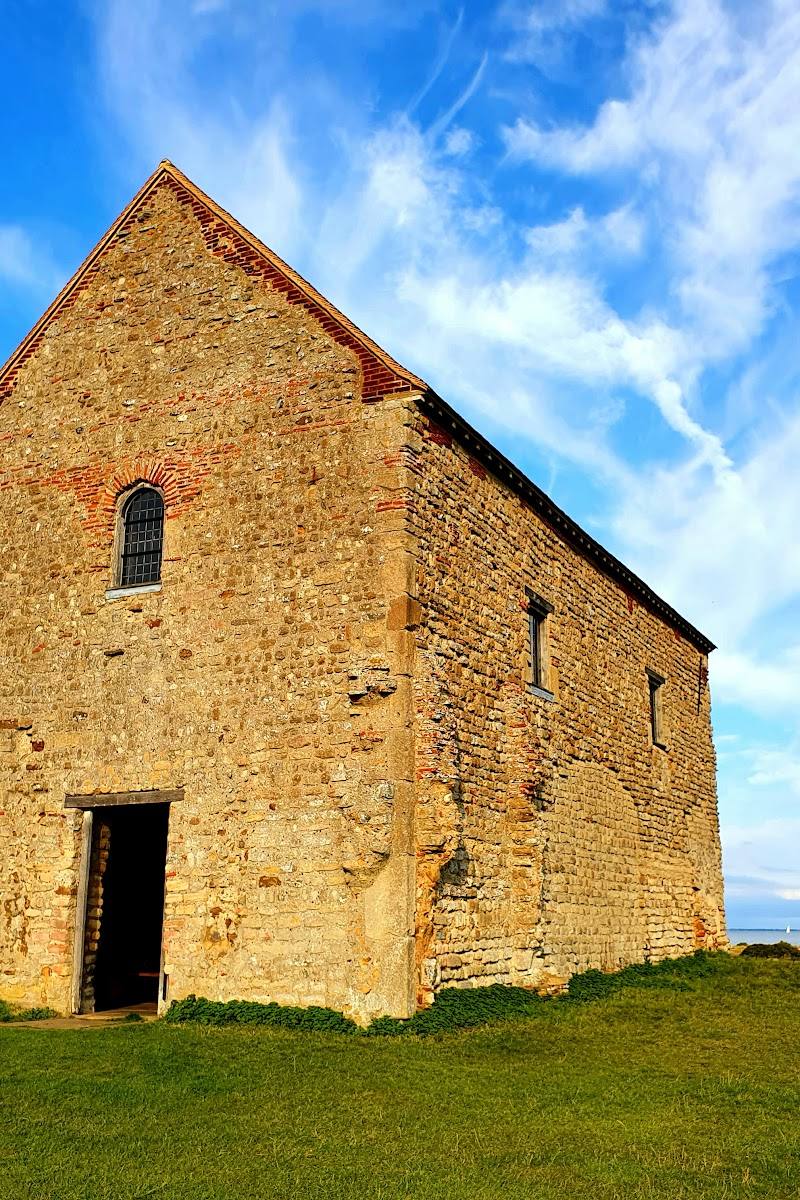
The Chapel of St Peter-on-the-Wall
East End Road, Bradwell-on-Sea, Essex CM0 7PN
11.7 km away