Greenwich Park, London, SE10 8HJ
Anglo-Saxon Barrows, Greenwich Park
Anglo-Saxon
Source image
4.8
Wildland
Under 1 hour
Time
Check
Cost
Atmospheric
Feel
Why it's Wildland
4.8More than 30 circular burial mounds survive in Greenwich Park, marking an Anglo-Saxon cemetery used between about AD 480 and 700. The mounds are easy to overlook in the park landscape, but they preserve traces of a burial ground that was nearly lost when a Victorian reservoir was planned nearby.
A rare early-medieval cemetery survives within a major London park. The barrows reward a slower look: their subtle shapes, past excavations and dramatic near-destruction make this a compelling encounter with buried history in an everyday landscape.
Atmospheric · Ancient-feeling
Find your way
Open mapGreenwich Park, London, SE10 8HJ
Opening map…
Know this place a little better?
The experience
Pause to look for the cemetery’s circular mounds, then explore more of Greenwich Park’s documented history if time allows. The earthworks are subtle, and dry summer conditions may make them easier to see.
Things to do
Spot the circular burial mounds
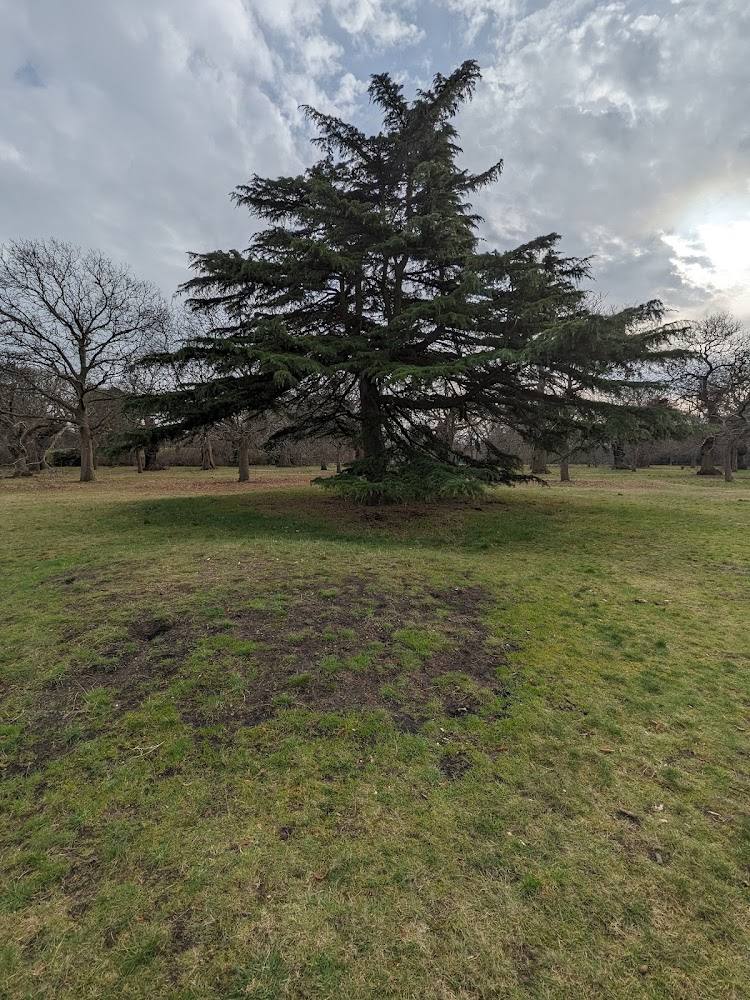
Look across the cemetery area for the low circular forms. The Royal Parks says they may be especially visible when hot summer weather has parched the grass.
15–30 minutes
Read the marks of earlier excavations
Some barrows have flat tops and backfilled holes, evidence of earlier digging. In 1784, the antiquary James Douglas opened at least 20 of the mounds.
10–20 minutes
Trace the cemetery’s survival story
The planned 1844 reservoir threatened the cemetery. Public outcry helped save most of the barrows, making this an early British campaign to protect an archaeological site from development.
10 minutes
Make a day of it
Quick escape · Under 1 hour
Find the barrows
- 01
Visit the cemetery area west of the Meridian line and north of The Avenue.
- 02
Look closely across the grass for circular mounds; they may stand out more when the grass is parched.
- 03
Notice the flat tops and backfilled holes described by The Royal Parks as evidence of past excavation.
Half day · Half day
Barrows and the park’s early history
- 01
Start at the barrow cemetery and take time to pick out the circular mounds.
- 02
Continue through Greenwich Park to explore other early-history features described by The Royal Parks, including traces of a Roman temple in the south of the park.
- 03
Check current opening and visitor information for other park destinations before adding them to your visit.
Verified history
The cemetery dates from about AD 480–700, when Greenwich lay in the kingdom of Kent. In 1784, Reverend James Douglas excavated at least 20 barrows and reported finds including coffin nails, an iron spearhead, glass beads and textile fragments. In 1844, a proposed reservoir threatened the cemetery; public opposition helped save most of the mounds, and the reservoir was moved elsewhere in the park. More recently, restoration work removed a tarmac path that had crossed the cemetery and supported the return of acid grassland habitat.
Hidden details
The cemetery’s subtle visibility — The mounds can be difficult to distinguish in ordinary conditions. The Royal Parks says they may become easier to see when hot summers leave the grass parched.
Clues in the mound surfaces — Flat tops and backfilled holes record past excavations. Douglas’s 1784 investigations produced reported finds including iron spearhead, glass beads and textile fragments.
A path removed to restore the setting — A tarmac path once crossed the cemetery. As part of Greenwich Park Revealed, it was removed and the landscape restored, alongside work to bolster acid grassland habitat.
When to go
June · July · August · A dry, bright spell is useful for seeing the mound shapes; no specific time of day is established by the source.
The Royal Parks notes that the circular mounds may be easier to spot when hot summer weather has parched the grass.
Visibility of the earthworks may vary with grass conditions. Check current park access information before travelling.
Worth pairing with
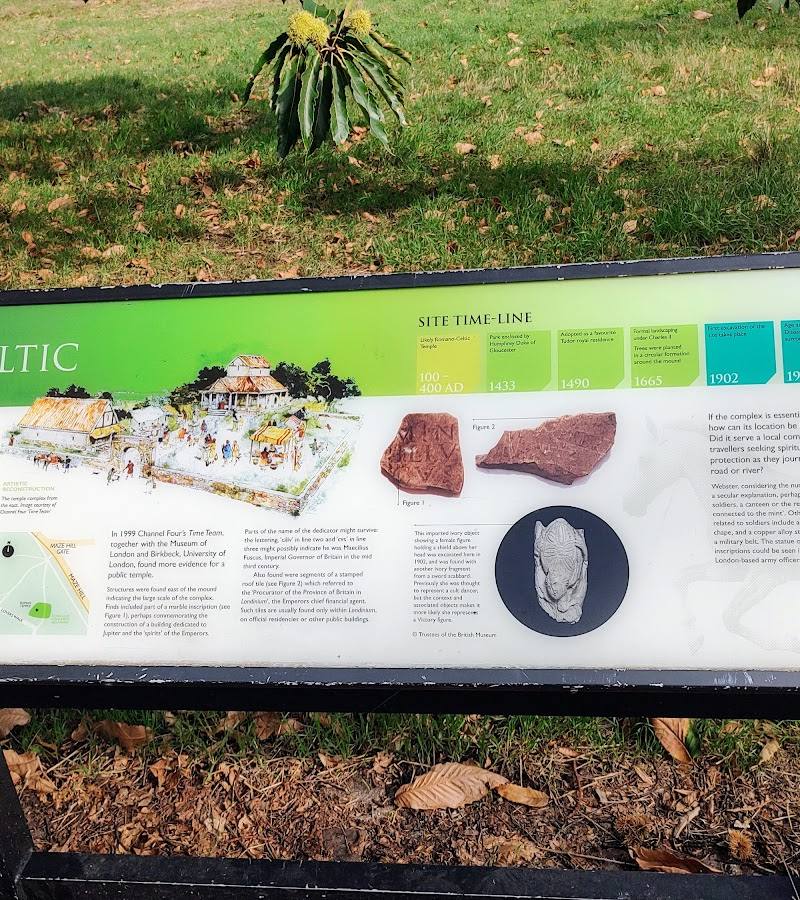
Greenwich Park’s Roman temple traces
The Royal Parks also describes traces of an ancient Roman temple in the south of Greenwich Park; consider adding it if you want to explore more of the park’s early history.
Royal Observatory
The Royal Parks identifies the Royal Observatory as part of Greenwich Park’s history and notes its place within a UNESCO World Heritage Site. Check current visitor information before planning a visit.
What to look for
- 01
Look for circular raised mounds, especially when the grass is dry. The Royal Parks notes that some have flat tops and backfilled holes from earlier excavations
- 02
the mounds’ layers of turf and gravel also offer clues to how they were built.
The story
Archaeology
Best time to go
Hot, dry summer weather can make the circular mounds easier to spot when the grass is parched. The site can be visited in other seasons, but the earthworks may be less distinct.
On a hot, dry summer day, when parched grass may reveal the mound shapes more clearly. Check the park’s current gate hours before setting out.
How long to spend
Under 1 hour
Perfect for
History lovers · Walkers · Families
Before you go
Practical information
Opening & access
The barrows are within Greenwich Park, which is open to the public. The Royal Parks lists pedestrian gate hours as 6am–7pm; check current access arrangements before travelling.
Check before visiting
Parking
Check before visiting.
Check before visiting
Toilets
Check before visiting.
Check before visiting
Food & drink
The Royal Parks lists food and drink as available in Greenwich Park; check current provision before visiting.
Check before visiting
Dogs
Check before visiting.
Check before visiting
Accessibility
Check before visiting for path surfaces and step-free access around the barrows.
Check before visiting
Cost
Check before visiting.
Check before visiting
Gallery
Place photographsKeep exploring
Around Anglo-Saxon Barrows, Greenwich Park
Within 50 km · approximate straight-line distances