Valle Crucis, Llantysilio, near Llangollen, Denbighshire LL20 8DD
Abaty Glyn Y Groes / Valle Crucis Abbey
Abbey
Place photograph
7.5
Wildland
1–2 hours
Time
Check
Cost
Atmospheric
Feel
Why it's Wildland
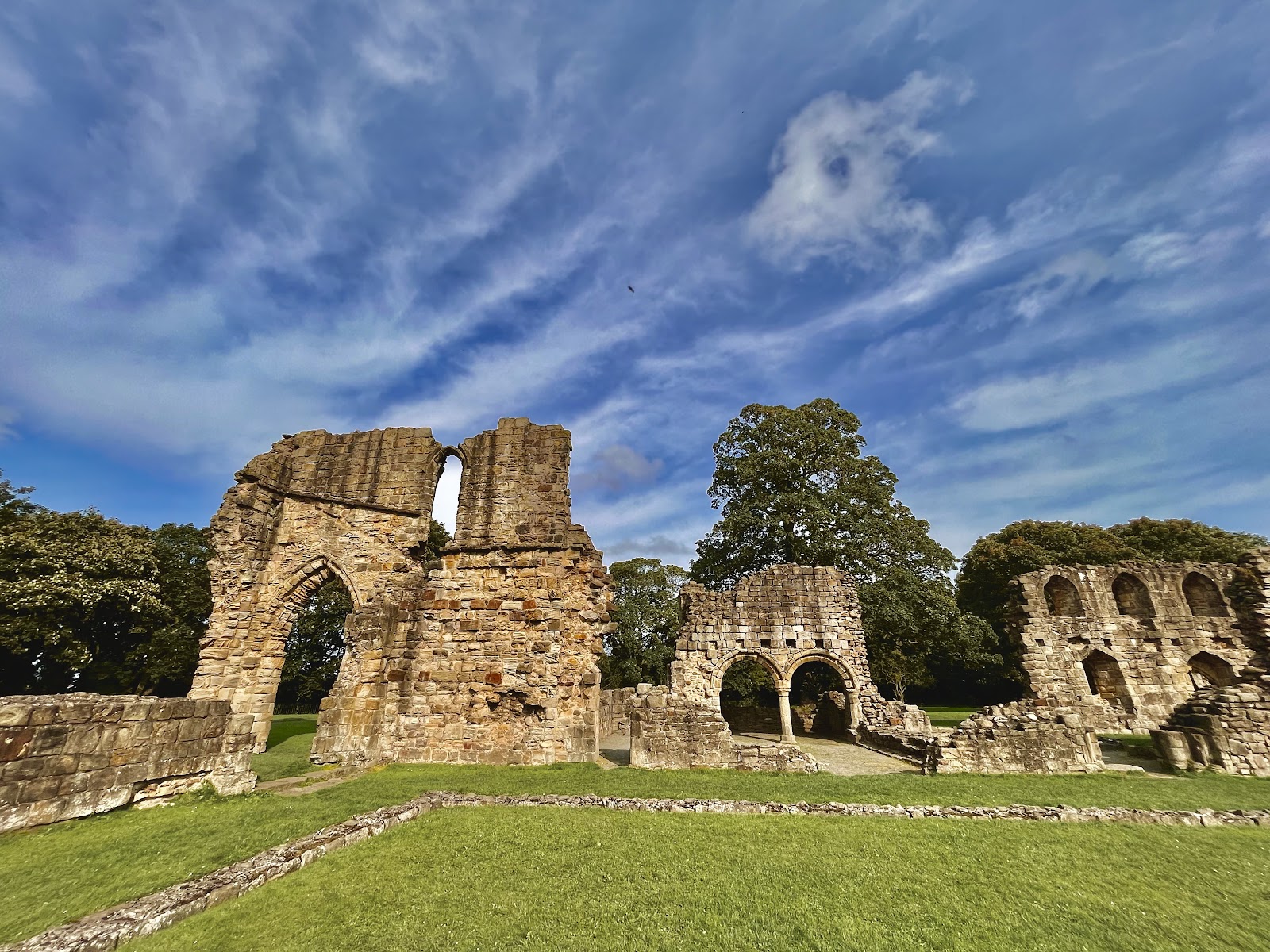
7.5Founded in 1201 by Welsh prince Madog ap Gruffydd, Valle Crucis grew from an austere Cistercian house into one of Wales’s wealthiest abbeys. Its surviving west front, chapter house and fishpond give the story a vivid physical setting.
This is more than a picturesque ruin: the abbey’s Welsh identity, history of damage during conflict and surviving monastic fishpond give the remains a strong sense of place. The west front and rib-vaulted chapter house make a short visit rewarding.
Atmospheric · Historic
Find your way
Open mapValle Crucis, Llantysilio, near Llangollen, Denbighshire LL20 8DD
Opening map…
Know this place a little better?
The experience
Take time to read the surviving buildings as parts of a working abbey: begin with the west front, then look for the chapter house and the monastic fishpond. Cadw describes the site as one of Wales’s best-preserved and most atmospheric medieval abbeys.
Things to do
Study the west front
Take in the abbey church’s west front, described by Cadw as a majestic first sight of the ruins.
Find the chapter house
Look for the rib-vaulted chapter house among the surviving monastic buildings.
Look for the monastic fishpond
Cadw identifies this as the only surviving monastic fishpond in Wales.
Connect the abbey to the Pillar of Eliseg
The abbey’s Latin name, Valley of the Cross, refers to the nearby ninth-century Pillar of Eliseg. Check access and directions before adding it to your visit.
Make a day of it
Quick escape · About 1 hour; check current opening information
Quick Escape: Read the abbey’s surviving story
- 01
Start with the abbey church’s west front, the feature Cadw singles out on first arrival.
- 02
Look for the rib-vaulted chapter house among the remains.
- 03
Finish by finding the monastic fishpond.
Half day · Half day; travel and access details for the pillar need checking
Make a half day of it: Abbey and Pillar of Eliseg
- 01
Explore the abbey’s west front, chapter house and fishpond.
- 02
Add the nearby ninth-century Pillar of Eliseg, which Cadw identifies as the reference behind the abbey’s name.
- 03
Check access and travel arrangements for both sites before setting out.
Verified history
Cadw dates the abbey’s foundation to 1201, when Welsh prince Madog ap Gruffydd founded it for Cistercian monks. Its name means “Valley of the Cross” and refers to the nearby ninth-century Pillar of Eliseg. Cadw says the abbey suffered damage during the wars of Edward I and the uprising of Owain Glyndŵr, later becoming renowned for lavish hospitality. It was dissolved in 1537. The surviving remains include the west front, rib-vaulted chapter house and a monastic fishpond.
Folklore & legend
No specific local legend is established by the supplied sources. Cadw says the abbey was legendary for its lavish feasts; this refers to its reputation for hospitality, not a supernatural story.
Hidden details
A fishpond with unusual significance — Look for the surviving monastic fishpond, which Cadw describes as the only one of its kind to survive in Wales.
The cross in the name — Valle Crucis means “Valley of the Cross”, a reference to the nearby ninth-century Pillar of Eliseg.
When to go
· Visit during confirmed opening hours; no evidence supplied for a particularly advantageous time of day.
The supplied evidence gives no seasonal changes or wildlife events. The abbey’s architectural and historical interest is not described as season-dependent.
Check the forecast and current visitor information before travelling. The supplied sources do not provide weather or ground-condition guidance.
Worth pairing with
Pillar of Eliseg
Cadw identifies this nearby ninth-century pillar as the source of the abbey’s name. Check its access and practical details before planning a combined visit.
What to look for
- 01
The majestic west front of the abbey church
- 02
the rib-vaulted chapter house
- 03
and the fishpond, described by Cadw as the only surviving monastic fishpond in Wales.
The story
Cistercian monastic life; medieval Wales; conflict and the Dissolution
Best time to go
The abbey’s architecture and story can be explored year-round when open; check current visiting information before setting out.
Visit during confirmed opening hours. Allow time to look closely at the west front, chapter house and fishpond rather than treating the ruins as a quick photo stop.
How long to spend
1–2 hours
Perfect for
History lovers · Photographers
Before you go
Address
Phone
Website
Listed hours
- Monday: 10am-4pm
- Tuesday: 10am-4pm
- Wednesday: 10am-4pm
- Thursday: 10am-4pm
- Friday: 10am-4pm
- Saturday: 10am-4pm
- Sunday: 10am-4pm
Check before visiting.
Google rating
Practical information
Opening & access
Cadw visitor attraction. Check the official site for current access arrangements, opening times and admission details before travelling.
Check before visiting
Parking
Check before visiting.
Check before visiting
Toilets
Check before visiting.
Check before visiting
Food & drink
Check before visiting.
Check before visiting
Dogs
Check before visiting.
Check before visiting
Accessibility
The source row reports a wheelchair-accessible car park, entrance and seating; check with Cadw for current details and the suitability of the site for your needs.
Check before visiting
Cost
Check before visiting
Check before visiting
Water
Fishpond
Gallery
Place photographsKeep exploring
Around Abaty Glyn Y Groes / Valle Crucis Abbey
Within 50 km · approximate straight-line distances
Gweryd Lakes Fishery
Gweryd Lodge, Plas Lane, Llanarmon-yn-Ial, Mold, Flintshire, CH7 4QJ
11.6 km away
 Place photograph8.6
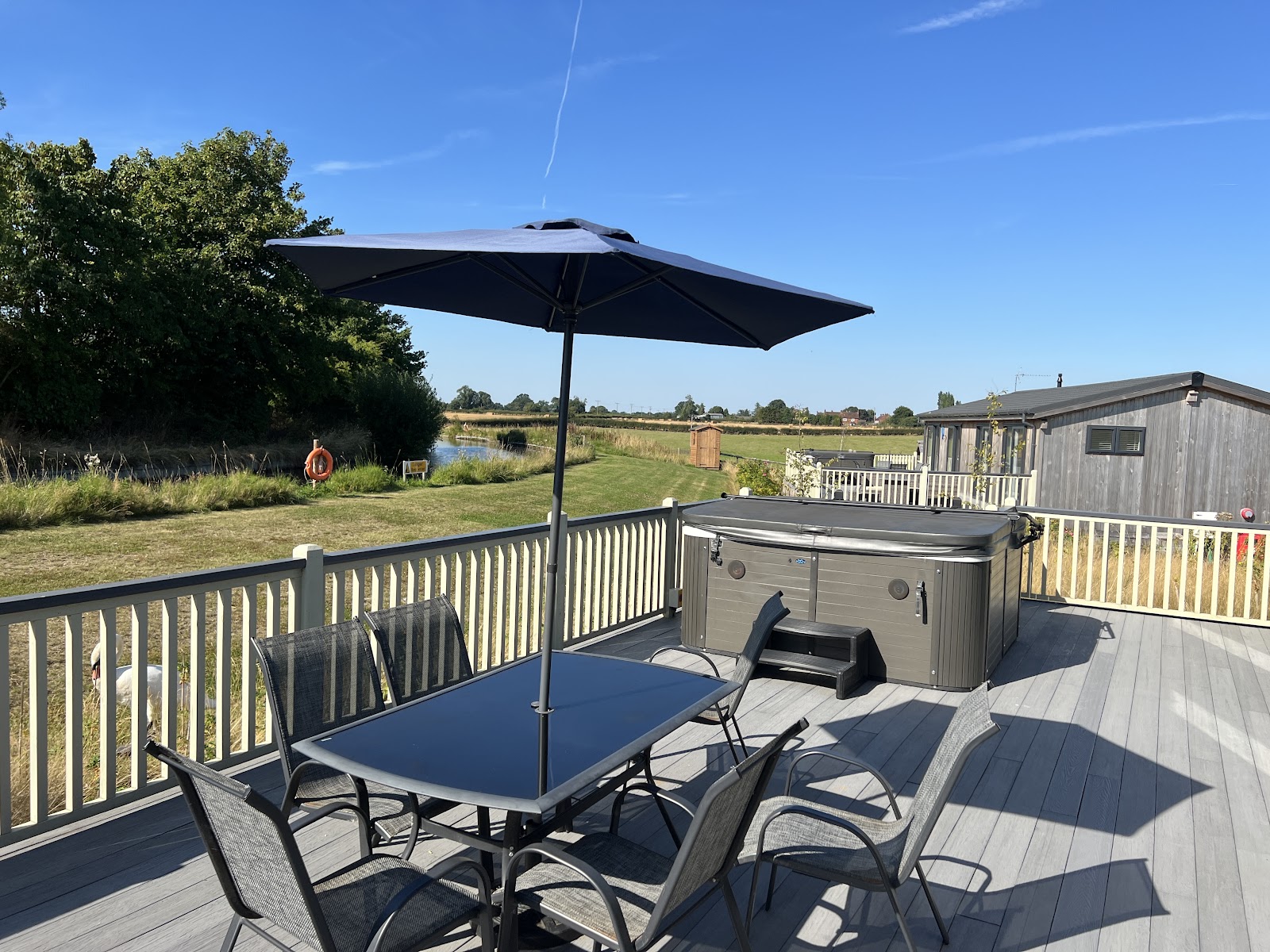
Winston Farm Lodges
Winston Farm, Tetchill, Ellesmere, Shropshire SY12 9BA
21.9 km away